


Plant-Based Omega 3: Your Complete Tutorial

Get personalised recommendations with our assessment.
Personalised Health Diagnosis (PHD)
Getting enough omega-3 fatty acids on a plant-based diet doesn't have to be complicated. While fish oil dominates the supplement market, vegan sources of omega-3s offer powerful alternatives that support heart health, brain function, and inflammation control. Plant-based omega-3 options have evolved dramatically, with algae oil leading the charge as a direct source of EPA and DHA—the same beneficial compounds found in fish oil. Whether you're exploring flaxseeds, chia seeds, or advanced algae supplements, understanding your options helps you make informed decisions about meeting your daily omega needs without compromising your values.
Omega-3 fatty acids are essential polyunsaturated fats that your body cannot produce on its own, making dietary intake crucial for optimal health. These vital nutrients play key roles in brain development, cardiovascular function, and inflammatory response regulation throughout your body.
Understanding the different forms helps you choose the right vegan omega fatty acids for your needs. ALA (alpha-linolenic acid) comes from plant sources like flaxseeds and walnuts, while EPA and DHA typically come from marine sources or algae.
Your body converts ALA to EPA and DHA at relatively low rates—typically 5-10% for EPA and even less for DHA. This conversion limitation makes direct sources of EPA and DHA particularly valuable for those following plant-based lifestyles.
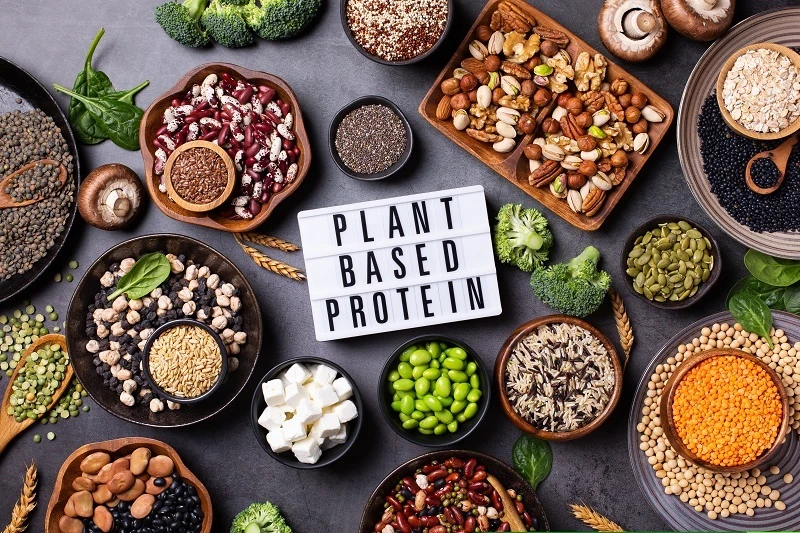
Plant foods offer diverse omega 3 vegan options that fit seamlessly into daily meals and snacks. Each source provides unique nutritional benefits beyond just omega-3 content, supporting overall health while meeting your essential fatty acid needs.
Flaxseed omega 3 content reaches approximately 2.3 grams of ALA per tablespoon of ground seeds. Ground flaxseeds provide better absorption than whole seeds, as your digestive system can access the nutrients more easily.
Chia seeds omega 3 levels deliver about 1.9 grams of ALA per tablespoon. These tiny powerhouses also provide fiber, protein, and minerals, making them excellent additions to smoothies, puddings, and baked goods.
Hemp seeds omega 3 content offers a balanced ratio of omega-3 to omega-6 fatty acids. Three tablespoons provide roughly 1 gram of ALA along with complete protein and gamma-linolenic acid (GLA).
Walnuts omega 3 concentration makes them the top tree nut source, providing 2.5 grams of ALA per ounce. Regular walnut consumption has been linked to improved heart health and cognitive function in multiple studies.
Algae oil omega 3 supplements represent a breakthrough for vegans seeking direct EPA and DHA sources. This marine-free option provides the same beneficial compounds found in fish oil, sourced from the original producers—microalgae.
Microalgae naturally produce EPA and DHA through photosynthesis, which fish then consume and concentrate in their tissues. Algae oil supplements bypass the fish entirely, offering a pure, sustainable source of these crucial omega-3s.
Algae cultivation requires significantly less environmental impact compared to fish harvesting. The process uses controlled growing conditions, reducing concerns about ocean pollution, overfishing, and mercury contamination.
Daily omega intake vegan requirements vary based on age, gender, and health status, but general guidelines help establish baseline targets. Most health organizations recommend 1.1-1.6 grams of omega-3s daily for adults, though optimal amounts may be higher for maximum benefits.
Adult women need approximately 1.1 grams of ALA daily, while men require 1.6 grams. For EPA and DHA specifically, many experts suggest 250-500mg combined daily intake for general health maintenance.
Plant based omega 3 diets may benefit from higher ALA intake to compensate for conversion inefficiencies. Some nutrition experts recommend 2-3 grams of ALA daily for vegans, along with direct EPA/DHA sources when possible.
Vegan omega supplement choices have expanded dramatically, offering convenient ways to meet your omega-3 needs without dietary restrictions. Quality varies significantly between brands, making ingredient transparency and third-party testing crucial selection factors.
Premium algae oil capsules provide 300-600mg of combined EPA and DHA per serving. Look for products that specify exact EPA and DHA amounts rather than total omega-3 content, which may include less beneficial fatty acids.
Flaxseed oil supplements offer concentrated ALA in convenient capsule form. These work well for boosting overall omega-3 intake, though they don't provide direct EPA and DHA like algae oil options.
Some manufacturers blend multiple plant sources, combining ALA-rich oils with algae-derived EPA and DHA. These comprehensive formulas address both immediate omega-3 needs and long-term conversion support.
Strategic meal planning maximizes omega-3 absorption while creating delicious, nutritious eating patterns. Simple preparation techniques and food combinations enhance bioavailability, helping you get the most from your plant-based omega-3 sources.
Add ground flaxseeds to morning smoothies, sprinkle chia seeds on yogurt, or include walnuts in salads for consistent daily intake. Rotating between different sources ensures varied nutrient profiles and prevents dietary monotony.
Store omega-3 rich seeds and oils in cool, dark places to prevent rancidity. Avoid heating flaxseed and hemp oils, as high temperatures can damage delicate fatty acids and reduce nutritional value.
Many plant-based eaters make simple errors that reduce omega-3 effectiveness or create nutritional imbalances. Understanding these pitfalls helps optimize your approach and ensures you're getting maximum benefits from your omega-3 strategy.
Depending exclusively on flaxseeds, chia seeds, and walnuts may not provide adequate EPA and DHA levels. While ALA is beneficial, direct sources of EPA and DHA offer more reliable results for brain and heart health.
Consuming too many omega-6 fatty acids from processed foods can interfere with omega-3 conversion and utilization. Maintaining a balanced ratio supports optimal inflammatory response and overall health outcomes.
Your body provides subtle signals when omega-3 levels fall short of optimal ranges. Recognizing these indicators helps you adjust your intake before deficiencies impact long-term health and wellbeing.
Dry skin, brittle nails, and joint stiffness may indicate insufficient omega-3 intake. Brain fog, mood changes, and difficulty concentrating can also signal the need for increased omega-3 consumption, particularly EPA and DHA.
Omega-3 blood tests measure your fatty acid profile and conversion efficiency. These tests help personalize your approach and determine whether your current strategy provides adequate levels for your individual needs.
Yes, but it requires careful planning and consistent intake of omega-3 rich foods. While ALA needs can be met through whole foods, getting adequate EPA and DHA without algae oil supplements is challenging for most vegans.
Some people notice improvements in skin and mood within 2-4 weeks, while cardiovascular and cognitive benefits typically develop over 2-3 months of consistent intake. Individual responses vary based on starting levels and overall diet quality.
Excessive omega-3 intake may cause digestive upset, fishy aftertaste, or blood thinning effects. Most people tolerate up to 3 grams daily well, but consult healthcare providers if you take blood-thinning medications.
Taking omega-3 supplements with meals containing some fat improves absorption and reduces potential stomach upset. This approach ensures your body can properly utilize these essential fatty acids for maximum benefit.
Algae-based omega-3s are generally safe for children and pregnant women, but dosage requirements differ from adults. Always consult pediatricians or obstetricians before starting any supplement regimen during pregnancy or for children.
Plant-based omega-3 nutrition offers viable alternatives to fish oil while supporting environmental sustainability and ethical eating choices. Combining ALA-rich foods like flaxseeds, chia seeds, and walnuts with algae oil supplements provides comprehensive omega-3 coverage for optimal health. Success depends on consistency, proper storage of omega-3 sources, and understanding your individual needs through careful attention to your body's responses. Whether you choose whole food sources, supplements, or a combination approach, meeting your omega-3 requirements on a vegan diet is entirely achievable with the right knowledge and commitment.


Someone sent you
Powered by ReferRush