


Parotta Calories: Your Complete Nutrition Guide

Get personalised recommendations with our assessment.
Personalised Health Diagnosis (PHD)
Parotta has become a beloved staple across Indian households, but understanding its nutritional impact remains crucial for health-conscious food lovers. This flaky, layered flatbread packs more calories than most people realize, making it essential to decode the numbers behind every bite. Whether you're tracking your daily intake or simply curious about what goes into your favorite comfort food, knowing the complete nutritional profile helps you make informed dietary choices. The calorie content varies dramatically based on preparation methods, ingredients, and portion sizes, which can significantly impact your health goals.
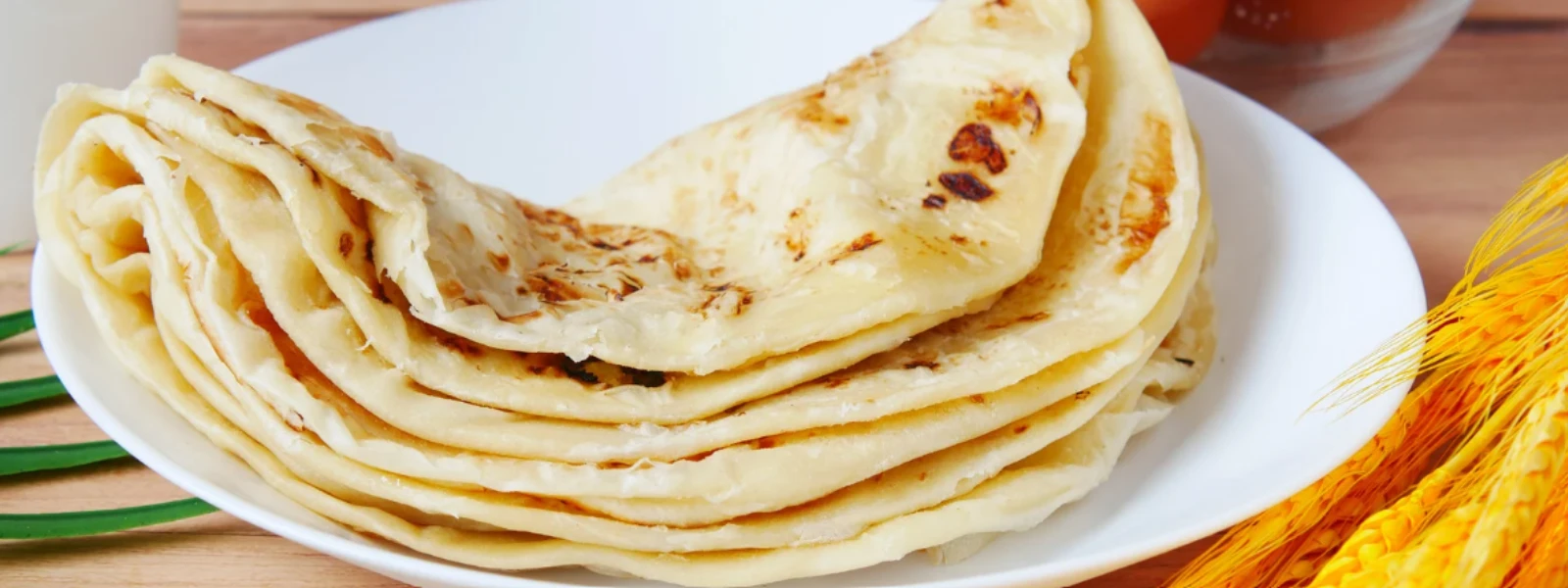
Parotta calories can range dramatically depending on size, preparation method, and ingredients used. A single piece typically contains between 118 to 350 calories, with restaurant versions generally packing more calories due to generous oil and ghee usage. Understanding these variations helps you make better choices when enjoying this popular flatbread.
A standard homemade maida parotta contains approximately 118-180 calories per piece, while restaurant-style versions can reach 250-350 calories due to increased fat content. When calculating calories in parotta for meal planning, consider that 2 maida parotta calories total around 236-700 calories, and 3 pieces can deliver 354-1050 calories depending on preparation style. Per 100 grams, parotta contains roughly 296 calories, making it a calorie-dense food option. The significant variation occurs because street vendors and restaurants often use more oil during cooking, while homemade versions allow better portion control.
Kerala and Malabar-style parottas typically contain 244-482 calories per piece due to their traditional preparation methods involving multiple oil layers. Restaurant-style versions consistently contain 40-60% more calories than homemade alternatives because commercial kitchens prioritize taste and texture over calorie control. The oil and ghee impact significantly affects the final calorie count, with each tablespoon of oil adding approximately 120 calories to the dish. This explains why restaurant parottas often taste richer but come with a substantial caloric cost.
Parotta nutrition extends beyond just calories, encompassing a complex macronutrient profile that impacts your body differently. The refined flour base provides quick energy but lacks essential nutrients found in whole grain alternatives. Understanding the complete nutritional picture helps you balance parotta consumption within a healthy diet framework.
Each parotta contains approximately 23-28 grams of carbohydrates, primarily from refined flour, which provides quick energy but minimal nutritional value. The parotta carbs consist mainly of simple starches that digest rapidly, causing blood sugar spikes. Parotta fat content varies significantly based on cooking method, ranging from 1.35 grams in oil-minimal versions to 18 grams in restaurant preparations. This fat primarily comes from cooking oils and ghee used during preparation and cooking processes. Protein content remains relatively modest at 4-8 grams per serving, insufficient to meet daily protein requirements. The refined flour base provides incomplete proteins, lacking several essential amino acids necessary for optimal health.
Parotta contains minimal vitamins and minerals due to the refining process that strips away nutrients from wheat. The maida base lacks fibre, B-vitamins, iron, and other micronutrients naturally present in whole grains. Compared to whole grain alternatives, parotta shows significant nutritional gaps, particularly in fibre content, which remains under 1 gram per serving. This low fibre content affects digestive health and satiety levels, often leading to overconsumption.
Understanding parotta ingredients reveals why this flatbread carries such a high caloric load. The traditional recipe relies heavily on refined flour and fats, creating the characteristic flaky texture that makes parotta irresistible. Each ingredient contributes differently to the overall nutritional profile and calorie content.
Maida (refined flour) serves as the primary component, contributing approximately 70-75% of total calories. This highly processed flour lacks fiber and essential nutrients, providing mainly empty calories that convert quickly to glucose in your bloodstream. Oil and ghee usage varies dramatically between preparations, with traditional methods requiring 2-4 tablespoons per parotta. Each tablespoon adds roughly 120 calories, explaining why restaurant versions often double homemade calorie counts. Salt, water, and optional additives like sugar or milk powder contribute minimally to calorie content but affect taste and texture significantly.
Wheat parotta offers a healthier alternative, containing 150-222 calories per piece compared to maida versions. The whole wheat flour provides additional fibre, protein, and micronutrients while maintaining similar taste profiles. Egg parotta variations add approximately 50-70 extra calories per piece but increase protein content significantly. Regional ingredient modifications, such as adding coconut oil in South Indian preparations, alter both flavor and nutritional composition.
The parotta glycemic index ranks high at over 70, classifying it as a high-glycemic food that rapidly elevates blood sugar levels. This characteristic makes parotta particularly concerning for individuals managing diabetes or insulin resistance. Understanding these metabolic effects helps you make informed decisions about timing and portion control.
Parotta ranks high on the glycemic scale due to its refined flour base, which breaks down quickly into glucose. This rapid conversion causes blood sugar levels to spike within 30-60 minutes of consumption, followed by a corresponding insulin response. The blood sugar response timeline shows peak levels occurring 1-2 hours post-consumption, making parotta unsuitable for diabetes management without careful portion control and timing considerations.
Insulin response patterns from regular parotta consumption can contribute to insulin resistance over time, particularly when consumed in large portions or frequently throughout the week. Weight management becomes challenging with regular parotta consumption due to its high calorie density and low satiety factor. The refined carbohydrates provide quick energy followed by crashes, often leading to increased hunger and overeating patterns.
The question "is parotta healthy" doesn't have a simple answer, as it depends on consumption frequency, portion sizes, and overall dietary context. While parotta offers some benefits as a quick energy source, the health concerns often outweigh advantages for most individuals. Balancing enjoyment with nutritional awareness becomes key to incorporating parotta responsibly.
Parotta serves as an excellent quick energy source for highly active individuals who need immediate carbohydrate replenishment. Athletes or manual laborers can utilize the rapid glucose conversion effectively during high-energy-demand periods. The cultural and social dining value of parotta shouldn't be underestimated, as shared meals contribute to mental well-being and social connections. Moderate consumption guidelines suggest limiting intake to 1-2 pieces per week for average adults.
High calorie density poses significant weight gain risks, with just two parottas potentially providing 25-35% of daily caloric needs for sedentary adults. This caloric load often leads to positive energy balance and gradual weight accumulation. Refined flour digestive impact includes reduced gut health due to lack of fibre, potentially contributing to constipation and altered gut microbiome composition. Cardiovascular considerations arise from high saturated fat content in restaurant preparations, potentially affecting cholesterol levels with regular consumption. Portion control recommendations suggest limiting parotta intake to special occasions or incorporating significant physical activity to offset the caloric impact.
Burning parotta calories requires substantial physical activity due to their high caloric density. Understanding the exercise requirements helps you make informed decisions about balancing indulgence with activity levels. The numbers might surprise you and motivate better portion control or increased physical activity.
To burn calories from 2 parottas, you'd need to walk for approximately 1 hour and 37 minutes at moderate pace. This significant time investment highlights why portion control often proves more practical than exercise compensation. Jogging for 28 minutes or bicycling for the same duration can offset 2 parotta calories effectively. Swimming requires approximately 39 minutes of continuous activity to burn equivalent calories, making it an excellent full-body option.
Pre-meal exercise strategies can help improve glucose uptake and reduce blood sugar spikes when consuming parotta. A 15-20 minute walk before eating helps prepare your muscles for glucose absorption. Post-meal exercise strategies prove equally important, with light walking for 10-15 minutes after eating helping moderate blood sugar responses. Weekly calorie budget integration allows occasional parotta enjoyment without derailing health goals.
One parotta contains 118-350 calories depending on size and preparation method. Homemade versions typically contain 118-180 calories, while restaurant-style parottas can reach 250-350 calories due to increased oil and ghee content.
To burn 500-700 calories from 2 parottas, you can jog for 28 minutes, bicycle for 28 minutes, swim for 39 minutes, or walk briskly for 1 hour and 37 minutes. High-intensity interval training can reduce this time significantly.
Parotta isn't ideal for weight loss due to its high calorie density and low fiber content. The refined flour base provides minimal satiety, often leading to overeating. Occasional consumption in small portions can fit into a balanced diet with adequate exercise.
Parotta typically contains more calories than paratha due to the layering technique and oil usage. Parotta ranges from 118-350 calories per piece, while paratha usually contains 120-250 calories depending on stuffing and preparation method.
Diabetics should limit parotta consumption due to its high glycemic index (70+). If consumed, pair with protein and fiber-rich foods, limit portion size to half a piece, and monitor blood sugar levels closely.
For average adults, limiting parotta consumption to 1-2 pieces per week minimizes health risks. Active individuals may tolerate slightly higher frequency, but regular consumption can contribute to weight gain and metabolic issues.
Wheat parotta (150-222 calories), roti (80-120 calories), or cauliflower-based flatbreads (60-90 calories) provide healthier alternatives. These options offer better fibre content and lower caloric density while maintaining similar satisfaction levels.
Restaurant parottas contain 40-60% more calories than homemade versions due to generous oil and ghee usage. Restaurant versions average 250-350 calories per piece, while homemade parottas typically contain 118-180 calories with better ingredient control.
Parotta calories range significantly from 118-350 per piece, making portion awareness crucial for health-conscious individuals. The refined flour base and high fat content create a calorie-dense food that requires substantial physical activity to offset. While parotta offers quick energy and cultural value, regular consumption poses risks for weight management and blood sugar control. Understanding the complete nutritional profile empowers you to enjoy parotta occasionally while maintaining overall health goals.


Someone sent you
Powered by ReferRush