


Paratha Calories: Your Complete Nutrition Guide

Get personalised recommendations with our assessment.
Personalised Health Diagnosis (PHD)
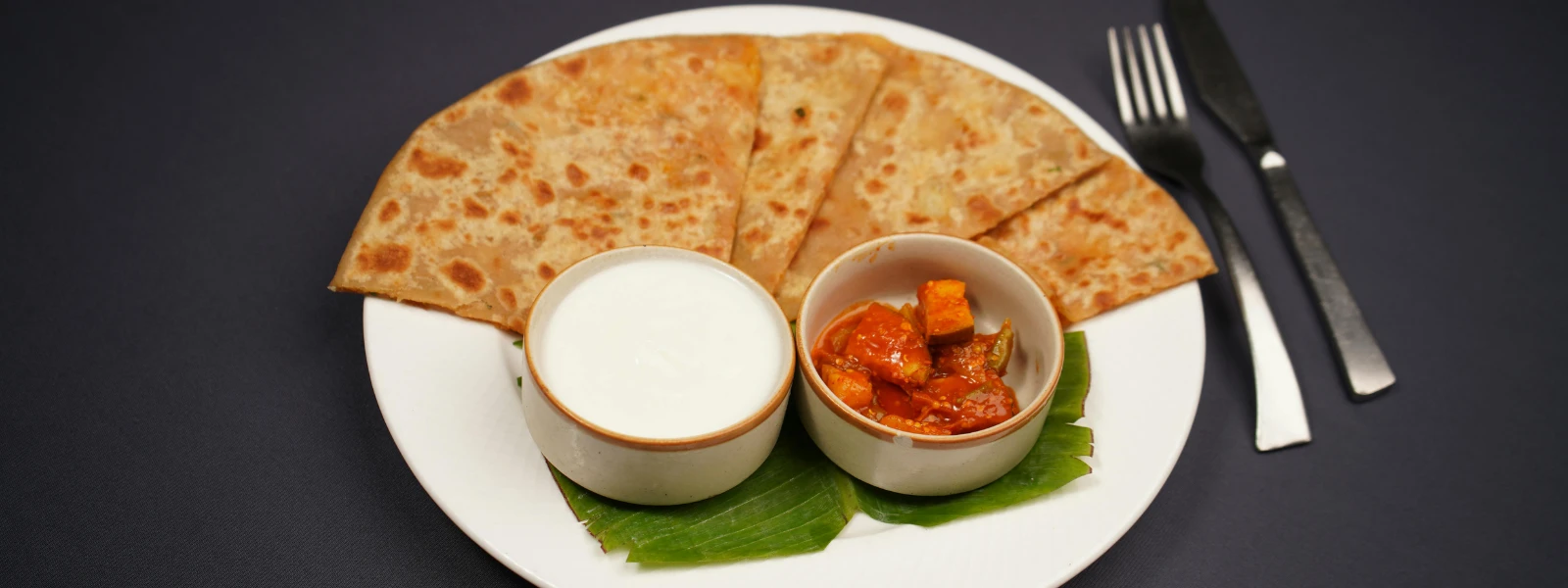
Paratha, the beloved Indian flatbread, has captured hearts and taste buds across the globe. But if you're health-conscious, you've probably wondered about the caloric impact of this crispy, flaky delight. The truth? Paratha calories can vary dramatically—from a modest 150 calories for a plain, oil-free version to over 300 calories for a generously stuffed, ghee-laden variety. Understanding these numbers isn't about restricting yourself; it's about making informed choices that align with your wellness goals. Whether you're tracking macros, managing weight, or simply curious about what fuels your body, this complete guide breaks down everything you need to know about paratha nutrition.
The caloric content of paratha isn't a one-size-fits-all number. Size, preparation method, and ingredients create a wide spectrum of possibilities. Let's break down the numbers so you can make choices that work for your lifestyle.
A small plain paratha weighing around 50 grams typically contains 120-150 calories. Medium-sized parathas (70 grams) clock in at 150-200 calories, while large ones (100 grams) can reach 200-250 calories. The cooking method dramatically impacts these numbers. Dry-roasted parathas stay on the lower end, while those cooked with generous amounts of ghee or oil can add an extra 80-120 calories per piece.
Stuffed parathas are where things get interesting—and calorie-dense. Aloo paratha (potato-stuffed) is the heavyweight champion at 250-300 calories per piece, thanks to the starchy potato filling and typical cooking methods. Paneer paratha offers 200-250 calories with added protein benefits. Mixed vegetable paratha provides around 213 calories, while methi or spinach varieties range from 180-250 calories. Gobi paratha (cauliflower) sits comfortably at 200-240 calories per piece.
Commercial and frozen parathas often pack more calories than homemade versions. Processing methods, preservatives, and standardized oil content typically push these varieties toward the higher end of the caloric spectrum. Always check nutrition labels, as brand variations can differ by 50-100 calories per serving.
Beyond calories, paratha offers a complex nutritional profile that deserves attention. Understanding these macronutrients helps you see how paratha fits into your overall nutrition strategy.
A medium paratha delivers 35-45 grams of carbohydrates, primarily from wheat flour. These complex carbs provide sustained energy, making paratha an excellent fuel source for active individuals. Fat content ranges from 8-15 grams, heavily influenced by cooking methods. Oil-free preparation keeps fat minimal, while traditional ghee-based cooking pushes numbers higher. Protein content sits at 6-10 grams per serving, with stuffed varieties often providing more. Fibre content ranges from 2-4 grams, with whole wheat versions offering superior fibre density.
Paratha provides valuable B-vitamins from wheat flour, supporting energy metabolism and nervous system function. Iron content aids oxygen transport, while calcium supports bone health. Stuffing ingredients amplify nutritional benefits—spinach adds folate and vitamin K, while paneer contributes additional protein and calcium. Whole wheat flour significantly outperforms refined flour in micronutrient density.
Understanding what drives caloric variation empowers you to make strategic choices. Three primary factors determine your paratha's final caloric impact.
Thickness variations create significant caloric differences. Restaurant parathas often weigh 20-30% more than homemade versions, translating to substantial caloric increases. A thick, restaurant-style paratha can easily exceed 300 calories before considering cooking fats.
Cooking fat represents the most dramatic caloric variable. Minimal oil application adds 40-60 calories, while generous ghee or butter can contribute 100-150 additional calories. Deep-frying versus shallow-frying creates even more dramatic differences, potentially doubling the final caloric content.
High-calorie stuffings like cheese, paneer, and meat significantly increase caloric density. Low-calorie options such as spinach, fenugreek, and radish keep numbers manageable while adding nutritional value. Portion control for stuffing ingredients becomes crucial for calorie-conscious individuals.
The health value of paratha extends beyond simple calorie counting. Context, preparation, and individual goals determine whether paratha supports or hinders your wellness journey.
High fiber content aids digestion, especially in whole wheat varieties. Complex carbohydrates provide sustained energy without dramatic blood sugar spikes. Protein content supports muscle maintenance and satiety. Paratha's versatility allows easy incorporation of vegetables, boosting micronutrient intake. The combination of carbs, protein, and fat creates balanced macronutrient profiles.
High calorie density can challenge weight management goals if portions aren't controlled. Refined flour versions lack the nutritional benefits of whole grain alternatives. Store-bought varieties often contain excessive sodium and potential trans fats. Traditional preparation methods using large amounts of saturated fats may not align with heart-healthy eating patterns.
Smart modifications can dramatically reduce paratha calories while maintaining flavor and satisfaction. These strategies prove you don't need to eliminate favorites to achieve health goals.
Dry roasting technique reduces calories by 50-80 compared to traditional methods. Using non-stick pans eliminates oil necessity while maintaining texture. Thin preparation maximizes surface area while minimizing caloric density. Rolling techniques that create flaky layers without added fats preserve traditional textures.
High-fiber vegetable combinations like grated carrots, cabbage, and bell peppers add volume without excessive calories. Protein-rich options such as mashed lentils or egg whites boost satiety. Portion-controlled stuffing ratios—using more vegetables and less calorie-dense ingredients—optimize nutrition.
Multi-grain paratha using ragi, jowar, and besan blends increases protein and fiber while reducing simple carbohydrates. These alternative flours often provide superior micronutrient profiles compared to refined wheat. Calorie comparisons typically favor these nutrient-dense alternatives.
Paratha can absolutely fit into weight loss plans with proper strategy and portion awareness. The key lies in understanding how to balance enjoyment with caloric goals.
Portion control guidelines suggest one medium paratha equals 200-250 calories—easily manageable within most weight loss calorie targets. Timing considerations favor paratha consumption during more active periods when carbohydrate utilization peaks. Balancing paratha with protein-rich accompaniments and vegetables creates satisfying, nutritionally complete meals.
Walking for 45-60 minutes burns one medium paratha's calories. Cycling at moderate intensity requires 25-35 minutes. Strength training sessions lasting 20-30 minutes effectively utilize paratha's carbohydrate energy. Individual metabolism factors significantly affect these timeframes, making personal tracking valuable.
Calories range from 150-300 depending on size, stuffing, and cooking method. Plain, medium-sized parathas typically contain 180-220 calories, while stuffed varieties can reach 250-300 calories.
Three plain parathas total 450-600 calories. Whether this fits your needs depends on your daily caloric requirements, activity level, and other meal choices throughout the day.
Whole wheat parathas provide 2-4 grams of fibre per serving. While not exceptionally high, this contributes meaningfully to daily fibre intake, especially when combined with vegetable stuffings.
Paratha typically contains 50-100 more calories than roti due to cooking fats and often larger size. Roti averages 80-120 calories, while paratha ranges from 150-300 calories.
Daily paratha consumption can work for weight loss if portions are controlled and total daily calories remain within targets. Focus on preparation methods that minimize added fats.
Dry roasting or using minimal oil in non-stick pans creates the healthiest preparation. This method reduces calories while preserving flavor and texture.
Paratha calories span a wide range, making informed choices crucial for health-conscious individuals. Understanding that preparation methods, size, and ingredients dramatically impact caloric content empowers better decision-making. The good news? Paratha doesn't need elimination from healthy eating plans—it needs smart integration. Focus on portion control, cooking methods that minimize added fats, and nutrient-dense stuffing options. Remember, sustainable nutrition isn't about perfection; it's about making choices that support your long-term wellness goals while maintaining food enjoyment.


Someone sent you
Powered by ReferRush