


Melatonin for Jet Lag: Everything You Need to Know

Get personalised recommendations with our assessment.
Personalised Health Diagnosis (PHD)
Jet lag hits different when you're crossing multiple time zones. Your body's internal clock gets thrown off, leaving you exhausted during the day and wide awake at 3 AM. While there are countless remedies floating around, melatonin has emerged as one of the most researched solutions. But does melatonin actually work for jet lag, or is it just another travel myth? Let's dive into the science and separate fact from fiction.
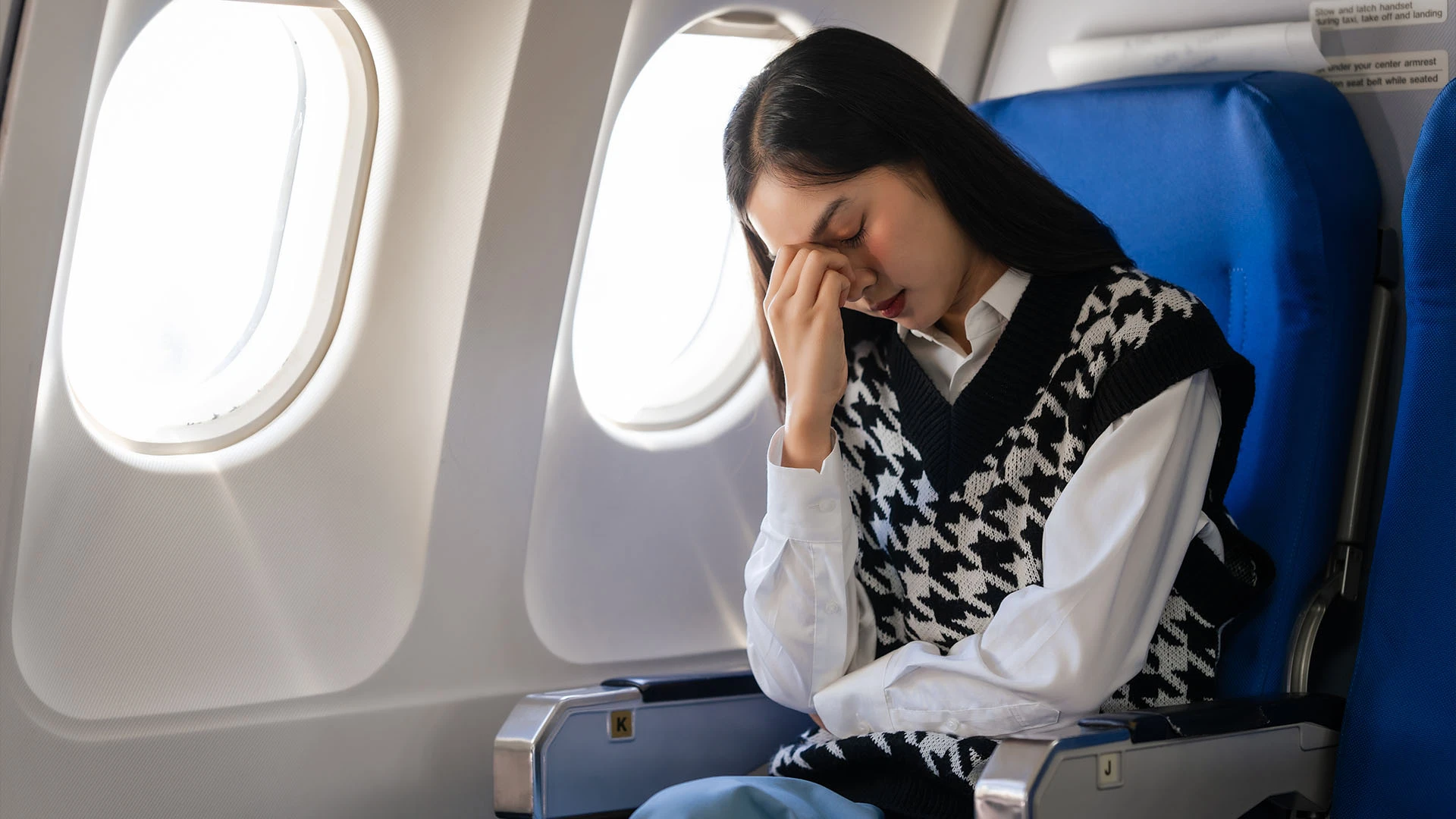
Jet lag isn't just feeling tired after a long flight. It's a legitimate circadian rhythm disorder that occurs when you rapidly cross multiple time zones. Your body's internal clock, which regulates sleep-wake cycles, gets completely out of sync with your new environment. The jet lag symptoms go beyond just fatigue. You might experience insomnia, digestive issues, mood swings, difficulty concentrating, and even headaches. These symptoms happen because your circadian rhythm is still operating on your home time zone while your body is somewhere completely different.
Traveling east typically causes more severe jet lag than going west. When you fly east, you're essentially shortening your day, which is harder for your body to adjust to than lengthening it. Your circadian rhythm naturally runs slightly longer than 24 hours, so extending your day feels more natural.
Not everyone experiences jet lag the same way. Age plays a role - older adults often struggle more with adjustment. The number of time zones crossed matters too. Generally, crossing three or more time zones triggers noticeable symptoms.
Melatonin is often called the "sleep hormone," but it's actually much more than that. It's a powerful regulator of your circadian rhythm, produced naturally by your pineal gland in response to darkness. When the sun goes down, melatonin levels rise, signaling to your body that it's time to wind down. Light exposure directly affects melatonin production. Bright light, especially blue light, suppresses melatonin release. This is why staring at screens before bed can mess with your sleep, and why airplane cabin lighting can throw off your internal clock during travel.
When you travel across time zones, your melatonin production schedule doesn't immediately adjust. Your body might be releasing melatonin at what's now midday in your new location, while failing to produce it when you actually need to sleep.
The short answer is yes - but with important caveats. Multiple clinical studies have shown that melatonin jet lag treatment can be effective, but it's not a magic bullet for everyone. A comprehensive review of research found that melatonin can reduce jet lag symptoms by about 50% when used correctly. The key phrase here is "when used correctly." Timing and dosage matter significantly for effectiveness.
Most research shows melatonin works best for eastward travel across five or more time zones. The benefits are less clear for shorter flights or westward travel. Individual response varies considerably - some people see dramatic improvements while others notice minimal effects.
Melatonin isn't equally effective for all jet lag symptoms. It tends to work better for sleep-related issues than for daytime fatigue or digestive problems. The research also shows diminishing returns - taking more doesn't necessarily mean better results.
Getting the melatonin dosage protocol right is crucial. Most research suggests 0.5 to 3 milligrams is the sweet spot. Higher doses don't improve effectiveness and may actually cause more side effects like grogginess. Timing is everything with melatonin. For eastward travel, start taking melatonin at your destination's bedtime for a few days before you travel. For westward travel, the protocol is different - you typically start after arrival.
For flights crossing more than five time zones eastward, begin taking melatonin 3-4 days before departure. Take it at what will be your new bedtime. This helps start shifting your circadian rhythm before you even leave.
Melatonin is generally safe for short-term use, but it can interact with certain medications. Blood thinners, diabetes medications, and immunosuppressants can all have interactions. Always check with a healthcare provider if you're taking other medications.
Successful jet lag prevention with melatonin requires more than just popping a pill. It's about coordinating melatonin with light exposure and sleep scheduling for maximum impact. Start by calculating your destination's bedtime and work backward. If you're flying from New York to London (5-hour difference), and you normally sleep at 11 PM, you'd want to start taking melatonin at 6 PM New York time a few days before travel.
Combine melatonin with strategic light exposure. Seek bright light in the morning at your destination and avoid it in the evening when you've taken melatonin. This one-two punch helps reset your circadian rhythm faster.
Taking melatonin at the wrong time can actually worsen jet lag. Don't take it during daytime hours at your destination, even if you feel tired. This can further confuse your circadian rhythm and prolong adjustment time.
When it comes to jet lag remedies, melatonin isn't your only option. Light therapy, prescription sleep aids, and lifestyle adjustments all have their place in fighting travel fatigue. Light therapy can be as effective as melatonin, especially for westward travel. Strategic light exposure helps shift your circadian rhythm naturally. The downside? It requires more planning and consistency than taking a supplement.
Prescription sleep aids like zolpidem can help you sleep on the plane or at your destination, but they don't actually help reset your circadian rhythm. They're more of a band-aid solution compared to melatonin's rhythm-regulating effects.
The most effective approach often combines multiple strategies. Melatonin plus strategic light exposure plus proper hydration and meal timing can significantly reduce jet lag severity. It's about working with your body's natural systems, not against them.
Answer: Melatonin typically starts working within 30-60 minutes of taking it. However, for jet lag specifically, you might not notice the full circadian rhythm benefits until you've been following the protocol for 2-3 days.
Answer: Melatonin doesn't cause physical dependence like some sleep medications. However, some people develop a psychological reliance on it. For jet lag, you're typically only using it for a few days to a week, which minimizes any dependency concerns.
Answer: Common side effects include morning grogginess, headaches, and vivid dreams. These are usually mild and temporary. Taking the lowest effective dose helps minimize side effects.
Answer: Melatonin use in children for jet lag should always be discussed with a pediatrician first. Children's circadian rhythms develop differently, and dosing requirements are much different than adults.
Answer: Melatonin can interact with various medications including blood thinners and diabetes drugs. Always consult with a healthcare provider before combining melatonin with other medications, especially if you're taking them regularly.
Answer: Regular-release tablets or capsules work best for jet lag. Extended-release formulations are designed for ongoing sleep issues, not the short-term circadian rhythm reset needed for travel.
Melatonin can be an effective tool for managing jet lag, but it's not a one-size-fits-all solution. The research shows clear benefits when used correctly - proper timing and dosage are crucial for success. Remember that melatonin works best as part of a comprehensive approach to jet lag prevention. Combine it with strategic light exposure, proper hydration, and smart sleep scheduling for maximum effectiveness. And always consider your individual health situation and medications before starting any new supplement regimen. The bottom line? Melatonin can definitely help with jet lag, but like most things in health and wellness, the devil is in the details. Get the protocol right, and you'll likely find your next international trip much more enjoyable.


Someone sent you
Powered by ReferRush