


Is Upma Healthy? Nutrition Facts Revealed

Get personalised recommendations with our assessment.
Personalised Health Diagnosis (PHD)
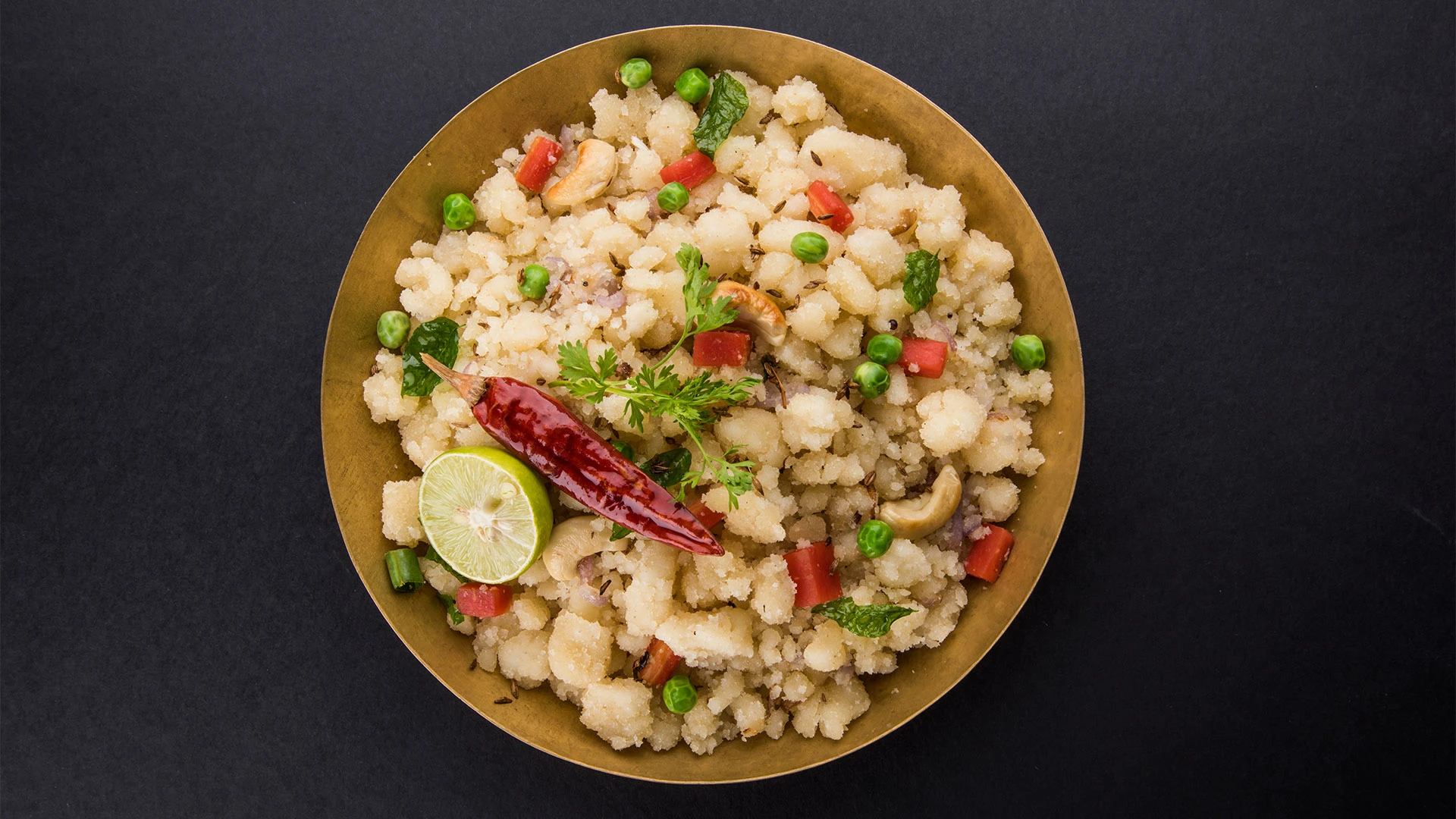
Upma sits on millions of breakfast tables across India, yet the question lingers: is this beloved semolina dish actually healthy? With rising health consciousness and conflicting nutrition advice flooding social media, it's time to cut through the noise. Let's dive deep into upma's nutritional profile, examine its real health benefits, and uncover whether this comfort food deserves a spot in your optimized nutrition plan. Spoiler alert: the answer isn't as straightforward as you might think.
Yes, upma can be healthy when prepared thoughtfully. The foundation lies in semolina (rava or sooji), which provides complex carbohydrates that release energy slowly compared to refined sugars. This steady energy release helps maintain stable blood sugar levels throughout the morning. Semolina contains essential B vitamins, particularly folate and thiamine, which support nervous system function and energy metabolism. The grain also provides iron, crucial for oxygen transport in your blood, and selenium, a powerful antioxidant that protects cells from damage.
Unlike simple carbs that spike blood sugar rapidly, upma's complex carbohydrates provide sustained energy. This makes it superior to sugary cereals or white bread for breakfast. The fibre content, though moderate, aids digestion and promotes satiety.
Semolina delivers magnesium for muscle function, phosphorus for bone health, and zinc for immune support. When you add vegetables like carrots, peas, and curry leaves, you're boosting the vitamin and mineral content significantly.
A standard 100-gram serving of homemade upma contains approximately 150-200 calories, depending on preparation method. The macronutrient distribution typically includes 25-30 grams of carbohydrates, 4-6 grams of protein, and 3-8 grams of fat. The calorie content varies dramatically based on oil or ghee usage. Traditional recipes often use 2-3 tablespoons of fat, pushing calories up to 250 per serving. However, you can reduce this to under 150 calories with mindful preparation techniques.
Instant upma mixes contain preservatives, artificial flavors, and excessive sodium. A single packet can deliver 800-1000mg of sodium, nearly half your daily requirement. Homemade versions allow complete control over salt and fat content.
Upma provides moderate calorie density at 1.5-2 calories per gram. This sits between high-density foods like nuts (5-6 cal/g) and low-density options like vegetables (0.2-0.5 cal/g). This balance supports satiety without excessive calorie intake.
Upma's moderate glycemic index of 55-65 makes it a reasonable choice for blood sugar management. The fibre content slows glucose absorption, preventing sharp insulin spikes that can trigger fat storage. The combination of complex carbs and moderate protein helps maintain steady energy levels, reducing mid-morning cravings that often derail weight loss efforts. This satiety factor is crucial for portion control throughout the day.
Upma can support weight loss when portion-controlled and prepared with minimal oil. The key lies in its satiety index - it keeps you full longer than many breakfast alternatives. Studies show that meals with moderate fiber and protein content reduce subsequent calorie intake by 10-15%. The thermic effect of food (energy required for digestion) is higher for upma compared to processed cereals, meaning you burn more calories processing this whole grain option.
Diabetics can include upma in their meal plans with proper portion control. A 150-gram serving provides manageable carbohydrate content when balanced with protein and healthy fats. Adding nuts, seeds, or a side of yogurt can further moderate blood sugar response. The fibre in semolina helps slow glucose absorption, making upma preferable to white rice or refined bread for diabetic individuals.
Compared to poha, upma provides similar calories but higher protein content. Poha offers more iron due to processing methods, while upma delivers superior B-vitamin content. Both are healthier than sugary cereals or pastries. Against white rice, upma wins on fibre content and glycemic response. Rice provides quick energy but lacks the sustained release that semolina offers. For weight management, upma's higher satiety factor gives it an edge.
Most commercial breakfast cereals contain added sugars, artificial colors, and preservatives. Upma, when homemade, avoids these additives while providing whole grain nutrition. The vegetable additions in upma boost micronutrient density significantly.
Upma isn't perfect. Refined semolina lacks the complete nutrition of whole grains, having lost some fibre and nutrients during processing. This can lead to faster blood sugar rises compared to truly whole grain options like oats or quinoa. Traditional preparation methods often involve excessive oil or ghee, pushing calorie content too high for weight management goals. The soft texture can also lead to rapid eating and potential overconsumption before satiety signals kick in.
Instant upma varieties contain concerning sodium levels and artificial additives. Regular consumption of these processed versions can contribute to hypertension and other health issues. The lack of vegetables in instant versions also reduces overall nutritional value.
Transform upma into a nutritional powerhouse by incorporating vegetables like bell peppers, spinach, and tomatoes. These additions boost vitamin C, folate, and antioxidants while adding volume without significant calories. Replace some semolina with oats or add protein through nuts, seeds, or a side of Greek yogurt. This modification improves the amino acid profile and enhances satiety. Using minimal oil and maximizing spice content adds flavor without excess calories.
Dry roast semolina before cooking to enhance nutty flavor without added fats. Use vegetable broth instead of water for cooking to boost mineral content. Steam vegetables separately and fold them in at the end to preserve heat-sensitive vitamins.
Limit serving size to 150-200 grams to manage calorie intake. Eating upma as breakfast provides sustained energy for morning activities. Avoid evening consumption if weight loss is your goal, as the carbohydrate content may not align with lower evening activity levels.
Answer: Upma is moderately healthy when prepared with minimal oil and plenty of vegetables. It provides complex carbohydrates, B vitamins, and moderate fibre. However, it's not as nutrient-dense as whole grain alternatives like oats or quinoa.
Answer: Upma contains moderate protein at 4-6 grams per serving. While not high-protein like eggs or Greek yogurt, it provides more protein than most grain-based breakfast options. Adding nuts or seeds can boost protein content significantly.
Answer: Daily upma consumption is acceptable if you vary the vegetable additions and control portion sizes. However, rotating between different whole grain breakfast options provides broader nutritional benefits and prevents dietary monotony.
Answer: Both upma and poha offer similar health benefits. Upma provides slightly more protein and B vitamins, while poha offers higher iron content. The choice depends on preparation method and personal dietary needs.
Answer: Limit upma to 150-200 grams per serving for weight loss. Prepare with minimal oil, load with vegetables, and pair with protein sources. This portion provides 150-200 calories while maintaining satiety.
Answer: Upma works for dinner if you're active in the evening. However, the carbohydrate content may not align with lower nighttime activity levels. Consider lighter options or reduce portion size for evening consumption.
Upma earns its place as a reasonably healthy breakfast option when prepared mindfully. The key lies in preparation technique, portion control, and ingredient quality. While not a superfood, upma provides steady energy, essential nutrients, and satisfying comfort. The real magic happens when you optimize the recipe - minimize oil, maximize vegetables, and consider protein additions. This transforms a simple grain dish into a balanced meal that supports your health goals without sacrificing taste or cultural connection. Remember, no single food determines your health outcome. Upma can be part of a diverse, plant-powered nutrition plan that fuels your daily vitality. Focus on overall dietary patterns rather than obsessing over individual food choices.


Someone sent you
Powered by ReferRush