


Is Pani Puri Healthy? Nutrition Facts Revealed

Get personalised recommendations with our assessment.
Personalised Health Diagnosis (PHD)
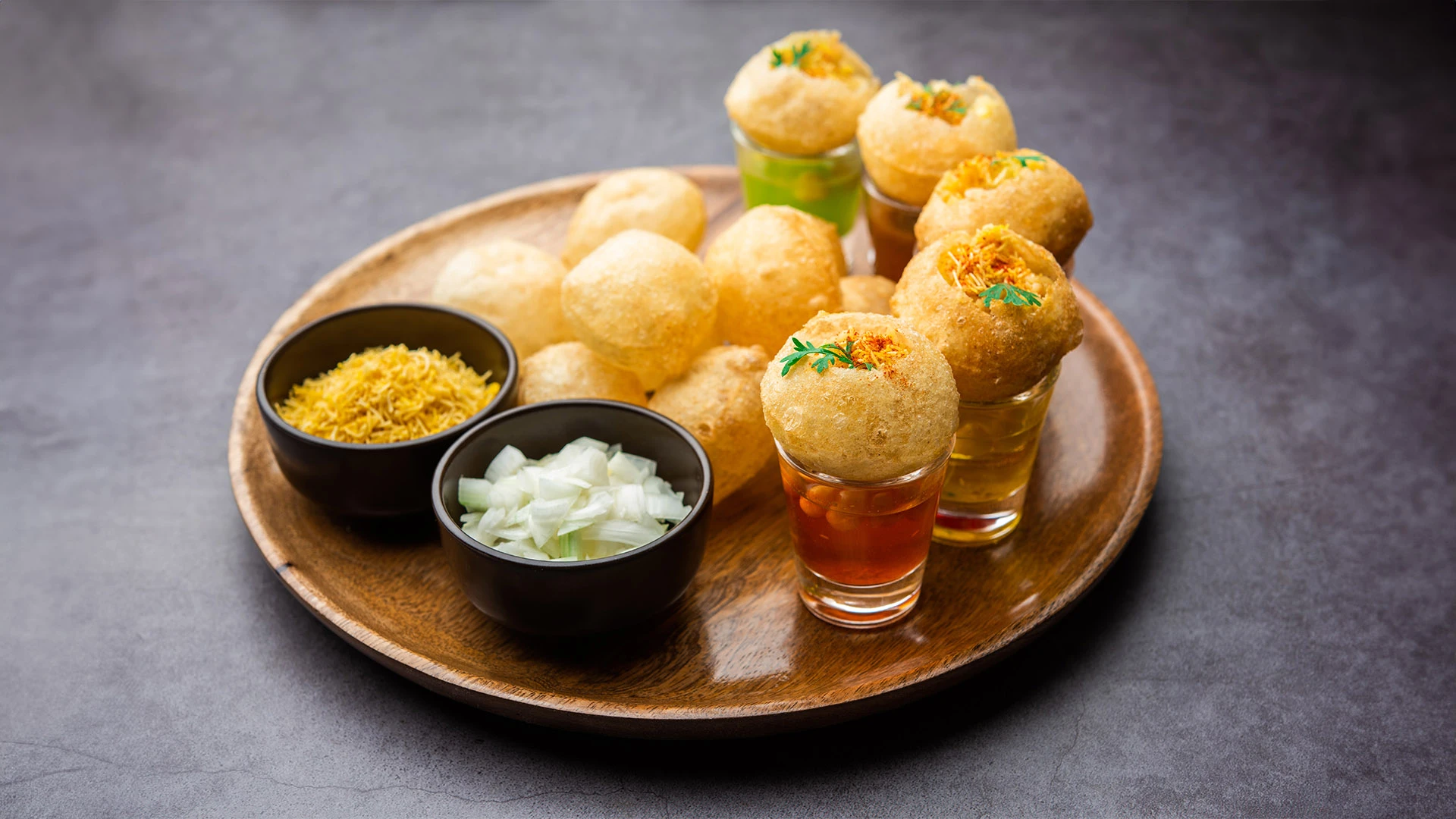
That crispy puri bursting with tangy water, the explosion of flavors, the satisfying crunch—pani puri isn't just street food, it's an emotion. But as health consciousness rises, millions find themselves asking: is pani puri healthy? The answer isn't black and white. While traditional street-style pani puri comes with legitimate health concerns, understanding pani puri nutrition reveals both risks and surprising benefits. The key lies in how it's prepared, what ingredients are used, and how often you indulge. Let's break down the science behind this beloved snack and discover when pani puri can actually support your wellness goals.
Before we judge whether pani puri deserves a spot in your healthy eating plan, let's examine the hard numbers. Understanding pani puri calories and nutritional content helps separate fact from fiction. A single pani puri contains approximately 36 calories, making a typical 5-piece serving around 180 calories. This puts it in the low calorie Indian food category when consumed in moderation. Each piece delivers about 4 grams of carbohydrates, 2 grams of fat, and minimal protein—unless you're loading up on protein-rich fillings like sprouted chickpeas.
What many don't realize is that pani puri ingredients can pack surprising nutritional value. The spiced water typically contains cumin, coriander, mint, and tamarind—each bringing unique health benefits. Cumin aids digestion and may boost metabolism. Fresh mint provides antioxidants and supports digestive health. Tamarind offers vitamin C and beneficial plant compounds.
When prepared with nutrient-dense fillings, pani puri delivers essential minerals including magnesium, manganese, potassium, folate, and zinc. The chickpea filling provides B-vitamins, while fresh herbs contribute vitamins A and C. This micronutrient density is why some nutritionists don't completely dismiss pani puri—the devil's in the preparation details.
Here's where things get complicated. The street food nutrition facts paint a different picture than homemade versions. Street vendors often use shortcuts that compromise nutritional value and safety. Deep-fried puris made from refined flour (maida) lack fibre and essential nutrients. Worse, many vendors reuse oil multiple times, creating harmful compounds that increase inflammation and oxidative stress. The hygiene standards vary wildly, with contaminated water being a real concern for digestive health.
Reused cooking oil develops trans fats and rancid compounds that your body struggles to process. These damaged fats can trigger inflammation and may contribute to cardiovascular issues over time. Street vendors rarely change oil frequently enough to maintain food safety standards.
Street-style pani puri often contains excessive sodium from processed chutneys and flavor enhancers. A single serving can deliver 400-600mg of sodium—nearly a quarter of your daily recommended intake. This becomes problematic for blood pressure management and overall cardiovascular health.
Can pani puri support weight loss goals? The answer depends entirely on preparation methods and portion control. When made correctly, pani puri can actually function as a satisfying, low calorie Indian food option. The high water content helps with satiety, while spices like cumin and coriander may boost metabolism slightly. The fibre from chickpeas and sprouts supports digestive health and helps maintain stable blood sugar levels. However, these benefits only apply to thoughtfully prepared versions.
Pani puri's individual serving size naturally encourages portion awareness. Unlike other snacks that come in large packages, pani puri forces you to count pieces, making mindful eating easier. This built-in portion control can support weight management when you stick to reasonable serving sizes.
The spice blend in pani puri water isn't just for flavor—it may offer metabolic advantages. Cumin has been studied for its potential to support healthy weight management, while black pepper contains piperine, which may enhance nutrient absorption and metabolism.
Despite its reputation, pani puri can deliver legitimate benefits of pani puri when prepared with quality ingredients and proper techniques. The key is understanding which elements contribute to wellness and which detract from it. The digestive spices traditionally used in pani puri water have been valued in Ayurvedic medicine for centuries. Cumin, coriander, and mint work synergistically to support healthy digestion and may help reduce bloating after meals.
The flavored water component provides hydration while delivering beneficial compounds from herbs and spices. This makes pani puri unique among snacks—it's one of the few that contributes to your daily fluid intake while providing nutrients.
Traditional pani puri recipes sometimes include fermented elements like sprouted legumes, which can support gut health. The combination of fibre from chickpeas and beneficial compounds from spices creates an environment that supports healthy gut bacteria.
Transforming pani puri into a genuinely healthy Indian snacks option requires strategic ingredient swaps and preparation methods. These modifications preserve the authentic taste while boosting nutritional value. Replace refined flour with whole wheat or multigrain flour for the puris. This simple swap adds fibre, B-vitamins, and minerals while reducing the glycemic impact. Air-frying or baking puris instead of deep-frying eliminates excess oil while maintaining the satisfying crunch.
Maximize the protein content by loading puris with sprouted moong beans, chickpeas, or even cottage cheese. These additions transform pani puri from a simple snack into a more balanced mini-meal that supports muscle health and satiety.
Prepare the flavored water fresh using filtered water, fresh herbs, and quality spices. Avoid artificial flavors and excessive salt. Consider adding a pinch of rock salt instead of regular table salt for additional minerals.
Answer: Daily consumption of traditional street-style golgappa isn't recommended due to high oil content, sodium levels, and potential hygiene issues. However, homemade versions prepared with whole grain flour, minimal oil, and fresh ingredients can be enjoyed 2-3 times per week as part of a balanced diet.
Answer: One pani puri contains approximately 36 calories, making a standard 5-piece serving around 180 calories. This relatively low calorie count makes it a reasonable snack option when prepared healthily and consumed in moderation.
Answer: Diabetics can enjoy modified pani puri made with whole wheat flour, protein-rich fillings like sprouts, and minimal sweet chutneys. The key is controlling portion sizes and monitoring blood sugar response, especially when including carbohydrate-rich elements.
Answer: Homemade preparation allows complete control over oil quality, ingredient freshness, hygiene standards, and nutritional modifications. You can use whole grain flours, fresh oils, clean water, and nutrient-dense fillings while avoiding artificial additives and excessive sodium.
Answer: When prepared with minimal oil, whole grain flour, and fiber-rich fillings, pani puri can support weight management. The high water content promotes satiety, while spices may offer slight metabolic benefits. However, portion control remains essential.
Answer: Street-style pani puri poses risks including foodborne illness from contaminated water, excessive sodium intake, and consumption of rancid oils. These risks are significantly reduced with proper home preparation using quality ingredients and clean preparation methods.
The question "is pani puri healthy" doesn't have a simple yes or no answer. Traditional street-style preparation often compromises nutritional value and safety, while thoughtfully prepared homemade versions can actually contribute to a healthy eating pattern. The secret lies in ingredient quality, preparation methods, and portion awareness. When you control these variables—using whole grain flour, fresh oils, clean water, and nutrient-dense fillings—pani puri transforms from guilty pleasure to legitimate daily vitality snacks option. Remember that even healthy versions should be enjoyed in moderation as part of a balanced diet. The goal isn't to make pani puri a dietary staple, but to enjoy this beloved snack without compromising your health goals. With smart modifications and mindful consumption, you can have your pani puri and eat it too—guilt-free and nutritiously.


Someone sent you
Powered by ReferRush