


Are Idlis Really Healthy?

Get personalised recommendations with our assessment.
Personalised Health Diagnosis (PHD)
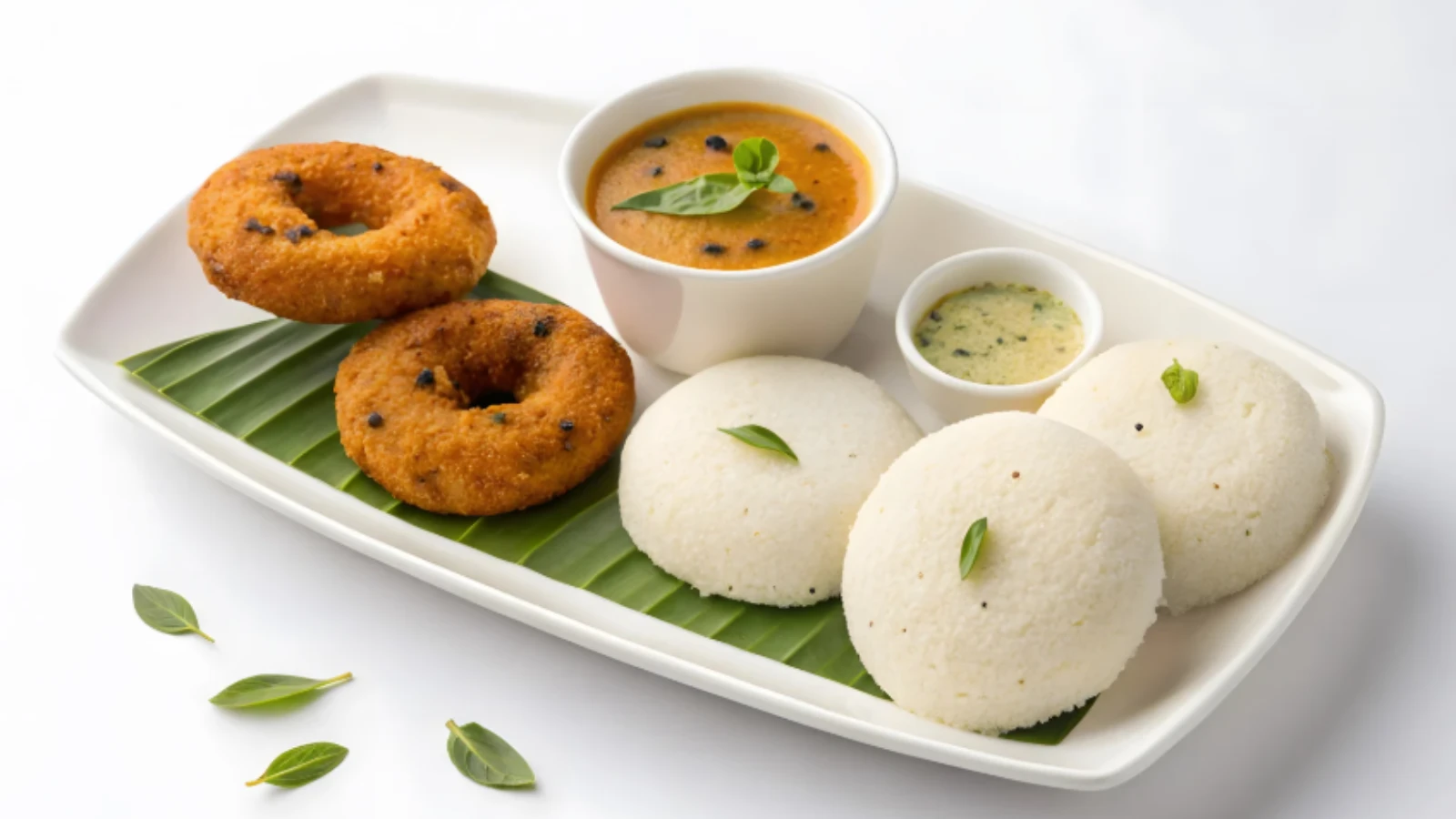
That fluffy, white steamed cake sitting on your breakfast plate might look innocent, but idli packs a serious nutritional punch that's been fueling South Indians for centuries. While the wellness world obsesses over exotic superfoods, this humble fermented delight has been quietly delivering plant-powered nutrition without the marketing hype. The question isn't whether idli deserves a spot on your plate—it's why more people haven't discovered its remarkable health benefits. Let's dive deep into the science behind this traditional powerhouse and uncover why nutritionists are finally giving idli the recognition it deserves.
Idli stands as one of the most nutritionally optimized breakfast options available, combining the benefits of fermentation, plant-based protein, and clean preparation methods. Each serving delivers a balanced macronutrient profile with approximately 40-65 calories per piece, making it an ideal choice for those seeking sustained energy without the crash. What sets idli apart from typical breakfast foods is its unique fermentation process. This natural transformation not only enhances digestibility but also creates beneficial probiotics that support gut health. Unlike processed breakfast cereals or refined bread products, idli maintains its whole food integrity while offering superior bioavailability of nutrients. The steaming preparation method eliminates the need for added oils, keeping the calorie density low while preserving essential vitamins and minerals.
Understanding idli's nutritional profile reveals why this South Indian staple has sustained populations for generations. The combination of rice and urad dal creates a synergistic effect that maximizes nutrient absorption and provides sustained energy release.
A single medium-sized idli contains approximately 50-60 calories, making it one of the most calorie-efficient breakfast options available. The macronutrient breakdown shows 82% carbohydrates, 15% protein, and just 3% fat. This profile provides quick energy from easily digestible carbohydrates while offering plant-based protein for muscle maintenance and satiety.
Idli's glycemic index falls in the moderate range (60-70), significantly lower than many processed breakfast alternatives. The fermentation process breaks down complex starches, creating a more gradual blood sugar response. This makes idli particularly beneficial for maintaining steady energy levels throughout the morning without the typical mid-morning energy crash.
The health advantages of idli extend far beyond basic nutrition, offering specific benefits that align with modern wellness goals. From digestive support to weight management, idli delivers targeted health outcomes through its unique preparation and ingredient profile.
The 8-12 hour fermentation process transforms idli batter into a probiotic-rich food that actively supports gut health. Natural fermentation creates beneficial bacteria that aid digestion and enhance nutrient absorption. This process also pre-digests proteins and starches, making idli exceptionally easy on the digestive system.
Idli's oil-free preparation method and naturally low sodium content make it an excellent choice for cardiovascular health. The absence of saturated fats and the presence of plant-based proteins contribute to healthy cholesterol levels and reduced inflammation markers.
With its low calorie density and high satiety factor, idli naturally supports portion control and weight management goals. The combination of protein and complex carbohydrates provides lasting fullness, reducing the likelihood of mid-morning snacking on less healthy options.
Made entirely from rice and lentils, idli provides a safe, nutritious option for those with celiac disease or gluten sensitivity. This makes it an inclusive breakfast choice that doesn't compromise on taste or nutritional value.
The rice-lentil combination creates a complete amino acid profile, particularly when paired with sambar. This balanced protein source supports muscle maintenance and provides sustained energy for morning activities.
Fermentation enhances the bioavailability of minerals like magnesium, selenium, and B-vitamins. These nutrients support energy metabolism, immune function, and overall cellular health.
The moderate glycemic response and fiber content help maintain stable blood sugar levels, making idli suitable for those managing diabetes or seeking to avoid energy spikes and crashes.
Idli's role in weight management extends beyond simple calorie counting. The combination of low energy density, high satiety, and balanced macronutrients creates an optimal environment for sustainable weight loss. Research shows that foods with high water content and moderate protein levels, like idli, promote feelings of fullness while delivering fewer calories per serving. The steaming preparation method preserves the food's natural water content, contributing to its filling properties without adding empty calories. Additionally, the complex carbohydrates provide sustained energy that reduces cravings for high-calorie snacks between meals. For optimal weight loss results, consuming 2-3 idlis with protein-rich sambar creates a complete meal that supports metabolic health while maintaining caloric control.
Idli's versatility makes it suitable for various dietary requirements and health conditions. Its gentle nature and balanced nutrition profile accommodate different life stages and health goals effectively.
Diabetics can safely include idli in their meal plans with proper portion control and strategic pairing. The moderate glycemic index, combined with the protein from sambar and the fibre from vegetables, helps manage blood sugar spikes. Limiting portions to 2-3 idlis and focusing on protein-rich accompaniments optimizes blood sugar control.
Idli's easy digestibility and balanced nutrition make it ideal for pregnant women experiencing morning sickness and growing children who need sustained energy. The folate content supports fetal development, while the gentle preparation method ensures food safety.
The quick-digesting carbohydrates in idli provide excellent pre-workout fuel, while the protein content supports post-exercise recovery. Athletes can optimize timing by consuming idli 1-2 hours before training for sustained energy without digestive discomfort.
While idli offers numerous health benefits, understanding its limitations ensures optimal use in a balanced diet. Awareness of potential drawbacks helps maximize benefits while avoiding common pitfalls.
Individuals following very low-carbohydrate diets may need to limit idli consumption due to its carbohydrate content. Additionally, those with specific digestive conditions affecting fermented foods should consult healthcare providers before regular consumption.
Overconsumption without adequate protein pairing can lead to blood sugar fluctuations. Eating stale idli poses food safety risks, while ignoring the nutritional quality of accompaniments can diminish overall meal benefits.
Enhancing idli's already impressive nutritional profile requires strategic modifications and thoughtful preparation techniques. These evidence-based approaches maximize health benefits while maintaining authentic flavors.
Incorporating millets like ragi or quinoa into the batter increases protein content and adds essential minerals. Adding finely grated vegetables like carrots or spinach boosts vitamin content without compromising texture.
Combining idli with protein-rich sambar creates a complete amino acid profile while adding vegetables increases fibre and micronutrient density. Coconut chutney provides healthy fats that enhance nutrient absorption.
Proper fermentation at optimal temperatures (80-90°F) maximizes probiotic development. Using filtered water and maintaining hygiene during preparation ensures food safety while preserving beneficial bacteria.
Answer: Yes, daily idli consumption can be part of a healthy diet when balanced with other nutritious foods. The key is maintaining portion control (2-3 idlis per serving) and ensuring adequate protein through accompaniments like sambar. Daily consumption provides consistent probiotic benefits and sustained energy without adverse effects.
Answer: Both are healthy, but idli has slight advantages due to its oil-free preparation and higher probiotic content from thicker fermentation. Dosa requires oil for cooking, increasing calorie density, while idli's steaming method preserves more nutrients and maintains lower calories.
Answer: Absolutely not. Idli represents the opposite of junk food—it's a whole food made from natural ingredients through traditional fermentation. Unlike processed foods, idli contains no preservatives, artificial additives, or refined ingredients, making it a clean, nutritious choice.
Answer: The main limitations include high carbohydrate content for those on low-carb diets and potential blood sugar impact if consumed without protein. Additionally, commercially prepared idli may lack proper fermentation benefits compared to homemade versions.
Answer: One medium-sized idli contains approximately 50-60 calories, making it a low-calorie breakfast option. The exact count varies based on size and preparation method, but idli consistently ranks among the lowest-calorie traditional breakfast foods.
Idli emerges as a nutritional powerhouse that combines traditional wisdom with modern health science. Its unique fermentation process, balanced macronutrient profile, and clean preparation method make it an ideal choice for anyone seeking optimized nutrition without compromise. From supporting digestive health through natural probiotics to providing sustained energy for active lifestyles, idli delivers targeted health benefits that align with contemporary wellness goals. The key to maximizing idli's potential lies in thoughtful preparation, strategic pairing with protein-rich accompaniments, and maintaining appropriate portion sizes within a balanced diet.


Someone sent you
Powered by ReferRush