


How to Make Poha: Complete Ingredient Guide

Get personalised recommendations with our assessment.
Personalised Health Diagnosis (PHD)
Poha stands as India's most beloved breakfast staple, transforming humble rice into a nutritious powerhouse that fuels millions every morning. This flattened rice dish isn't just comfort food—it's a masterclass in simple, clean nutrition that aligns perfectly with modern wellness goals. But what exactly goes into creating the perfect bowl of poha? Understanding what poha is made of unlocks the secret to crafting this protein-rich, fibre-packed breakfast that delivers sustained energy without the crash. From the primary flattened rice base to the carefully selected spices and vegetables, each ingredient plays a crucial role in both flavor and nutrition. Let's break down every component you need to master this plant-powered breakfast that's been nourishing generations.
When people ask what poha is made of, the answer starts with understanding its primary ingredient: flattened rice flakes, also known as beaten rice. This isn't your regular rice—it's rice that's been through a specific process designed to enhance digestibility and reduce cooking time.
The manufacturing process begins with de-husking rice, followed by parboiling, pressing between heavy rollers, and finally drying. This creates the characteristic flat, light flakes that absorb flavors beautifully while maintaining a pleasant texture. The beauty of flattened rice lies in its versatility and nutritional profile.
Unlike processed breakfast cereals loaded with artificial additives, poha ingredients remain clean and recognizable. Different regions know this ingredient by various names—aval in South India, beaten rice in English-speaking areas, or simply rice flakes in grocery stores. The texture should be light, slightly crispy when dry, and capable of softening quickly when moistened without becoming mushy.
Not all flattened rice is created equal. Thick varieties work better for traditional recipes, offering more substance and a satisfying bite. Thin varieties cook faster but require careful handling to prevent mushiness. Quality indicators include uniform flake size, minimal broken pieces, and a fresh, slightly sweet aroma. Always choose varieties that feel light and crispy, avoiding any that seem stale or have an off smell.
Creating authentic poha requires understanding each ingredient's role in building layers of flavor and nutrition. The core ingredients form the foundation, while flavor enhancers and nutritional additions elevate this simple dish into a complete meal. Each component contributes specific nutrients, making poha a balanced breakfast option that supports sustained energy levels throughout the morning. The magic happens when these ingredients work together—the mild, nutty flavor of flattened rice provides the perfect canvas for aromatic spices and fresh vegetables. This combination creates a dish that's both satisfying and nutritionally dense, offering complex carbohydrates, plant-based proteins, healthy fats, and essential vitamins and minerals.
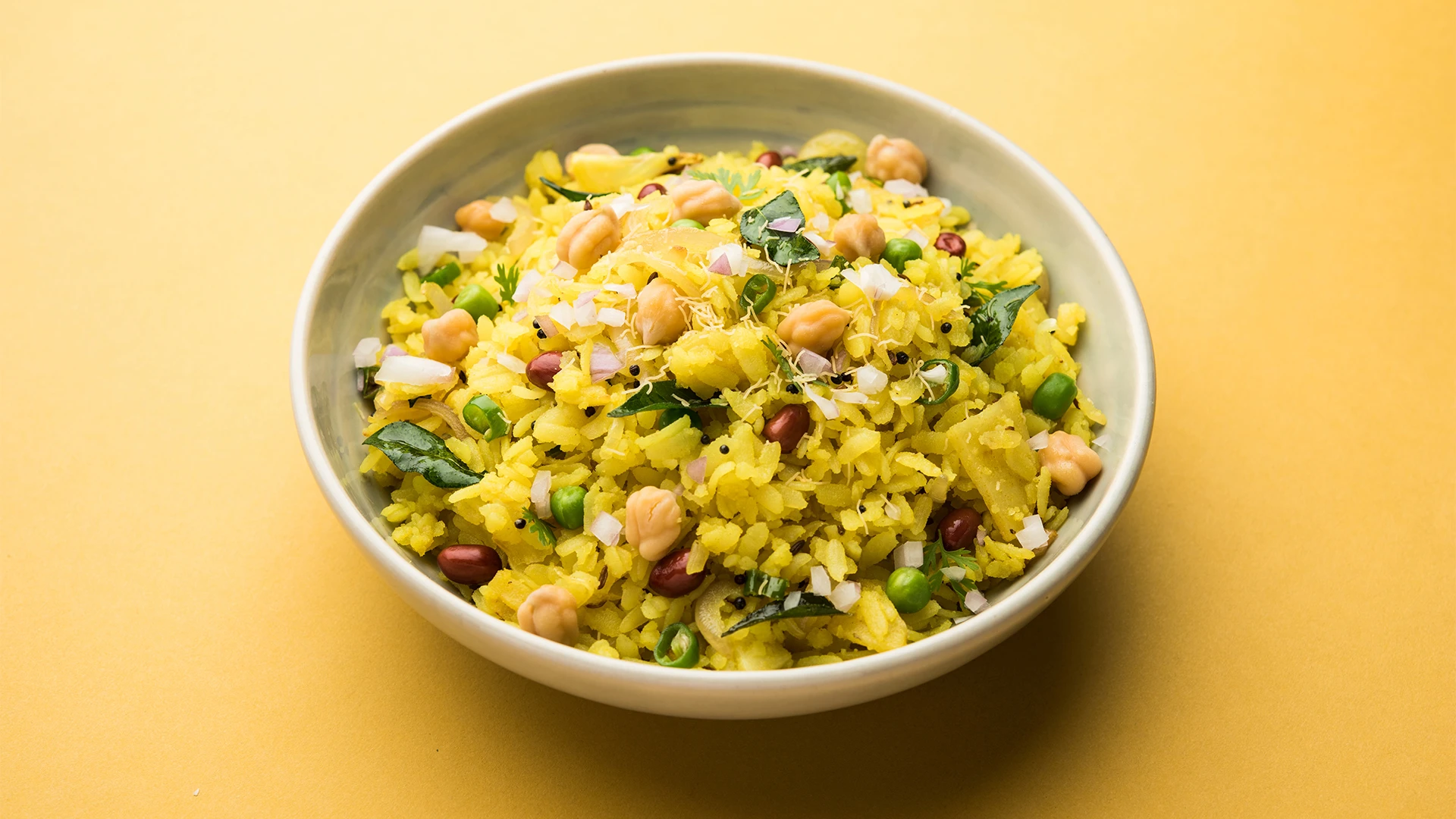
Flattened rice flakes serve as the star ingredient, typically requiring 1-2 cups per serving. These provide the bulk of carbohydrates and create the dish's signature texture. Onions form the flavor base—one medium onion, finely chopped, adds sweetness and depth. Potatoes contribute substance and additional nutrients; one medium potato, diced small, provides satisfying texture contrast. Turmeric powder brings both vibrant color and anti-inflammatory benefits with just half a teaspoon needed.
Mustard seeds create the essential tempering base—one teaspoon provides the characteristic nutty, slightly bitter note that defines authentic poha. Cumin seeds add earthy aromatics; half a teaspoon releases essential oils that permeate the entire dish. Green chilies provide controlled heat—2-3 pieces, slit lengthwise, allow flavor release without overwhelming spice. Curry leaves deliver that unmistakable South Asian flavor profile; 8-10 fresh leaves make all the difference between good and exceptional poha.
Roasted peanuts boost protein content while adding satisfying crunch—quarter cup provides healthy fats and plant-based protein. Green peas contribute vitamins, minerals, and natural sweetness; quarter cup fresh or frozen works perfectly. Fresh coriander serves as both garnish and nutrient boost, providing vitamin K, antioxidants, and bright flavor that ties everything together.
Mastering poha preparation requires understanding timing and technique rather than complex cooking skills. The key lies in proper preparation of each component and combining them in the right sequence. This easy poha recipe delivers restaurant-quality results at home while maintaining the nutritional integrity that makes this dish such a healthy breakfast option. Success depends on avoiding common pitfalls like over-soaking the flattened rice or rushing the tempering process. Each step builds flavor layers, creating a dish that's both comforting and energizing. The entire process takes less than 20 minutes, making it perfect for busy mornings when you need nutritious fuel fast.
Start by gently rinsing flattened rice in cold water, then draining immediately—over-soaking creates mushy texture. Let it sit in a colander for 2-3 minutes while preparing vegetables. Dice potatoes into small, uniform pieces for even cooking. Finely chop onions and slit green chilies lengthwise. Heat oil in a wide pan over medium heat, add mustard seeds and wait for them to splutter. Add cumin seeds, curry leaves, and green chilies, allowing aromatics to bloom for 30 seconds. Add potatoes first, cooking until tender, then onions until translucent. Sprinkle turmeric, add drained poha gently, and mix carefully to avoid breaking flakes. Add salt, peas, and peanuts, cooking just until heated through. Garnish with fresh coriander and serve immediately.
Avoid mushy texture by using minimal water when rinsing and never letting flattened rice sit in water. Balance flavors by tasting and adjusting salt, turmeric, and chilies gradually. Timing matters—have all ingredients prepped before starting, as the cooking process moves quickly. Common mistakes include over-mixing, which breaks the delicate flakes, and cooking too long, which creates a paste-like consistency.
Understanding beaten rice nutrition reveals why this traditional breakfast deserves a place in modern healthy eating plans. Poha benefits extend beyond convenience—this dish provides sustained energy without blood sugar spikes, making it ideal for maintaining steady energy levels throughout the morning.
The combination of complex carbohydrates, plant-based proteins, and healthy fats creates a balanced macronutrient profile that supports both physical and mental performance. The nutritional advantages become even more apparent when considering the quality of ingredients.
Unlike processed breakfast options loaded with artificial additives and excessive sugar, poha ingredients remain clean and recognizable. This transparency in ingredients aligns with growing consumer demand for authentic, wholesome nutrition that doesn't compromise on taste or convenience.
Flattened rice provides easily digestible carbohydrates that fuel brain function and physical activity without causing digestive stress. The fibre content, while moderate, supports healthy digestion and helps maintain stable blood sugar levels. The vitamin and mineral profile includes iron from the rice processing, B-vitamins for energy metabolism, and various micronutrients from added vegetables and spices. As a low-fat breakfast option, poha allows for sustained satiety without the heaviness associated with fried or overly processed foods.
Caloric differences favor poha slightly, as the flattening process reduces density while maintaining nutritional value. Digestibility factors strongly favor flattened rice—the pre-processing makes it easier on the digestive system, requiring less energy to break down. Nutritional advantages include better mineral absorption due to the parboiling process and reduced cooking time that preserves heat-sensitive vitamins.
Exploring regional variations reveals how different Indian breakfast recipes have adapted this versatile aval recipe to local tastes and available ingredients. Each region brings unique spice combinations, cooking techniques, and serving styles that showcase the incredible flexibility of flattened rice as a base ingredient.
These variations demonstrate how traditional wisdom has optimized nutrition and flavor across diverse climates and cultural preferences. The beauty of regional poha preparations lies in their ability to incorporate local ingredients while maintaining the dish's essential character. From street food vendors to home kitchens, each variation tells a story of cultural adaptation and culinary innovation that spans generations.
Kanda Poha represents the classic Maharashtrian style, emphasizing onions and achieving the perfect balance of sweet and savory flavors. Indori Poha from Madhya Pradesh adds unique garnishes like sev, pomegranate seeds, and extra lemon juice, creating a more complex flavor profile. Aval Upma offers the South Indian interpretation, often incorporating coconut, ginger, and different tempering spices. Dadpe Pohe presents a raw preparation method that requires no cooking, mixing soaked poha with fresh ingredients for a refreshing summer variation.
Regional spice preferences range from mild, sweet preparations in Gujarat to spicier versions in Andhra Pradesh. Local vegetable additions might include drumstick leaves in Karnataka, bottle gourd in Punjab, or coconut in Kerala. Cultural serving styles vary from street food presentations with multiple chutneys to home-style preparations served with yogurt or pickles.
Answer: Yes, poha offers several nutritional advantages over regular rice. The parboiling process used in making flattened rice increases mineral content, particularly iron. Poha also has a lower glycemic index, meaning it causes slower blood sugar rises. The flattening process makes it easier to digest, and typical poha recipes include vegetables and spices that boost overall nutritional value.
Answer: No, poha is made exclusively from rice, not maida or wheat flour. The confusion sometimes arises because both are white and processed, but poha comes from rice that's been de-husked, parboiled, flattened, and dried. It's naturally gluten-free, making it suitable for people with wheat sensitivities or celiac disease.
Answer: Poha is definitely a healthy breakfast option when prepared with minimal oil and plenty of vegetables. It provides complex carbohydrates, plant-based protein from added peanuts, fibre from vegetables, and various vitamins and minerals. The key is avoiding excessive oil and including nutritious additions like peas, peanuts, and fresh herbs.
Answer: The most common English names for poha are "flattened rice," "beaten rice," or "rice flakes." Some stores may label it as "pressed rice" or simply "poha." These terms all refer to the same product—rice that has been processed into flat, light flakes.
Answer: Absolutely! You can substitute onions with other vegetables like bell peppers, carrots, or cabbage. Some people use extra ginger-garlic paste for flavor, while others rely more heavily on spices like asafoetida (hing) to compensate for the missing onion flavor. The dish remains delicious and nutritious with these modifications.
Answer: Freshly prepared poha is best consumed immediately for optimal taste and texture. It can be stored in the refrigerator for up to 24 hours, but the texture may become softer. Dry poha flakes, when stored properly in airtight containers, can last 6-12 months. Always check for any signs of moisture or pests before use.
Understanding what poha is made of reveals a simple yet sophisticated approach to nutrition that modern wellness enthusiasts can appreciate. This plant-powered breakfast combines clean ingredients, balanced macronutrients, and authentic flavors without relying on processed additives or artificial enhancers. The beauty lies in its simplicity—flattened rice, fresh vegetables, aromatic spices, and healthy additions like peanuts create a complete meal that energizes without overwhelming the digestive system.
Mastering poha preparation opens doors to countless variations while maintaining the core nutritional benefits that make this dish a standout among healthy breakfast options. Whether you follow traditional recipes or adapt ingredients to personal preferences, the foundation remains the same: quality flattened rice combined with thoughtfully chosen additions that support sustained energy and overall wellness. This timeless dish proves that the best nutrition often comes from the simplest, most authentic ingredients.


Someone sent you
Powered by ReferRush