


How to Incorporate Turmeric and Curcumin for Daily Vitality

Get personalised recommendations with our assessment.
Personalised Health Diagnosis (PHD)
The golden spice that's been revered for centuries is finally getting the recognition it deserves in modern wellness circles. Turmeric and its powerhouse compound curcumin aren't just trendy additions to your spice rack—they're legitimate game-changers for daily vitality. But here's the thing: most people are doing it wrong. They're either not getting enough of the good stuff or they're missing out on simple ways to maximize absorption. Let's cut through the noise and give you a real roadmap for incorporating turmeric and curcumin into your daily routine that actually works.
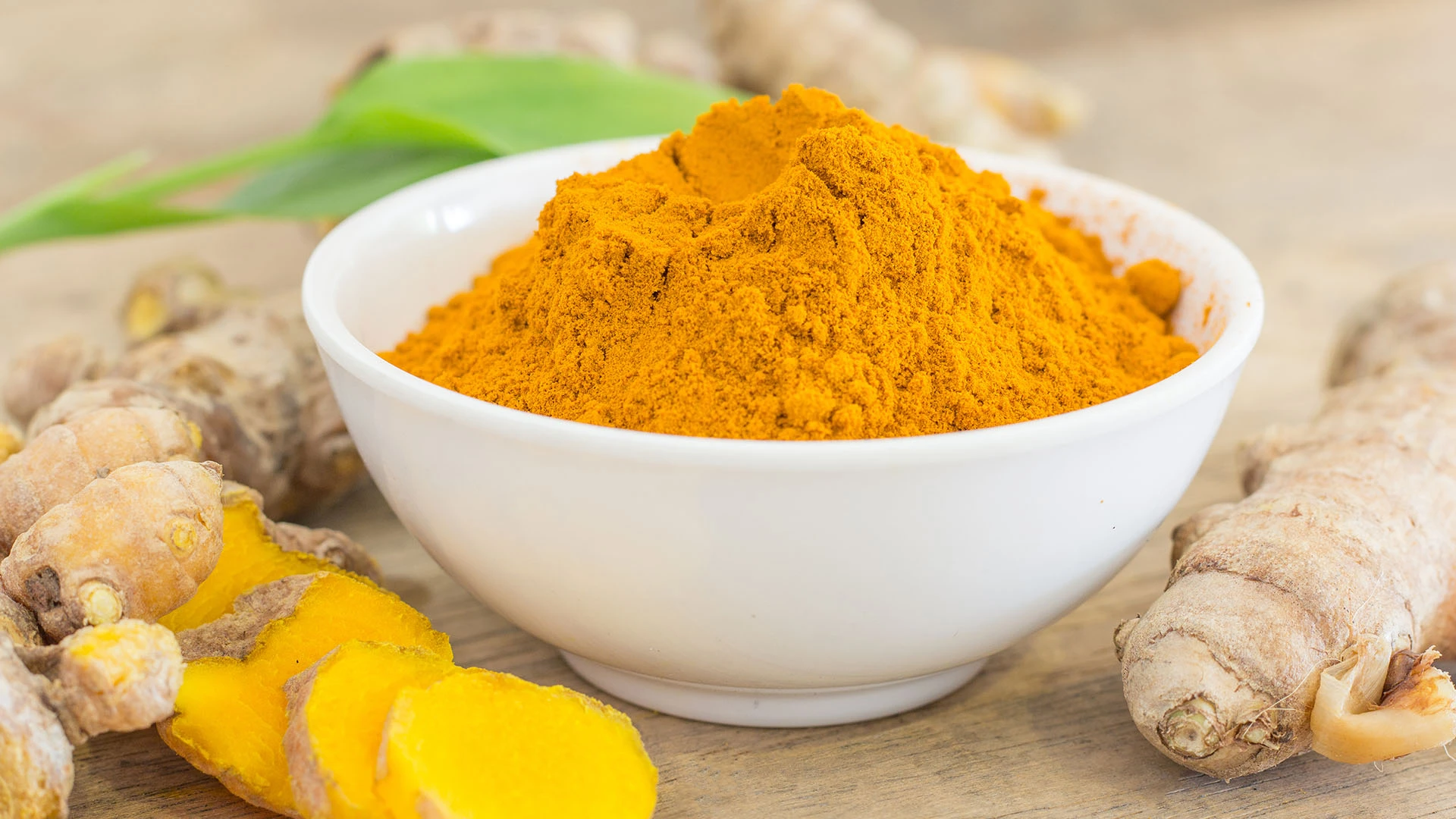
Let's get one thing straight: turmeric and curcumin aren't interchangeable terms, though they work as a dynamic duo. Turmeric is the whole root, packed with over 300 chemical compounds, while curcumin is the star player—the active compound that gives turmeric its vibrant color and most of its therapeutic punch.
The turmeric benefits are impressive on their own. This golden root brings anti-inflammatory properties, antioxidant power, and immune system support to the table. But when we talk about curcumin benefits, we're diving into serious therapeutic territory. Research shows curcumin can help manage inflammation markers, support joint health, and even contribute to cardiovascular wellness.
What makes curcumin special is its ability to modulate inflammatory pathways at the cellular level. Unlike synthetic anti-inflammatory compounds that often come with side effects, curcumin works with your body's natural processes. Studies have shown it can help reduce C-reactive protein (CRP) levels—a key marker of systemic inflammation.
Here's where it gets interesting. Whole turmeric contains only about 2-3% curcumin by weight. So that teaspoon of turmeric powder in your smoothie? You're getting maybe 60-90mg of curcumin. That's not nothing, but it's not therapeutic levels either. This is why understanding both forms matters for your anti-inflammatory diet strategy.
Let's talk numbers because this is where most people either play it too safe or go overboard. Research supports curcumin dosage up to 8 grams daily for short-term use (up to 2 months), but that doesn't mean you should start there.
For daily wellness, most people do well with 500-1000mg of curcumin daily. If you're using whole turmeric powder, you can safely consume 1-3 grams daily. The key is starting low and building up while paying attention to how your body responds.
Turmeric isn't for everyone, and pretending otherwise does nobody any favors. If you have hemochromatosis (iron overload), gallstones, or you're on blood-thinning medications, you need to have a conversation with your healthcare provider first. Turmeric can enhance the effects of blood thinners and may worsen gallbladder conditions.
Here's a pro tip that most people miss: curcumin has notoriously poor bioavailability on its own. Adding a pinch of black pepper (thanks to its piperine content) can increase absorption by up to 2000%. Fat also helps, which is why traditional golden milk recipes include coconut milk or ghee.
Now for the fun part—actually getting this golden goodness into your daily routine without it feeling like a chore. The beauty of turmeric recipes is their versatility. You can go subtle or bold, sweet or savory.
Start your morning with a turmeric-spiced scramble. Add half a teaspoon of turmeric powder to your eggs along with a pinch of black pepper and a dash of coconut oil. The result? A vibrant, anti-inflammatory breakfast that tastes way better than it sounds.
The classic golden milk gets all the attention, but there are other ways to sip your way to better health. Try a turmeric ginger tea in the afternoon or blend turmeric into your post-workout smoothie with mango, coconut milk, and a pinch of black pepper.
Turmeric plays beautifully with roasted vegetables. Toss cauliflower, sweet potatoes, or Brussels sprouts with olive oil, turmeric, and your favorite herbs before roasting. The result is both Instagram-worthy and inflammation-fighting. For those who love meal prep, turmeric-spiced lentil soups freeze beautifully and provide sustained energy throughout the week.
Sometimes food isn't enough, especially if you're dealing with specific health concerns or want therapeutic doses. Curcumin supplements can bridge that gap, but the market is flooded with options that range from excellent to essentially useless.
Look for supplements that include absorption enhancers like piperine or use specialized formulations like liposomal delivery. Third-party testing is non-negotiable—you want to know you're getting what's on the label without unwanted contaminants.
Curcumin supplements come in capsules, powders, and liquid extracts. Capsules are convenient for consistent dosing, while powders offer flexibility for mixing into foods and drinks. Take them with meals that contain some fat for better absorption, and consider splitting larger doses throughout the day rather than taking everything at once.
Incorporating turmeric and curcumin into your daily routine isn't just about adding a supplement to your morning lineup. It's about creating a healthy lifestyle framework that supports long-term vitality.
Start with one simple addition—maybe it's a turmeric latte in the morning or adding the spice to your dinner rotation twice a week. Consistency beats intensity every time. As this becomes second nature, you can explore more creative applications and potentially add targeted supplementation.
Pay attention to subtle changes in how you feel. Many people notice improvements in joint comfort, energy levels, or recovery time within a few weeks of consistent use. Keep a simple log of what you're taking and any changes you notice—this helps you dial in what works best for your body.
Your turmeric routine doesn't have to be static. In colder months, warming golden milk and turmeric-spiced soups feel natural. Summer calls for iced turmeric lattes and fresh turmeric in smoothies. This seasonal approach keeps things interesting and sustainable.
Yes, daily consumption of turmeric and curcumin is generally safe for most people when used in appropriate amounts. Stick to 1-3 grams of turmeric powder or 500-1000mg of curcumin daily for long-term use.
Most people notice subtle improvements in energy and overall well-being within 2-4 weeks of consistent use. For more specific benefits like joint comfort or inflammatory marker improvements, it may take 6-8 weeks of regular consumption.
Research suggests that regular curcumin supplementation can help reduce C-reactive protein (CRP) levels, a key marker of systemic inflammation. However, this should complement, not replace, other anti-inflammatory lifestyle practices.
Combine turmeric with black pepper and a healthy fat source like coconut oil or avocado. This combination can increase curcumin absorption by up to 2000% compared to taking turmeric alone.
Turmeric can enhance the effects of blood-thinning medications, potentially increasing bleeding risk. Always consult with your healthcare provider before adding turmeric supplements to your routine if you're on any medications.
Incorporating turmeric and curcumin into your daily routine doesn't require a complete lifestyle overhaul. Start simple, stay consistent, and pay attention to how your body responds. Whether you choose the food-first approach with creative recipes or add targeted supplementation, the key is finding a sustainable rhythm that works for your life.
Remember, daily vitality isn't about perfection—it's about progress. That golden latte you enjoy each morning or the turmeric-spiced dinner you make twice a week can be powerful tools in your wellness arsenal. The ancient wisdom of turmeric combined with modern understanding of curcumin gives us a unique opportunity to support our health naturally and deliciously.


Someone sent you
Powered by ReferRush