


How to Get Natural Energy Without Supplements: A Step-by-Step Guide

Get personalised recommendations with our assessment.
Personalised Health Diagnosis (PHD)
It's 2pm. Your focus is gone. You reach for another coffee — not because you want it, but because you don't know what else to do. Sound familiar? Most people treat energy like a problem to be solved with a pill, a powder, or a third cup of something hot. But here's the truth: your body is built to generate sustained, clean energy on its own. It just needs the right conditions. If you've been wondering how to get natural energy without supplements, this guide is your answer. We're breaking it down into immediate fixes you can use today and long-term habits that actually compound — no gimmicks, no shortcuts, no dependency.
Before you fix something, you need to know what's breaking it. Low energy is rarely just about sleep. Most people are running on a system that's been quietly drained by everyday habits they haven't questioned. Overcome tiredness naturally by first understanding what's actually causing it.
These are the silent culprits behind your afternoon slump:
Chronic low-grade dehydration — even 1–2% fluid loss tanks your alertness
Blood sugar spikes and crashes from processed foods and sugary breakfasts
Sedentary behavior — sitting all day creates a fatigue loop, not rest
Unmanaged stress depleting your cortisol reserves over time
Poor breathing habits reducing oxygen efficiency at the cellular level
Sometimes fatigue is your body flagging something deeper — low iron, thyroid dysfunction, or vitamin D deficiency. If lifestyle changes don't shift your energy within 4–6 weeks, get a blood panel done. That said, the vast majority of people's low energy is fully addressable through the steps below.
You don't always have time for a full reset. These tactics work fast — and they're backed by science, not wellness folklore. Use them to boost energy naturally without reaching for caffeine.
Ten jumping jacks or a brisk 3-minute walk triggers adrenaline and increases blood flow to the brain. Research shows short movement bursts reduce fatigue more effectively than a caffeine nap. It sounds too simple. It works anyway.
Mild dehydration — as little as 1–2% — measurably reduces alertness and concentration. Add a squeeze of lemon and a pinch of sea salt for a quick electrolyte hit. This is the most underused natural energy booster in existence.
Morning sunlight suppresses melatonin and signals your brain to increase alertness. Even 5 minutes outdoors resets your circadian rhythm cues. If you're stuck indoors, stand near a window. It still counts.
Box breathing — inhale 4 counts, hold 4, exhale 4, hold 4 — activates your parasympathetic system and clears mental fog fast. Cold water on your face or wrists triggers the dive reflex, a natural alertness response your body already knows how to use.
What you eat is either working for your energy or against it. There's no neutral. Foods for sustained energy aren't exotic — they're whole, real, and easy to find. The key is knowing which ones to prioritize and which ones to cut.
These are your go-to natural energy boosters from the plate:
Oats — slow-release carbohydrates that prevent blood sugar crashes
Eggs — complete protein and B vitamins that support cellular energy production
Bananas — natural sugars, potassium, and vitamin B6 for quick, clean fuel
Spinach and leafy greens — iron and magnesium that combat fatigue at the cellular level
Almonds and walnuts — healthy fats and magnesium for sustained stamina
Pair protein with complex carbs at every meal — this is the anchor plate concept. It stabilizes blood sugar and keeps energy steady for hours. Eating every 3–4 hours beats skipping meals every time. Avoid refined sugar, white bread, and ultra-processed snacks — they spike your glucose and then drop you hard.
Some foods are actively working against you:
High-sugar breakfasts — cereals, pastries, flavored yogurts
Heavy, high-fat lunches that divert blood flow to digestion
Alcohol — disrupts sleep architecture and depletes B vitamins
Coffee isn't the only option. And for many people, it's not even the best one. Here's how to combat fatigue without caffeine — or at least reduce your dependency on it — through smarter drink choices.
Aim for roughly 35ml per kg of body weight daily. If your urine is dark yellow, you're already behind. Chronic under-hydration is one of the most common and most ignored causes of low energy. Fix this first before anything else.
These are your natural energy boosters in a glass:
Green smoothies — spinach, banana, almond butter: iron, potassium, and protein in one shot
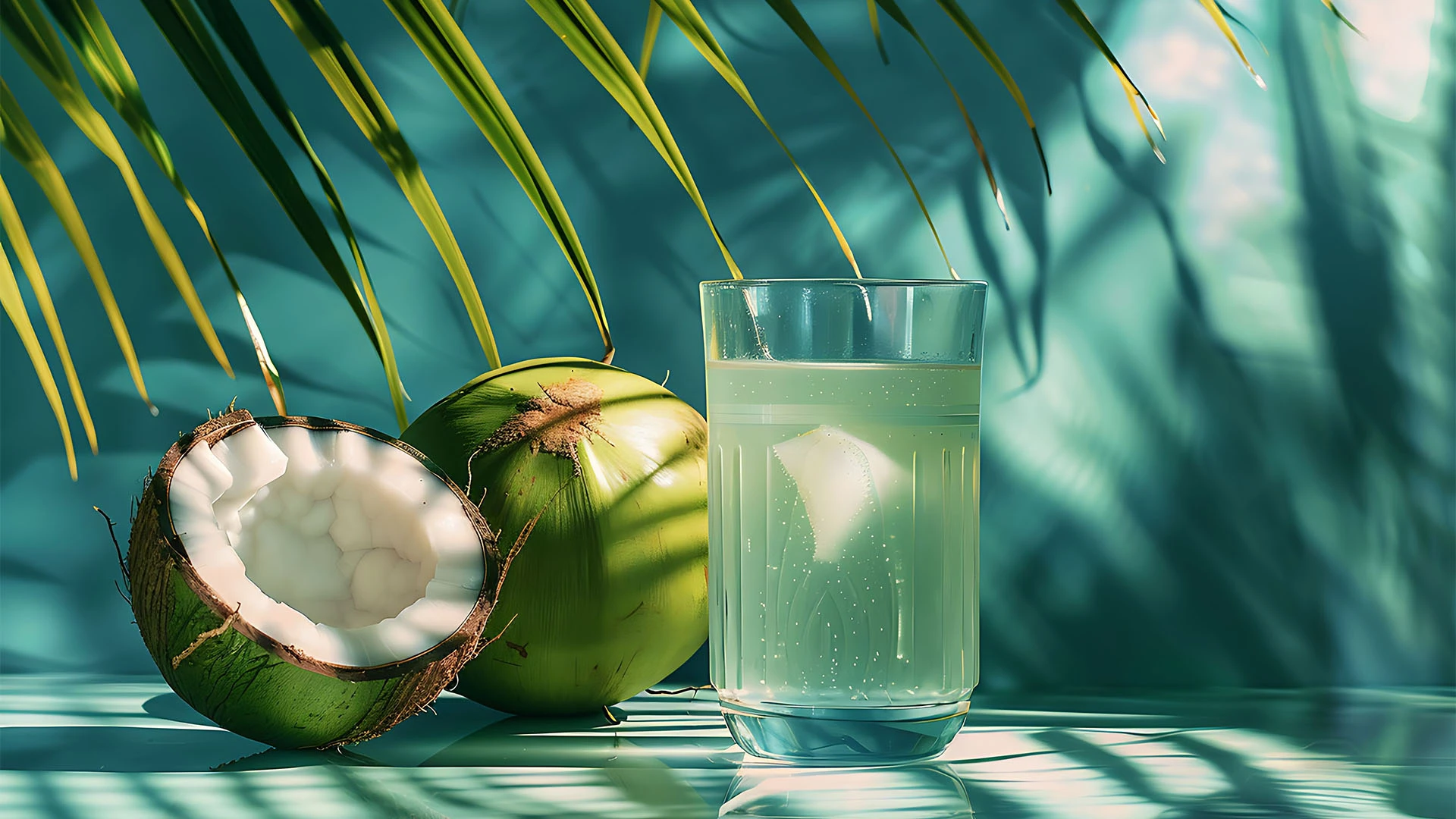
Coconut water — natural electrolytes, no added sugar
Ginger lemon water — anti-inflammatory, improves circulation
Peppermint tea — clinically shown to improve alertness and reduce mental fatigue
Beet juice — nitrates improve oxygen efficiency and stamina
Caffeine works — but it borrows energy from later. The adenosine rebound effect is real: caffeine blocks adenosine receptors temporarily, and when it wears off, the fatigue hits harder. If you're not quitting caffeine, at least time it right — avoid it after 2pm and cycle off it one day a week to prevent tolerance buildup.
Quick wins are great. But healthy energy habits built over weeks are what actually change your baseline. These lifestyle changes for energy aren't dramatic — they're consistent. And consistency is what makes them powerful.
Sleep runs in 90-minute cycles. Seven and a half hours — five complete cycles — often beats eight hours of fragmented sleep. Non-negotiables: dark room, consistent wake time, no screens 60 minutes before bed. If your sleep is broken, try sleep restriction — temporarily reducing time in bed to rebuild sleep pressure and reset your pattern.
Structured exercise matters. But so does daily movement — and most people ignore the latter. The energy paradox is real: the more you move, the more energy your body produces. Start with 20-minute walks, desk stretches, or taking the stairs. Improve stamina naturally by making movement non-optional, not just occasional.
Chronic stress triggers chronic cortisol, which triggers chronic fatigue. That's the HPA axis in plain terms. Practical tools: journaling, time-blocking, saying no more often, and spending time in nature. The principle is simple — lighten your load. Ruthlessly prioritize what actually matters.
Your body runs on ultradian rhythms — roughly 90-minute cycles of high focus followed by a natural dip. Work with them, not against them. Schedule your hardest tasks between 9–11am and 3–5pm, when most people hit their natural peak windows. Rest isn't laziness. It's part of the system.
This is where the guide earns its name. Here's a structured, day-by-day plan to increase energy levels without pills and find ways to feel more energetic — starting today. Each day builds on the last.
Day |
Focus Area |
Key Action |
|---|---|---|
Day 1 |
Hydration baseline |
Drink 8 glasses of water; track how you feel by 3pm |
Day 2 |
Morning movement |
10-minute walk within 30 minutes of waking |
Day 3 |
Food audit |
Replace one processed meal with a protein + complex carb combo |
Day 4 |
Sleep optimization |
Set a consistent bedtime; remove screens 60 min before |
Day 5 |
Stress reduction |
Identify and eliminate or delegate one energy-draining commitment |
Day 6 |
Natural light exposure |
10 minutes of morning sunlight; outdoor lunch break |
Day 7 |
Rhythm alignment |
Schedule your hardest task during your natural peak energy window |
By Day 7, you're not just doing one thing differently — multiple systems are working together. Repeat this cycle for 30 days and track the shift. The compounding effect is real.
These are the questions people ask most when figuring out how to get natural energy without supplements. Straight answers, no fluff.
Start with water — dehydration is a leading cause of fatigue. Then try coconut water for electrolytes, a green smoothie with spinach and banana for iron and potassium, or peppermint tea for natural alertness. Beet juice also improves oxygen efficiency. Avoid sugary drinks — they spike your energy and then drop you harder than before.
The top five are: oats for slow-release energy, eggs for B vitamins and complete protein, bananas for quick natural fuel and potassium, leafy greens like spinach for iron and magnesium, and almonds for healthy fats and sustained stamina. Eating these regularly — especially at breakfast and lunch — helps prevent the crashes that make people reach for supplements.
Drink a large glass of cold water first — mild dehydration causes fatigue faster than most people realize. Add lemon and a pinch of sea salt for electrolytes. For something warm, peppermint tea improves alertness within minutes. For a slightly longer boost, a green smoothie with banana, spinach, and almond butter delivers sustained fuel within 20–30 minutes.
Do 10 jumping jacks or a brisk 3-minute walk to increase blood flow. Drink a full glass of cold water. Step outside for natural light to suppress melatonin. Try box breathing — inhale 4 counts, hold 4, exhale 4, hold 4 — to clear mental fog. Combine two or three of these for the best result.
Focus on four areas: sleep quality (consistent schedule, dark and cool room), daily movement (even 20-minute walks count), whole-food nutrition (protein and complex carbs at each meal), and stress management (time-blocking, nature exposure, reducing commitments). These address root causes — not symptoms. Effects compound significantly within 2–4 weeks.
Often it's poor sleep quality rather than duration, chronic dehydration, blood sugar instability from a high-sugar diet, unmanaged stress elevating cortisol, or sedentary behavior creating a fatigue loop. In some cases, iron deficiency, thyroid dysfunction, or low vitamin D may be responsible. If lifestyle changes don't help within 4–6 weeks, get a blood panel done.
Energy isn't something you find in a bottle. It's something your body generates when you give it the right conditions. The framework is straightforward: use the quick wins — water, movement, light, breathing — to feel better today. Then build the long-term habits — sleep, food, stress management, rhythm alignment — to raise your baseline for good.
You don't need to overhaul everything at once. Pick one change from this guide and start there. That's how real, lasting energy is built — one honest habit at a time.


Someone sent you
Powered by ReferRush