


How to Find B12 in Fruits: A Complete Guide

Get personalised recommendations with our assessment.
Personalised Health Diagnosis (PHD)
Let's cut through the noise around vitamin B12 and fruits. You've probably heard claims about B12-rich fruits or seen marketing promising that your daily apple will meet your B12 needs. Here's the reality: most fruits contain virtually zero vitamin B12. But before you panic about your plant-based diet, there's more to this story. While fruits won't directly supply your B12 needs, they play a crucial supporting role in B12 absorption and metabolism. This guide breaks down the science, reveals which fruits actually help your B12 status, and shows you how to build a smart nutrition strategy that works with your body's needs.
Vitamin B12 isn't just another nutrient on the label—it's essential for keeping your nervous system sharp, your energy levels stable, and your blood healthy. This powerhouse vitamin handles three critical jobs: maintaining nerve function, producing red blood cells, and synthesizing DNA. Without adequate B12, your body starts breaking down in ways you'll definitely notice.
Adults need about 2.4 micrograms of B12 daily, but this number shifts based on your lifestyle. Pregnant women require 2.6 micrograms, while breastfeeding mothers need 2.8 micrograms. Athletes and people under chronic stress may need higher amounts due to increased metabolic demands.
B12 deficiency creeps up slowly but hits hard. Early signs include persistent fatigue, weakness, and brain fog that coffee can't fix. As deficiency progresses, you might experience tingling in hands and feet, balance problems, memory issues, and mood changes. The scary part? These symptoms can become permanent if left untreated.
Here's where we bust the biggest myth in nutrition: fruits are not reliable vitamin B12 sources. Unlike vitamin C or fiber, B12 is primarily produced by bacteria and found in animal products. Most fruits contain trace amounts so small they're nutritionally insignificant.
Some fruits do contain minimal B12 amounts. Bananas have about 0.1 micrograms per 100 grams—that's roughly 4% of your daily needs. Apples contain even less at 0.05 micrograms per 100 grams. To meet your daily B12 requirement from bananas alone, you'd need to eat about 24 large bananas. That's not practical or healthy.
Many "B12 rich fruits" claims stem from confusion between naturally occurring B12 and fortified products. Some dried fruits and fruit products are fortified with B12, but the fruit itself doesn't naturally contain significant amounts. Always check labels to distinguish between natural content and added nutrients.
While fruits won't directly supply B12, certain varieties enhance your body's ability to absorb and utilize this crucial vitamin. Think of these fruits as your B12 support team—they create optimal conditions for B12 to work effectively.
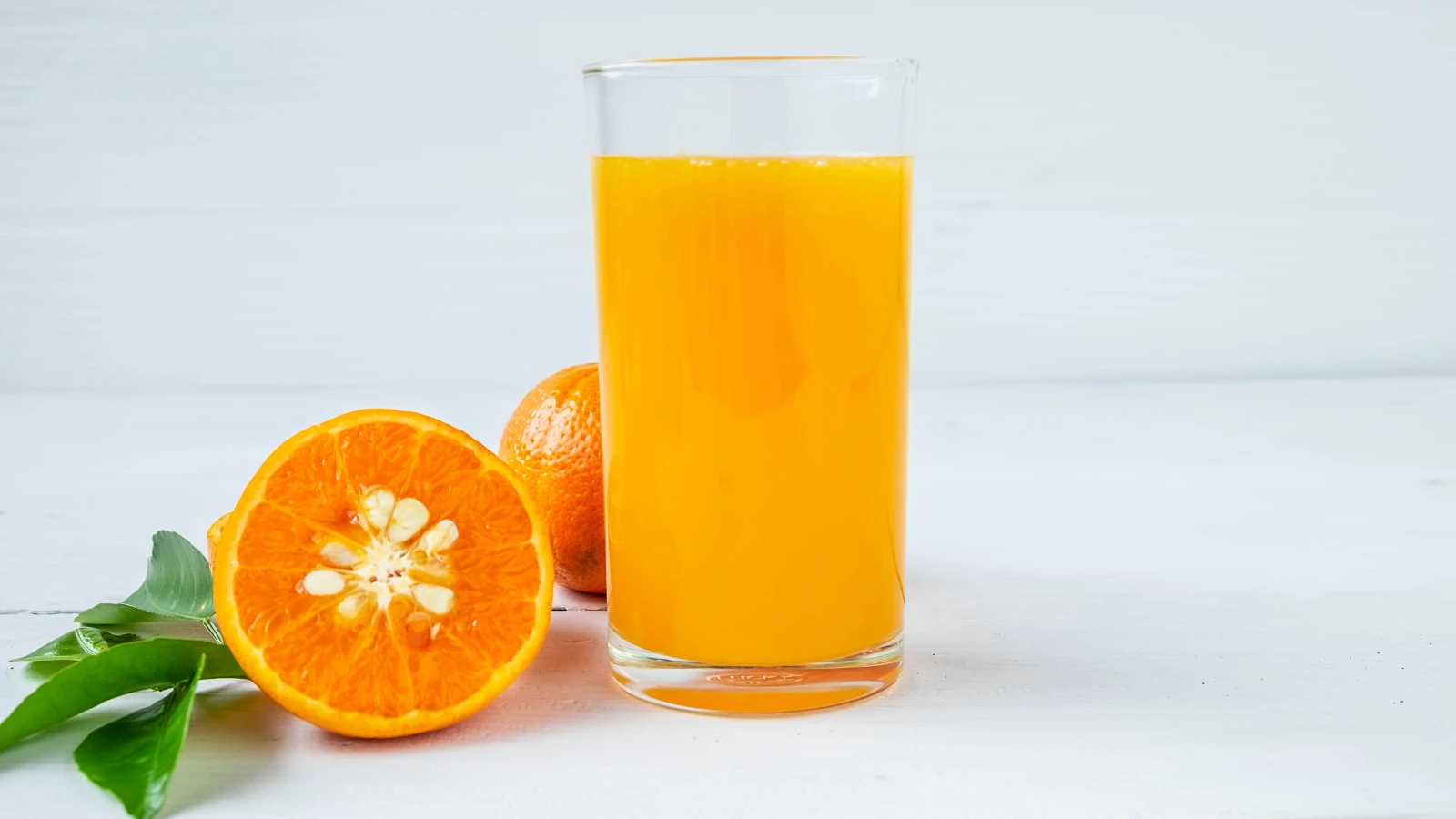
Oranges, grapefruits, and lemons pack vitamin C, which protects B12 from degradation in your digestive system. Vitamin C also supports iron absorption, and iron deficiency can mask B12 deficiency symptoms. One medium orange provides about 70mg of vitamin C—nearly your entire daily requirement.
Blueberries, strawberries, and raspberries contain folate, which works closely with B12 in DNA synthesis and red blood cell formation. However, high folate intake can mask B12 deficiency symptoms, so balance is key. A cup of strawberries provides about 40 micrograms of folate.
Mangoes and kiwis offer vitamin B6 and magnesium, nutrients that support B12 metabolism. These fruits help your body convert B12 into its active forms. One kiwi provides about 0.1mg of vitamin B6, supporting various B-vitamin functions.
Dry fruits present a more complex B12 picture. While naturally dried fruits contain minimal B12, many commercial varieties are fortified with this essential vitamin. Understanding the difference helps you make informed choices.
Figs, dates, and raisins naturally contain trace B12 amounts—usually less than 0.1 micrograms per serving. However, some manufacturers fortify these products with B12, significantly boosting their nutritional value. Fortified dried fruits can contain 1-3 micrograms of B12 per serving.
When shopping for B12 in plant based foods, scrutinize nutrition labels. Look for "cyanocobalamin" or "methylcobalamin" in the ingredient list—these are B12 forms. The nutrition facts panel will show actual B12 content per serving. Don't assume all dried fruits are fortified; many aren't.
If you're following a plant-based lifestyle, fruits alone won't meet your B12 needs. You need a comprehensive strategy that combines various plant based B12 sources with smart supplementation.
Nutritional yeast, fortified plant milks, and breakfast cereals provide reliable B12 amounts. Two tablespoons of nutritional yeast can contain 8-24 micrograms of B12—well above daily requirements. Fortified soy milk typically provides 1-3 micrograms per cup.
B12 supplements become essential for most plant-based eaters. Choose between daily low-dose supplements (10-25 micrograms) or weekly high-dose options (1000-2000 micrograms). Your body absorbs B12 better in smaller, frequent doses, but both approaches work when used consistently.
Combine B12-fortified foods with fruits that support absorption. Start your day with fortified cereal topped with berries, or blend fortified plant milk with citrus fruits for a B12-supporting smoothie. This approach maximizes both B12 intake and absorption.
Answer: No fruits are naturally rich in vitamin B12. While some fruits like bananas and apples contain trace amounts (0.05-0.1 micrograms per 100g), these levels are nutritionally insignificant. You'd need to eat dozens of fruits daily to meet B12 requirements.
Answer: Fortified nutritional yeast tops the list for plant-based B12 sources, containing 8-24 micrograms per two tablespoons. Other excellent sources include fortified plant milks, breakfast cereals, and B12 supplements specifically designed for plant-based diets.
Answer: No natural fruit juice significantly increases B12 levels. However, some commercial juices are fortified with B12. Check labels for added cyanocobalamin or methylcobalamin. Fortified orange juice can contain 1-3 micrograms per cup.
Answer: Vegetarians can meet B12 needs through fortified foods like nutritional yeast, plant milks, and breakfast cereals. However, supplements often provide the most reliable and cost-effective approach. Combining fortified foods with occasional supplementation offers the best strategy.
Answer: Yes, a fruit-only diet would quickly lead to severe B12 deficiency since fruits contain virtually no B12. This deficiency could cause permanent neurological damage within months. Any restrictive diet requires careful B12 planning and monitoring.
The vitamin B12 fruits connection isn't what most people expect. While fruits won't directly supply your B12 needs, they play valuable supporting roles in B12 absorption and metabolism. Citrus fruits protect B12 from degradation, berries provide folate for B12 synergy, and tropical fruits offer nutrients that support B12 function. For reliable B12 intake, focus on fortified foods, supplements, and regular monitoring. Remember that B12 deficiency develops slowly but can cause permanent damage, so don't gamble with inadequate intake. Build a nutrition strategy that combines B12-rich sources with absorption-supporting fruits, and consult healthcare providers for personalized guidance. Your body deserves the complete nutrition it needs to thrive.


Someone sent you
Powered by ReferRush