


Halal Certified Softgels: A Step-by-Step Guide to Islamic Compliant Supplements

Get personalised recommendations with our assessment.
Personalised Health Diagnosis (PHD)
Finding supplements that align with your faith shouldn't feel like searching for a needle in a haystack. Yet millions of Muslims worldwide struggle to identify truly halal certified softgels that meet both their health goals and religious requirements. The supplement industry's murky labeling practices and hidden ingredients make this challenge even more complex. Understanding what makes a softgel genuinely halal-compliant isn't just about checking a certification logo—it requires knowing the intricate details of sourcing, processing, and manufacturing standards that honor Islamic dietary laws.
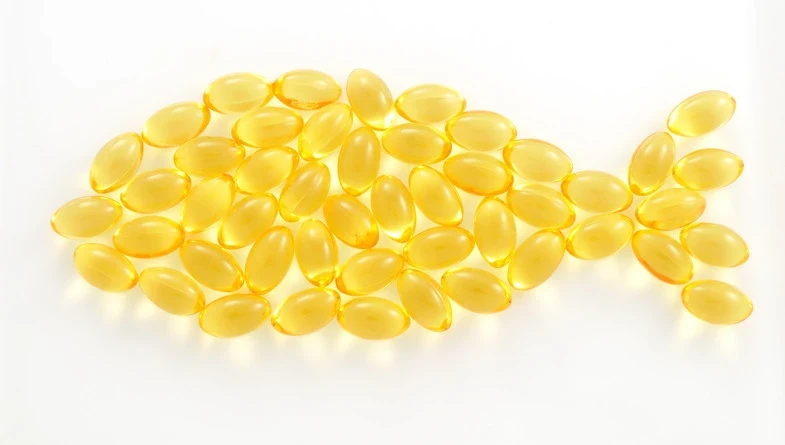
Halal certified softgels represent a specialized category of supplements that strictly adhere to Islamic dietary laws throughout their entire production process. Unlike conventional softgels that may contain pork-derived gelatin or alcohol-based processing agents, these products undergo rigorous scrutiny to ensure every ingredient and manufacturing step complies with halal requirements. The certification process involves third-party Islamic organizations that verify everything from raw material sourcing to final packaging.
The global market for halal health products has exploded, reaching over $87 billion in 2023 and projected to hit $132 billion by 2030. This growth reflects not just religious compliance but also the superior quality standards often associated with halal certification processes.
Several internationally recognized bodies provide halal certification for supplements. The Islamic Food and Nutrition Council of America (IFANCA), Halal Monitoring Committee (HMC), and South African National Halaal Authority (SANHA) lead the industry with stringent verification protocols. Each organization maintains detailed databases of approved ingredients and manufacturing facilities, making verification straightforward for informed consumers.
Halal certification often indicates superior manufacturing practices, including enhanced cleanliness standards, traceable supply chains, and stricter quality control measures. These factors benefit all consumers, regardless of religious affiliation, by ensuring higher product integrity and safety standards.
The capsule shell represents the most critical component distinguishing halal gelatin capsules from conventional alternatives. Traditional softgels typically use bovine or porcine gelatin, with porcine sources being strictly forbidden under Islamic law. Even bovine gelatin requires specific slaughter methods and processing techniques to achieve halal status.
Modern gelatin-free halal capsules increasingly utilize plant-based alternatives like hydroxypropyl methylcellulose (HPMC), pullulan derived from tapioca, or modified starch compounds. These alternatives not only ensure halal compliance but often provide superior stability and dissolution properties compared to traditional gelatin.
Beyond the obvious gelatin concerns, several hidden ingredients can compromise halal status:
Glycerin sources: Can be derived from pork fat or synthetic alcohol-based processes
Magnesium stearate: Often sourced from non-halal animal fats
Vitamin D3: Frequently derived from sheep's wool lanolin without proper halal slaughter
Omega-3 oils: May contain non-halal fish species or processing agents
Natural flavors: Can include alcohol-based extraction methods
Manufacturing equipment shared with non-halal products requires thorough cleaning and validation protocols. Alcohol-based solvents used in extraction processes must be completely removed or replaced with halal alternatives like supercritical CO2 extraction or water-based methods.
Verifying authentic certified halal supplements requires a systematic approach that goes beyond surface-level label reading. The supplement industry's complex supply chains and varying certification standards make thorough verification essential for confident purchasing decisions.
Start by examining the certification logo and accompanying certificate number prominently displayed on packaging. Authentic certifications include specific details like certification body name, certificate number, expiration date, and sometimes QR codes for digital verification.
Follow these steps to verify halal certification authenticity:
Check the certifying body's official website using the certificate number
Verify the manufacturer's name matches exactly with certified records
Confirm certification dates haven't expired
Cross-reference product names with approved product lists
Contact the certification body directly for complex or unclear cases
Several warning signs suggest questionable halal status. Generic "halal" claims without specific certification body identification, expired certificates, or products manufactured in facilities that also process pork products should raise immediate concerns. Additionally, extremely low prices compared to certified alternatives often indicate compromised quality or authenticity.
Halal vitamin softgels encompass a wide range of essential nutrients formulated specifically for Muslim consumers who prioritize both health optimization and religious compliance. The market now offers comprehensive options covering everything from basic multivitamins to specialized therapeutic compounds.
Halal omega 3 softgels represent one of the most sought-after categories, with options ranging from algae-based vegan formulations to fish oil derived from halal-certified sources. These supplements provide essential EPA and DHA fatty acids crucial for cardiovascular health, brain function, and inflammatory response management.
Vitamin D3 supplements pose unique challenges since most commercial D3 derives from sheep's wool lanolin. Halal-certified versions either use properly slaughtered sources or innovative plant-based D3 from lichen. These alternatives provide identical biological activity while maintaining strict religious compliance.
Joint health supplements featuring halal-certified glucosamine and chondroitin offer Muslim consumers effective arthritis management options. Similarly, digestive health probiotics in halal capsules support gut microbiome balance without compromising religious requirements. These specialized formulations often incorporate traditional Islamic medicine principles alongside modern nutritional science.
Halal pharmaceutical capsules extend beyond nutritional supplements into prescription medications and over-the-counter treatments. This category presents unique challenges since medical necessity can sometimes override dietary restrictions under Islamic law, yet many Muslims prefer halal-compliant options when available.
Healthcare providers increasingly recognize the importance of offering muslim friendly supplements and medications that respect patients' religious requirements. This awareness has driven pharmaceutical companies to develop halal-certified versions of common medications, from pain relievers to chronic disease management drugs.
Islamic jurisprudence provides clear guidance for emergency medical situations where halal alternatives aren't immediately available. The principle of preserving life takes precedence over dietary restrictions, allowing Muslims to use non-halal medications when medically necessary. However, patients should transition to halal alternatives as soon as feasible.
Effective communication with doctors and pharmacists about halal requirements ensures optimal treatment outcomes while respecting religious beliefs. Many healthcare systems now maintain databases of halal-certified medications and can suggest appropriate alternatives for most common treatments.
No, many softgels use halal-certified gelatin from properly slaughtered animals or plant-based alternatives like HPMC. Always check for proper halal certification from recognized Islamic authorities.
Halal omega-3 supplements use fish from halal species processed according to Islamic guidelines, or algae-based sources that are naturally halal. The capsule material must also be halal-certified.
Check the certification body's official website using the certificate number, verify the manufacturer's name matches certified records, and ensure certification dates are current.
While plant-based capsules avoid animal-derived ingredients, they still require halal certification to ensure processing methods and facility standards meet Islamic requirements.
Halal supplements may have slightly higher costs due to specialized sourcing and certification processes, but the price difference is typically minimal for quality products.
Absolutely. Halal certification often indicates higher quality standards and cleaner manufacturing processes that benefit all consumers regardless of religious affiliation.
Navigating the world of halal certified softgels requires understanding both Islamic dietary principles and modern supplement manufacturing processes. The key lies in thorough verification of certification credentials, understanding ingredient sources, and working with reputable brands that prioritize transparency in their halal compliance efforts.
The growing availability of high-quality islamic compliant supplements means Muslim consumers no longer need to compromise between their health goals and religious requirements. By following the verification steps outlined above and staying informed about certification standards, you can confidently choose supplements that support both your physical well-being and spiritual values. Remember that authentic halal certification represents more than religious compliance—it often indicates superior quality standards that benefit all consumers seeking clean, trustworthy nutrition solutions.


Someone sent you
Powered by ReferRush