


Essential Heavy Metal-Free Nutrition Checklist for Clean Eating

Get personalised recommendations with our assessment.
Personalised Health Diagnosis (PHD)
Your body is under constant assault from heavy metals lurking in everyday foods. From mercury in fish to arsenic in rice, these toxic elements accumulate silently, disrupting hormones and stealing your vitality. The conventional food system isn't protecting you—it's time to take control. This comprehensive checklist cuts through the noise to give you actionable strategies for building a heavy metal-free nutrition plan that actually works.
Heavy metals infiltrate our food supply through multiple pathways, making complete avoidance nearly impossible. Industrial pollution, contaminated water sources, and agricultural practices create a web of food safety heavy metals concerns that most people never consider.
The four primary culprits—lead, mercury, cadmium, and arsenic—each follow distinct contamination routes. Mercury bioaccumulates in large predatory fish through the aquatic food chain. Arsenic concentrates in rice grown in flooded fields that absorb contaminated groundwater. Lead enters through old plumbing systems and industrial emissions. Cadmium accumulates in leafy greens grown in polluted soil.
Current FDA testing covers only a fraction of the food supply. While regulations exist, enforcement gaps mean heavy metal contamination in food often goes undetected until it reaches dangerous levels. Recent studies found concerning levels in baby foods, protein powders, and even organic produce—proving that premium pricing doesn't guarantee purity.
Heavy metal accumulation creates subtle symptoms that most people dismiss as stress or aging. Understanding these mineral toxicity symptoms helps you identify exposure before serious damage occurs.
Early warning signs include persistent fatigue that doesn't improve with rest, brain fog that affects concentration, and digestive issues without clear triggers. Hair loss, skin problems, and frequent infections signal your body's detoxification systems are overwhelmed.
Heavy metals interfere with hormone production and regulation. They disrupt cortisol patterns, leading to chronic stress responses. Thyroid function suffers as metals block iodine absorption. Reproductive hormones become imbalanced, affecting fertility and energy levels.
Chronic exposure contributes to cardiovascular disease, neurological decline, and autoimmune conditions. The damage accumulates over decades, making prevention far more effective than treatment.
Certain foods consistently show elevated heavy metal levels across multiple studies. Identifying these high-risk categories forms the foundation of your non-toxic diet strategy.
Rice products top the contamination list due to arsenic accumulation in flooded growing conditions. Brown rice contains higher levels than white rice because arsenic concentrates in the outer layers. Rice-based products like cereals, crackers, and protein powders amplify exposure.
Large predatory fish accumulate mercury through bioaccumulation. Tuna, swordfish, shark, and king mackerel should be limited or avoided entirely. Farm-raised fish often contain additional contaminants from crowded growing conditions and contaminated feed.
Leafy greens grown in contaminated soil absorb cadmium through their root systems. Spinach, kale, and lettuce from unknown sources pose particular risks. Root vegetables like carrots and potatoes can concentrate metals from polluted growing environments.
Packaged foods often contain lead from manufacturing equipment and storage containers. Artificial colors, particularly those used in candies and processed snacks, frequently test positive for heavy metal contamination.
Building a clean eating for health approach requires strategic food selection based on contamination risk profiles. Focus on foods with naturally lower accumulation rates and verified testing protocols.
Smaller fish like sardines, anchovies, and wild-caught salmon show consistently lower mercury levels. These options provide essential omega-3 fatty acids without the contamination risks of larger species. Our Outshine Omega 3 offers a purified alternative when fresh fish isn't available.
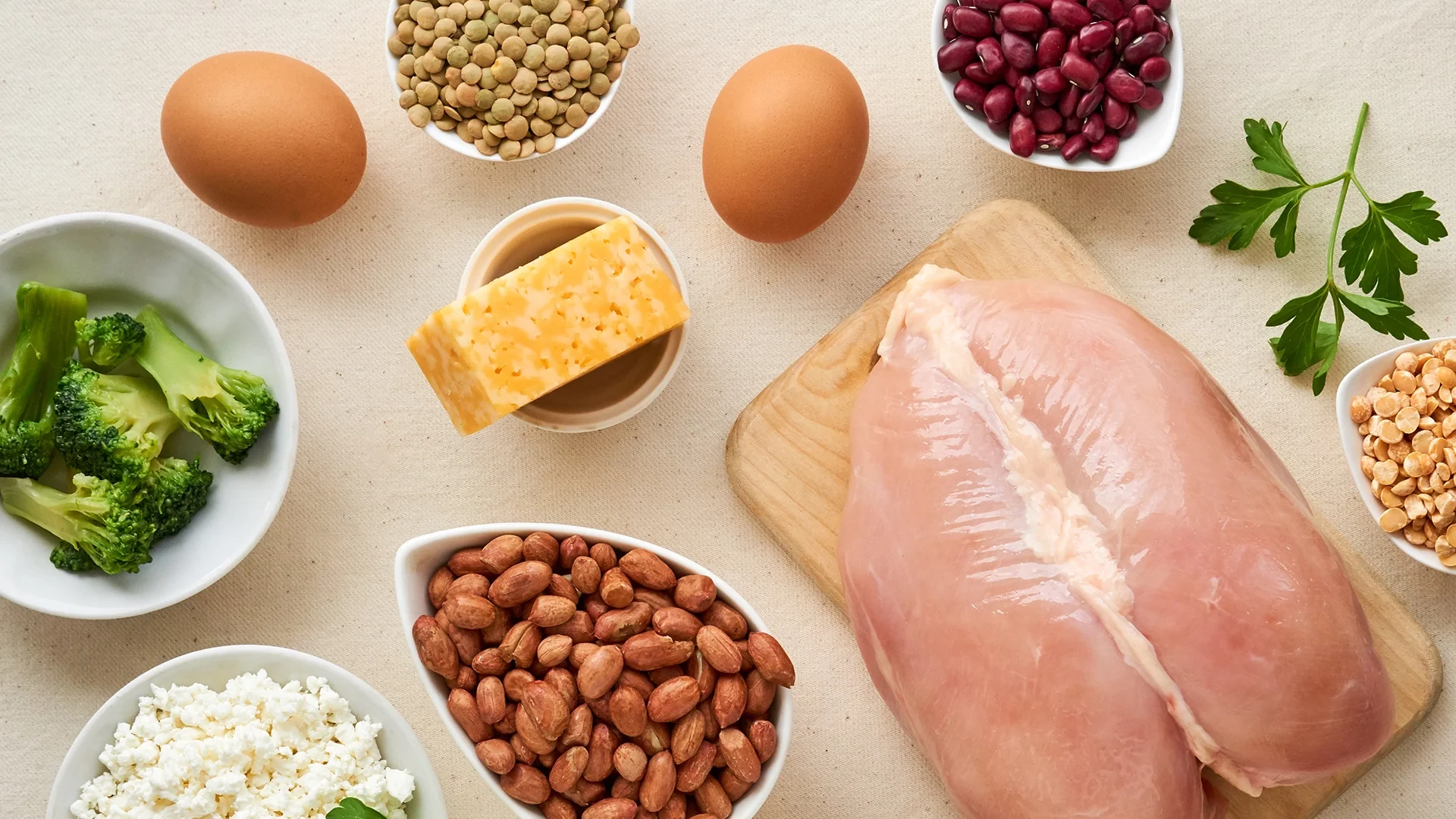
Grass-fed meats from verified sources minimize exposure to environmental contaminants. Plant-based proteins like our DAILY, INTENSE, and Unflavoured Protein options undergo rigorous testing to ensure purity. Legumes and nuts provide additional protein with lower contamination risks when sourced properly.
Fruits with protective peels like bananas, avocados, and citrus fruits naturally limit heavy metal absorption. Berries, particularly wild varieties, offer antioxidant benefits with minimal contamination concerns. Organic food benefits include reduced pesticide exposure, though heavy metal levels can vary based on soil conditions.
Quinoa, barley, and oats typically show lower arsenic levels than rice. When choosing rice, select varieties from regions with cleaner water sources. Properly sourced grains provide essential nutrients without excessive metal exposure.
Detoxifying foods actively support your body's natural elimination pathways. These functional ingredients help bind and remove accumulated metals while providing essential nutrients for optimal health.
Cilantro contains compounds that chelate heavy metals, helping remove them from tissues. Garlic provides sulfur compounds that support liver detoxification. Chlorella and spirulina bind metals in the digestive tract, preventing absorption and promoting elimination.
Wild blueberries provide anthocyanins that protect against oxidative damage from metal exposure. Dark leafy greens from verified clean sources offer folate and minerals that support detoxification enzymes. These foods work synergistically to enhance natural detoxification processes.
Adequate calcium, iron, and zinc intake prevents heavy metal absorption through competitive inhibition. When your body has sufficient essential minerals, it's less likely to absorb toxic metals that mimic their structure. Our Max Magnesium supports this process with highly bioavailable liposomal delivery.
Proper hydration supports kidney function and metal elimination. Lemon water provides vitamin C that enhances iron absorption while supporting detoxification. Herbal teas like milk thistle and dandelion support liver function.
Proper preparation techniques significantly reduce heavy metal exposure from otherwise contaminated foods. These reducing environmental toxins strategies work within your existing diet to minimize risk.
Thorough washing removes surface contaminants from produce. Peeling fruits and vegetables eliminates outer layers where metals concentrate. Soaking rice overnight and cooking with excess water that's drained away reduces arsenic content by up to 80%.
Steaming and boiling allow metals to leach into cooking water that can be discarded. Avoid cooking acidic foods in metal cookware, as acids increase metal leaching. Stainless steel and ceramic cookware minimize additional contamination during preparation.
Filtered water removes chlorine, lead, and other contaminants that contribute to total toxic load. Quality filtration systems provide clean water for cooking and drinking, reducing cumulative exposure from multiple sources.
Glass and ceramic containers prevent metal leaching during food storage. Avoid canned foods when possible, as can linings often contain lead. Fresh and frozen alternatives typically show lower contamination levels.
A sustainable heavy metal-free nutrition approach requires practical meal planning that fits your lifestyle. This systematic approach ensures consistent low-toxin eating without overwhelming complexity.
Start each day with clean protein sources like our plant-based options or verified animal proteins. Include antioxidant-rich berries and properly prepared grains. Lunch should feature smaller fish or plant proteins with thoroughly washed vegetables. Dinner can include grass-fed meats with detoxifying vegetables.
Rotate protein sources to minimize exposure from any single contamination pathway. Include chelating foods like cilantro and garlic in multiple meals throughout the week. Plan for adequate hydration with filtered water and herbal teas.
Focus spending on the highest-risk categories like seafood and protein powders. Frozen organic vegetables often cost less than fresh while maintaining nutritional value. Buying in bulk and meal prepping reduces costs while ensuring consistent clean eating habits.
When food alone isn't sufficient, targeted supplementation fills nutritional gaps. Our functional drinks like Curcumin Wonder Latte provide additional detoxification support. Quality supplements undergo testing that many foods lack, ensuring purity and potency.
Avoid large predatory fish like tuna and swordfish, rice products from high-arsenic regions, leafy greens from unknown sources, and processed foods with artificial colors. Focus on smaller fish, properly prepared grains, and verified clean produce sources.
Natural detoxification through dietary changes typically shows improvements within 3-6 months of consistent clean eating. Individual results vary based on initial exposure levels, overall health status, and adherence to detoxification protocols.
Improved energy levels, better sleep quality, enhanced mental clarity, reduced inflammation, and better digestive function indicate successful detoxification. These improvements typically appear gradually over several months.
Organic certification reduces pesticide exposure but doesn't guarantee heavy metal-free foods. Soil contamination affects both conventional and organic crops. Choose organic when possible, but focus on foods with naturally lower accumulation rates regardless of growing method.
Testing provides baseline measurements and tracks progress, but isn't necessary before implementing dietary changes. Clean eating benefits everyone regardless of current exposure levels. Consider testing if you have symptoms suggesting significant accumulation.
Heavy metal contamination in our food supply is widespread, but strategic dietary choices dramatically reduce exposure. Focus on smaller fish, properly prepared grains, verified clean proteins, and detoxifying foods that support natural elimination pathways.
Smart preparation techniques like thorough washing, proper cooking methods, and quality water filtration amplify the benefits of clean food choices. Consistent implementation over months creates measurable improvements in energy, mental clarity, and overall health. Your body has remarkable detoxification capabilities when given the right nutritional support and minimal toxic burden.


Someone sent you
Powered by ReferRush