


Essential Heart Health Checklist: Your Guide to a Healthy Heart

Get personalised recommendations with our assessment.
Personalised Health Diagnosis (PHD)
Heart disease remains the leading cause of death globally, claiming over 17.9 million lives annually according to the World Health Organization. Yet many cases are preventable through simple lifestyle changes and awareness. Whether you're just starting your wellness journey or looking to strengthen existing habits, understanding the fundamentals of cardiovascular health is crucial. This beginner's guide to heart health provides a practical checklist approach to protecting your most vital organ. From nutrition basics to exercise essentials, we'll explore evidence-based strategies that can significantly reduce your risk of heart disease while improving your overall quality of life.
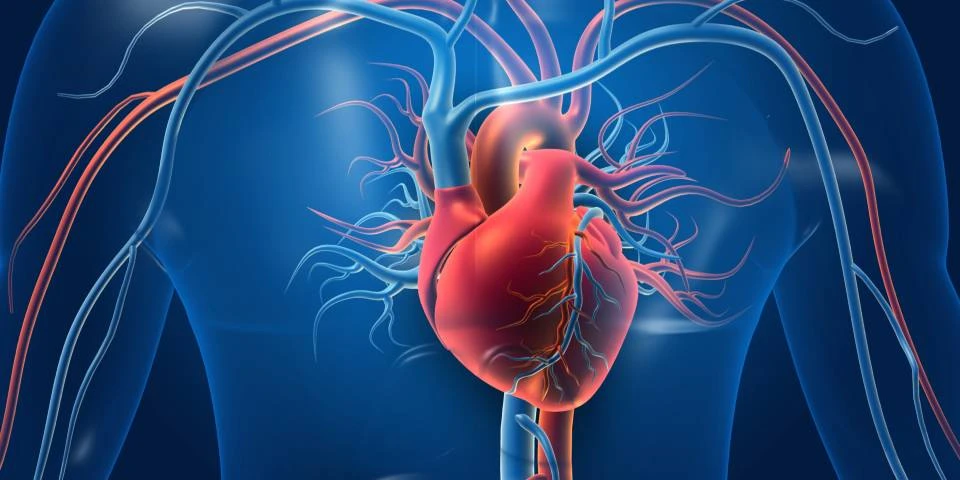
Heart disease encompasses various conditions affecting your cardiovascular system, with coronary artery disease being the most common type. This occurs when plaque builds up in the arteries that supply blood to your heart muscle, potentially leading to heart attacks or strokes. Understanding heart disease starts with recognizing that it's largely a lifestyle-related condition, meaning you have significant control over your risk factors.
Coronary artery disease affects the blood vessels supplying your heart, while heart failure occurs when your heart cannot pump blood effectively. Arrhythmias involve irregular heartbeats, and valvular heart disease affects the heart's valves that control blood flow.
Modifiable risk factors include high blood pressure, elevated cholesterol levels, smoking, diabetes, obesity, and physical inactivity. These factors often work together, amplifying your overall cardiovascular risk when multiple conditions are present.
Building heart-healthy habits doesn't require dramatic lifestyle overhauls. Small, consistent changes in your daily routine can create significant improvements in your cardiovascular health over time. The key is establishing sustainable practices that become second nature.
Start your day with a glass of water to support proper hydration and blood flow. Take five minutes for deep breathing exercises to reduce stress hormones that can strain your cardiovascular system.
Chronic stress elevates cortisol levels, contributing to inflammation and high blood pressure. Practice brief meditation sessions, take walking breaks, or use progressive muscle relaxation techniques during stressful moments.
Establish a consistent sleep schedule, as poor sleep quality is linked to increased heart disease risk. Aim for 7-9 hours of quality sleep nightly to allow your cardiovascular system to recover and repair.
Your dietary choices directly impact your heart health through their effects on blood pressure, cholesterol levels, and inflammation. A heart-healthy diet emphasizes whole foods while limiting processed options high in sodium, saturated fats, and added sugars. Research consistently shows that certain eating patterns can reduce heart disease risk by up to 30%.
Focus on omega-3 rich fish like salmon and sardines, which reduce inflammation and support healthy blood flow. Include plenty of colorful vegetables, whole grains, nuts, and legumes that provide fiber and essential nutrients for cardiovascular function.
Reduce consumption of processed meats, refined sugars, and foods high in trans fats. These items contribute to arterial plaque buildup and inflammation that damages blood vessels over time.
Plan balanced meals that include lean protein, complex carbohydrates, and healthy fats. At Ace Blend, we recommend preparing heart-healthy snacks in advance to avoid reaching for processed options when hunger strikes.
Regular physical activity strengthens your heart muscle, improves circulation, and helps control weight and blood pressure. The American Heart Association recommends at least 150 minutes of moderate-intensity exercise weekly, but beginners can start with shorter sessions and gradually build endurance.
Walking remains one of the most accessible forms of heart-healthy exercise, requiring no special equipment or gym membership. Swimming, cycling, and dancing also provide excellent cardiovascular benefits while being gentle on joints.
Resistance exercises help build lean muscle mass, which improves metabolism and supports healthy blood pressure. Include strength training exercises at least twice weekly, focusing on major muscle groups.
Start with 10-15 minute sessions and gradually increase duration and intensity. Choose activities you enjoy to improve adherence, and consider exercising with friends or family for added motivation and accountability.
Regular monitoring helps you track progress and identify potential issues early when they're most treatable. Understanding key cardiovascular metrics empowers you to make informed decisions about your health and communicate effectively with healthcare providers.
Monitor your blood pressure, aiming for readings below 120/80 mmHg. Track your resting heart rate, which typically ranges from 60-100 beats per minute for healthy adults, with lower rates often indicating better cardiovascular fitness.
Be aware of chest pain, shortness of breath during normal activities, unusual fatigue, or irregular heartbeats. These symptoms warrant immediate medical attention, as early intervention can prevent serious complications.
Schedule regular check-ups with your healthcare provider, especially if you have family history of heart disease or other risk factors. Annual screenings can detect problems before symptoms appear, allowing for earlier treatment.
Prevention remains the most effective approach to maintaining cardiovascular health throughout your lifetime. Research indicates that up to 80% of premature heart disease cases are preventable through lifestyle modifications. The earlier you implement these changes, the greater your potential for long-term heart health benefits.
Quitting smoking provides immediate and long-term benefits for your cardiovascular system. Within one year of quitting, your risk of heart disease drops by half compared to continued smoking.
Maintaining a healthy weight reduces strain on your heart and helps control blood pressure and cholesterol levels. Focus on sustainable weight loss of 1-2 pounds per week through combined dietary changes and increased physical activity.
Moderate alcohol consumption may offer some cardiovascular benefits, but excessive drinking increases heart disease risk. Limit intake to one drink daily for women and two for men, or consider avoiding alcohol entirely.
While a balanced diet should provide most nutrients needed for heart health, certain supplements may offer additional cardiovascular benefits when used appropriately. However, supplements should complement, not replace, a healthy heart lifestyle that includes proper nutrition and regular exercise.
Omega-3 fatty acids from fish oil may help reduce inflammation and support healthy blood pressure. Our Outshine Omega 3 provides India's first 4x strength formula with the highest purity and concentration per dose. Coenzyme Q10 shows promise for supporting heart muscle function, particularly in individuals taking statin medications.
Garlic consumption may help lower blood pressure and cholesterol levels naturally. Green tea contains antioxidants that support cardiovascular health, while dark chocolate in moderation provides flavonoids that benefit blood flow.
Always consult with healthcare providers before starting new supplements, especially if you take medications for heart conditions. Some supplements can interact with prescription drugs or may not be appropriate for certain health conditions.
Modern technology offers numerous tools to support your heart health journey, from fitness trackers that monitor daily activity to smartphone apps that help manage medications and track symptoms. These digital resources can provide valuable insights and motivation for maintaining cardiovascular wellness.
Fitness trackers and smartwatches can monitor heart rate, track physical activity, and even detect irregular heartbeats. These devices provide real-time feedback that helps you understand how daily activities affect your cardiovascular system.
Blood pressure tracking apps help you log readings and identify patterns over time. Nutrition apps can help you monitor sodium intake and track heart-healthy food choices throughout the day.
Virtual consultations with healthcare providers make it easier to discuss heart health concerns and receive guidance on lifestyle modifications. Remote monitoring programs allow healthcare teams to track your progress between office visits.
Sustaining heart-healthy habits requires a long-term perspective and realistic goal-setting. The most successful approaches focus on gradual changes that become integrated into your daily routine rather than dramatic overhauls that are difficult to maintain over time.
Set specific, measurable goals such as walking 30 minutes daily or reducing sodium intake to less than 2,300mg per day. Track your progress weekly and celebrate small victories to maintain motivation for continued improvement.
Engage family members and friends in your heart health journey, as social support significantly improves adherence to healthy lifestyle changes. Consider joining community groups or online forums focused on cardiovascular wellness.
Recognize that your heart health needs may change with age, health status, or life circumstances. Stay flexible and work with healthcare providers to adjust your approach as needed while maintaining core healthy habits.
Family history plays a significant role in your cardiovascular risk profile, with genetics accounting for approximately 40-60% of heart disease risk factors. Understanding your family's health history helps you and your healthcare provider develop appropriate screening schedules and prevention strategies tailored to your specific risk level.
Document heart disease occurrences in immediate family members, including age at diagnosis and specific conditions. Pay particular attention to early-onset heart disease, defined as occurring before age 55 in men and 65 in women.
Genetic testing may be recommended for individuals with strong family histories of heart disease or specific inherited conditions. These tests can identify genetic variants that increase cardiovascular risk and guide personalized prevention strategies.
Healthcare providers use family history information combined with other risk factors to calculate your overall cardiovascular risk. This assessment helps determine appropriate screening intervals and treatment recommendations for optimal heart health management.
Adults should have cardiovascular screenings every 2-3 years starting at age 20, with more frequent monitoring if risk factors are present. This includes blood pressure checks, cholesterol testing, and discussions about family history and lifestyle factors with your healthcare provider.
While existing arterial plaque cannot be completely eliminated, aggressive lifestyle modifications can slow progression and even promote some plaque stabilization. Studies show that comprehensive lifestyle programs can significantly reduce cardiovascular events and improve heart function over time.
HDL (high-density lipoprotein) is considered "good" cholesterol because it helps remove other forms of cholesterol from your bloodstream. LDL (low-density lipoprotein) is "bad" cholesterol that can build up in artery walls, increasing heart disease risk when levels are elevated.
The American Heart Association recommends at least 150 minutes of moderate-intensity exercise weekly, which can be broken into 30-minute sessions five days per week. Even shorter exercise sessions provide benefits, so start where you can and gradually increase duration and intensity.
No single food can "unclog" arteries, but certain foods support cardiovascular health by reducing inflammation and improving cholesterol profiles. These include fatty fish, nuts, olive oil, whole grains, and colorful fruits and vegetables rich in antioxidants and fiber.
Chronic stress contributes to heart disease through multiple pathways, including elevated blood pressure, increased inflammation, and promotion of unhealthy behaviors like overeating or smoking. Managing stress through relaxation techniques, exercise, and adequate sleep is crucial for heart health.
Your heart health journey is a marathon, not a sprint, requiring consistent daily choices that compound over time into significant cardiovascular benefits. This beginner's guide to heart health provides the foundation for understanding and implementing evidence-based strategies that can dramatically reduce your risk of heart disease. Remember that small changes, when sustained over time, create remarkable improvements in your cardiovascular wellness. At Ace Blend, we believe that taking control of your heart health is one of the most important investments you can make in your overall well-being. Start with one or two changes from this checklist, build consistency, and gradually expand your heart-healthy habits. Your future self will thank you for the commitment you make to cardiovascular wellness today.


Someone sent you
Powered by ReferRush