


Essential Checklist for Third-Party Tested Supplements

Get personalised recommendations with our assessment.
Personalised Health Diagnosis (PHD)
The supplement industry operates in a regulatory gray zone where manufacturers can make bold claims without proving their products actually contain what's listed on the label. Third-party tested supplements cut through this chaos by submitting to independent verification—but knowing which certifications matter and how to verify them separates smart consumers from those gambling with their health. Here's your complete checklist for navigating the world of verified nutrition.
Third-party tested supplements undergo independent laboratory analysis by organizations that have zero financial stake in the product's success. Unlike manufacturer self-testing, these independent lab tested supplements face scrutiny from entities that profit from accuracy, not sales.
The numbers tell a sobering story. Studies reveal that up to 70% of supplements contain ingredients not listed on their labels, while others lack the potency they claim. Heavy metals, banned substances, and contaminated ingredients regularly slip through when brands skip independent verification.
Contaminated supplements don't just waste money—they pose genuine health risks. Athletes face career-ending suspensions from banned substances they never knew they consumed. Regular consumers deal with everything from digestive issues to heavy metal toxicity.
Not all third-party testing carries equal weight. These five organizations represent the gold standard for supplements third party verified through rigorous protocols.
Each certification serves different purposes, so understanding their strengths helps you choose products that match your specific needs.
The United States Pharmacopeia sets pharmaceutical-grade standards for supplement testing. USP verification covers potency, purity, and contamination screening across multiple batches.
NSF International screens for 270+ prohibited substances, making it the top choice for athletes. Their testing goes beyond basic purity to include performance-enhancing drugs and stimulants banned by major sports organizations.
This program offers batch-specific testing, meaning every production run gets individual verification. It's particularly valuable for products with variable ingredient sourcing.
Operating as an independent subscription service, ConsumerLab purchases products directly from retailers and tests them without manufacturer involvement. Their methodology mirrors real-world consumer experiences.
Labdoor provides numerical scores for label accuracy and purity, making it easy to compare products within categories. Their testing focuses on what consumers actually receive versus what labels promise.
Spotting certification logos is just the beginning. Real verification requires digging deeper to confirm authenticity and current status.
Smart consumers follow a systematic approach that catches fake certifications and expired testing credentials.
Look for official certification logos on product packaging. Legitimate certifications display clear, high-quality graphics with specific batch or lot numbers.
Cross-reference batch numbers through official testing organization websites. Each legitimate certification maintains searchable databases with current product listings.
Check manufacturer websites for detailed testing documentation. Trustworthy brands prominently display their third-party testing results and certificates.
Watch for vague claims like "laboratory tested" without specifying which independent lab performed the analysis. Generic testing language often masks the absence of legitimate third-party verification.
Different supplement categories face unique contamination risks, making certain certifications more valuable than others. Understanding these nuances helps you prioritize the right testing for your specific products.
Quality tested supplements in high-risk categories require more stringent verification protocols.
Vitamin supplements face contamination from heavy metals and synthetic additives. Look for USP verification or ConsumerLab testing, which specifically screen for these common contaminants.
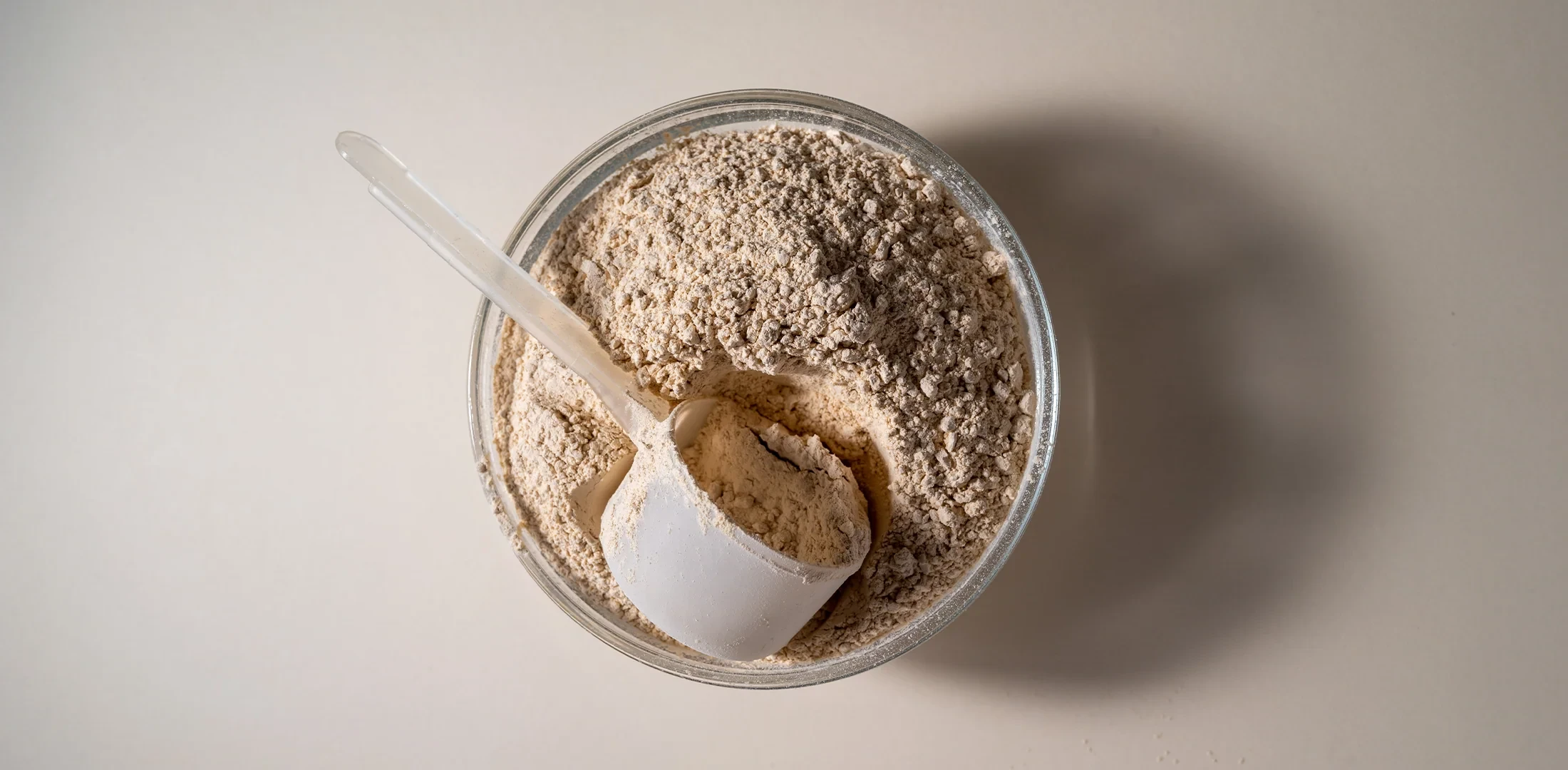
Protein powders risk amino acid spiking—adding cheap amino acids to inflate protein content numbers. NSF Certified for Sport or Informed Choice testing catches these deceptive practices.
Herbal and botanical supplements carry the highest contamination risks due to agricultural sourcing. These products benefit most from comprehensive testing that includes pesticide and heavy metal screening.
The supplement industry attracts bad actors who exploit consumer trust through fake certifications and misleading claims. Learning to spot these red flags protects both your health and wallet.
Fraudulent supplements often use sophisticated marketing to mimic legitimate third-party testing without actually submitting to independent verification.
Generic testing language like "clinically tested" or "laboratory verified" sounds impressive but means nothing without specific third-party organization names.
Fake certification logos copy legitimate designs but lack the specific details and verification numbers that authentic certifications require.
Suspiciously low prices often indicate shortcuts in testing and quality control. Legitimate third-party testing adds costs that quality manufacturers pass along to maintain their standards.
Creating a reliable supplement regimen starts with establishing your personal verification standards and sticking to them consistently. This systematic approach eliminates guesswork and builds confidence in your choices.
At Ace Blend, we understand that trust comes from transparency. Our products undergo rigorous third-party testing because we believe you deserve to know exactly what you're putting in your body.
Verify certifications for every new product before purchase. Make database checking a non-negotiable step in your supplement selection process.
Monitor ongoing quality by periodically checking that your trusted brands maintain their certification status. Testing standards and brand ownership can change.
Ask specific questions about third-party testing when shopping. Knowledgeable retailers should easily provide certification details and testing documentation.
Third-party testing means an independent laboratory with no financial interest in the product analyzes it for purity, potency, and contamination. This verification happens outside the manufacturer's control, providing unbiased quality assessment.
Check for official certification logos on packaging, then verify the product in the testing organization's online database using batch or lot numbers. Legitimate certifications always provide searchable verification systems.
Yes, the additional cost provides insurance against contaminated or mislabeled products. The price difference typically ranges from 10-30% but protects against potentially serious health risks and wasted money on ineffective products.
Protein powders, herbal supplements, and products marketed to athletes carry the highest contamination risks. These categories benefit most from independent verification due to complex sourcing and processing requirements.
Reputable manufacturers test every batch or at minimum every production run. Look for brands that provide batch-specific testing results rather than one-time certification that may not reflect current quality.
Third-party tested supplements represent the only reliable way to verify what you're actually consuming. The five-step verification process—visual inspection, database checking, documentation review, and red flag detection—takes minutes but provides lasting peace of mind.
Remember that legitimate testing costs money, and quality brands factor these expenses into their pricing. When you choose verified products, you're investing in your health rather than gambling with unknown ingredients and questionable potency claims.


Someone sent you
Powered by ReferRush