


Essential Checklist for Choosing Halal Certified Softgels

Get personalised recommendations with our assessment.
Personalised Health Diagnosis (PHD)
Finding truly halal certified softgels isn't just about reading labels—it's about understanding what goes into every capsule and who's verifying the process. With the supplement industry flooded with products that claim to be "halal-friendly" but lack proper certification, Muslim consumers need a clear roadmap to navigate this complex landscape. The difference between authentic halal dietary supplements and misleading marketing can impact both your health goals and religious observance.
The foundation of any halal health product lies in its manufacturing process and ingredient sourcing. Traditional softgel capsules often contain pork-derived gelatin, making them strictly prohibited under Islamic dietary laws.
Halal gelatin capsules must source their encapsulation material from permissible animals slaughtered according to zabiha requirements. This means the gelatin comes from cattle or other halal animals that were properly slaughtered with Islamic guidelines.
Beyond pork gelatin, many softgels contain alcohol-based processing agents, non-halal glycerin, and colorants derived from insects or other prohibited sources. These ingredients often hide in the fine print of manufacturing processes.
Legitimate halal pharmaceutical capsules carry certification from recognized Islamic authorities. These bodies conduct thorough audits of manufacturing facilities, ingredient sourcing, and production processes to ensure complete compliance.
The gelatin source determines whether your islamic compliant supplements meet religious requirements. Understanding these options helps you make informed choices about your health products.
Zabiha softgel capsules use gelatin from cattle slaughtered according to Islamic law. This requires proper blessing, sharp knife usage, and complete blood drainage during the slaughter process.
Marine-sourced gelatin offers another halal option, though it may have different dissolution properties compared to bovine sources. Fish gelatin typically dissolves faster but may affect the stability of certain active ingredients.
Vegetarian capsules made from plant cellulose provide an alternative that's automatically halal. These innovations address both religious requirements and growing consumer demand for plant-based options.
Proper certification goes beyond a simple halal logo on packaging. Authentic certified halal supplements undergo rigorous verification processes that cover every aspect of production.
Look for certifications from established organizations like IFANCA, HFA, MUI, or JAKIM. Each has specific standards and audit processes that ensure compliance with Islamic dietary laws.
Halal certifications expire and require renewal. Always check that the certification is current and hasn't lapsed, as this could indicate changes in manufacturing processes or ingredient sourcing.
Complete halal compliance requires certification of the entire supply chain, from raw material suppliers to final packaging facilities. This prevents cross-contamination with non-halal substances.
Halal vitamin softgels require attention to every component, not just the gelatin capsule. The active ingredients and processing aids must also meet Islamic dietary requirements.
Glycerin can derive from animal fats or plant sources. Halal products must use vegetable glycerin or glycerin from halal-certified animal sources to maintain compliance.
Natural colorants from plants are generally acceptable, while those derived from insects like carmine are prohibited. Preservatives must also avoid alcohol-based compounds or other non-halal substances.
Vitamins, minerals, and herbal extracts require verification of their production methods. Some vitamins use non-halal processing aids or are derived from prohibited sources.
Smart consumers don't rely solely on packaging claims. Verification requires proactive research and direct communication with manufacturers to ensure authenticity.
Look for specific halal certification logos, not just "halal" text. The certification body should be clearly identified, and you should be able to verify the certificate number through official databases.
Reputable companies provide detailed information about their halal certification process. Ask for certificate copies and information about their halal compliance procedures.
Many certification bodies maintain online databases where you can verify current certificates. Use these resources to confirm that products maintain their halal status.
Certain supplement categories present unique challenges for halal compliance. Understanding these helps you navigate the market more effectively.
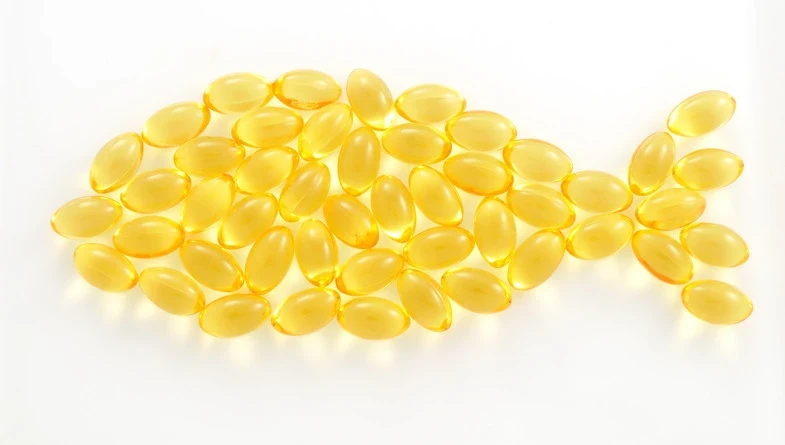
Fish oil naturally aligns with halal requirements, but processing methods and capsule materials require verification. Our Outshine Omega 3 represents the kind of high-purity fish oil that meets both potency and halal standards.
These common supplements often use non-halal gelatin capsules. Look for brands that specifically address halal requirements in their manufacturing processes.
Plant-based supplements are generally halal-friendly, but extraction methods and capsule materials still require verification to ensure complete compliance.
Traditional softgels often use pork-derived gelatin, which is prohibited in halal dietary laws. Halal gelatin softgels source their encapsulation material from halal-certified bovine or innovative plant-based alternatives.
Several brands offer halal-certified products, but always verify current certification status before purchasing. Look for clear halal certification marks from recognized Islamic authorities on packaging.
Many common medications use animal-based gelatin capsules. Contact the manufacturer directly or consult with a knowledgeable pharmacist about halal alternatives or vegetarian capsule options.
While vegetarian softgels avoid all animal products, halal softgels may use animal-derived ingredients that meet Islamic dietary requirements. Both can be suitable for Muslim consumers depending on personal preferences.
Halal softgels have the same safety profile as conventional softgels. The halal certification process doesn't affect the bioavailability or effectiveness of the active ingredients.
Choosing halal certified softgels requires more than surface-level label reading. It demands understanding of certification processes, ingredient sourcing, and manufacturing standards. The supplement industry continues evolving to meet diverse dietary requirements, making it easier for Muslim consumers to find products that align with both their health goals and religious values. Remember that authentic halal compliance involves the entire production chain, not just the final product labeling.


Someone sent you
Error
Powered by ReferRush