


Curcumin Tutorial: Maximizing Bioavailability for Joint Support

Get personalised recommendations with our assessment.
Personalised Health Diagnosis (PHD)
Curcumin, the golden compound found in turmeric root, has captured the attention of health enthusiasts and researchers alike for its remarkable anti-inflammatory and antioxidant properties. While this powerful curcuminoid offers significant potential for joint support and overall wellness, many people struggle to unlock its full benefits due to poor bioavailability. The human body naturally has difficulty absorbing curcumin in its raw form, which means that simply adding turmeric to your meals or taking basic supplements may not deliver the therapeutic effects you're seeking. Understanding how to maximize curcumin absorption through proper formulation, timing, and complementary nutrients can transform your experience with this ancient healing compound. This comprehensive tutorial will guide you through evidence-based strategies to enhance bioavailability and optimize curcumin's joint-supporting benefits.
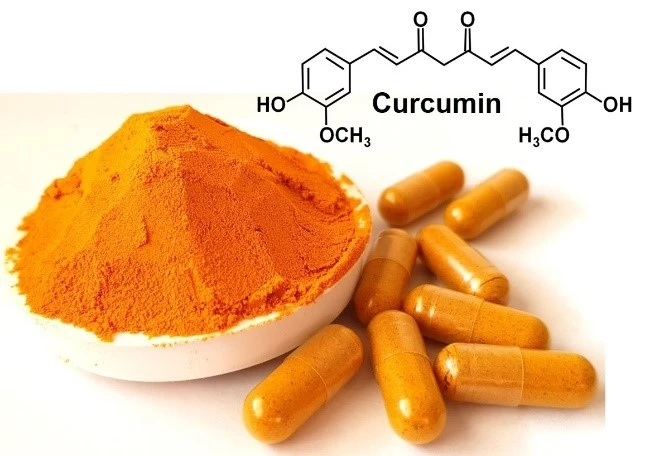
Curcumin stands out among natural health supplements due to its unique molecular structure and multifaceted approach to inflammation management. This anti-inflammatory spice targets multiple pathways simultaneously, addressing the root causes of joint discomfort rather than just masking symptoms.
The compound works by inhibiting pro-inflammatory enzymes and cytokines that trigger joint inflammation. Unlike synthetic alternatives, curcumin provides a gentle yet effective approach to managing inflammatory responses without compromising the body's natural healing processes.
Beyond inflammation control, curcumin's antioxidant properties help neutralize free radicals that can damage cartilage and joint tissues. This dual action makes it particularly valuable for long-term joint health maintenance and protection against age-related wear.
The biggest obstacle to experiencing curcumin benefits lies in the compound's naturally poor bioavailability. When consumed in its standard form, less than 1% of curcumin reaches systemic circulation due to rapid metabolism by the liver and poor water solubility.
Traditional turmeric extract contains only 2-8% curcuminoids by weight, and these compounds are quickly broken down by digestive enzymes before reaching target tissues. This explains why many people report minimal effects from basic turmeric supplements or culinary use alone.
The liver's detoxification process rapidly converts curcumin into inactive metabolites that are quickly eliminated. Additionally, curcumin's fat-loving nature means it requires specific delivery mechanisms to cross intestinal barriers effectively.
Several proven strategies can dramatically improve curcumin bioavailability without requiring complex interventions. These natural enhancement methods work by either slowing metabolism, improving solubility, or facilitating cellular uptake.
Black pepper extract containing piperine can increase curcumin absorption significantly. Piperine inhibits certain liver enzymes, allowing more curcumin to remain in its active form for longer periods.
Consuming curcumin with healthy fats significantly improves absorption since curcuminoids are fat-soluble compounds. Coconut oil, olive oil, or even a small amount of ghee can enhance bioavailability when taken with curcumin supplements.
Taking curcumin with meals, particularly those containing some fat content, maximizes absorption potential. Dividing daily doses into 2-3 smaller servings throughout the day maintains more consistent blood levels compared to single large doses.
Modern supplement science has developed sophisticated delivery systems that address curcumin's bioavailability challenges through innovative formulation approaches. These technologies can increase absorption rates dramatically compared to standard curcumin extracts.
Liposomal formulations encapsulate curcumin in phospholipid spheres that protect the compound during digestion and facilitate cellular uptake. This technology mimics the body's natural fat transport mechanisms for superior bioavailability.
Curcumin phytosomes bind curcuminoids to phosphatidylcholine, creating a more bioavailable complex that demonstrates significantly better absorption. These formulations represent a major advancement in natural health supplements delivery.
Not all curcumin products deliver equal results, making supplement selection crucial for achieving desired joint support benefits. Understanding key quality markers helps ensure you invest in formulations that provide genuine therapeutic value.
Look for supplements standardized to contain at least 95% curcuminoids, with clear labeling of individual compound percentages. This standardization ensures consistent potency across batches and predictable therapeutic effects.
Quality supplements undergo independent testing for heavy metals, pesticides, and microbial contamination. Certificates of analysis should be readily available, demonstrating commitment to product safety and purity standards.
Effective formulations include proven absorption enhancers like piperine, lecithin, or specialized delivery systems. At Ace Blend, our Curcumin Wonder Latte incorporates 500mg of optimized curcumin in a modern take on traditional haldi doodh, designed for maximum bioavailability and immune support.
Timing curcumin supplementation strategically can significantly impact its effectiveness for joint health applications. Understanding optimal dosing schedules helps maximize anti-inflammatory benefits while minimizing potential digestive sensitivity.
Taking curcumin 30-60 minutes before physical activity can help preemptively address exercise-induced inflammation. This proactive approach supports joint comfort during and after workout sessions, particularly for high-impact activities.
Consuming curcumin supplements with meals containing moderate fat content optimizes absorption while reducing potential stomach irritation. This timing also aligns with natural digestive processes for better utilization.
Curcumin works synergistically with several other natural compounds to provide comprehensive joint support. Strategic nutrient combinations can enhance overall effectiveness while addressing multiple aspects of joint health and mobility.
The combination of curcumin and omega-3 fatty acids provides dual anti-inflammatory pathways that complement each other effectively. This pairing addresses both acute and chronic inflammatory processes affecting joint health, creating a more comprehensive approach to wellness.
Magnesium supports muscle relaxation and proper joint function, making it an excellent companion to curcumin supplementation. Together, they address both inflammatory and mechanical aspects of joint health for more complete support.
While curcumin demonstrates an excellent safety profile for most individuals, understanding potential interactions and contraindications ensures responsible supplementation. Proper awareness helps maximize benefits while minimizing any risks.
Curcumin may enhance the effects of anticoagulant medications, requiring medical supervision for individuals taking blood thinners. This interaction stems from curcumin's ability to affect clotting mechanisms naturally.
Some individuals may experience mild digestive upset when first introducing curcumin supplements. Starting with lower doses and gradually increasing intake allows the digestive system to adapt while maintaining therapeutic benefits.
Most people begin experiencing joint comfort improvements within 2-4 weeks of consistent curcumin use, though some may notice benefits sooner. Optimal results typically develop over 8-12 weeks of regular supplementation with properly absorbed formulations.
While curcumin is generally safe, it can interact with blood-thinning medications, diabetes drugs, and certain treatments. Always consult your healthcare provider before adding curcumin supplements to your routine if you take prescription medications.
Turmeric contains only 2-8% curcuminoids, while curcumin supplements provide concentrated, standardized amounts of the active compounds. Curcumin supplements offer more predictable therapeutic effects for joint support applications.
Taking curcumin with meals, particularly those containing some fat, significantly improves absorption and reduces potential digestive irritation. The fat content helps solubilize the fat-loving curcumin compounds for better bioavailability.
Effective doses typically range from 500-1000mg of standardized curcumin extract daily, divided into 2-3 doses. However, bioavailable formulations may require lower doses to achieve similar therapeutic effects compared to standard extracts.
Maximizing curcumin's bioavailability transforms this powerful compound from a promising natural remedy into an effective tool for joint support and overall wellness. The key lies in choosing properly formulated supplements that address absorption challenges through proven enhancement strategies like piperine inclusion, liposomal delivery, or phytosome technology. Timing your supplementation with meals containing healthy fats, dividing doses throughout the day, and combining curcumin with synergistic nutrients can further optimize results. Remember that consistency matters more than perfection – regular use of a well-absorbed curcumin supplement will deliver far better outcomes than sporadic use of even the highest-quality products. As you embark on your curcumin journey, monitor your progress, start with appropriate doses, and consult healthcare providers when necessary to ensure safe and effective supplementation that supports your long-term joint health goals.


Someone sent you
Powered by ReferRush