


Circadian Rhythm Foods: Your Complete Guide

Get personalised recommendations with our assessment.
Personalised Health Diagnosis (PHD)
Your body runs on an internal clock that's been ticking for millions of years. This biological timekeeper, known as your circadian rhythm, doesn't just control when you feel sleepy or alert—it orchestrates nearly every function in your body. What most people don't realize is that the foods you eat and when you eat them can either support this natural rhythm or completely throw it off track. The science is clear: strategic nutrition isn't just about calories and macros anymore. It's about eating in harmony with your body's natural cycles to unlock better sleep, sustained energy, and optimal health.
Your circadian rhythm operates like a master conductor, coordinating everything from hormone release to body temperature fluctuations. This internal clock is primarily regulated by light exposure, but emerging research reveals that meal timing and food choices play equally crucial roles in maintaining circadian alignment. When you eat sends powerful signals to your body's peripheral clocks—specialized timekeepers located in your liver, pancreas, and digestive system. These organs have their own circadian rhythms that need to stay synchronized with your central brain clock. Eating at irregular times or consuming the wrong foods can create internal chaos, leading to poor sleep quality, energy crashes, and metabolic dysfunction. The science behind chronobiology shows that your digestive system follows predictable patterns throughout the day. Your stomach produces more acid in the morning, preparing for food intake. Insulin sensitivity peaks during daylight hours, making your body more efficient at processing carbohydrates. As evening approaches, your metabolism naturally slows down, shifting focus from energy production to repair and restoration. This biological programming means that a late-night pizza hits your system differently than the same meal consumed at lunch. Your body simply isn't equipped to handle heavy, complex foods when it's preparing for sleep mode. Understanding this connection is the first step toward eating for better circadian health.
Certain foods contain natural compounds that directly support your body's sleep-wake cycle. These circadian rhythm foods work by providing the raw materials your body needs to produce sleep hormones and maintain healthy neurotransmitter balance. The key is understanding which nutrients support sleep and when to consume them for maximum benefit. Your body's ability to synthesize melatonin, the primary sleep hormone, depends on having the right building blocks available at the right times.
Tart cherries top the list of natural melatonin sources. Studies show that drinking tart cherry juice twice daily can increase sleep time by up to 84 minutes. The natural melatonin in cherries is bioavailable and works synergistically with other sleep-promoting compounds. Walnuts and pistachios also contain significant amounts of melatonin. A handful of walnuts provides enough melatonin to support natural sleep onset. Pistachios offer the added benefit of magnesium, which helps activate the parasympathetic nervous system.
Tryptophan is an essential amino acid that your body converts into serotonin, which then transforms into melatonin. Turkey is famous for its tryptophan content, but many other foods provide this crucial sleep precursor. Milk and dairy products contain both tryptophan and calcium, which helps the brain use tryptophan more effectively. The traditional glass of warm milk before bed has solid scientific backing. Seeds like pumpkin seeds and sunflower seeds offer plant-based tryptophan along with sleep-supporting minerals.
Magnesium acts as nature's relaxation mineral, helping to calm the nervous system and prepare your body for sleep. Dark leafy greens like spinach and Swiss chard provide highly absorbable magnesium along with other sleep-supporting nutrients. Pumpkin seeds and almonds offer concentrated magnesium in convenient, portable forms. Even dark chocolate can support sleep when consumed earlier in the day, providing magnesium without the stimulating effects of caffeine found in milk chocolate.
The timing of your meals matters just as much as what you eat. Your body's digestive capacity and nutrient needs shift dramatically throughout the day, making meal timing a powerful tool for circadian alignment. Morning nutrition should focus on energizing your system and setting a strong circadian signal. Evening foods should promote relaxation and prepare your body for restorative sleep. This isn't just about avoiding caffeine—it's about choosing foods that actively support your body's natural rhythms.
Protein-rich breakfasts help stabilize blood sugar and provide sustained energy throughout the day. Eggs, Greek yogurt, and plant-based proteins signal to your body that it's time to be alert and active. Complex carbohydrates like oatmeal and whole grain toast provide steady glucose release, preventing the energy crashes that can disrupt circadian rhythms. Pairing protein with complex carbs creates the ideal morning fuel combination.
Light, easily digestible foods work best in the evening when your digestive system is winding down. Steamed vegetables, lean proteins, and simple carbohydrates require less energy to process. Anti-inflammatory foods like fatty fish, berries, and leafy greens help reduce inflammation that can interfere with sleep quality. Herbal teas provide hydration without the diuretic effects of caffeine.
Building a diet that supports healthy sleep cycles requires knowing which specific foods provide the greatest benefits. These sleep-promoting foods have been studied extensively and shown to improve both sleep quality and duration. The most effective approach combines multiple sleep-supporting nutrients rather than relying on a single food. This creates a synergistic effect that's more powerful than any individual component.
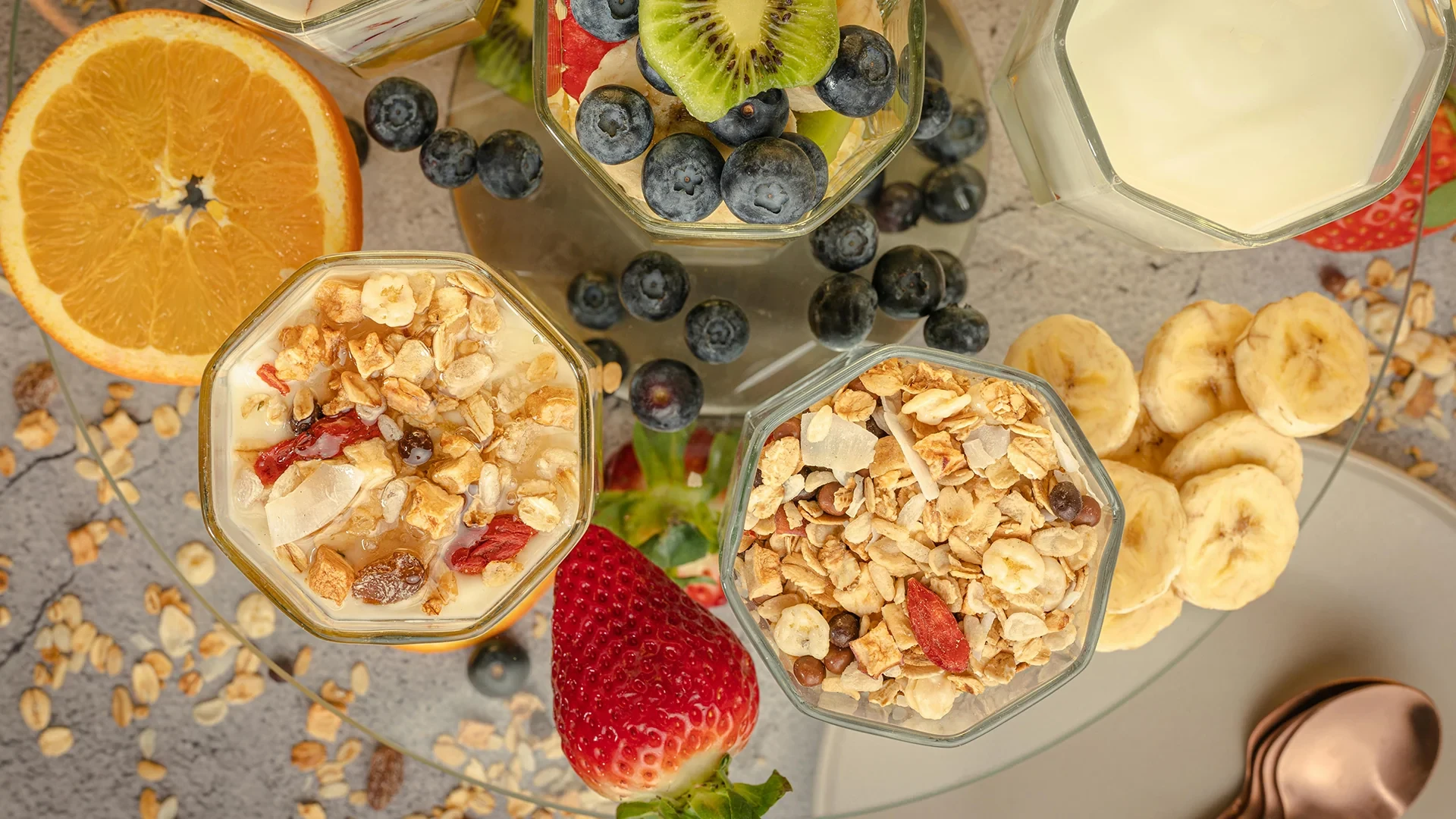
Kiwi fruit stands out as one of the most potent sleep-promoting fruits. Research shows that eating two kiwis one hour before bedtime can improve sleep onset time by 35% and increase total sleep time by 13%. Bananas provide natural muscle relaxants including potassium and magnesium. They also contain tryptophan and natural sugars that help transport tryptophan to the brain more effectively.
Oatmeal triggers serotonin production while providing sustained energy release. The complex carbohydrates in oats help transport tryptophan across the blood-brain barrier. Brown rice has a high glycemic index, which can be beneficial when consumed in the evening. This helps increase the availability of tryptophan in the brain, promoting natural melatonin production.
Chamomile tea contains apigenin, a compound that binds to brain receptors to promote sleepiness. Regular chamomile consumption has been shown to improve overall sleep quality. Passionflower tea increases GABA production in the brain, helping to quiet mental chatter and promote relaxation. Golden milk, made with turmeric and warm plant milk, provides anti-inflammatory compounds that support restorative sleep.
Just as certain foods promote healthy sleep cycles, others can significantly disrupt your circadian rhythm. Understanding these circadian disruptors is crucial for maintaining consistent sleep patterns. The timing of disruptive foods matters more than complete avoidance. Many foods that interfere with sleep when consumed late in the day can actually support circadian health when eaten at appropriate times.
Caffeine has a half-life of 6-8 hours, meaning that afternoon coffee can still affect your sleep quality even if you don't feel actively stimulated. The key is understanding your personal caffeine sensitivity and adjusting timing accordingly. High-sugar foods cause blood sugar spikes followed by crashes that can wake you up during the night. These glucose fluctuations disrupt the steady metabolic state your body needs for deep sleep. Heavy, fatty meals require significant digestive energy and can raise your core body temperature when your body is trying to cool down for sleep. The 3-hour rule before bedtime helps ensure proper digestion.
Alcohol might make you feel drowsy initially, but it significantly disrupts sleep architecture, reducing REM sleep and causing frequent awakenings. Even moderate alcohol consumption can affect sleep quality for several hours. Late-night snacking, regardless of food choice, sends wake signals to your digestive system. This can delay the natural drop in core body temperature that signals sleep onset.
Implementing circadian nutrition principles requires a strategic approach to meal planning. The goal is creating sustainable eating patterns that support your natural rhythms while fitting into your lifestyle. Successful circadian eating isn't about perfection—it's about consistency. Small, sustainable changes in meal timing and food choices can create significant improvements in sleep quality and daily vitality.
A circadian-friendly day starts with protein-rich breakfast within 2 hours of waking. This could include eggs with vegetables, Greek yogurt with berries, or a plant-based protein smoothie. Midday meals should be your largest, taking advantage of peak insulin sensitivity and digestive capacity. Include lean proteins, complex carbohydrates, and plenty of vegetables. Early dinner, ideally 3-4 hours before bedtime, focuses on lighter proteins and easily digestible carbohydrates. If evening snacks are needed, choose foods high in tryptophan or magnesium.
Batch cooking circadian-friendly meals saves time while ensuring you always have appropriate options available. Prepare proteins, grains, and vegetables separately for maximum flexibility. Portable sleep-supporting snacks like mixed nuts, cherry juice, or herbal tea bags make it easier to stick to your circadian eating plan when away from home.
Answer: Most people notice improvements in sleep quality within 3-7 days of consistently eating circadian-supportive foods. However, full circadian rhythm optimization can take 2-4 weeks as your body adjusts to new eating patterns and meal timing.
Answer: While foods alone can't completely reset your sleep schedule, strategic eating can significantly support circadian rhythm adjustments. Combining proper meal timing with light exposure and consistent sleep schedules provides the most effective approach to resetting your internal clock.
Answer: Finish your last substantial meal 3-4 hours before bedtime to allow proper digestion. If you need an evening snack, choose light options high in tryptophan or magnesium 1-2 hours before sleep.
Answer: Yes, tart cherries, walnuts, pistachios, and tomatoes contain natural melatonin. Tart cherry juice is particularly effective, with studies showing significant improvements in sleep duration and quality when consumed regularly.
Answer: Meal timing sends powerful signals to your peripheral body clocks, particularly in your digestive organs. Eating at consistent times helps synchronize these clocks with your central brain clock, while irregular eating patterns can disrupt circadian alignment.
Answer: Diet is a powerful tool for improving sleep quality, but it works best as part of a comprehensive approach that includes proper sleep hygiene, stress management, and regular exercise. Severe sleep disorders may require medical intervention beyond dietary changes.
Your relationship with food extends far beyond nutrition—it's a direct line of communication with your body's internal clock. By choosing the right foods at the right times, you can work with your natural circadian rhythms instead of against them. The science is clear: what you eat and when you eat it profoundly impacts your sleep quality, energy levels, and overall health. Small changes in meal timing and food choices can create dramatic improvements in how you feel and function. Start with one or two changes rather than overhauling your entire diet overnight. Focus on consistent meal timing first, then gradually incorporate more sleep-promoting foods while reducing circadian disruptors. Your body's ancient wisdom is waiting to guide you toward better health—you just need to listen.


Someone sent you
Powered by ReferRush