


11 Foods for Thyroid Health: Boost Your Thyroid Diet

Get personalised recommendations with our assessment.
Personalised Health Diagnosis (PHD)
Your thyroid might be small, but it's running the show when it comes to your metabolism, energy levels, and overall vitality. This butterfly-shaped gland in your neck produces hormones that regulate everything from your heart rate to how quickly you burn calories. When your thyroid isn't functioning optimally, you feel it everywhere—fatigue, weight changes, brain fog, and mood swings become unwelcome daily companions. The good news? Nutrition for thyroid management can be a game-changer. The right foods provide the essential nutrients your thyroid craves to produce hormones efficiently and maintain optimal function.
Your thyroid operates like a sophisticated chemical factory, converting iodine and the amino acid tyrosine into the hormones T3 and T4. These hormones then travel throughout your body, telling your cells how fast to work and how much energy to burn. When this process gets disrupted—whether through nutrient deficiencies, stress, or autoimmune conditions—your entire system feels the impact.
Thyroid and nutrition share an intricate relationship that goes beyond basic calorie counting. Specific micronutrients act as cofactors in hormone production, while others support the conversion of inactive T4 to active T3. Without adequate nutrition, even a healthy thyroid can struggle to meet your body's demands.
Your body sends clear signals when your thyroid health is compromised by poor nutrition. Persistent fatigue despite adequate sleep, unexplained weight gain or difficulty losing weight, and feeling cold when others are comfortable are classic red flags.
Think of your thyroid as a high-performance engine that requires premium fuel to run smoothly. Certain nutrients are non-negotiable for proper thyroid function, and deficiencies in these areas can derail your hormonal balance faster than you'd expect.
The most critical players include iodine for hormone synthesis, selenium for antioxidant protection and hormone conversion, and iron for proper enzyme function. But the supporting cast—zinc, magnesium, vitamin A, and B vitamins—plays equally important roles in maintaining optimal thyroid performance.
When you're deficient in key nutrients, your thyroid can't produce adequate hormones, leading to hypothyroidism symptoms. Nutrition for hypothyroidism becomes crucial because these deficiencies often create a vicious cycle—poor thyroid function affects nutrient absorption, which further compromises thyroid health.
These powerhouse foods provide the specific nutrients your thyroid needs to function at its peak. Each one brings unique benefits that support different aspects of thyroid health, from hormone production to inflammation reduction.
Incorporating these foods for thyroid health into your daily routine doesn't require a complete dietary overhaul—small, consistent changes can yield significant improvements in how you feel and function.
1. Seaweed and Sea Vegetables: Kelp, nori, and dulse are nature's most concentrated iodine sources. Just one gram of kelp can provide up to 2,000% of your daily iodine needs, making it a potent addition to your thyroid diet.
2. Wild-Caught Fish: Cod, tuna, and salmon deliver both iodine and selenium in one package. The omega-3 fatty acids in these fish also help reduce inflammation that can interfere with thyroid function.
3. Dairy Products: Milk, yogurt, and cheese provide iodine along with calcium and protein. Choose organic, grass-fed options when possible for the highest nutrient density.
4. Brazil Nuts: Just two Brazil nuts provide your entire daily selenium requirement. This mineral is essential for converting T4 to the more active T3 hormone and protecting your thyroid from oxidative damage.
5. Sunflower Seeds: These crunchy seeds combine selenium with vitamin E, creating a powerful antioxidant duo that supports thyroid health while fighting inflammation.
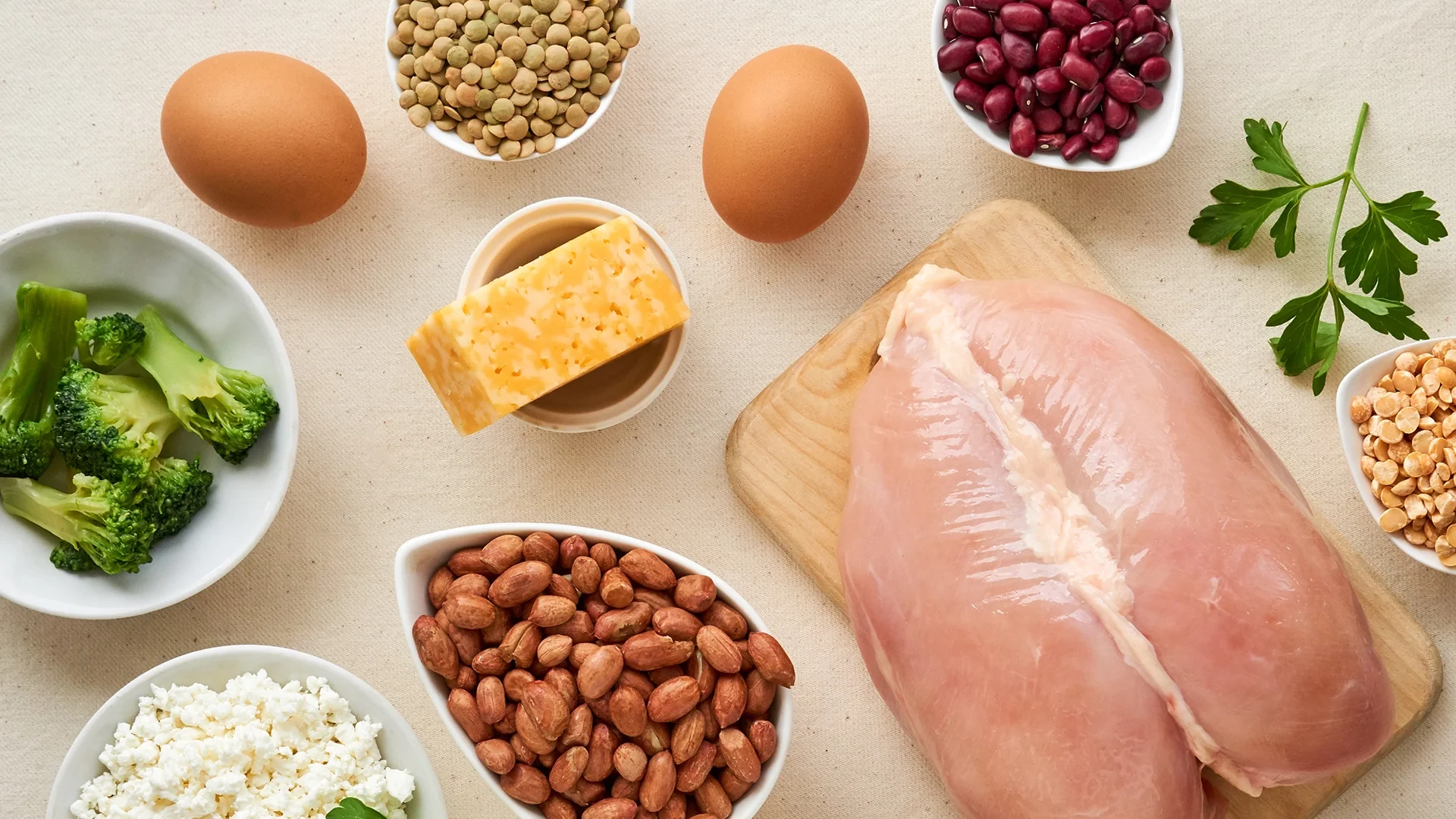
6. Eggs: Particularly the yolks, eggs provide selenium, iodine, and tyrosine—the amino acid your thyroid uses to make hormones. They're also rich in choline, which supports overall metabolic function.
7. Pumpkin Seeds: These seeds are zinc powerhouses, providing the mineral necessary for thyroid hormone production and immune function. They're also rich in magnesium, which many thyroid patients are deficient in.
8. Lean Meats: Grass-fed beef and organic poultry provide heme iron, which is more easily absorbed than plant-based iron. They also supply B vitamins crucial for energy metabolism.
9. Legumes: Lentils, chickpeas, and beans offer plant-based iron, fiber, and protein. The fiber helps maintain stable blood sugar levels, which is important for thyroid patients who often struggle with metabolic issues.
10. Berries: Blueberries, strawberries, and blackberries are packed with antioxidants that combat the oxidative stress often elevated in thyroid disorders. They're also low in sugar compared to other fruits.
11. Leafy Greens: Spinach, kale, and Swiss chard provide folate, magnesium, and iron. While they contain goitrogens, cooking neutralizes these compounds, making them safe and beneficial for thyroid health.
Not all foods support thyroid function—some can actively interfere with hormone production or absorption. Understanding which foods to avoid with thyroid issues is just as important as knowing what to include in your diet.
The key isn't necessarily complete avoidance but rather smart preparation and timing. Many foods that can interfere with thyroid function become safe when properly prepared or consumed at the right times.
Cruciferous vegetables like broccoli, cauliflower, and cabbage contain goitrogens—compounds that can interfere with iodine uptake. However, cooking these vegetables deactivates most goitrogens, making them safe and nutritious additions to your diet for thyroid health.
Ultra-processed foods, excessive sugar, and trans fats promote inflammation that can worsen autoimmune thyroid conditions. Gluten may also be problematic for some thyroid patients, particularly those with Hashimoto's thyroiditis.
Building an effective thyroid diet isn't about following a one-size-fits-all approach—it's about understanding your individual needs and creating sustainable habits that support long-term thyroid health. Your optimal nutrition plan should consider your specific thyroid condition, medication timing, and lifestyle factors.
The goal is to create a foundation of nutrient-dense foods while avoiding those that interfere with thyroid function or medication absorption. This approach supports not just your thyroid but your overall health and energy levels.
If you take thyroid medication, timing your meals becomes crucial for optimal absorption. Most thyroid medications should be taken on an empty stomach, at least 30-60 minutes before eating, and several hours away from calcium, iron, or fiber supplements.
While nutrition forms the foundation of thyroid support, other factors like stress management, adequate sleep, and regular exercise also play crucial roles. At Ace Blend, we understand that optimal health requires a comprehensive approach, which is why our functional products are designed to complement a thyroid-friendly lifestyle.
Most people notice improvements in energy and symptoms within 4-8 weeks of implementing a thyroid-supportive diet. However, it can take 3-6 months to see significant changes in thyroid hormone levels through blood tests.
While nutrition is crucial for thyroid health, most cases of hypothyroidism require medical treatment. Diet can significantly improve symptoms and support thyroid function but shouldn't replace prescribed medication without medical supervision.
A protein-rich breakfast with healthy fats works best—think eggs with avocado, Greek yogurt with berries and nuts, or a protein smoothie. This combination helps stabilize blood sugar and provides sustained energy.
Supplements can be beneficial if you have specific deficiencies, but it's best to test your nutrient levels first. High-quality supplements like our Max Magnesium can support thyroid function when used as part of a comprehensive approach.
Yes, foods high in calcium, iron, fiber, or soy can interfere with thyroid medication absorption. Take your medication on an empty stomach and wait at least an hour before consuming these foods.
Supporting your thyroid through nutrition isn't about perfection—it's about making consistent, informed choices that nourish this vital gland. The 11 foods we've outlined provide the essential nutrients your thyroid needs to function optimally, while avoiding problematic foods helps prevent interference with hormone production and absorption.
Remember that nutrition for thyroid management works best as part of a comprehensive approach that includes proper medical care, stress management, and quality supplements when needed. Start by incorporating one or two thyroid-supportive foods into your daily routine, then gradually build from there. Your thyroid—and your energy levels—will thank you for the investment in your long-term health.


Someone sent you
Powered by ReferRush