










Whey Protein Isolate vs Concentrate: Complete Guide


Get personalised recommendations with our assessment.
Personalised Health Diagnosis (PHD)
The protein powder aisle can feel like a maze. Two names dominate the shelves: whey protein isolate and whey protein concentrate. Both promise muscle gains, faster recovery, and better performance. But here's the thing—they're not the same. The differences go beyond just price tags and fancy marketing claims. Understanding isolate vs concentrate isn't just about picking a protein powder. It's about choosing the right fuel for your body, your goals, and your lifestyle. Whether you're chasing peak performance or simply trying to hit your daily protein targets, knowing these differences will save you money and deliver better results.
Let's cut through the noise. The main difference between whey protein isolate and whey protein concentrate comes down to processing intensity and what remains after filtration. Think of it like refining crude oil—the more you process it, the purer the end product becomes.
Whey protein concentrate undergoes basic filtration, leaving it with 70-80% protein content. The remaining 20-30% consists of fats, carbohydrates (mainly lactose), and bioactive compounds.
Whey protein isolate goes through additional processing steps, including cross-flow microfiltration or ion exchange, resulting in 90%+ protein purity. Here's what this means for you:
• Protein content: Isolate delivers more protein per scoop
• Lactose levels: Isolate contains less than 1% lactose vs 4-6% in concentrate
• Fat content: Isolate has minimal fat, concentrate retains natural milk fats
• Processing cost: More intensive processing makes isolate pricier
• Absorption speed: Isolate typically absorbs faster due to higher purity
The choice between these protein powder types isn't about one being "better" than the other. It's about matching the right option to your specific needs, digestive tolerance, and budget.
Whey protein isolate represents the premium tier of protein supplements. The additional processing steps strip away almost everything except pure protein, creating a product that's as close to pure amino acids as you can get from whey.
The magic happens during processing. Cross-flow microfiltration uses ceramic membranes with microscopic pores to separate protein from other milk components. This process preserves the protein's natural structure while removing lactose, fat, and ash. Some manufacturers use ion exchange methods, though this can denature certain proteins. The result? A powder that's 90-95% pure protein. Each 30-gram scoop typically delivers 27-28 grams of actual protein. Compare this to concentrate, where the same scoop might only provide 21-24 grams of protein.
The high purity of whey protein isolate creates several advantages. For those with lactose sensitivity, isolate becomes a game-changer. The minimal lactose content (often less than 0.5%) means you can enjoy protein supplements without digestive discomfort. Isolate shines as a muscle recovery protein due to its rapid absorption. The lack of fats and carbohydrates means your body can quickly access the amino acids. This makes it ideal as a post workout protein when your muscles are primed for nutrient uptake. For stress management, protein plays a crucial role in neurotransmitter production. Quality protein for stress support helps maintain stable blood sugar levels, preventing the cortisol spikes that come with energy crashes.
Isolate makes sense in specific scenarios. If you're cutting calories or following a strict macro plan, every gram counts. The higher protein density means you get more muscle-building amino acids with fewer total calories. Lactose intolerant individuals often find isolate their only viable whey option. The extensive processing removes enough lactose to prevent digestive issues in most people. Those with sensitive stomachs also tend to tolerate isolate better than concentrate.
Whey protein concentrate takes a different approach. Instead of stripping everything away, it preserves many of the beneficial compounds naturally found in milk. This creates a more "whole food" approach to protein supplementation.
Concentrate processing is gentler and less intensive. Basic filtration removes some water and minerals while retaining most bioactive compounds. The protein content typically ranges from 70-80%, with the remainder consisting of naturally occurring fats, carbohydrates, and immune-supporting compounds like immunoglobulins and lactoferrin. This minimal processing approach preserves the protein's natural structure and maintains beneficial compounds that more intensive processing might destroy. The result is a product that's closer to whole milk in composition, just with concentrated protein levels.
The retained bioactive compounds in concentrate offer unique advantages. Immunoglobulins support immune function, while lactoferrin provides antimicrobial properties. These compounds work synergistically with the protein to support overall health beyond just muscle building. Taste is another major advantage. The natural fats and carbohydrates create a creamier, more satisfying texture. Many users find concentrate mixes better and tastes more like an actual milkshake rather than a medicinal supplement. For muscle recovery protein needs, concentrate delivers excellent results at a more accessible price point. The slightly slower absorption can actually be beneficial for sustained amino acid release, especially when used between meals.
Budget considerations often drive the decision toward concentrate. You're getting quality protein at a lower cost per serving. For most people without lactose sensitivity, the 4-6% lactose content in concentrate poses no digestive issues. The additional compounds in concentrate may provide benefits beyond pure protein content. Some research suggests these bioactive compounds support immune function and overall health in ways that isolated protein cannot match.
Let's examine the numbers that matter most when comparing these protein supplements. Understanding the nutritional differences helps you make an informed choice based on your specific goals and dietary requirements.
Both isolate and concentrate provide complete amino acid profiles with high biological values. The key difference lies in concentration. A typical 30-gram serving of isolate delivers 27-28 grams of protein, while the same amount of concentrate provides 21-24 grams. The amino acid profiles are nearly identical, with both containing optimal levels of leucine for muscle protein synthesis. Isolate might have a slight edge in leucine density due to higher overall protein concentration, but the difference is minimal. Digestibility scores favor isolate slightly due to reduced lactose and fat content. However, both forms score well on protein digestibility corrected amino acid score (PDCAAS) ratings.
The macronutrient breakdown reveals where these protein powder types truly differ. Isolate typically contains 110-120 calories per 30-gram serving, with minimal carbohydrates (0-1 gram) and fat (0-0.5 grams). Concentrate ranges from 120-130 calories with 2-4 grams of carbohydrates and 1-3 grams of fat. For those tracking macros strictly, these differences add up. If you're consuming 2-3 protein servings daily, concentrate adds an extra 20-30 calories and 4-9 grams of carbohydrates to your daily intake.
Price per gram of actual protein tells the real story. While isolate costs more upfront, the higher protein density can narrow the gap. Calculate the cost per gram of protein rather than cost per serving to make accurate comparisons. Concentrate typically offers better value for recreational fitness enthusiasts who don't need maximum protein density. Isolate becomes more cost-effective for those requiring precise macro control or dealing with lactose sensitivity.
Your lifestyle, goals, and individual circumstances should drive your protein choice. There's no universal "best" option—only the best option for your specific situation.
New to protein supplements? Start by assessing your lactose tolerance. If you can drink milk without issues, concentrate offers an excellent entry point with better taste and value. Those with any digestive sensitivity should lean toward isolate. Budget considerations matter for beginners building supplement routines. Concentrate allows you to establish consistent protein intake habits without breaking the bank. You can always upgrade to isolate later if needed. Goal clarity helps narrow choices. General fitness and muscle building work well with either option. Specific goals like competition prep or strict weight loss favor isolate's precise macro profile.
Experienced users often employ both types strategically. Isolate works excellently as post workout protein when rapid absorption matters most. Concentrate can serve as a meal replacement or between-meal option when sustained amino acid release is preferred. Timing becomes crucial for advanced applications. Isolate's fast absorption makes it ideal within the post-exercise anabolic window. Concentrate's slower digestion suits pre-bed consumption or extended periods between meals. Stacking with other protein supplements allows for customized approaches. Many advanced users combine whey isolate with casein or plant proteins to create personalized amino acid release profiles throughout the day.
Certain situations clearly favor one option over another. Lactose intolerance makes isolate the obvious choice, though some individuals can tolerate concentrate's low lactose levels. Digestive sensitivity extends beyond lactose—some people simply process isolate more comfortably. Travel convenience often favors isolate due to better mixability and reduced clumping. The lower fat content means isolate mixes more easily with just water, while concentrate benefits from milk or other liquids for optimal taste and texture.
Getting the most from your protein powder involves more than just choosing between isolate and concentrate. Proper usage, timing, and preparation can significantly impact your results.
Concentrate generally wins the taste battle due to retained fats and natural milk sugars. The creamier texture creates a more satisfying drinking experience. Isolate works better with fruit-based flavors and mixes cleaner with water alone. Mixing techniques matter more with concentrate. The higher fat content can create clumping if not mixed properly. Use a shaker bottle with a mixing ball or blend with liquid first, then add powder gradually. Isolate mixes more forgivingly but can taste thin with water alone. Storage affects both types, but concentrate's higher fat content makes it more susceptible to rancidity. Keep containers sealed tightly and store in cool, dry places. Both types maintain quality longer when protected from heat and humidity.
Post workout protein timing favors isolate's rapid absorption, but don't overthink it. Both types effectively support muscle recovery when consumed within a few hours of training. The "anabolic window" is wider than once believed. Daily protein distribution matters more than specific timing. Spread protein intake throughout the day rather than consuming large amounts in single servings. Both isolate and concentrate work well as part of balanced protein intake from multiple sources. Combining with whole foods enhances both types. Add fruits to create complete meals, or mix with oats for sustained energy. Don't rely solely on protein supplements—they should complement, not replace, whole food protein sources.
Isolate typically supports weight loss goals better due to higher protein density and lower calorie content. The reduced carbohydrates and fats make macro tracking easier during cutting phases.
Absolutely. Many people use isolate post-workout for rapid absorption and concentrate at other times for sustained amino acid release. This combination approach can optimize protein timing throughout the day.
Both support muscle building effectively when total daily protein intake is adequate. The difference in muscle-building potential is minimal—consistency matters more than the specific type chosen.
Start with small servings and monitor digestive response. Symptoms like bloating, gas, or stomach discomfort within 30-60 minutes suggest lactose sensitivity. Switch to isolate if these issues persist.
It depends on your specific needs. For lactose sensitivity or strict macro requirements, yes. For general fitness goals without digestive issues, concentrate often provides better value.
Yes, both work in recipes, though concentrate's additional fats and carbohydrates may affect texture differently. Isolate works better in clear liquids, while concentrate adds creaminess to baked goods.
The isolate vs concentrate debate isn't about finding a winner—it's about finding your perfect match. Both deliver high-quality protein that supports muscle growth, recovery, and overall health goals. The choice comes down to individual factors: lactose tolerance, budget constraints, macro requirements, and taste preferences. Concentrate offers excellent value with natural bioactive compounds and superior taste. It's ideal for most people without lactose sensitivity who want quality protein at an accessible price point. Isolate provides maximum protein purity with minimal extras, perfect for those with digestive sensitivities or strict nutritional requirements.
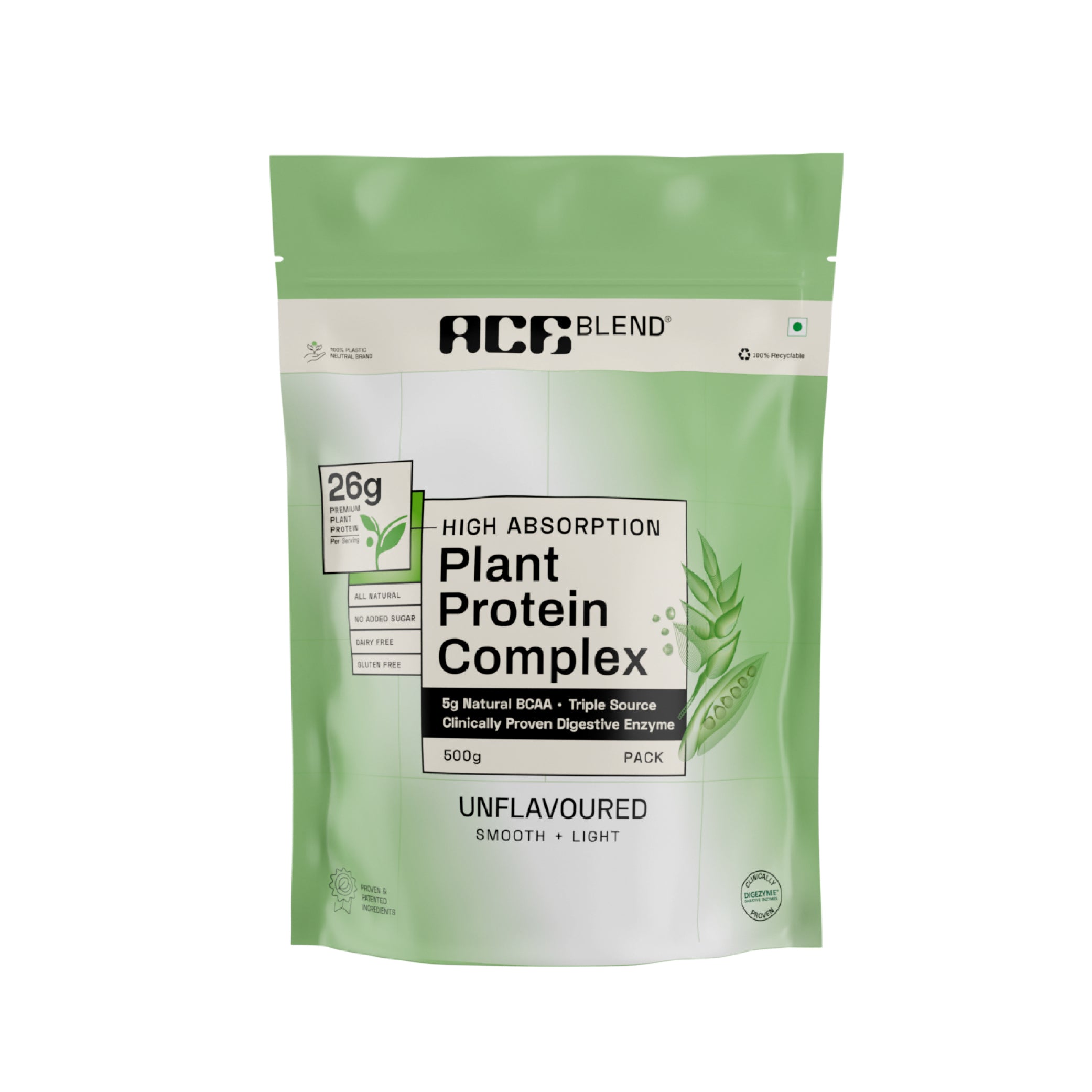
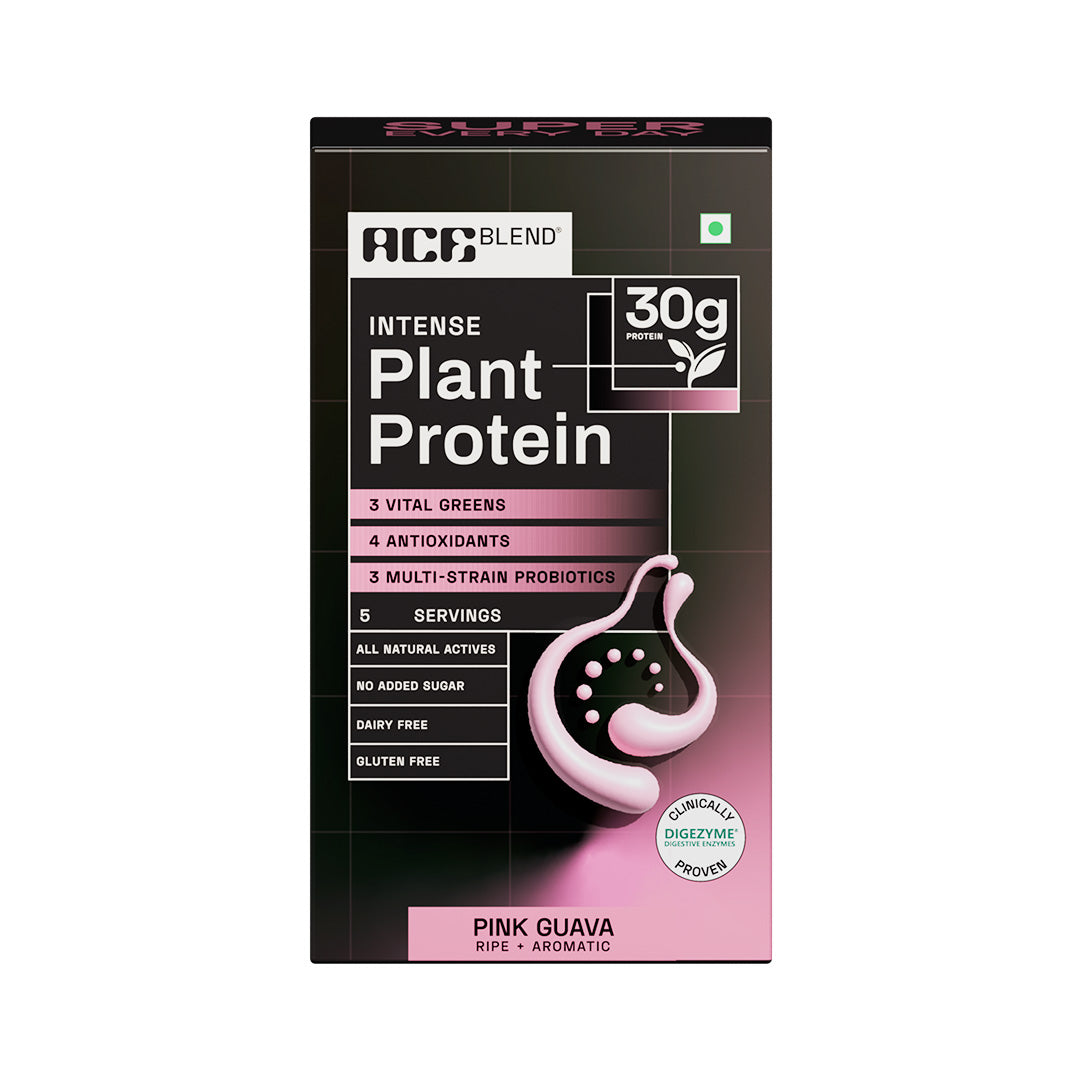
Remember that protein supplements enhance your diet—they don't define it. Whether you choose isolate, concentrate, or alternate between both, consistency in your overall protein intake matters most. Focus on meeting your daily protein needs through a combination of whole foods and supplements that fit your lifestyle and preferences. At Ace Blend, we understand that optimal nutrition isn't one-size-fits-all. Our plant-powered protein options provide complete amino acid profiles without the dairy considerations entirely. Sometimes the best choice isn't choosing between isolate and concentrate—it's choosing a completely different path that aligns with your values and digestive comfort.

