


Vegan Protein 101: Your Complete Diet Guide

Get personalised recommendations with our assessment.
Personalised Health Diagnosis (PHD)
The plant-based revolution isn't just changing how we eat—it's rewriting the rules of nutrition. While skeptics still question whether vegan diets can provide adequate protein, science has moved far beyond these outdated concerns. Today's plant-powered nutrition offers complete amino acid profiles, superior digestibility, and health benefits that animal proteins simply can't match. Whether you're transitioning to veganism or optimizing your current plant-based diet, understanding protein for vegan diet planning is your gateway to peak performance and long-term wellness.
The foundation of any successful vegan nutrition plan starts with understanding your actual protein requirements. Contrary to industry marketing that pushes excessive protein intake, most adults thrive on 0.75-1 gram of protein per kilogram of body weight daily. This translates to roughly 54-68 grams for a 150-pound individual—far less than the protein-obsessed fitness culture suggests.
Your protein needs fluctuate based on several factors beyond basic body weight calculations. Age plays a crucial role, with adults over 65 requiring slightly higher intake to combat muscle loss. Activity level significantly impacts requirements—endurance athletes may need up to 1.6 grams per kilogram, while strength training enthusiasts benefit from 1.2-1.7 grams per kilogram.
The "incomplete protein" narrative has dominated nutrition discussions for decades, yet it's based on outdated research from the 1970s. Modern nutritional science confirms that your body maintains an amino acid pool, drawing from various sources throughout the day to create complete proteins. You don't need to stress about combining specific foods at every meal—variety across your daily intake naturally provides all essential amino acids.
Navigating vegan protein sources becomes effortless once you understand the powerhouse options available. From fermented soy products to ancient grains, plant-based proteins offer diversity that animal proteins can't match. The key lies in incorporating various sources to maximize both nutritional value and culinary satisfaction.
Tempeh leads the soy protein category with 20 grams per 100-gram serving, plus the added benefit of fermentation-enhanced digestibility. The fermentation process creates beneficial probiotics while breaking down compounds that can cause digestive discomfort. Tofu provides 22 grams per cup and serves as a culinary chameleon, absorbing flavors from marinades and spices. Edamame delivers 23 grams per cup while offering a convenient snacking option that requires minimal preparation.
Lentils pack 18 grams of protein per cooked cup while cooking faster than most legumes—red lentils cook in just 15 minutes. Chickpeas provide 8.9 grams per 100 grams and transform into everything from hummus to roasted snacks. Black beans and kidney beans offer similar protein profiles while adding fiber and folate to your meals. Regional varieties like Indian dal and Mediterranean legumes expand your options while keeping costs minimal.
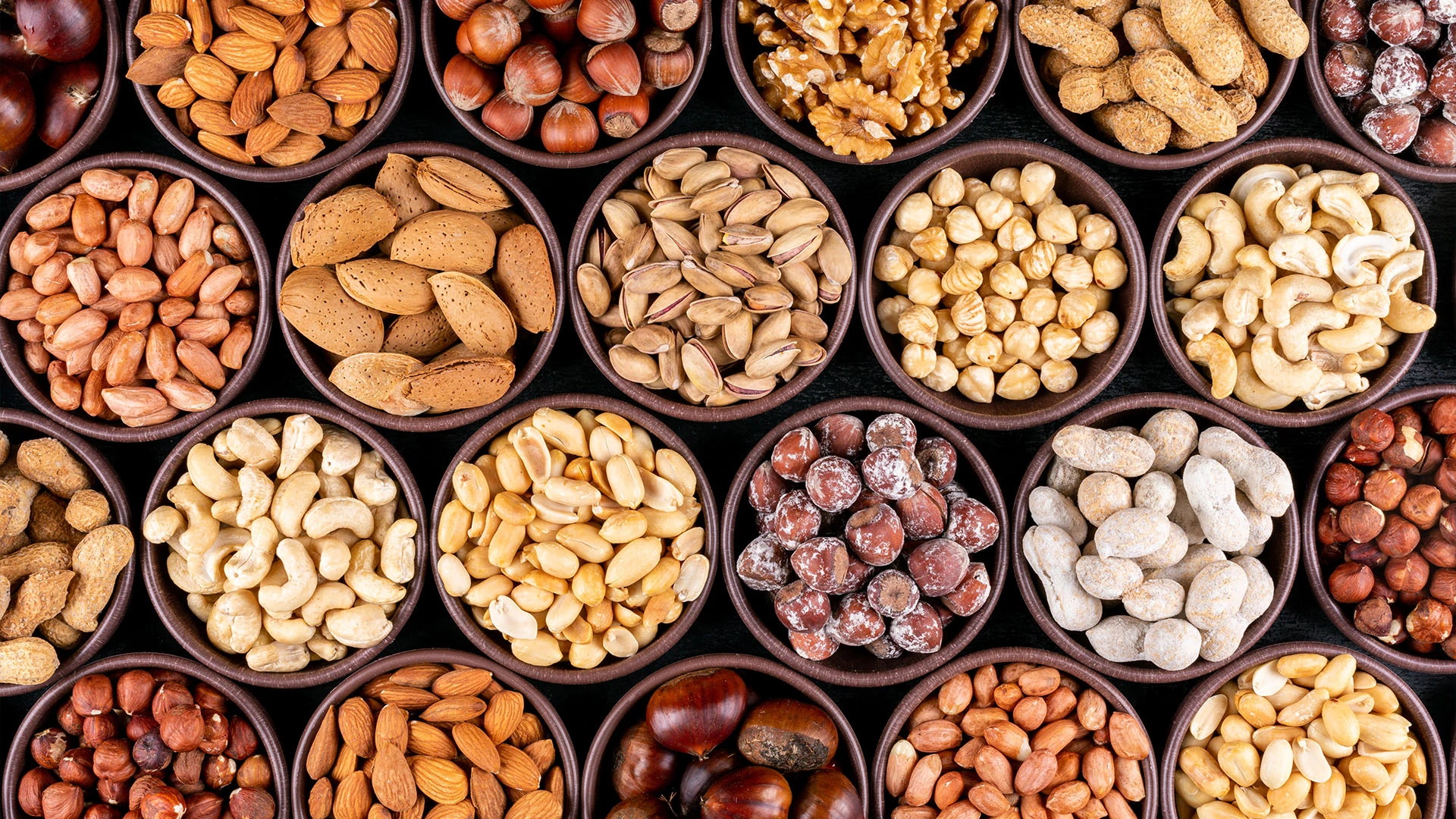
Hemp seeds deliver an impressive 31.5 grams of protein per 100 grams, plus omega-3 fatty acids and magnesium. Pumpkin seeds provide 30 grams of protein alongside zinc and iron. Peanuts offer 26 grams per 100 grams at an affordable price point, making them accessible protein sources for any budget. Almonds and chia seeds round out this category with complete nutritional profiles that support overall wellness.
Understanding complete protein vegan options eliminates the guesswork from meal planning. While animal protein advocates claim superiority, numerous plant foods naturally contain all nine essential amino acids in optimal ratios. These complete proteins simplify nutrition planning while providing additional benefits like fiber, antioxidants, and phytonutrients.
Your body requires nine essential amino acids that it cannot produce independently: histidine, isoleucine, leucine, lysine, methionine, phenylalanine, threonine, tryptophan, and valine. Quinoa, hemp seeds, chia seeds, and soy products naturally contain all nine in adequate proportions. Spirulina and nutritional yeast also provide complete amino acid profiles while delivering additional micronutrients.
Traditional food pairings like rice and beans create complete proteins through complementary amino acid profiles. Rice provides methionine while beans supply lysine—together they form a nutritionally complete combination. Hummus with whole grain pita, nut butter on whole grain bread, and lentil curry with quinoa represent modern approaches to strategic protein combining that taste incredible while optimizing nutrition.
Maximizing high protein vegan foods in your diet requires strategic selection of the most protein-dense options available. These nutritional powerhouses deliver exceptional protein content while providing additional health benefits that support overall wellness and performance.
Nutritional yeast stands out with 43 grams of protein per 100 grams, plus a complete B-vitamin complex including B12. Seitan, made from wheat protein, provides approximately 25 grams per 100 grams with a meat-like texture that satisfies former omnivores. Spirulina delivers 57 grams of protein per 100 grams alongside chlorophyll, iron, and antioxidants that support cellular health.
Our DAILY Protein delivers 20 grams of complete plant protein for everyday nutrition needs, while our INTENSE Protein provides 30 grams for active individuals and gym enthusiasts. Our Unflavoured Protein offers 26 grams per serving and functions as a food fortifier, seamlessly blending into dal, gravies, and baking recipes for those who prefer non-traditional protein consumption methods.
The connection between protein and stress extends beyond basic nutrition into comprehensive wellness support. Plant-based proteins offer unique advantages for stress resilience while supporting long-term health outcomes that animal proteins cannot match.
Adequate protein intake supports stress resilience by providing amino acids necessary for neurotransmitter production. Tryptophan converts to serotonin, promoting calm and well-being, while tyrosine supports dopamine production for motivation and focus. Plant based protein sources often contain additional compounds like magnesium and B-vitamins that further support stress management.
Plant proteins support cardiovascular health through lower saturated fat content and beneficial fibre. They promote healthy weight management through increased satiety and thermogenesis. Muscle maintenance and growth occur effectively with plant proteins when total intake meets requirements. The fibre content in plant protein sources supports digestive health and beneficial gut bacteria growth.
Creating protein rich vegan meals becomes effortless with strategic planning and preparation. Focus on incorporating multiple protein sources throughout each meal to maximize both nutritional value and culinary satisfaction.
Tofu scrambles with nutritional yeast provide 25-30 grams of protein while delivering B-vitamins and minerals. Protein-packed smoothie bowls combine our plant proteins with fruits, nuts, and seeds for complete nutrition. Overnight oats with hemp seeds and nut butter create satisfying breakfasts that fuel morning energy needs.
Lentil-based curries and stews provide 20-25 grams of protein per serving while offering comfort food satisfaction. Quinoa power bowls with legumes, seeds, and vegetables create complete meals with 30+ grams of protein. Tempeh and vegetable stir-fries deliver protein alongside antioxidant-rich vegetables for optimal nutrition.
Roasted chickpeas and edamame provide portable protein options for busy schedules. Nut and seed combinations offer sustained energy between meals. Protein-rich energy balls made with our Unflavoured Protein create convenient snacks that support daily protein goals.
Optimizing best vegan protein intake requires efficient preparation strategies that save time while maximizing nutrition. Smart meal prep ensures consistent protein intake without daily cooking stress.
Batch cooking legumes and grains on weekends provides protein foundations for the entire week. Prepare protein-focused meal prep containers with quinoa, tempeh, and roasted vegetables. Store cooked proteins properly to maintain nutritional value—legumes keep for 5 days refrigerated, while cooked grains last up to a week.
Fifteen-minute tempeh tacos combine protein with fresh vegetables and whole grain tortillas. Protein-packed Buddha bowls layer quinoa, legumes, seeds, and vegetables for complete nutrition. Emergency protein meals using pantry staples like canned beans, nutritional yeast, and our protein powders ensure you never miss your protein targets.
The highest protein vegan foods include tempeh (20g/100g), hemp seeds (31.5g/100g), nutritional yeast (43g/100g), lentils (18g/cup), and tofu (22g/cup). Nuts, seeds, legumes, and whole grains provide excellent protein variety for daily nutrition needs.
Combine multiple protein sources throughout the day: 1 cup lentils (18g) + 100g tempeh (20g) + 2 tbsp hemp seeds (10g) + 1 cup quinoa (8g) + handful of almonds (6g) + protein smoothie with our plant protein (25g) + healthy snacks to reach your target.
No, protein combining at every meal is unnecessary. Your body maintains an amino acid pool throughout the day, drawing from various sources to create complete proteins. Focus on variety across your daily intake rather than perfect combinations at each meal.
Yes, when total protein intake meets requirements, plant proteins support muscle growth and maintenance equally well. Studies show no significant difference in muscle protein synthesis between plant and animal proteins when leucine content and total intake are adequate.
Vegan protein benefits include lower saturated fat, higher fibre content, beneficial phytonutrients, and reduced inflammation markers. Plant proteins also support cardiovascular health and provide antioxidants that animal proteins lack.
Active individuals require 1.2-1.7 grams per kilogram of body weight, depending on training intensity and goals. Endurance athletes need approximately 1.2-1.4g/kg, while strength training enthusiasts benefit from 1.6-1.7g/kg for optimal recovery and muscle growth.
Thriving on a plant-based diet requires understanding your actual protein needs rather than following outdated industry recommendations. Focus on incorporating diverse vegan protein sources throughout your day, emphasizing whole foods while supplementing strategically when needed. Our plant protein products support your journey with clean, complete amino acid profiles that fuel performance without compromise. Remember that optimal nutrition extends beyond protein alone—embrace the full spectrum of plant-based wellness for long-term health and vitality.


Someone sent you
Error
Powered by ReferRush