











FAQs: Mushrooms for Mental Clarity, ADHD & Anxiety


Get personalised recommendations with our assessment.
Personalised Health Diagnosis (PHD)
The mental health conversation has shifted dramatically in recent years, and mushrooms are having their moment. These aren't your average button mushrooms from the grocery store—we're talking about cognitive enhancing mushrooms that could revolutionize how we approach mental clarity, ADHD, and anxiety. While traditional medicine focuses on synthetic solutions, these functional fungi offer a clean, plant-powered alternative that's been quietly studied for decades. From boardroom executives seeking laser focus to parents managing overwhelm, people are discovering what ancient cultures knew all along: mushrooms pack serious brain-boosting potential. The science is catching up to the wisdom, and the results are worth exploring.
The world of mushrooms for mental health can feel overwhelming at first. These questions address the most common concerns and curiosities about using fungi for cognitive support.
Answer: Cognitive enhancing mushrooms are functional fungi that contain bioactive compounds capable of supporting brain health and mental performance. Unlike regular culinary mushrooms, these species have been specifically studied for their neurological benefits. Lion's Mane stands out for its ability to stimulate nerve growth factor, potentially improving memory and focus. Reishi, often called the "mushroom of immortality," helps regulate stress responses and promotes calm alertness. Cordyceps boosts cellular energy production, which translates to better mental stamina. These mushrooms work through various mechanisms—from promoting new brain cell growth to balancing neurotransmitters—making them valuable allies for mental clarity.
Answer: Mushrooms enhance mental clarity through several sophisticated biological pathways. They promote neurogenesis—the creation of new brain cells—particularly in areas responsible for learning and memory. Many species also regulate neurotransmitters like serotonin and dopamine, which directly impact mood and cognitive function. Their anti-inflammatory properties protect brain tissue from oxidative stress, a major contributor to mental fog. Additionally, certain mushrooms improve blood flow to the brain, ensuring optimal oxygen and nutrient delivery. This multi-pronged approach creates a foundation for sustained mental performance rather than the quick highs and crashes associated with stimulants.
Answer: While mushrooms shouldn't replace prescribed ADHD medications, they're emerging as promising ADHD alternative treatments for those seeking complementary approaches. Research suggests certain species can improve focus and attention span naturally. Lion's Mane has shown particular promise in enhancing cognitive flexibility and reducing distractibility. Cordyceps may help with the energy regulation issues common in ADHD, providing steady mental stamina without jitters. However, ADHD is complex, and what works varies greatly between individuals. These natural options work best as part of a comprehensive approach that may include lifestyle changes, therapy, and professional medical guidance.
Answer: Several anxiety-reducing fungi have gained attention for their calming properties. Reishi tops the list as a natural anxiolytic, helping to lower cortisol levels and promote relaxation without sedation. Lion's Mane supports mood stability by potentially increasing BDNF (brain-derived neurotrophic factor), which plays a crucial role in emotional regulation. Chaga offers powerful antioxidant protection that helps combat the oxidative stress associated with chronic anxiety. Turkey Tail supports gut health, and emerging research suggests a strong gut-brain connection in anxiety management. These mushrooms work gently over time, supporting the body's natural stress response systems rather than masking symptoms.
Answer: Stress-relieving mushroom species function as adaptogens, helping your body maintain balance during stressful situations. They modulate the hypothalamic-pituitary-adrenal (HPA) axis, which controls your stress response system. Reishi contains triterpenes that directly influence cortisol production, helping prevent the hormone spikes that lead to chronic stress. These mushrooms also support the nervous system by promoting parasympathetic activity—your body's "rest and digest" mode. Unlike quick-fix solutions, they build stress resilience over time, teaching your body to respond more effectively to daily pressures. The result is a calmer, more centered approach to life's challenges.
Answer: Quality mushroom supplements are generally well-tolerated, but awareness is key. Some people may experience mild digestive upset when starting, which typically resolves with continued use. Reishi can occasionally cause dizziness or skin reactions in sensitive individuals. More importantly, mushrooms can interact with certain medications, particularly blood thinners and immunosuppressants. The biggest risk comes from poor-quality products containing fillers, heavy metals, or inadequate active compounds. This is why sourcing matters tremendously—look for third-party tested products with clear extraction methods and potency guarantees. Always consult healthcare providers before adding mushroom supplements to your routine, especially if you're taking prescription medications.
Answer: The beauty of modern mushroom supplements lies in their versatility. Powdered extracts blend seamlessly into smoothies, coffee, or even savory dishes. Ready-to-mix formulations like Ace Blend's functional coffees make incorporation effortless—you get your morning caffeine boost along with cognitive support. Capsules offer precise dosing for those who prefer simplicity. Start with single-species products to understand how each affects you, then consider blends for synergistic benefits. Consistency matters more than timing, though many find morning consumption works best for focus-enhancing varieties like Lion's Mane, while calming species like Reishi suit evening routines. The key is finding a method that fits your lifestyle and sticking with it.
Answer: Mushrooms often work synergistically with other natural approaches, potentially amplifying benefits. Omega-3 fatty acids complement mushrooms' anti-inflammatory effects, supporting both brain health and mood stability. Magnesium pairs well with stress-relieving species, as both support nervous system function. However, combinations require careful consideration—some herbs and supplements can interact or intensify effects unexpectedly. Lifestyle factors like regular exercise, adequate sleep, and stress management techniques create an optimal foundation for mushroom benefits. The most effective approach typically involves professional guidance to create a personalized protocol that addresses individual needs while avoiding potential interactions.
Answer: Patience is essential with mushroom supplementation, as results vary significantly between individuals. Some people notice subtle improvements in focus or calm within days, while others require weeks or months of consistent use. Factors affecting response time include baseline health, stress levels, diet quality, and dosage. Lion's Mane users often report clearer thinking within 2-4 weeks, while Reishi's stress-relieving effects may take 4-8 weeks to fully develop. The gradual nature of improvement reflects how mushrooms work—building and optimizing rather than forcing immediate changes. Consistent daily use typically yields better results than sporadic high doses, as these compounds need time to accumulate and influence biological pathways.
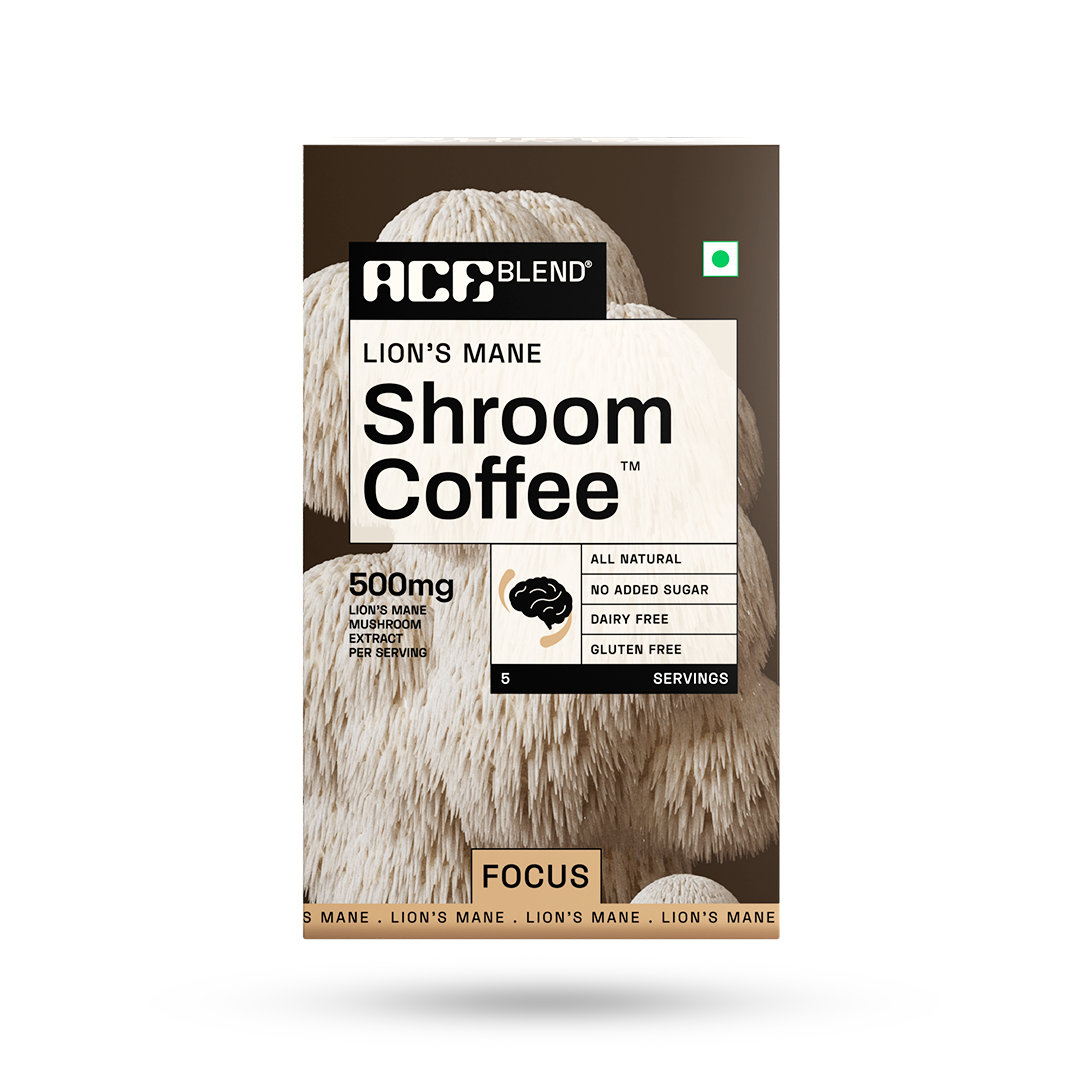
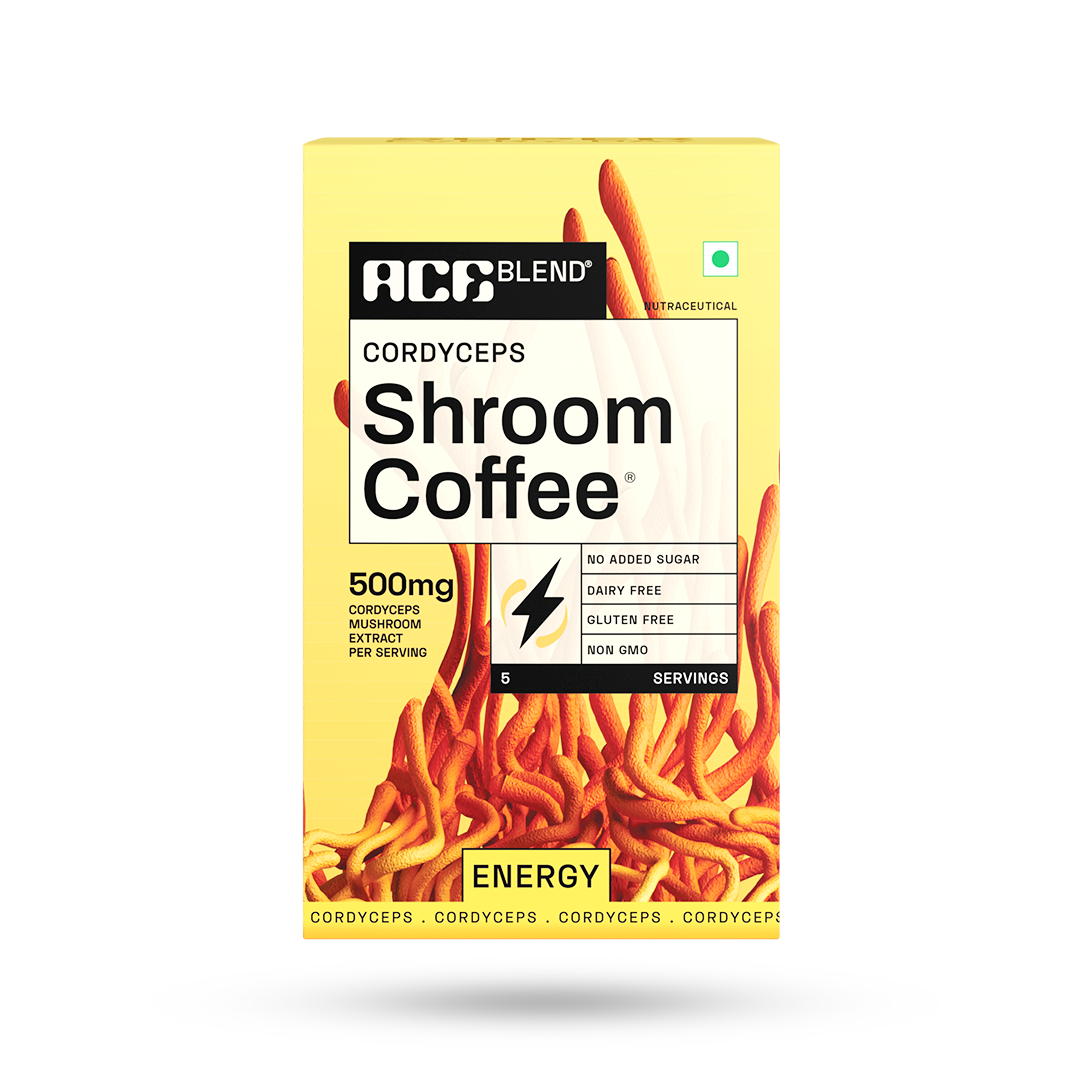
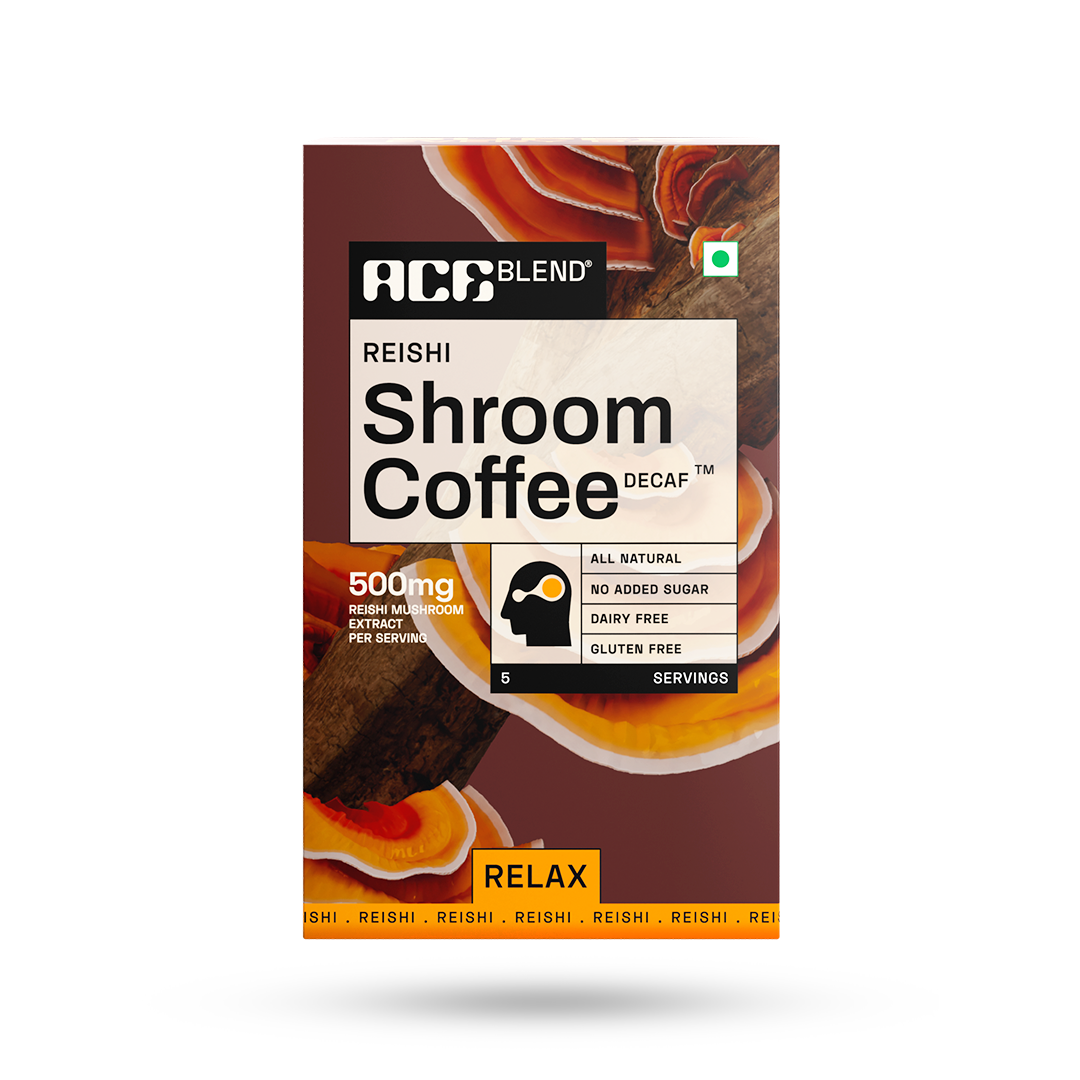
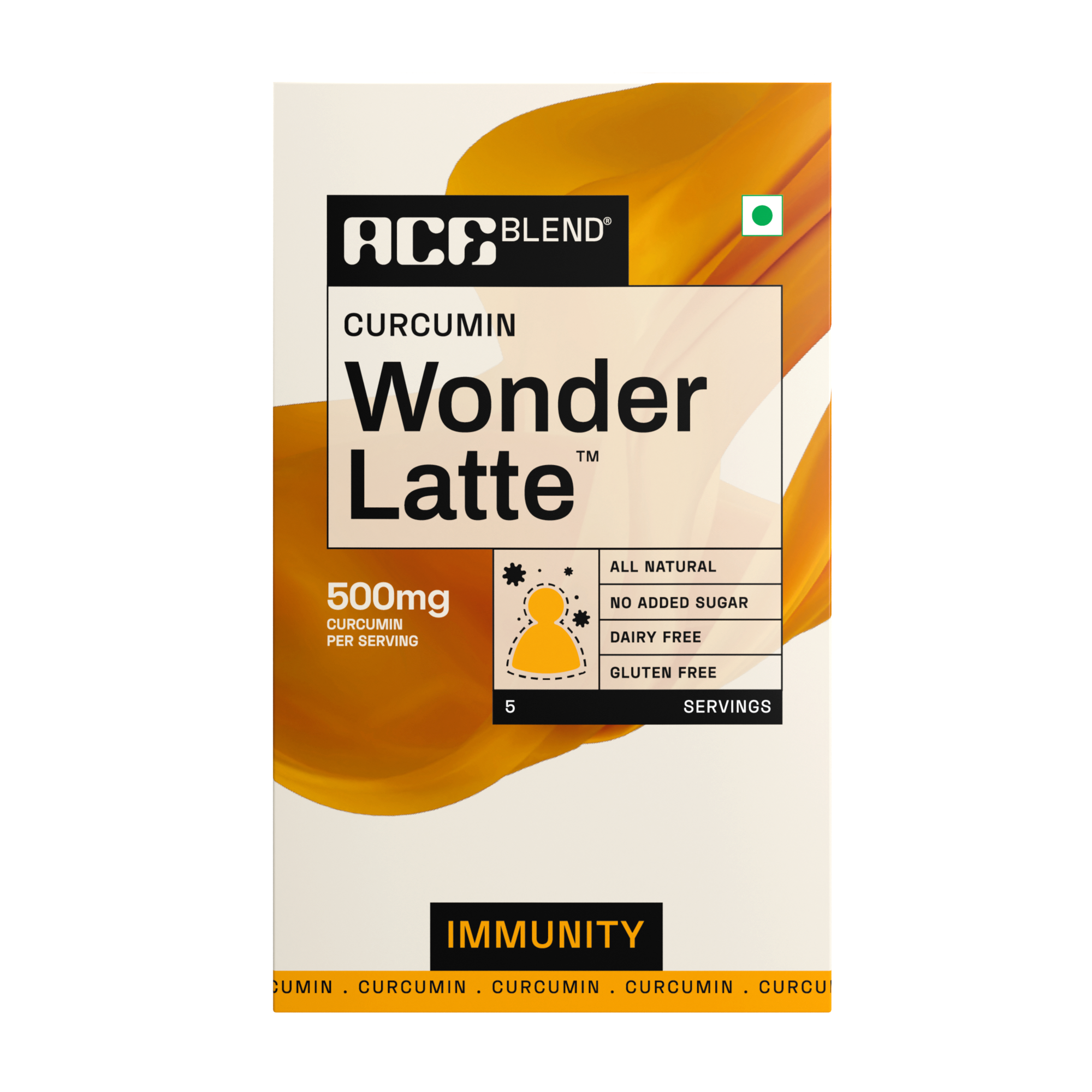
Answer: Strategic mushroom combinations can offer broader benefits than single species alone. Ace Blend has developed targeted functional coffees that combine the cognitive benefits of specific mushrooms with clean, sustained energy. The Lion's Mane coffee supports focus and mental clarity, making it ideal for demanding workdays. Reishi coffee provides calm energy without jitters, perfect for those managing stress and anxiety. Cordyceps coffee delivers natural stamina for both physical and mental performance. These formulations are crafted for optimal extraction and bioavailability, ensuring you get meaningful doses of active compounds. The synergistic approach means each mushroom enhances the others' effects, creating comprehensive cognitive support that addresses multiple aspects of mental wellness.
The potential of mushrooms for mental clarity, ADHD support, and anxiety management represents a fascinating intersection of ancient wisdom and modern science. These functional fungi offer a clean, sustainable approach to cognitive wellness that aligns with our growing understanding of holistic health. While they're not magic bullets, mushrooms provide valuable tools for those seeking natural alternatives or complementary approaches to mental health support.
The key lies in realistic expectations, quality sourcing, and professional guidance when needed. As research continues to unveil the mechanisms behind these remarkable organisms, we're likely to see even more targeted applications for specific cognitive challenges. For now, the evidence suggests that incorporating high-quality mushroom supplements into a comprehensive wellness routine can support mental clarity, stress resilience, and overall cognitive function in ways that synthetic alternatives simply can't match.

