










Whey Protein for Runners: Your FAQ Guide


Get personalised recommendations with our assessment.
Personalised Health Diagnosis (PHD)
Running isn't just about pounding the pavement—it's about fueling your body with precision nutrition that matches your ambition. While most runners obsess over their training splits and weekly mileage, the real game-changer lies in what you consume post-workout. Whey protein for runners has emerged as a cornerstone of intelligent running nutrition, yet confusion still clouds the conversation. Let's cut through the noise and explore how this powerhouse supplement can revolutionize your performance, recovery, and long-term athletic success.
Whey protein stands apart from other protein sources due to its exceptional bioavailability and rapid absorption rate. For runners pushing their bodies through grueling training sessions, this matters more than you might think.
Whey protein contains all nine essential amino acids your muscles crave for repair and growth. Its leucine content—a key trigger for muscle protein synthesis—sits significantly higher than plant-based alternatives. This amino acid profile makes it particularly valuable for protein for endurance athletes who need swift recovery between training sessions.
Whey protein isolate undergoes additional processing to remove lactose and fat, resulting in a purer protein source. This makes it ideal for runners with sensitive stomachs or those seeking maximum protein density. Whey concentrate, while containing slightly less protein per serving, offers additional nutrients and often comes at a lower cost.
The research on whey protein's impact on athletic performance tells a compelling story. Studies consistently show that adequate protein intake—particularly from high-quality sources like whey—can significantly enhance training adaptations and recovery outcomes.
Running creates microscopic muscle damage, especially during high-intensity sessions or long runs. Whey protein's amino acid profile helps repair this damage faster than your body could manage on its own. This means less soreness, quicker bounce-back time, and the ability to maintain training consistency.
Endurance training can sometimes work against muscle preservation, particularly during high-volume phases. Strategic whey protein consumption helps maintain the muscle mass that supports your running economy and power output. This becomes crucial for runners who also incorporate strength training for runners into their routine.
Post run recovery extends beyond just muscle repair. Whey protein supports glycogen replenishment when consumed with carbohydrates, helping restore energy stores more efficiently than carbohydrates alone.
When you consume protein matters as much as how much you consume. The concept of the "anabolic window" might be overhyped, but strategic timing still offers real benefits for serious runners.
Consuming a small amount of easily digestible protein 30-60 minutes before running can help minimize muscle breakdown during exercise. Keep portions modest—around 10-15 grams—to avoid digestive discomfort.
The golden window for muscle recovery spans roughly two hours post-exercise, with maximum benefits occurring within the first 30-60 minutes. During this time, aim for 20-30 grams of whey protein combined with simple carbohydrates to optimize recovery.
Rather than loading all your protein into one massive post-workout shake, distribute intake throughout the day. This approach maximizes muscle protein synthesis and supports sustained energy levels. For most runners, this translates to 20-25 grams of protein every 3-4 hours.
The question of how much protein runners need has sparked countless debates in nutrition circles. The answer depends on your training volume, body composition goals, and individual metabolism.
Current research suggests endurance athletes require 1.2-1.6 grams of protein per kilogram of body weight daily. For a 70kg runner, this translates to roughly 84-112 grams daily. High-volume training periods may push requirements toward the upper end of this range.
Focusing solely on protein quantity misses the bigger picture. Protein intake for athletes should emphasize high-quality sources that provide complete amino acid profiles. Whey protein excels in this regard, offering maximum nutritional bang for your buck.
Not all protein powders are created equal. The market overflows with options, but discerning runners need specific criteria to guide their selection.
Look for products that undergo minimal processing while maintaining high protein content. Cold-processed whey retains more of its natural beneficial compounds compared to heat-treated alternatives. Third-party testing for purity and potency provides additional assurance.
Runners often deal with gastrointestinal sensitivities, making digestibility crucial. Whey isolate typically causes fewer digestive issues than concentrate due to its lower lactose content. Some products include digestive enzymes to further enhance absorption.
Avoid products loaded with artificial fillers, excessive sweeteners, or unnecessary additives. Clean ingredient lists indicate a focus on quality over marketing appeal. The best protein for runners prioritizes function over flashy packaging.
The body of research supporting whey protein supplementation for endurance athletes continues to grow. Multiple studies demonstrate measurable benefits for recovery, performance, and long-term training adaptations.
A landmark study published in the Journal of Sports Science showed that runners consuming whey protein post-exercise experienced 23% less muscle damage markers compared to those consuming carbohydrates alone. Additional research indicates improved time-to-exhaustion in subsequent training sessions.
Beyond immediate recovery benefits, consistent whey protein consumption supports improved training adaptations over time. Studies tracking athletes over 12-week periods show enhanced muscle protein synthesis, improved running economy, and reduced injury rates.
Misinformation about protein supplementation runs rampant in running communities. Let's address the most persistent myths with evidence-based clarity.
Healthy individuals need not worry about kidney damage from increased protein intake. This myth stems from studies on people with existing kidney disease. Current research shows no adverse effects in healthy athletes consuming up to 2.5 grams per kilogram of body weight.
Your body can effectively utilize much more protein than the outdated 30-gram-per-meal ceiling suggests. Recent studies show benefits from consuming up to 40-50 grams in a single sitting, particularly for larger athletes or those in intense training phases.
Answer: Absolutely. Research consistently shows that whey protein accelerates recovery, reduces muscle damage, and supports training adaptations in endurance athletes. The key lies in proper timing and dosage rather than simply consuming more protein.
Answer: Most runners benefit from 1.2-1.6 grams of total protein per kilogram of body weight daily, with 20-30 grams coming from whey protein post-workout. Adjust based on training volume and individual response.
Answer: Yes, whey protein's high satiety factor can support weight management goals while preserving lean muscle mass. It helps maintain metabolic rate during caloric restriction phases common in competitive runners.
Answer: Within 30-60 minutes post-workout provides maximum recovery benefits. However, total daily intake matters more than precise timing. Distribute protein consumption throughout the day for sustained muscle protein synthesis.
Answer: Most runners tolerate whey protein well. Potential issues include digestive discomfort in lactose-sensitive individuals or bloating from excessive consumption. Start with smaller doses and gradually increase as tolerated.
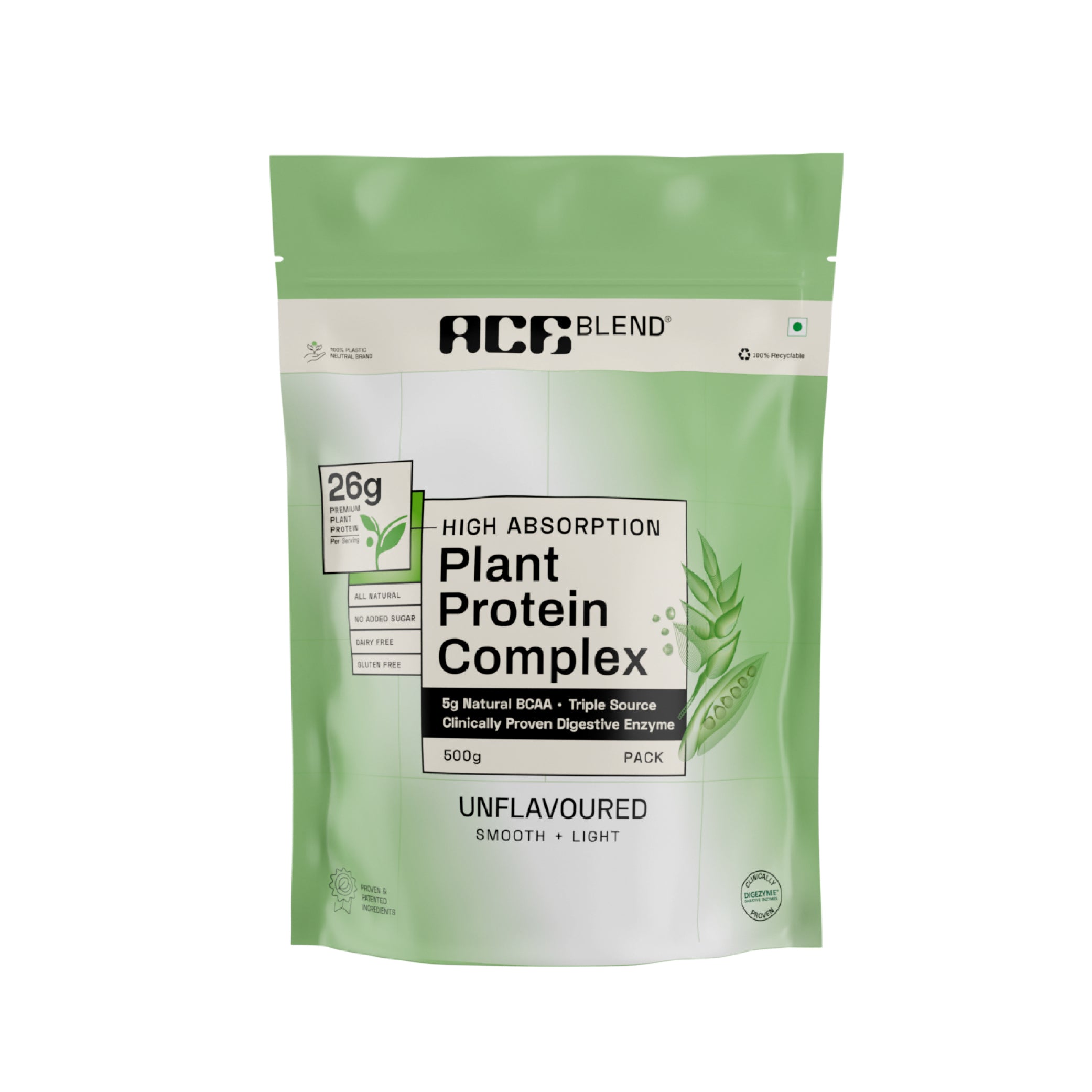
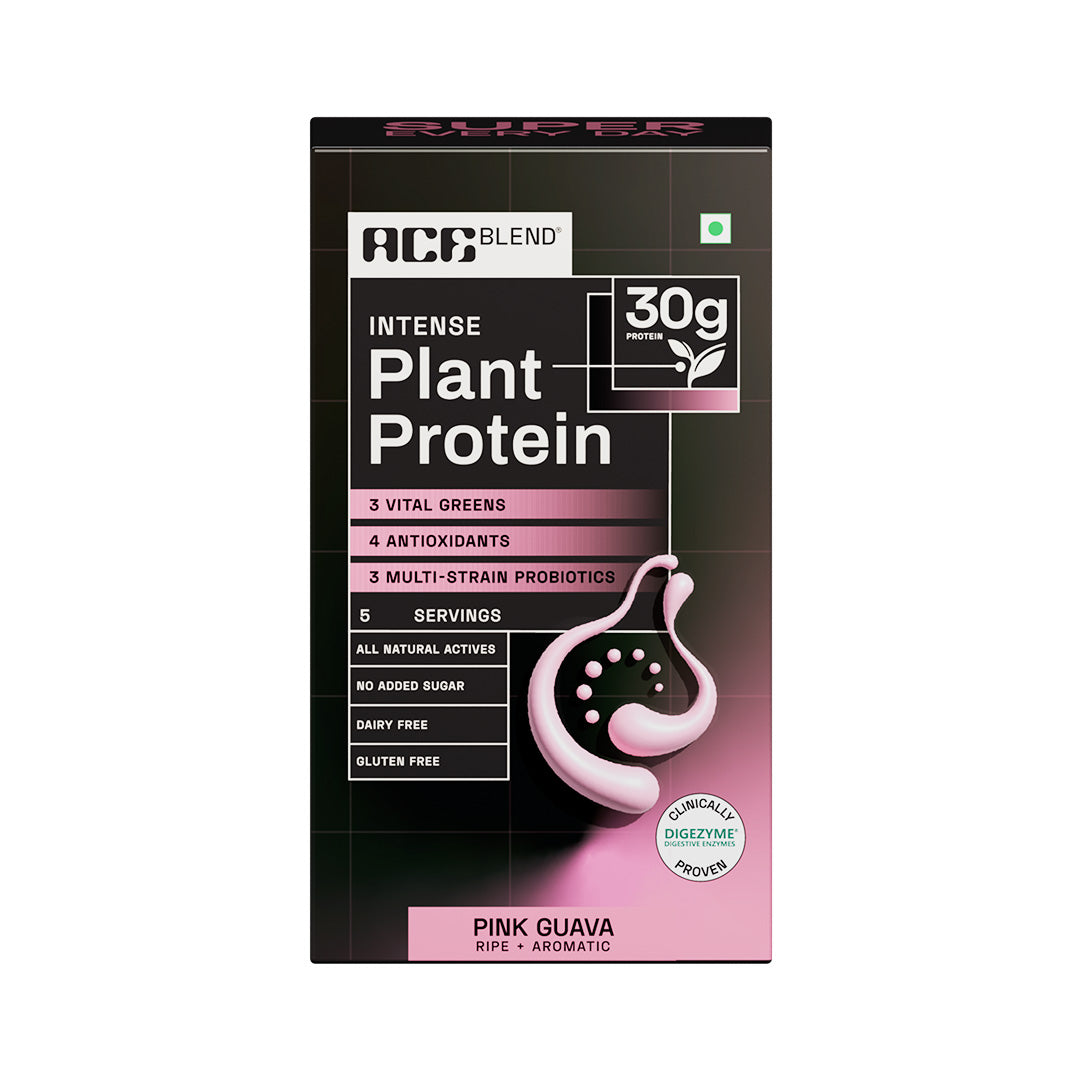
Answer: Whey protein offers superior amino acid profiles and faster absorption rates. However, high-quality plant proteins can be equally effective when consumed in appropriate combinations and quantities.
Whey protein for runners represents a scientifically-backed tool for optimizing performance and recovery. The evidence clearly supports its role in accelerating muscle repair, preserving lean mass, and enhancing training adaptations. Success lies not in consuming massive quantities, but in strategic timing and consistent daily intake. Choose high-quality products from reputable sources, focus on your individual needs rather than generic recommendations, and remember that supplements support—never replace—a well-planned nutrition strategy. Your running performance deserves the precision that comes from understanding how to fuel your body optimally.

