










Soya Chunks Protein: Your Complete Nutritional Guide

Get personalised recommendations with our assessment.
Personalised Health Diagnosis (PHD)
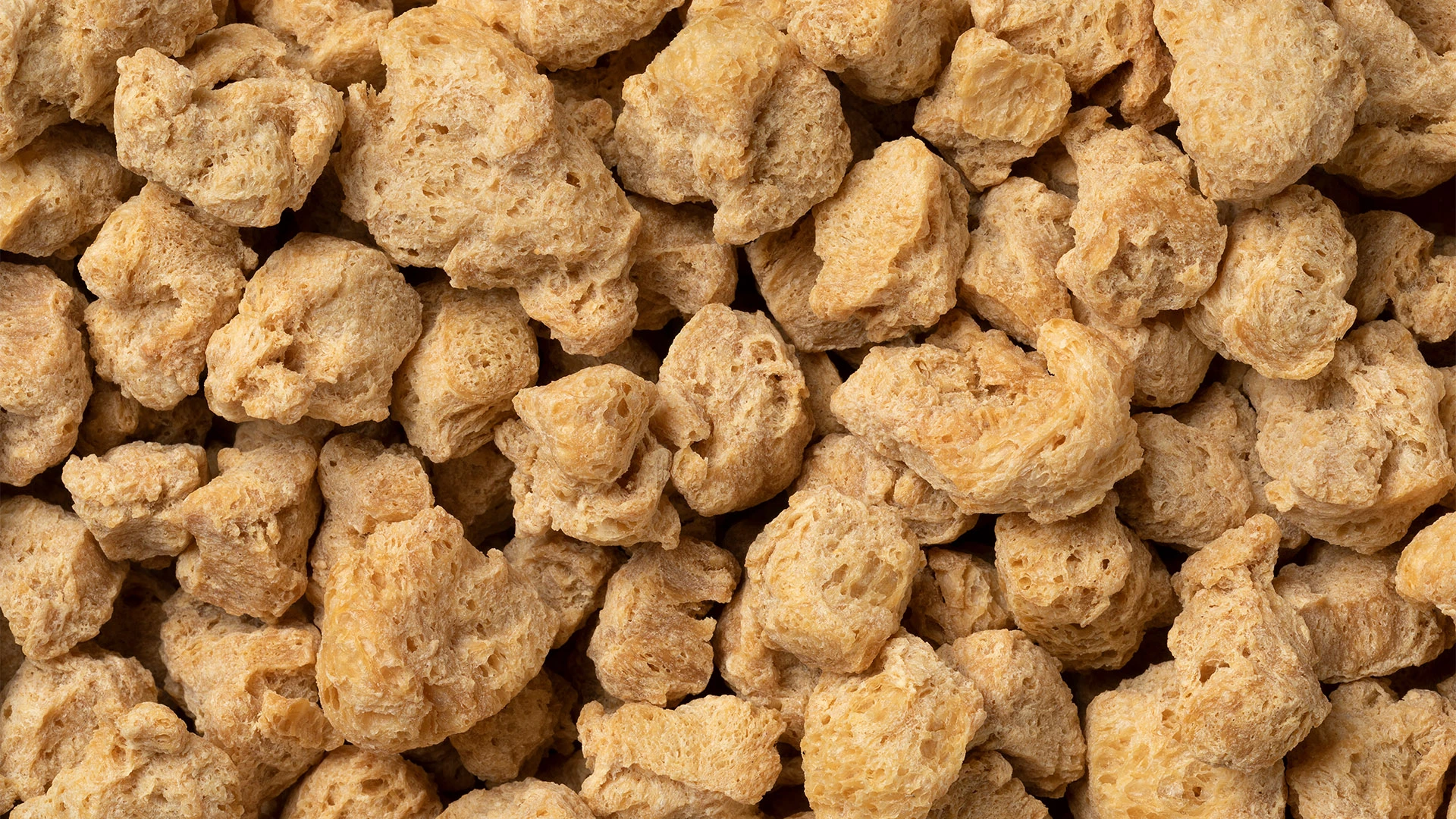
Plant-based protein sources have revolutionized how we think about nutrition, and soya chunks stand at the forefront of this transformation. These unassuming nuggets pack a serious protein punch that rivals traditional animal sources. If you're wondering about soya chunks protein per 50g, you're asking the right question. This serving size delivers substantial nutrition while remaining practical for daily consumption. Whether you're a fitness enthusiast, vegetarian, or simply someone seeking clean protein alternatives, understanding the complete nutritional profile of soya chunks will help you make informed dietary choices. Let's dive deep into the numbers, benefits, and everything you need to know about this plant-powered protein source.
The protein content in 50g of soya chunks varies significantly between dry and soaked forms. Dry soya chunks contain approximately 26 grams of protein per 50g serving, making them one of the most concentrated plant-based protein sources available. When soaked and prepared, this amount reduces to about 13-15 grams due to water absorption, but the protein quality remains exceptional. To put this in perspective, 50g of dry soya chunks provides more protein than most animal sources of similar weight. A 50g chicken breast contains roughly 15 grams of protein, while the same amount of paneer offers about 9 grams. This makes soya chunks an incredibly efficient protein source for those following plant-based diets.
Soya chunks offer exceptional value for money. At current market rates, you get approximately 26 grams of high-quality protein for less than ₹10. Compare this to chicken, which costs significantly more for equivalent protein content. This cost-effectiveness makes soya chunks accessible to a broader population seeking quality nutrition.
• 25g dry soya chunks = 13g protein
• 50g dry soya chunks = 26g protein
• 100g dry soya chunks = 52g protein
• 50g soaked soya chunks = 13-15g protein
Beyond protein, soya chunks deliver a comprehensive nutritional package. A 50g serving of dry soya chunks contains approximately 170 calories, with protein comprising about 60% of the total caloric content. The remaining calories come from complex carbohydrates (15g) and minimal fat content (0.5g). The fibre content stands at an impressive 6 grams per 50g serving, supporting digestive health and promoting satiety. This high fibre content also helps regulate blood sugar levels, making soya chunks suitable for diabetic individuals when consumed in moderation.
Soya chunks are rich in essential micronutrients. They provide significant amounts of iron (8mg per 50g), supporting healthy blood formation. The calcium content (120mg) contributes to bone health, while B-vitamins support energy metabolism and nervous system function.
Soya chunks contain all nine essential amino acids, making them a complete protein source. The amino acid profile closely matches that required by the human body, with particularly high levels of lysine and leucine - crucial for muscle protein synthesis and recovery.
When comparing plant-based protein sources, soya chunks consistently rank among the top performers. Their protein content surpasses most legumes, grains, and even some processed plant proteins. Lentils provide about 12g protein per 50g dry weight, while quinoa offers approximately 7g. The protein quality of soya chunks receives high scores on both PDCAAS (Protein Digestibility Corrected Amino Acid Score) and DIAAS (Digestible Indispensable Amino Acid Score) scales. These scoring systems evaluate how well protein sources meet human nutritional requirements, and soya chunks score comparably to animal proteins.
Unlike many plant proteins that require lengthy preparation, soya chunks cook quickly and absorb flavors well. They require minimal soaking time (15-20 minutes) and cook within 10-15 minutes, making them practical for busy lifestyles.
Soya chunks have a significantly lower environmental footprint compared to animal proteins. They require less water, land, and energy to produce, while generating fewer greenhouse gas emissions. This makes them an environmentally conscious protein choice.
The high-quality protein in soya chunks supports muscle building and recovery effectively. The complete amino acid profile provides all building blocks necessary for muscle protein synthesis, making them excellent for athletes and fitness enthusiasts. Regular consumption can help maintain lean muscle mass during weight loss phases. Research indicates that soy protein may help reduce LDL (bad) cholesterol levels while maintaining HDL (good) cholesterol. The isoflavones present in soya chunks act as natural antioxidants, potentially reducing cardiovascular disease risk.
The high protein and fibre content in soya chunks promotes satiety, helping control appetite and reduce overall caloric intake. The thermic effect of protein also increases metabolic rate, supporting weight management goals.
Soya chunks contain calcium, magnesium, and isoflavones that support bone health. Studies suggest that regular soy consumption may help maintain bone density, particularly beneficial for postmenopausal women.
For most adults, consuming 25-50g of dry soya chunks daily is safe and beneficial. This provides 13-26g of high-quality protein without exceeding recommended soy intake limits. Men can safely consume 50g daily without concerns about hormonal effects, as the phytoestrogens in soy have minimal impact on male hormone levels. Pregnant and breastfeeding women should limit intake to 25g daily and consult healthcare providers. Children can safely consume age-appropriate portions, typically 15-25g dry weight depending on age and overall diet.
Post-workout consumption maximizes muscle protein synthesis benefits. The complete amino acid profile makes soya chunks ideal for recovery meals. Pre-workout consumption should be limited due to fibre content, which may cause digestive discomfort during exercise.
Some individuals may experience digestive discomfort when first introducing soya chunks. Starting with smaller portions (25g) and gradually increasing allows the digestive system to adapt. Proper soaking and cooking minimize these effects.
Proper preparation significantly impacts protein absorption and digestibility. Soaking soya chunks in warm water for 15-20 minutes removes anti-nutritional factors and improves protein bioavailability. Squeezing out excess water before cooking concentrates flavors and nutrients. Cooking methods affect protein retention differently. Steaming and sautéing preserve maximum protein content, while prolonged boiling may reduce protein availability. Adding acidic ingredients like tomatoes or lemon juice during cooking enhances iron absorption.
Marinating soaked soya chunks in spices and herbs before cooking improves palatability without compromising nutrition. Combining with complementary proteins like legumes creates more diverse amino acid profiles, though this isn't necessary given soya chunks' complete protein status.
Dry soya chunks store well in airtight containers for up to 12 months. Cooked soya chunks can be refrigerated for 3-4 days or frozen for up to 3 months. Batch cooking and freezing in portion sizes streamlines meal preparation.
Fifty grams of dry soya chunks contains approximately 26 grams of high-quality, complete protein. This makes them one of the most protein-dense plant-based foods available.
Yes, men can safely consume 50g of dry soya chunks daily. This amount provides excellent protein without any negative hormonal effects. The phytoestrogens in soy have minimal impact on male hormone levels.
One hundred grams of dry soya chunks contains approximately 52 grams of protein, along with 340 calories and 12 grams of fibre.
Soya chunks provide more protein per gram than chicken (52g vs 31g per 100g) and offer additional benefits like fibre and phytonutrients. They're also more environmentally sustainable and cost-effective.
No, moderate consumption of soya chunks doesn't cause hormonal imbalance. Research shows that soy isoflavones have minimal effects on human hormones and may actually provide health benefits.
Soaked soya chunks contain about 50% of the protein concentration of dry chunks due to water absorption. If dry chunks have 52g protein per 100g, soaked chunks have approximately 26g per 100g.
Post-workout consumption within 2 hours maximizes muscle protein synthesis. The complete amino acid profile makes soya chunks ideal for recovery meals.
Yes, diabetics can include soya chunks in their daily diet. The high protein and fiber content helps regulate blood sugar levels. However, portion control and medical consultation are recommended.
Soya chunks protein per 50g delivers exceptional nutritional value, providing 26 grams of complete protein in dry form. This makes them a superior plant-based protein source that rivals animal proteins in quality and surpasses them in quantity per gram. The comprehensive nutritional profile, including fiber, vitamins, and minerals, makes soya chunks a valuable addition to any diet. For those seeking clean, plant-powered nutrition, soya chunks offer an affordable, sustainable, and highly effective protein solution. Whether you're building muscle, managing weight, or simply optimizing your nutrition, understanding these protein facts empowers you to make informed dietary choices.


Someone sent you
Error
Powered by ReferRush