










Soya Chunks Protein: Your Complete Nutrition Guide

Get personalised recommendations with our assessment.
Personalised Health Diagnosis (PHD)
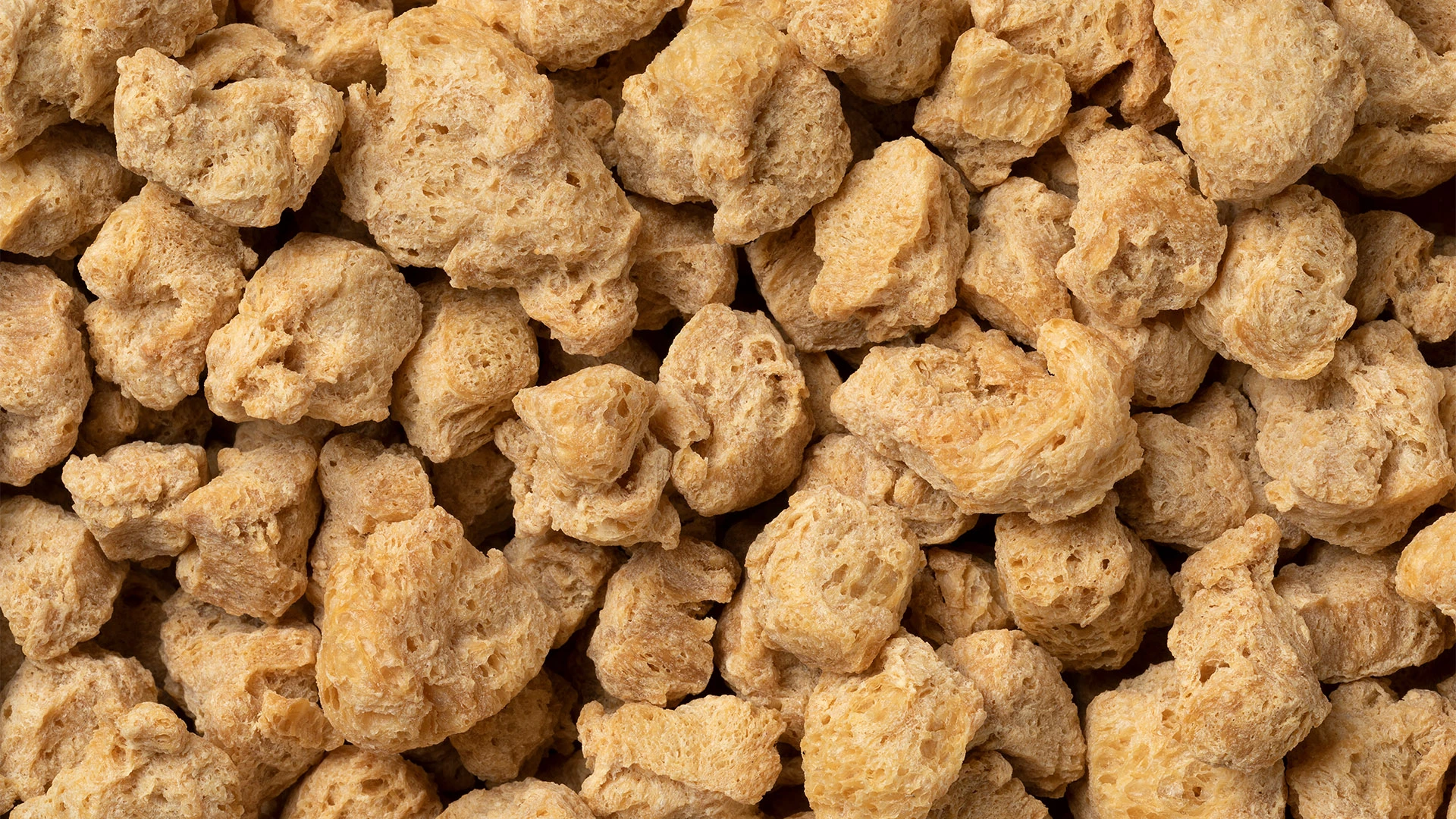
Soya chunks have quietly revolutionized the way we think about plant-powered protein. These unassuming nuggets pack a serious nutritional punch that rivals even the most celebrated protein sources. But here's where it gets interesting—the protein content dramatically changes when you boil them. Most people grab soya chunks thinking they're getting the same 52g protein per 100g as advertised on the package, but that's the raw weight story. Once you boil them properly, the numbers shift, and understanding this difference is crucial for anyone serious about optimizing their protein intake.
Whether you're a fitness enthusiast, a vegetarian looking to diversify protein sources, or someone exploring clean nutrition alternatives, getting the facts straight about boiled soya chunks protein content will change how you approach your daily nutrition game.
The straight answer: 100g of properly boiled soya chunks contains approximately 17-22g of high-quality protein. This number might seem lower than what you'd expect, but there's solid science behind this transformation. When soya chunks absorb water during the boiling process, their weight increases significantly while the absolute protein content remains the same. Think of it this way—if you start with 30g of dry soya chunks (containing about 15.6g protein) and they absorb water to reach 100g total weight, you're still getting that same 15.6g protein, just distributed across a heavier, hydrated product.
• Raw soya chunks: 52g protein per 100g
• Soaked soya chunks: 25-30g protein per 100g
• Boiled soya chunks: 17-22g protein per 100g
• Cooked with spices: 15-20g protein per 100g
The protein quality remains exceptional throughout this process. Soya chunks deliver all nine essential amino acids, making them a complete protein source that rivals animal-based options.
Boiled soya chunks maintain their impressive amino acid profile. They're particularly rich in lysine, which is often limited in other plant proteins, and provide adequate amounts of methionine, making them nutritionally superior to most legumes and grains.
Let's break down what 100g of boiled soya chunks actually delivers to your plate. These numbers represent properly boiled chunks, drained and ready to eat.
Complete Nutritional Profile per 100g Boiled:
• Calories: 170-180 kcal
• Protein: 17-22g
• Carbohydrates: 8-12g
• Dietary Fibre: 4-6g
• Fat: 8-10g
• Iron: 3-4mg
• Calcium: 200-250mg
• Magnesium: 60-80mg
What makes these numbers impressive is the protein-to-calorie ratio. You're getting roughly 0.12g protein per calorie, which puts boiled soya chunks in the same league as lean meats and fish.
When stacked against other vegetarian protein sources per 100g:
• Boiled rajma: 9g protein, 127 calories
• Cooked quinoa: 4.4g protein, 120 calories
• Firm tofu: 15g protein, 144 calories
• Boiled soya chunks: 17-22g protein, 170-180 calories
The fibre content in boiled soya chunks also supports digestive health and helps maintain stable blood sugar levels, making them an excellent choice for sustained energy.
Soya chunks aren't just about protein numbers—they're about delivering comprehensive nutrition that supports multiple health goals simultaneously. The benefits extend far beyond muscle building.
Complete Protein Advantages: Unlike most plant proteins that lack certain amino acids, soya chunks provide all essential amino acids in optimal ratios. This makes protein synthesis more efficient, supporting muscle recovery and growth just as effectively as animal proteins.
The high protein content combined with fibre creates a powerful satiety effect. Studies show that consuming 20-25g of soy protein can increase feelings of fullness for up to 3 hours, naturally reducing overall calorie intake.
Regular consumption of soy protein has been linked to improved cardiovascular health. The FDA recognizes that 25g of soy protein daily, as part of a low saturated fat diet, may reduce heart disease risk.
• Soya chunks: ₹3-4 per 10g protein
• Paneer: ₹8-10 per 10g protein
• Chicken: ₹6-8 per 10g protein
• Fish: ₹10-15 per 10g protein
This makes soya chunks one of the most economical protein sources available, without compromising on quality.
Cooking method directly impacts both protein retention and digestibility. The goal is to hydrate the chunks properly while preserving their nutritional integrity.
Optimal Boiling Process:
1. Rinse dry soya chunks in cold water
2. Boil water with a pinch of salt
3. Add soya chunks and boil for 8-10 minutes
4. Drain and squeeze out excess water gently
5. Rinse with cold water to stop cooking
Soaking for 15-20 minutes before boiling can reduce cooking time and improve texture, but it's not mandatory. Direct boiling works just as well for protein retention.
• Over-boiling: Reduces protein digestibility
• Insufficient draining: Creates soggy texture
• Skipping the rinse: Leaves residual processing flavors
• High-heat sautéing: Can denature some proteins
Proper preparation ensures you get the maximum 17-22g protein per 100g while maintaining optimal taste and texture.
The question of daily consumption requires a nuanced answer based on current research and individual health factors. While soya chunks are nutritionally excellent, moderation remains key.
Safe Daily Consumption Guidelines: Most nutrition experts recommend limiting soy protein intake to 25-50g per day from all sources combined. This translates to roughly 25-30g of dry soya chunks (which becomes 80-100g when boiled).
Long-term studies show that consuming 25-30g of soy protein daily is not only safe but beneficial for most adults. However, individuals with thyroid conditions should consult healthcare providers, as soy can interfere with thyroid hormone absorption.
• Thyroid patients: May need to time consumption away from medication
• Individuals with soy allergies: Should avoid completely
• Those on blood thinners: Should monitor intake due to vitamin K content
• Children under 2: Should limit soy protein sources
Signs of overconsumption include digestive discomfort, bloating, or changes in hormone-related symptoms.
Understanding how soya chunks stack up against other protein sources helps make informed dietary choices. The comparison goes beyond just protein content to include digestibility, cost, and environmental impact.
Detailed Protein Comparison per 100g:
• Boiled soya chunks: 17-22g protein, ₹15-20
• Paneer: 18g protein, ₹80-100
• Chicken breast: 25g protein, ₹120-150
• Cooked rajma: 9g protein, ₹25-30
• Firm tofu: 15g protein, ₹60-80
Soya chunks have a protein digestibility score of 0.9-1.0, matching that of animal proteins. This means your body can efficiently use nearly all the protein they provide.
Producing 1kg of soya chunks requires significantly less water, land, and energy compared to animal proteins, making them an environmentally conscious choice for protein intake. The versatility of soya chunks also allows for diverse cooking methods, from curries to stir-fries, making them adaptable to various cuisines and preferences.
Answer: Approximately 10 rupees worth of soya chunks (roughly 50g dry weight) provides about 26g of protein when boiled. This makes it one of the most cost-effective protein sources available.
Answer: Post-workout consumption within 2 hours maximizes protein synthesis. However, spreading protein intake throughout the day (20-25g per meal) is more effective than consuming large amounts at once.
Answer: Yes, soya chunks are excellent for diabetics due to their low glycemic index and high fibre content. The protein helps stabilize blood sugar levels, but portion control remains important.
Answer: Current research shows that moderate consumption (25-30g protein daily) doesn't cause hormonal imbalances in healthy adults. The phytoestrogens in soy are much weaker than human estrogen and may actually provide protective benefits.
Answer: Combine with vitamin C-rich foods to enhance iron absorption, avoid consuming with calcium-rich foods simultaneously, and ensure adequate cooking to improve digestibility.
Answer: Store boiled soya chunks in the refrigerator for up to 3 days in an airtight container. For longer storage, freeze them in portion-sized containers for up to 3 months.
Boiled soya chunks deliver 17-22g of complete protein per 100g, making them a powerhouse plant-based protein source that rivals animal proteins in quality and digestibility. The transformation from raw to boiled doesn't diminish their nutritional value—it simply redistributes the protein across a heavier, more palatable product. The cost-effectiveness, environmental sustainability, and nutritional completeness of soya chunks position them as an intelligent protein choice for modern nutrition.
Whether you're building muscle, managing weight, or simply seeking clean protein sources, understanding the true protein content of boiled soya chunks empowers you to make informed dietary decisions. Remember that optimal nutrition isn't just about hitting protein numbers—it's about choosing sources that align with your health goals, budget, and values. Soya chunks check all these boxes while delivering the protein your body needs to thrive.

