










Soya Chunks: A Protein Powerhouse

Get personalised recommendations with our assessment.
Personalised Health Diagnosis (PHD)
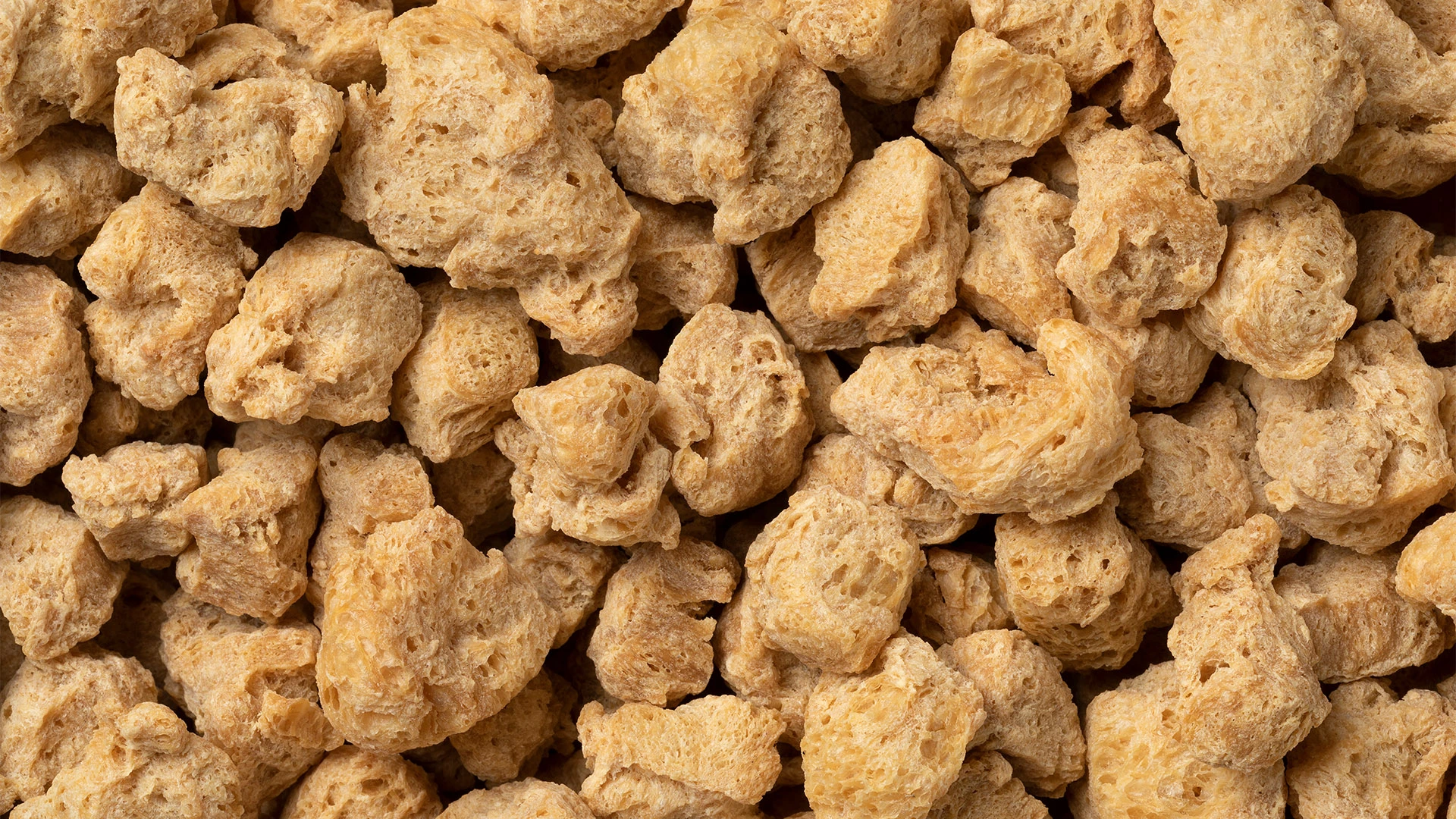
Picture this: you're scanning nutrition labels, hunting for that perfect protein source that doesn't break the bank or your ethics. Then you stumble upon soya chunks—those unassuming, meat-like nuggets sitting quietly in the grocery aisle. Here's the kicker: 100 gm of soya chunks pack a whopping 52 grams of protein. That's more than most cuts of chicken, and it's completely plant-powered. For fitness enthusiasts, vegetarians, and anyone serious about optimized nutrition, soya chunks aren't just an alternative—they're often the superior choice. Let's dive deep into why these protein powerhouses deserve a permanent spot in your kitchen.
When we talk about protein in 100 gm soya chunks, we're looking at one of nature's most concentrated plant-based protein sources. But here's where it gets interesting—the numbers change dramatically depending on whether you're measuring raw or cooked chunks.
Raw soya chunks deliver an impressive 52-54 grams of protein per 100 grams. That's not a typo. These dehydrated nuggets are essentially protein concentrate in solid form. However, once you cook them, the story shifts. Cooked soya chunks contain approximately 18-22 grams of protein per 100 grams due to water absorption during the cooking process. This difference isn't just academic—it's crucial for meal planning. If you're aiming for 30 grams of protein post-workout, you'll need about 60 grams of raw soya chunks, which will expand to roughly 150-180 grams when cooked.
Soya chunks aren't just high in protein—they're a complete protein source. This means they contain all nine essential amino acids your body can't produce on its own. The biological value rivals that of animal proteins, making it exceptional among vegetarian protein sources. The amino acid profile includes high levels of lysine, leucine, and isoleucine—the building blocks your muscles crave for repair and growth. This complete profile puts soya chunks ahead of most other plant proteins that typically lack one or more essential amino acids.
Let's break down the complete nutritional powerhouse that is soya chunks. Understanding the full soya chunks nutrition profile helps you see why they're more than just a protein source—they're a comprehensive nutritional solution.
Here's what 100 grams of raw soya chunks deliver:
• Protein: 52 grams (that's 52% of the total weight)
• Carbohydrates: 33 grams (mostly complex carbs)
• Fat: 0.5 grams (ultra-low fat content)
• Fibre: 13 grams (excellent for digestive health)
• Calories: 336-345 kcal
This macro profile is almost too good to be true. You're getting massive protein with minimal fat and a solid fibre boost. The carbohydrates are primarily complex, providing sustained energy without blood sugar spikes.
Soya chunks aren't just about macros. They're loaded with essential micronutrients:
• Iron: 20-25% of daily value (crucial for oxygen transport)
• Calcium: 15-20% of daily value (bone health support)
• Magnesium: 25-30% of daily value (muscle function and recovery)
• B-vitamins: Particularly B6 and folate
• Isoflavones: Plant compounds with antioxidant properties
This micronutrient density makes soya chunks a true superfood, not just a protein supplement.
Time to settle the debate. How do soya chunks stack up against traditional animal proteins? The results might surprise even the most dedicated carnivores.
Let's put soya chunks protein content head-to-head with popular protein sources:
• Soya chunks (raw): 52g protein per 100g
• Chicken breast: 31g protein per 100g
• Lean beef: 26g protein per 100g
• Eggs: 13g protein per 100g (roughly 2 large eggs)
• Salmon: 25g protein per 100g
Soya chunks don't just compete—they dominate. Even when cooked and expanded, they often match or exceed the protein density of most meats. Plus, you're getting zero cholesterol and minimal saturated fat.
Among protein rich vegetarian foods, soya chunks reign supreme. They outperform:
• Lentils (9g per 100g cooked)
• Quinoa (4.4g per 100g cooked)
• Paneer (18g per 100g)
• Tofu (8g per 100g)
The texture similarity to meat makes them incredibly versatile, while their environmental footprint remains minimal compared to animal agriculture. You're not just choosing a protein source—you're making a statement about sustainable nutrition.
The benefits of soya chunks extend far beyond just hitting your protein targets. These nutritional powerhouses offer comprehensive health advantages that make them essential for modern wellness.
With their complete amino acid profile, soya chunks provide everything your muscles need for optimal protein synthesis. A serving of 60 grams of raw chunks (about 150g cooked) delivers 30 grams of high-quality protein—perfect for post-workout recovery. The leucine content is particularly impressive, triggering muscle protein synthesis as effectively as whey protein. For strength athletes and fitness enthusiasts, this plant-powered option supports lean muscle growth without the digestive issues some experience with dairy proteins.
The combination of high protein and fibre creates a powerful satiety effect. You'll feel fuller longer while consuming fewer calories overall. The protein content boosts your metabolic rate through the thermic effect of food, meaning you burn more calories just digesting and processing the nutrients. At roughly 100-120 calories per cooked serving (with 18-22g protein), soya chunks offer incredible protein-to-calorie efficiency for weight management goals.
As a cholesterol-free protein source, soya chunks support cardiovascular health. The isoflavones present may help maintain healthy cholesterol levels and support heart function. The calcium and magnesium content contributes to bone density, making them particularly valuable for women and older adults concerned about bone health.
Knowing how to cook soya chunks properly ensures you maximize both nutrition and taste. The preparation method can significantly impact the final protein content and digestibility.
Start by soaking raw soya chunks in warm water for 15-20 minutes until they double in size. Squeeze out excess water gently—this removes any beany taste while maintaining the protein structure. Boil them for 5-7 minutes in salted water to ensure proper hydration and texture. For optimal protein retention, avoid overcooking. The goal is tender chunks that hold their shape, not mushy protein paste. Season during the cooking process rather than after to enhance flavor absorption.
Here are some quick soya chunks recipes that maximize protein intake:
• Protein-packed curry: 100g cooked chunks + vegetables = 20g protein
• Pre-workout snack: 50g chunks with spices = 10g protein
• Post-workout meal: 150g chunks with rice = 30g protein
• High-protein stir-fry: Mixed with vegetables and minimal oil
Meal prep tip: Cook large batches and store in the refrigerator for up to 4 days. They actually taste better after marinating overnight in your favorite spices.
While soya chunks are nutritional superstars, understanding proper consumption guidelines ensures you reap the benefits without any concerns.
For most adults, 25-50 grams of raw soya chunks daily (equivalent to 75-150g cooked) provides excellent protein without overdoing it. This translates to roughly 13-26 grams of high-quality protein from soya chunks alone. Active individuals and athletes can safely consume higher amounts—up to 100g raw (300g cooked) daily, providing around 52g of protein. Distribute this across meals rather than consuming it all at once for optimal absorption and digestion.
Most people tolerate soya chunks excellently, but some considerations include:
• Start with smaller portions if you're new to high-fibre foods
• Ensure adequate water intake due to the fibre content
• Those with soy allergies should obviously avoid them
• Individuals on thyroid medication should consult their healthcare provider The key is moderation and listening to your body's response.
Raw soya chunks contain 52-54 grams of protein per 100 grams. When cooked and expanded with water, 100 grams of prepared soya chunks contain approximately 18-22 grams of protein.
Fifty grams of boiled soya chunks provide approximately 9-11 grams of protein. This makes them an excellent protein source for snacks or smaller meals.
Yes, consuming 100g of raw soya chunks daily (which becomes about 300g when cooked) is generally safe for healthy adults. This provides around 52g of high-quality protein. However, start with smaller amounts and gradually increase to assess your tolerance.
Soya chunks provide significantly more protein per 100g (52g) compared to eggs (13g per 100g). They're also cholesterol-free and more cost-effective. However, eggs provide different nutrients like vitamin B12 and choline, so both can complement a balanced diet.
Raw soya chunks contain 52g protein per 100g, while chicken breast provides about 31g per 100g. Even cooked soya chunks (18-22g per 100g) remain competitive with chicken while being more affordable and environmentally sustainable.
A typical serving of cooked soya chunks (about 150g) provides 25-30g of protein. This serving size is equivalent to about 50-60g of raw chunks, making it perfect for meeting post-workout protein requirements.
Soya chunks stand as one of the most impressive protein sources available, delivering 52 grams of complete protein per 100 grams in raw form. They outperform most animal proteins in density while providing additional benefits like fiber, minerals, and zero cholesterol. Whether you're building muscle, managing weight, or simply seeking clean nutrition, these plant-powered nuggets deserve serious consideration. The versatility in cooking methods and recipes makes them accessible to everyone, while their affordability ensures that high-quality protein doesn't have to break your budget. Remember, the best protein source is the one you'll actually consume consistently. With their meat-like texture, impressive nutritional profile, and endless recipe possibilities, soya chunks make hitting your protein goals both achievable and enjoyable.


Someone sent you
Error
Powered by ReferRush