










Soya Chunks: Complete Nutritional Value Explained

Get personalised recommendations with our assessment.
Personalised Health Diagnosis (PHD)
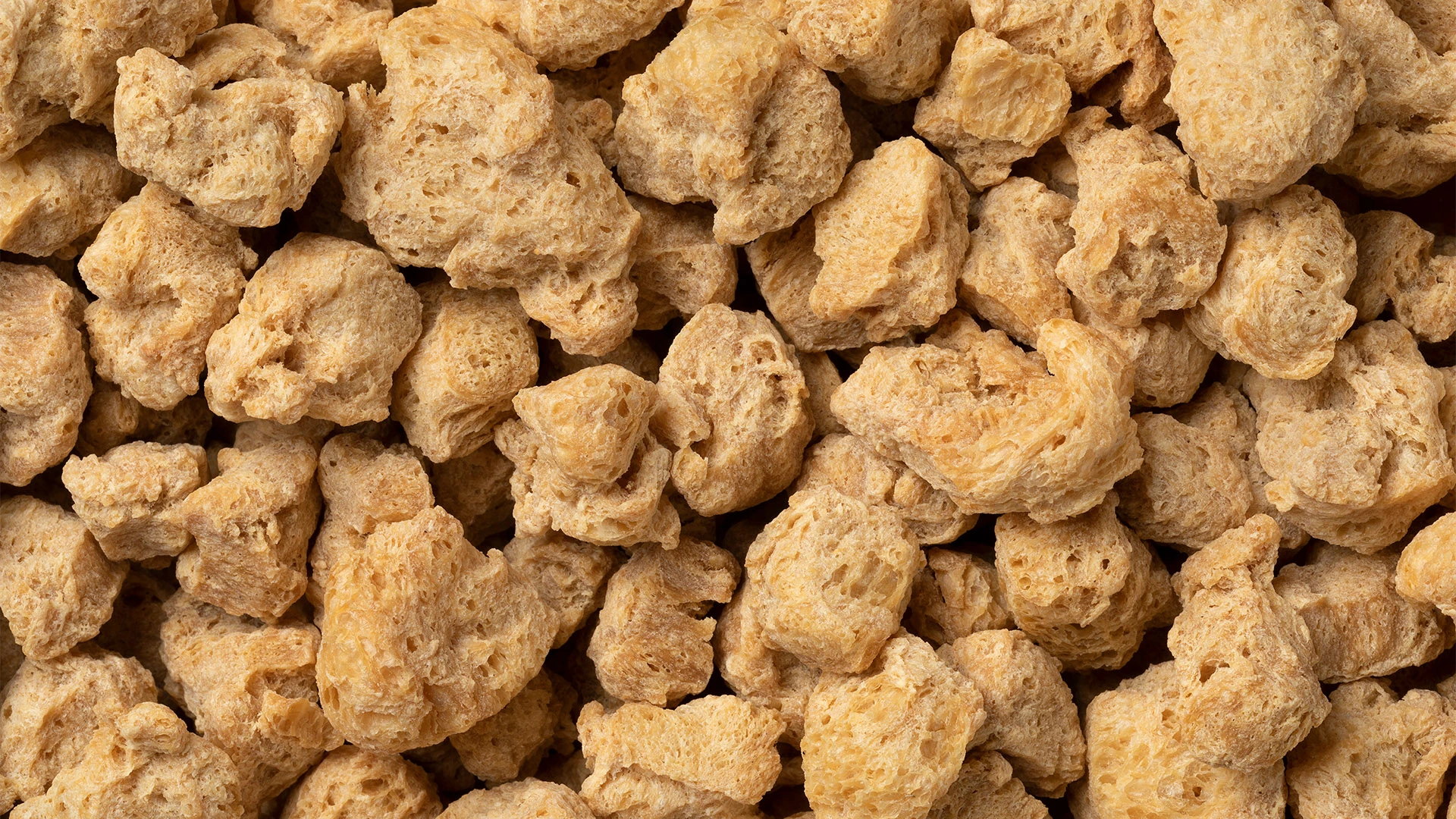
Forget everything you think you know about plant-based protein. While most vegetarian options struggle to compete with animal proteins, soya chunks deliver a knockout punch with 52-54g of complete protein per 100g—more than chicken, beef, or fish. For fitness enthusiasts, vegetarians, and anyone serious about optimized nutrition, understanding soya chunks nutritional value isn't just helpful—it's game-changing. These unassuming protein powerhouses pack more than just impressive numbers. They deliver complete amino acid profiles, essential minerals, and fibre content that puts most so-called "superfoods" to shame. Let's break down exactly why soya chunks deserve a permanent spot in your nutrition arsenal.
The numbers don't lie when it comes to soya chunks nutrition facts. These plant-powered protein bombs deliver exceptional nutritional density that rivals and often surpasses traditional protein sources. Understanding the complete nutritional profile helps you make informed decisions about incorporating them into your daily routine.
Here's where soya chunks truly shine. Soya chunks calories range from 345-446 kcal per 100g, depending on preparation method. Raw chunks contain fewer calories, while oil-processed varieties pack more energy density. The star of the show? Soya chunks protein delivers an impressive 52-54g per 100g—that's double what you'd find in most meats.
Soya chunks carbohydrates contribute 30-33g per 100g, primarily complex carbs that provide sustained energy release. The real digestive hero here is soya chunks fibre at 9-13g per serving. This fibre content supports gut health, promotes satiety, and helps regulate blood sugar levels—making soya chunks ideal for weight management and metabolic health.
Fat content varies dramatically based on processing methods, ranging from 0.5g in plain varieties to 19.9g in oil-processed versions. Choose plain soya chunks for lean protein goals, or opt for processed varieties when you need additional healthy fats in your diet.
Beyond protein, soya chunks vitamins and mineral content make them nutritional powerhouses. These micronutrients support everything from immune function to bone health, making soya chunks far more than just a protein source.
Soya chunks deliver significant amounts of B-complex vitamins including thiamine (B1), riboflavin (B2), pyridoxine (B6), and folate. These vitamins support energy metabolism, nervous system function, and red blood cell formation. For vegetarians who often struggle with B-vitamin deficiencies, soya chunks provide crucial nutritional insurance.
Soya chunks minerals include impressive amounts of iron (20-21mg), calcium (350-400mg), zinc, magnesium, and phosphorus. The iron content alone covers most daily requirements, making soya chunks excellent for preventing anemia. Calcium levels rival dairy products, supporting bone health without dairy-related digestive issues.
Not all proteins are created equal. What sets soya chunks apart from other plant proteins is their complete amino acid profile. Understanding soya chunks amino acids composition reveals why they're considered one of the best vegetarian protein sources available.
Soya chunks contain all nine essential amino acids your body cannot produce independently. This complete amino acid profile matches animal proteins in quality while delivering additional plant-based benefits. The protein digestibility score ranks high, meaning your body efficiently absorbs and utilizes the protein for muscle synthesis and repair.
Proper preparation maximizes protein bioavailability. Soaking and cooking soya chunks properly breaks down anti-nutritional factors while preserving protein quality. Combining soya chunks with vitamin C-rich foods enhances iron absorption, while pairing with healthy fats improves fat-soluble vitamin uptake.
The comprehensive nutritional profile translates into real-world health benefits. Soya chunks benefits extend far beyond basic protein requirements, supporting multiple aspects of optimal health and performance.
High-quality protein content makes soya chunks exceptional for muscle building and post-workout recovery. The complete amino acid profile provides all building blocks necessary for muscle protein synthesis. For strength training enthusiasts, soya chunks deliver comparable muscle-building potential to animal proteins without the saturated fat burden.
High fiber and protein content create powerful satiety effects, helping control appetite and reduce overall calorie intake. The complex carbohydrates provide sustained energy without blood sugar spikes, supporting stable metabolism throughout the day. Low-fat preparation methods keep calorie density manageable for weight loss goals.
Zero cholesterol content makes soya chunks heart-healthy protein alternatives. The calcium and magnesium content supports bone density and cardiovascular function. Isoflavone compounds may provide additional cardiovascular protection, though more research continues in this area.
Understanding proper serving sizes maximizes nutritional benefits while avoiding digestive discomfort. Smart portioning ensures you get optimal nutrition without overwhelming your digestive system.
Recommended daily intake ranges from 25-30g of dry soya chunks, which expands to approximately 75-90g when cooked. This provides 13-16g of high-quality protein per serving—perfect for meeting daily protein requirements without excessive calories.
Cooking method significantly affects nutritional value. Boiling preserves most nutrients while reducing anti-nutritional factors. Avoid deep-frying, which adds unnecessary calories and potentially harmful compounds. Steaming or pressure cooking optimizes nutrient retention while ensuring digestibility.
Comparing soya chunks with other protein sources reveals their unique advantages and helps you make informed dietary choices. Understanding these differences optimizes your overall nutrition strategy.
While animal proteins provide complete amino acids, soya chunks match this quality while delivering additional fibre, minerals, and zero cholesterol. Soya chunks cost significantly less than most animal proteins while providing comparable or superior protein density. Environmental impact also favors plant-based options.
Among vegetarian protein sources, soya chunks stand out for protein concentration and amino acid completeness. Lentils provide 9g protein per 100g cooked, chickpeas offer 8g, while quinoa delivers 4.4g. Soya chunks' 52-54g protein content per 100g dry weight significantly outperforms all plant alternatives.
While soya chunks offer exceptional nutrition, understanding potential considerations ensures safe, comfortable consumption. Proper preparation and gradual introduction prevent most issues.
Some people experience digestive discomfort when first introducing soya chunks. Start with smaller portions (15-20g dry weight) and gradually increase. Proper soaking and cooking reduces oligosaccharides that can cause gas and bloating. Drinking adequate water supports fiber digestion.
Phytoestrogen content in soy products often raises concerns. Current scientific evidence shows moderate soy consumption is safe for most people. The phytoestrogens in soy are much weaker than human estrogen and may actually provide protective effects. Stick to recommended serving sizes for optimal safety.
100g of dry soya chunks contains 52-54g of complete protein with all essential amino acids. This makes them one of the highest protein plant foods available.
While nutritionally possible, 25-30g daily is recommended for optimal digestion and balanced nutrition. This provides adequate protein without overwhelming your digestive system.
Yes, soya chunks are nutritional powerhouses rich in protein, fibre, iron, calcium, and B-vitamins. They're excellent for vegetarians and anyone seeking high-quality plant protein.
Both are excellent protein sources. Eggs provide complete protein with healthy fats and vitamin B12, while soya chunks offer double the protein content with minimal fat and additional fibre.
Yes, high protein and fibre content promote satiety, helping control appetite and calorie intake. Choose low-fat preparation methods for optimal weight management benefits.
Soak in warm water for 15-20 minutes, then boil or steam. Avoid deep-frying. Combine with vitamin C-rich foods to enhance iron absorption.
Soya chunks deliver unmatched nutritional value among plant-based proteins, providing 52-54g of complete protein per 100g along with essential vitamins, minerals, and fibre. Their versatility, affordability, and exceptional nutrient density make them ideal for anyone serious about optimized nutrition. Whether you're building muscle, managing weight, or simply seeking high-quality vegetarian protein, soya chunks offer a science-backed solution that delivers real results. Start with moderate portions, prepare them properly, and watch as this plant-powered protein transforms your nutrition game.

