










Soya Chunks Benefits: Your Complete Nutrition Guide

Get personalised recommendations with our assessment.
Personalised Health Diagnosis (PHD)
Plant-based nutrition has never been more accessible, yet confusion around protein sources continues to cloud smart dietary choices. While the market floods with processed alternatives and synthetic supplements, one humble ingredient stands tall as nature's protein powerhouse. Soya chunks deliver an impressive 52 grams of protein per 100 grams, making them a formidable contender in the clean nutrition space. This complete guide breaks down everything you need to know about soya chunks benefits, from muscle-building potential to heart health support, plus practical cooking tips that transform this versatile ingredient into delicious, protein-rich meals.
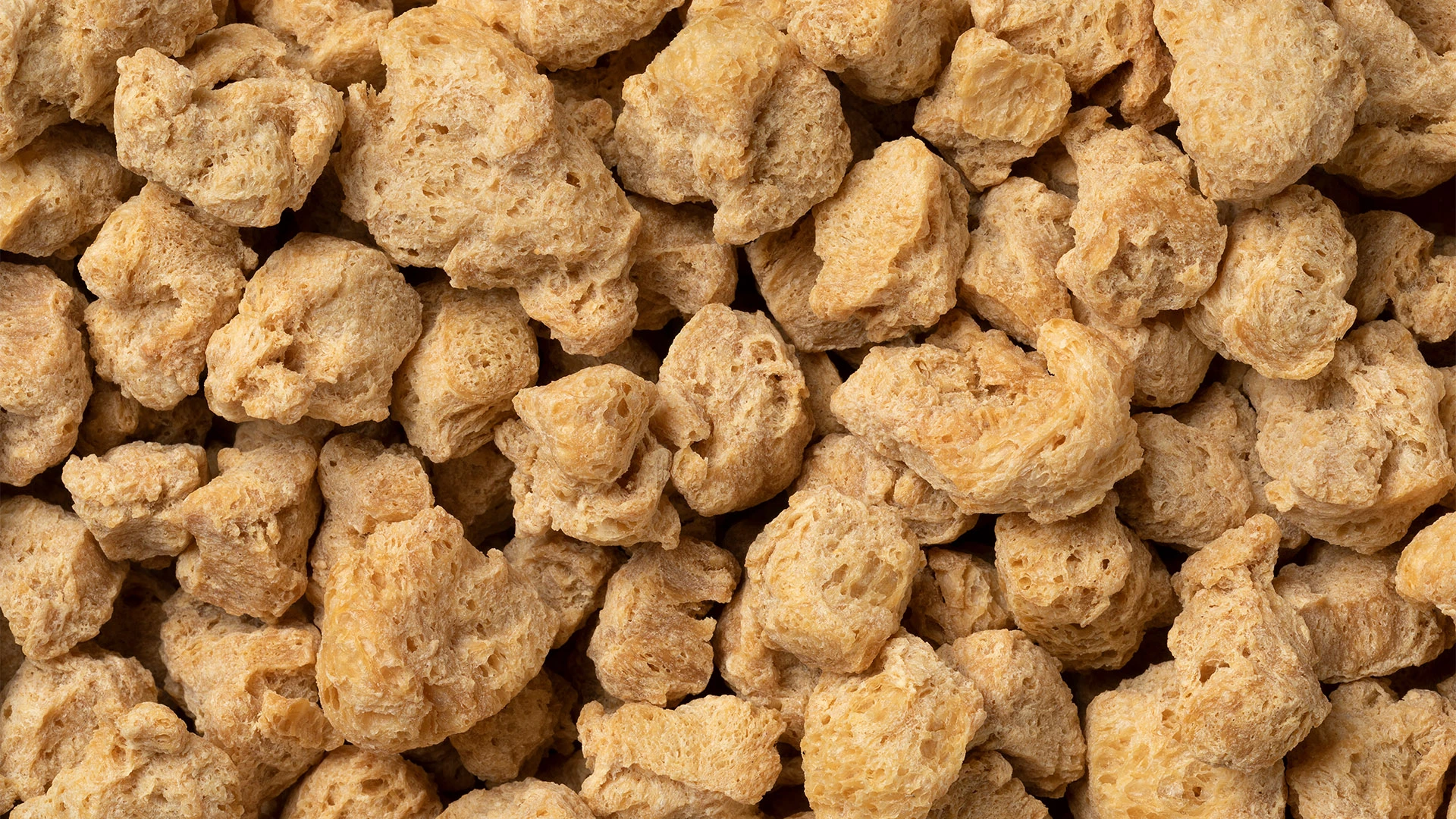
Soya chunks emerge from a simple yet ingenious process that transforms defatted soy flour into protein-dense nuggets. Manufacturers extract oil from soybeans, leaving behind concentrated protein that gets shaped into chunk-like pieces through extrusion. This process creates a meat-like texture that absorbs flavors beautifully while maintaining exceptional nutritional density. The appearance resembles small, beige-colored nuggets with a spongy texture that expands when cooked. Their neutral taste profile makes them incredibly versatile, earning the nickname "vegetarian meat" among plant-based enthusiasts. Unlike fresh produce, soya chunks boast impressive shelf stability, lasting months when stored properly in cool, dry conditions.
The defatting process removes excess oils while preserving essential amino acids. This concentration method results in one of nature's most protein-dense foods, delivering more protein per gram than most animal products.
Dry soya chunks require no refrigeration and maintain nutritional integrity for extended periods. This convenience factor makes them ideal for meal prep enthusiasts and busy professionals seeking reliable protein sources.
Soya chunks nutrition profile reads like a nutritionist's dream, packing exceptional value into every serving. The standout feature remains the remarkable 52 grams of protein per 100 grams, but the benefits extend far beyond protein content alone. Per 100 grams, soya chunks deliver approximately 345 calories, making them energy-dense while maintaining lean nutrition. The protein content includes all nine essential amino acids, qualifying as a complete protein source comparable to animal products. Fibre content reaches 13 grams per 100 grams, supporting digestive health and satiety.
The amino acid composition includes high levels of leucine, crucial for muscle protein synthesis. Lysine content supports immune function, while methionine aids in metabolism and detoxification processes.
Soya chunks provide substantial amounts of calcium (350mg per 100g), iron (20mg), magnesium (290mg), and B-vitamins including folate and B6. These micronutrients support bone health, oxygen transport, and nervous system function.
Research consistently validates soya chunks as more than just protein providers. These benefits stem from comprehensive nutritional profiles that support multiple body systems simultaneously. The combination of high-quality protein, fibre, and bioactive compounds creates synergistic effects that enhance overall health outcomes. Clinical studies demonstrate measurable improvements in various health markers when soy protein replaces less nutritious alternatives.
With 52 grams of protein per 100 grams, soya chunks rank among the highest vegetarian protein sources available. The protein digestibility score matches or exceeds many animal proteins, ensuring efficient utilization by the body. This makes them invaluable for vegetarians and vegans seeking complete protein sources.
Soya chunks for muscle gain deliver impressive results due to high leucine content, the primary amino acid triggering muscle protein synthesis. Post-workout consumption supports faster recovery and enhanced muscle development. Athletes and fitness enthusiasts benefit from the sustained amino acid release that promotes prolonged muscle-building signals.
Multiple studies demonstrate soy protein's ability to reduce LDL cholesterol levels by 10-15% when consumed regularly. The benefits of soy protein extend to improved arterial flexibility and reduced inflammation markers. Unlike saturated fat-rich animal proteins, soya chunks support cardiovascular health through multiple mechanisms.
The protein-fibre combination creates powerful satiety signals that reduce overall calorie intake. High protein content boosts metabolic rate through the thermic effect of food, burning additional calories during digestion. This dual action supports sustainable weight management without restrictive dieting.
Calcium and magnesium content supports bone density maintenance, while isoflavones provide additional bone-protective benefits. Research indicates regular soy consumption may reduce fracture risk, particularly in postmenopausal women. The protein content also supports bone matrix formation.
Phytoestrogens in soya chunks provide gentle hormonal support without disrupting natural hormone production. These compounds may help manage menopause symptoms and support reproductive health. The mild estrogenic activity can benefit both men and women when consumed as part of balanced diets.
High fibre content promotes beneficial gut bacteria growth while supporting regular bowel movements. The prebiotic effects enhance overall digestive health and may improve immune function through gut-brain axis connections.
Low glycemic index values prevent blood sugar spikes, while protein content helps stabilize glucose levels throughout the day. This combination benefits individuals managing diabetes or seeking steady energy levels.
Mastering how to cook soya chunks transforms this nutritional powerhouse into delicious, satisfying meals. Proper preparation techniques unlock optimal flavor absorption while maintaining nutritional integrity. Start by soaking dried soya chunks in warm water for 15-20 minutes until they double in size. Drain and gently squeeze out excess water, then boil in salted water for 5-7 minutes to remove any residual beany flavor. This preparation creates the perfect canvas for flavor absorption.
• Soak chunks in warm water for 15-20 minutes
• Squeeze out excess water gently
• Boil in salted water for 5-7 minutes
• Drain and rinse with cold water
• Pat dry before cooking
Spicy soya chunks curry combines prepared chunks with onions, tomatoes, and aromatic spices for a protein-rich main dish. Soya chunks biryani layers marinated chunks with fragrant basmati rice for special occasions. Stir-fried soya chunks with vegetables create quick, nutritious weeknight dinners.
While soya chunks benefits are substantial, understanding potential soya chunks side effects ensures safe consumption. Most individuals tolerate soy products well, but certain populations should exercise caution or consult healthcare providers. Thyroid function concerns arise primarily in individuals with existing thyroid conditions or iodine deficiency. The goitrogenic compounds in soy may interfere with thyroid hormone production when consumed in excessive amounts. Moderate consumption typically poses no risk for healthy individuals.
Some people experience bloating or gas when introducing soya chunks, particularly if consumed in large quantities initially. Starting with smaller portions allows digestive systems to adapt gradually.
Nutritional experts suggest limiting soy protein intake to 25-30 grams daily from all sources. This translates to approximately 50 grams of soya chunks, providing ample protein while avoiding potential overconsumption.
Daily consumption of moderate amounts (25-50 grams) is generally safe and beneficial for most people. The high protein vegetarian food provides consistent amino acid supply while supporting various health goals. However, variety in protein sources ensures comprehensive nutrition.
Both offer complete proteins, but soya chunks provide more protein per serving (52g vs 13g per 100g) while being cholesterol-free. Eggs offer vitamin B12 and choline, which soya chunks lack. The choice depends on dietary preferences, ethical considerations, and individual nutritional needs.
Children over 2 years, adults, and elderly individuals can safely consume soya chunks as part of balanced diets. Pregnant and breastfeeding women should consult healthcare providers, though moderate consumption is typically safe.
Soya chunks lead in protein density among plant sources, containing nearly double the protein of lentils (25g) or quinoa (14g) per 100 grams. They provide complete amino acid profiles unlike most plant proteins, making them superior for muscle building and recovery.
Soya chunks can substitute meat in many recipes while providing comparable protein content. However, they lack vitamin B12, iron absorption may be lower, and variety ensures optimal nutrition. They work excellently as primary protein sources with proper meal planning.
Soya chunks stand as exceptional vegetarian protein sources, delivering 52 grams of complete protein per 100 grams alongside impressive nutritional benefits. From muscle building to heart health, the science-backed advantages make them valuable additions to plant-based diets. Proper preparation techniques unlock their culinary potential, while understanding potential side effects ensures safe consumption. Whether you're building muscle, managing weight, or simply seeking clean protein sources, soya chunks offer versatile, affordable nutrition that supports optimal health goals.


Someone sent you
Error
Powered by ReferRush