










Protein Powder for Women: Complete Guide & Tips

Get personalised recommendations with our assessment.
Personalised Health Diagnosis (PHD)
The protein powder market has exploded with options, but most brands treat women as an afterthought—slapping pink labels on generic formulas and calling it a day. That's not how women's nutrition works. Your body has unique needs that change with your cycle, your goals, and your lifestyle. Whether you're crushing deadlifts, chasing toddlers, or building a career, the right protein powder can be a game-changer. But with shelves packed with confusing claims and marketing fluff, how do you cut through the noise? Let's break down everything you need to know about choosing protein powder that actually works for your body and your goals.
Your protein needs aren't just smaller versions of men's requirements. Women's bodies process protein differently, especially during hormonal fluctuations. During your menstrual cycle, protein synthesis can drop by up to 15%, making it harder to maintain muscle mass. Add in the fact that most women consume only 60-70% of their daily protein needs, and you've got a recipe for muscle loss, energy crashes, and sluggish recovery.
Protein powder for women fills these gaps efficiently. Unlike whole food sources that require digestion time, quality protein supplements hit your bloodstream within 30 minutes. This rapid absorption is crucial for muscle protein synthesis, which peaks within two hours post-workout. For active women, this timing can make the difference between gaining lean muscle and spinning your wheels.
The benefits extend beyond muscle building. Adequate protein intake stabilizes blood sugar levels, reducing those 3 PM energy crashes that send you reaching for sugary snacks. It also supports hormone production—your body needs amino acids to create everything from thyroid hormones to neurotransmitters like serotonin. During menopause, when estrogen levels drop and muscle mass naturally declines, protein becomes even more critical for maintaining strength and bone density.
Not all proteins are created equal, and the "best" option depends on your digestive system, dietary preferences, and specific goals. Let's cut through the marketing speak and focus on what actually matters.
Whey protein for women remains the gold standard for bioavailability and amino acid profile. It contains all nine essential amino acids in optimal ratios, with particularly high levels of leucine—the trigger for muscle protein synthesis. Whey isolate processes faster than concentrate, making it ideal for post-workout recovery when your muscles are primed for nutrient uptake. However, about 65% of adults have some degree of lactose intolerance, which can cause bloating, gas, or digestive discomfort. If you experience these issues with regular whey, try whey isolate, which removes most lactose during processing.
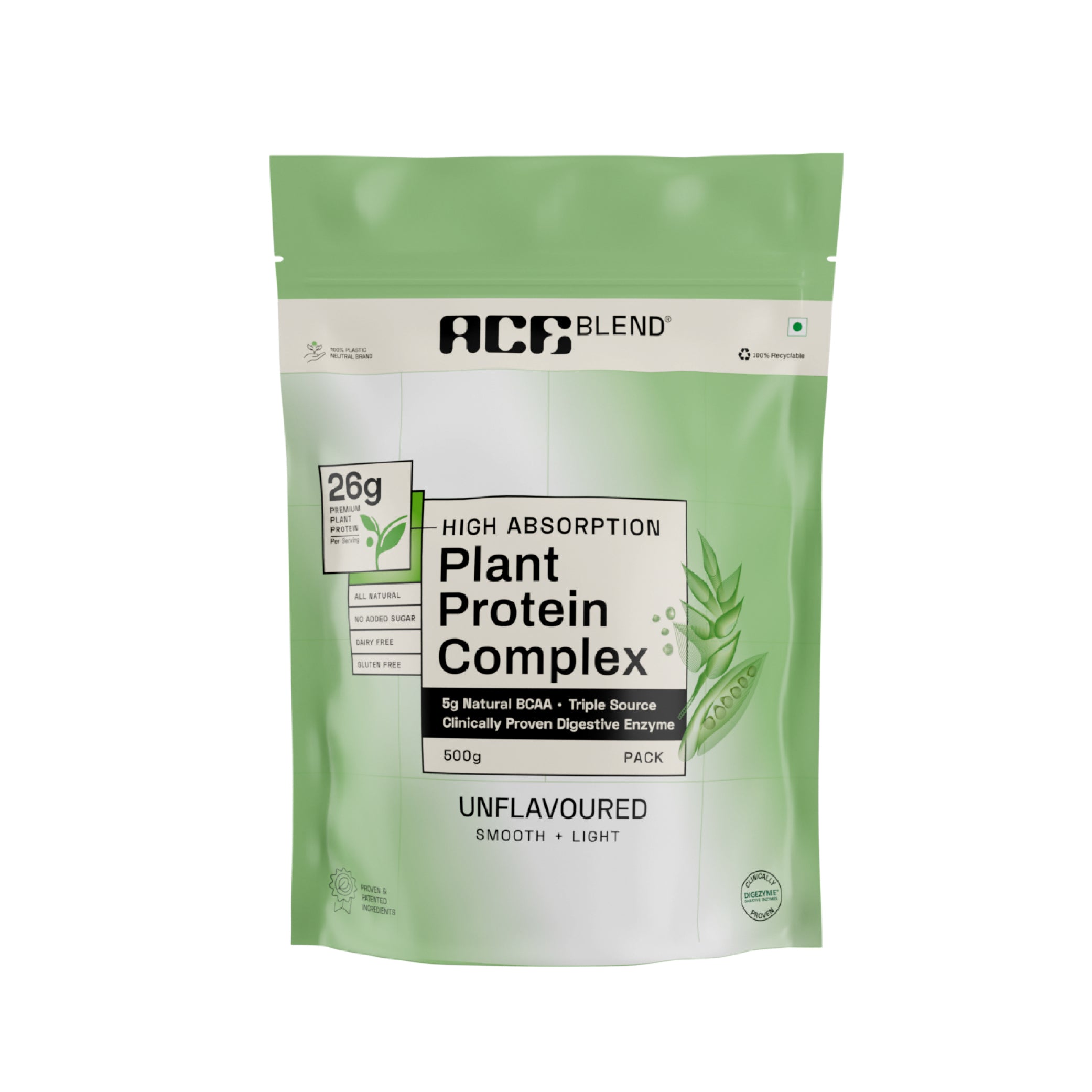
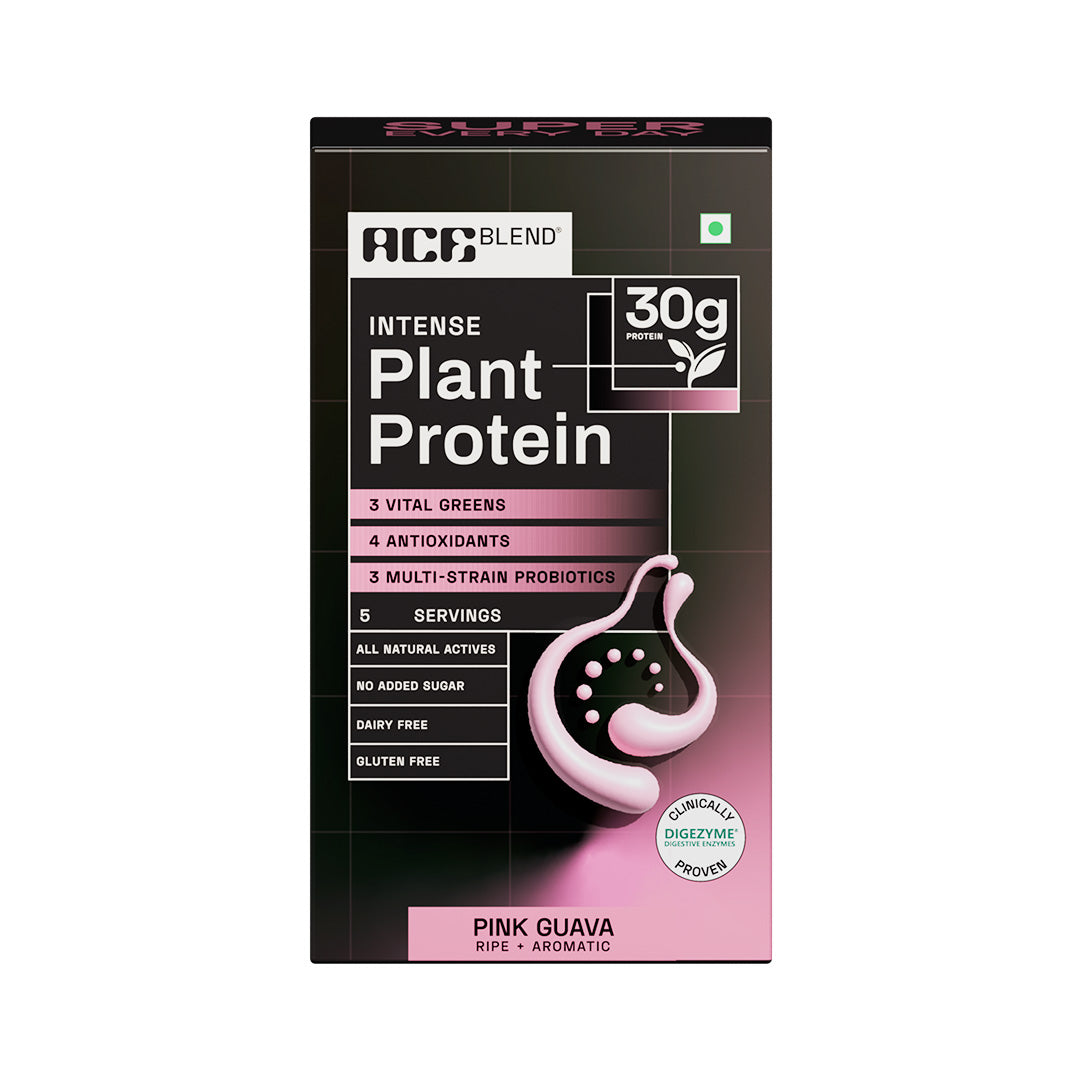
Plant proteins have evolved far beyond the chalky, incomplete formulas of the past. Modern plant based protein powder blends combine multiple sources to create complete amino acid profiles that rival animal proteins. Pea protein, for instance, contains high levels of branched-chain amino acids (BCAAs) that support muscle recovery. Our plant protein formulations focus on digestibility and taste without compromising nutritional value. We combine complementary plant sources to ensure you're getting all essential amino acids in bioavailable forms. Hemp protein adds healthy omega-3 fatty acids, while rice protein provides smooth texture and neutral taste.
Some protein powders include additional nutrients specifically chosen for women's health needs. These might include iron (since women lose iron during menstruation), calcium for bone health, or B vitamins for energy metabolism. While these additions can be beneficial, they shouldn't replace a balanced diet or targeted supplementation for specific deficiencies.
Protein powder isn't inherently for weight loss or weight gain—it's a tool that works based on how you use it. The key lies in understanding your total caloric intake and timing your protein strategically.
Weight loss protein strategies focus on satiety and metabolic support. Protein has the highest thermic effect of all macronutrients, meaning your body burns more calories digesting it compared to carbs or fats. This metabolic boost can increase daily calorie burn by 80-100 calories—not massive, but meaningful over time. For weight loss, use protein powder as a meal replacement or snack that keeps you full between meals. Mix it with water or unsweetened almond milk to keep calories low, and add fibre-rich ingredients like spinach or chia seeds to enhance satiety. Timing matters: consuming protein 30 minutes before meals can reduce overall calorie intake by up to 20%.
For women looking to gain healthy weight—whether recovering from illness, building muscle, or addressing underweight concerns—protein powder becomes a calorie-dense addition rather than a replacement. Blend it with whole milk, nut butters, oats, or fruits to create nutrient-dense smoothies that pack 400-600 calories per serving. Focus on post-workout timing when your body is primed for nutrient uptake and muscle building. The anabolic window isn't as narrow as once believed, but consuming protein within two hours of strength training optimizes muscle protein synthesis.
Active women have elevated protein needs—up to 1.6-2.2 grams per kilogram of body weight compared to 0.8 grams for sedentary individuals. Muscle building supplements for women should prioritize leucine content, which triggers the mTOR pathway responsible for muscle growth.
Post workout protein timing has been debated extensively, but research consistently shows benefits when consumed within the broader post-exercise window. Your muscles remain sensitive to amino acids for up to 48 hours after training, with peak sensitivity occurring in the first few hours.
For strength training supplements, look beyond just protein content. Consider digestibility—the last thing you want is stomach discomfort during your next workout. Our protein formulations are designed for rapid absorption without digestive stress, allowing you to train consistently without gastrointestinal issues.
Combining protein with other supplements can enhance results. Creatine monohydrate supports power output and muscle volume, while beta-alanine can improve muscular endurance. However, these should complement, not replace, adequate protein intake.
Navigating the protein powder market requires cutting through marketing claims to focus on objective quality indicators. Here's what actually matters when selecting the best protein powder for your needs.
Third-party testing separates legitimate products from marketing fluff. Look for certifications from organizations like NSF International or Informed Sport, which test for banned substances and verify label accuracy. These certifications matter because the supplement industry is largely self-regulated.
Ingredient transparency should be non-negotiable. Avoid proprietary blends that hide individual ingredient amounts behind vague terms like "protein matrix." You deserve to know exactly what you're consuming and in what quantities. Artificial additives aren't necessarily harmful, but they can cause issues for sensitive individuals. Common culprits include artificial sweeteners (which can cause digestive upset), artificial colors (linked to hyperactivity in some people), and excessive fillers that dilute protein content.
The best protein powder is the one you'll actually use consistently. Flavor preferences are highly individual, but natural flavoring systems tend to be less cloying than artificial alternatives. Our flavor profiles focus on clean, authentic tastes that don't become overwhelming with daily use. Mixability affects both convenience and enjoyment. Proteins that clump or leave gritty textures make the experience unpleasant. Look for fine powder consistency and consider reviews that specifically mention texture and mixing properties.
Cost per serving provides better value comparison than package price. Calculate the protein cost per gram to compare products fairly. Sometimes premium products offer better value when you factor in higher protein content and superior ingredients. Bulk buying can reduce costs, but only if you'll use the product before it expires. Most protein powders maintain quality for 12-18 months when stored properly in cool, dry conditions.
Absolutely. Protein supplements can help women meet their daily protein needs more conveniently than whole foods alone. This is especially beneficial for active women, those with busy schedules, or anyone struggling to consume adequate protein from food sources. Protein powder supports muscle maintenance, energy levels, and recovery—all crucial for women's health.
The best option depends on your individual needs, digestive tolerance, and goals. Whey protein for women offers superior bioavailability and amino acid profiles, while plant-based options work well for those with lactose intolerance or dietary preferences. Consider factors like ingredient quality, third-party testing, and how the protein fits into your overall nutrition plan.
Sedentary women need about 0.8 grams per kilogram of body weight, while active women require 1.2-2.2 grams per kilogram depending on training intensity. For a 140-pound active woman, this translates to roughly 76-140 grams daily. Protein shakes for women can provide 20-30 grams per serving, making it easier to reach these targets.
Post workout protein within 2 hours of training optimizes muscle recovery, but total daily intake matters more than precise timing. You can also use protein powder as a breakfast addition, between-meal snack, or evening treat to distribute protein intake throughout the day.
Protein provides the building blocks for keratin (hair) and collagen (skin), so adequate intake supports healthy hair and skin. However, protein powder alone won't solve deficiency-related issues if you're lacking other nutrients like biotin, vitamin C, or zinc.
Most women tolerate quality protein powder well. Some may experience digestive discomfort with whey if lactose intolerant, or bloating if consuming too much too quickly. Start with smaller servings and gradually increase to assess tolerance.
Choosing the right protein powder for women isn't about finding the prettiest package or the most aggressive marketing claims. It's about understanding your body's unique needs and selecting a product that supports your goals with quality ingredients and proven results. Whether you choose whey, plant-based, or specialty formulations, focus on third-party tested products with transparent labeling. Consider your digestive tolerance, flavor preferences, and how the protein fits into your broader nutrition strategy. Remember that protein powder supplements a healthy diet—it doesn't replace the need for varied, nutrient-dense whole foods. Most importantly, consistency trumps perfection. The best protein powder is the one you'll use regularly as part of a sustainable approach to health and fitness. Start with quality basics, assess how your body responds, and adjust as needed based on your evolving goals and preferences.


Someone sent you
Error
Powered by ReferRush