










Paneer Protein 101: Your Complete Nutrition Guide

Get personalised recommendations with our assessment.
Personalised Health Diagnosis (PHD)
Paneer stands as one of India's most beloved protein sources, but how much protein does a 200-gram serving actually deliver? This fresh cheese has become a cornerstone for vegetarians seeking high-quality protein, yet many people remain unclear about its exact nutritional profile. Understanding paneer's protein content isn't just about numbers—it's about making informed choices for your health goals. Whether you're building muscle, maintaining weight, or simply ensuring adequate protein intake, knowing the facts about paneer protein content can transform how you approach your nutrition strategy.
A 200-gram serving of paneer delivers approximately 36-40 grams of high-quality protein, making it one of the most protein-dense vegetarian foods available. This substantial protein content positions paneer as a serious contender in the world of muscle-building nutrition.
Regular paneer typically contains 18-20 grams of protein per 100 grams, translating to 36-40 grams in a 200-gram portion. However, high-protein, low-fat varieties can push this number up to 25 grams per 100 grams, delivering up to 50 grams of protein in your 200-gram serving.
Industry standards show that quality paneer contains 18-20 grams of protein per 100 grams. Brand variations exist due to milk quality, fat content, and manufacturing processes. Premium varieties often maintain higher protein concentrations through careful moisture control and superior milk sourcing.
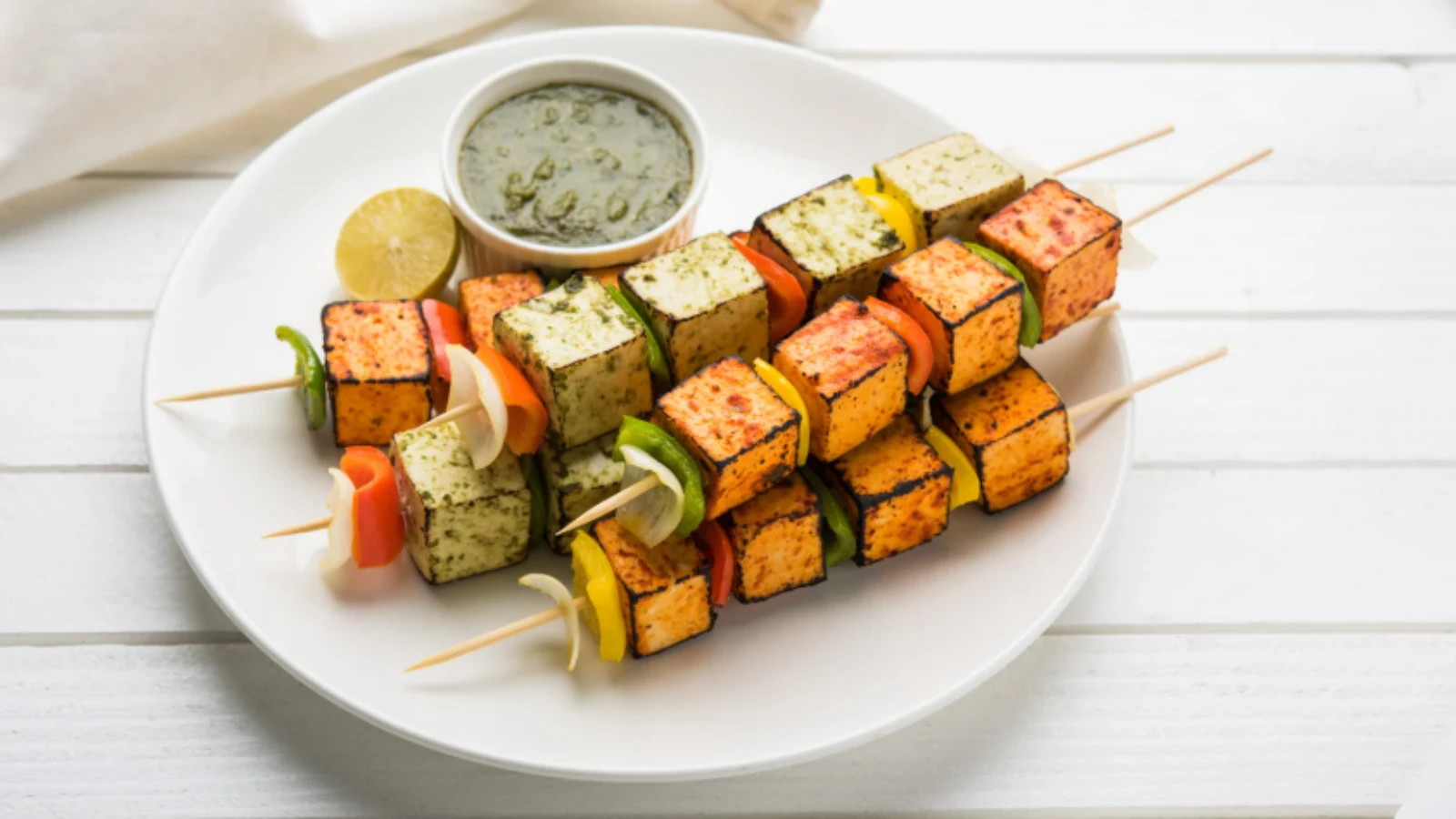
Cooking methods minimally affect protein retention in paneer. Grilling or sautéing may cause slight moisture loss, concentrating the protein content per gram. However, the total protein amount remains largely unchanged, making cooked paneer equally valuable for your protein goals.
Beyond protein, paneer delivers a comprehensive nutritional profile that supports overall health. Understanding these paneer macros helps you make informed dietary decisions that align with your fitness and wellness objectives.
A 200-gram serving provides 36-40 grams of protein, 40-50 grams of fat, and 3-8 grams of carbohydrates. The calorie content ranges from 550-643 calories, depending on fat content and preparation method. This macronutrient profile makes paneer ideal for low-carb, high-protein diets.
Paneer excels in calcium content, providing over 80% of your daily calcium needs in a 200-gram serving. It's also rich in vitamin B12, phosphorus, and selenium. The bioavailability of these nutrients is excellent, meaning your body can efficiently absorb and utilize them.
When comparing vegetarian protein sources, paneer consistently ranks among the top choices for protein density and quality. This indian cheese protein profile stands out in the crowded field of plant-based alternatives.
Paneer contains more protein than cottage cheese, delivering 18-20 grams per 100 grams compared to cottage cheese's 11-13 grams. Regional cheese varieties like chhana offer similar protein content but often lack paneer's versatility and availability.
Among high protein vegetarian foods, paneer ranks exceptionally high. It provides complete amino acid profiles, unlike many plant proteins that require combining to achieve completeness. This makes paneer protein per serving particularly valuable for vegetarians.
Compared to tofu (8-10g protein per 100g) and tempeh (19g per 100g), paneer offers competitive protein content with superior taste and culinary versatility. Cost-wise, paneer often provides better protein value than imported alternatives.
Paneer's protein profile makes it exceptional for muscle building and athletic performance. The quality and composition of paneer protein support various fitness goals effectively.
Paneer contains all nine essential amino acids, making it a complete protein source. Its leucine content—crucial for muscle protein synthesis—rivals that of animal proteins. This amino acid composition supports muscle growth and recovery effectively.
For bulking phases, paneer's calorie density supports weight gain while providing quality protein. During cutting phases, its protein content helps preserve muscle mass. The fat content provides sustained energy, making it suitable for both pre and post-workout nutrition.
Paneer contains casein protein, which digests slowly and provides sustained amino acid release. This makes it ideal for nighttime consumption or between meals. The digestibility is excellent for most people, though those with lactose sensitivity should exercise caution.
Optimizing paneer consumption involves understanding preparation methods, timing, and combination strategies that enhance protein utilization and overall nutritional value.
Gentle cooking methods like steaming or light sautéing preserve protein structure. Avoid high-heat frying, which can denature some proteins. Marinating paneer before cooking can enhance digestibility without compromising protein content.
Pairing paneer with legumes creates complementary amino acid profiles, enhancing overall protein quality. Adding paneer to grain-based meals boosts the protein content significantly while improving amino acid completeness.
For active adults, 200 grams of paneer can provide 40-50% of daily protein needs. Consider your activity level, age, and overall diet when determining portion sizes. Most people can safely consume 200-300 grams daily as part of a balanced diet.
Answer: Fresh paneer contains approximately 18-20 grams of protein per 100 grams. High-quality varieties may contain up to 25 grams, depending on the manufacturing process and fat content.
Answer: A 250-gram serving of paneer provides approximately 45-50 grams of protein. This substantial amount can cover a significant portion of daily protein requirements for most adults.
Answer: Yes, 200 grams of paneer daily is generally safe for healthy adults. This provides 36-40 grams of high-quality protein while staying within recommended dairy intake guidelines.
Answer: Homemade paneer often has slightly higher protein content because you control the milk quality and fat content. Store-bought varieties may have added preservatives that slightly dilute protein concentration.
Answer: Whey protein is more concentrated, providing 20-25 grams per 30-gram scoop. However, paneer offers additional nutrients like calcium and provides sustained protein release due to its casein content.
Answer: Paneer works well post-workout for muscle recovery or before bed for sustained protein release. Its slow-digesting casein protein makes it ideal for nighttime muscle protein synthesis.
Answer: Yes, paneer can effectively replace meat for protein needs in vegetarian diets. Its complete amino acid profile and high protein density make it an excellent meat substitute.
Answer: Cooked paneer contains approximately 550-650 calories per 200 grams, depending on cooking method and added oils. Grilled paneer has fewer calories than fried varieties.
Paneer delivers exceptional protein value with 36-40 grams of high-quality protein per 200-gram serving. This makes it one of the most protein-dense vegetarian foods available, rivaling many animal protein sources in both quantity and quality. The complete amino acid profile, excellent digestibility, and versatile culinary applications position paneer as a cornerstone food for anyone seeking optimal nutrition. Whether you're building muscle, maintaining health, or simply ensuring adequate protein intake, understanding paneer's nutritional profile empowers you to make informed dietary choices that support your wellness goals.

