










Paneer Fat Per 100g: Complete Nutrition Guide

Get personalised recommendations with our assessment.
Personalised Health Diagnosis (PHD)
Paneer sits at the heart of Indian cuisine and fitness nutrition, but understanding its complete nutritional profile goes beyond just knowing it's a protein source. For health-conscious individuals navigating modern nutrition, the fat content becomes a crucial consideration. With paneer fat per 100g ranging from 22-25 grams, this beloved Indian cheese presents both opportunities and considerations for your wellness journey. Whether you're building muscle, managing weight, or simply optimizing your nutrition, understanding paneer's complete macronutrient breakdown empowers smarter food choices. This comprehensive guide cuts through the confusion, delivering science-backed insights into paneer's nutritional landscape without the typical wellness industry fluff.
The numbers don't lie when it comes to paneer's fat profile. Paneer fat per 100g typically contains 22-25 grams of total fat, making it a relatively high-fat dairy product. This isn't necessarily problematic, but context matters for your specific health goals. Saturated fat comprises the majority of paneer's fat content, ranging from 14-16 grams per 100 grams. This represents roughly 70% of the total fat content. Trans fat levels remain minimal at approximately 1 gram per 100 grams, which aligns with most natural dairy products. The remaining fat consists of monounsaturated and polyunsaturated fats in smaller quantities.
The source milk dramatically impacts paneer's final fat content. Full-fat milk paneer delivers the highest fat levels, while paneer made from toned or skimmed milk reduces overall fat content by 30-40%. However, this reduction comes with trade-offs in texture, taste, and satiety.
Fat content in Indian cheese varies significantly across regions and preparation methods. Homemade paneer typically contains higher fat levels due to full-fat milk usage, while commercial varieties may use standardized milk blends. Some brands now offer low fat paneer options with fat content reduced to 15-18 grams per 100 grams.
Beyond fat content, paneer delivers a robust macronutrient profile that supports various health goals. Understanding these numbers helps you integrate paneer strategically into your nutrition plan. Calories in paneer range from 296-323 kcal per 100 grams, making it a calorie-dense food. This energy density comes primarily from fat and protein, with minimal carbohydrate contribution. For active individuals, this caloric density can support energy needs without requiring large food volumes.
Paneer protein content stands at 20-25 grams per 100 grams, providing complete amino acid profiles essential for muscle synthesis and recovery. This protein quality rivals many animal sources, making paneer valuable for vegetarian athletes and fitness enthusiasts. Carbohydrates remain minimal at 3.5-5 grams per 100 grams, primarily from naturally occurring milk sugars. This low carbohydrate content makes paneer suitable for various dietary approaches, including ketogenic and low-carb protocols.
Paneer nutritional value extends beyond macronutrients. Calcium content reaches 200-250mg per 100 grams, supporting bone health and muscle function. Phosphorus levels complement calcium for optimal bone mineralization. Vitamin B12 content makes paneer particularly valuable for vegetarians at risk of deficiency.
Paneer's nutritional profile translates into tangible health benefits when consumed strategically. However, understanding both advantages and limitations ensures optimal integration into your wellness routine. Benefits of paneer for active lifestyles center around its high-quality protein content. The complete amino acid profile supports muscle protein synthesis, making it valuable for recovery and growth. Calcium content supports bone density, particularly important for individuals engaged in weight-bearing activities.
The combination of protein and fat in paneer promotes satiety, potentially reducing overall caloric intake when used strategically. This satiety factor can support weight management goals when portion sizes align with individual energy needs.
The question "is paneer healthy" requires nuanced consideration. Saturated fat content may concern individuals with cardiovascular risk factors, though recent research suggests dairy-derived saturated fats may have different metabolic effects than other sources. Cholesterol content ranges from 84-89mg per 100 grams, which may impact individuals monitoring cholesterol intake. Sodium levels in commercial paneer can vary significantly, with some varieties containing 400-500mg per 100 grams. This sodium content may concern individuals managing blood pressure or following low-sodium protocols.
Strategic paneer consumption can support various fitness objectives when integrated thoughtfully into overall nutrition planning. Understanding how to leverage its nutritional profile optimizes results. Paneer for weight loss requires careful consideration of portion sizes and timing. While the protein content supports muscle preservation during caloric restriction, the high caloric density demands mindful consumption. A 50-gram serving provides approximately 150 calories with 10-12 grams of protein, offering a more manageable option for weight-focused individuals.
Post-workout consumption leverages paneer's protein content for recovery, while its fat content provides sustained energy release. Pre-workout consumption may feel heavy for some individuals due to fat content, making timing personal preference and tolerance-dependent.
For muscle building goals, paneer macros align well with higher caloric needs. The protein quality supports muscle protein synthesis, while additional calories from fat can contribute to overall energy surplus required for growth.
Maximizing paneer's nutritional benefits requires smart selection, storage, and preparation strategies. These practical considerations ensure you're getting optimal value from your nutrition investment. When shopping for low fat paneer options, examine nutrition labels carefully. Some products reduce fat by adding stabilizers or fillers that may compromise protein content. Fresh paneer typically offers superior nutritional profiles compared to heavily processed alternatives.
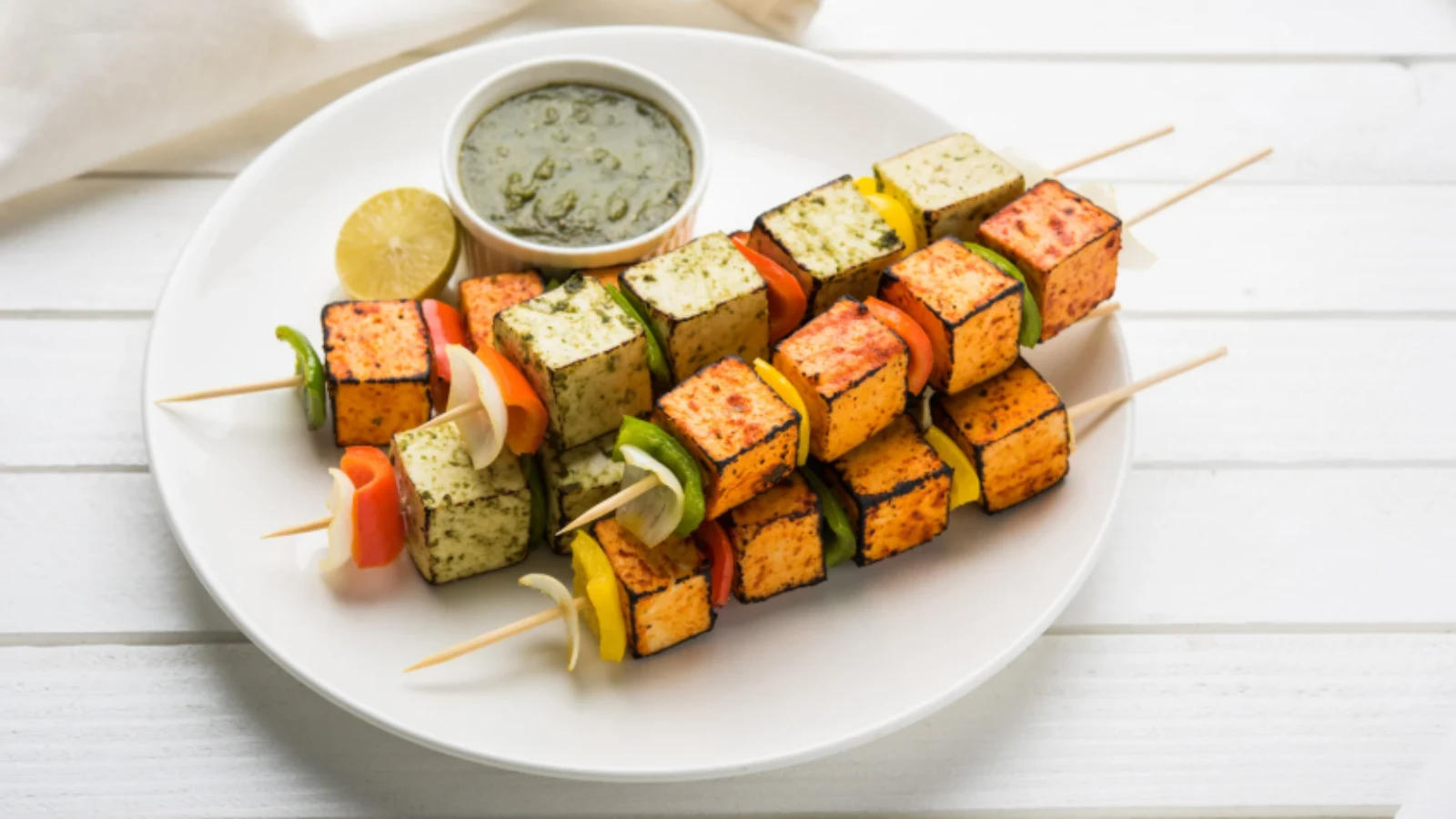
Cooking methods significantly impact paneer's final nutritional value. Grilling or baking preserves protein content while allowing excess fat to drain. Heavy oil-based preparations can double the caloric content, potentially undermining health goals. Pairing paneer with fibre-rich vegetables enhances satiety while balancing the meal's macronutrient profile. This combination strategy optimizes both nutrition and satisfaction.
Answer: Paneer contains 22-25 grams of fat per 100 grams, with 14-16 grams being saturated fat. This makes paneer a high-fat dairy product, though the fat content can vary based on the milk type used in preparation.
Answer: Approximately 100 grams of paneer provides similar protein content to 2 medium eggs (about 20-24 grams of protein). However, paneer contains significantly more calories and fat compared to eggs.
Answer: Yes, paneer is relatively high in fat compared to lean protein sources like chicken breast or fish. However, this fat content contributes to satiety and provides essential fatty acids, making it valuable when consumed in appropriate portions.
Answer: Paneer is primarily a protein and fat food, with minimal carbohydrate content (3.5-5g per 100g). It's classified as a high-protein dairy product rather than a carbohydrate source.
Answer: Yes, paneer's low carbohydrate content makes it suitable for diabetic diets. The protein and fat content help stabilize blood sugar levels, though portion control remains important due to caloric density.
Answer: Homemade paneer typically contains higher fat content due to full-fat milk usage and lacks preservatives or stabilizers. Store-bought versions may have standardized nutritional profiles but could contain additives that affect overall nutritional quality.
Understanding paneer fat per 100g empowers informed nutritional decisions that align with your health goals. With 22-25 grams of fat per 100 grams, paneer delivers substantial energy alongside high-quality protein, making it valuable for active individuals when consumed strategically. The complete nutritional profile reveals paneer as more than just a protein source—it's a nutrient-dense food that can support various health objectives. Whether you're building muscle, managing weight, or simply optimizing nutrition, paneer's versatility shines when integrated thoughtfully into balanced meal planning.
Success with paneer nutrition comes down to portion awareness, timing, and preparation methods that preserve its nutritional integrity. By understanding both benefits and limitations, you can harness paneer's nutritional power while avoiding common pitfalls that derail health goals.

