










Understanding Paneer: A Complete Nutrition Guide

Get personalised recommendations with our assessment.
Personalised Health Diagnosis (PHD)
Paneer has earned its place as India's favorite protein source, but the calorie conversation around this beloved cottage cheese often leaves people confused. Whether you're tracking macros for muscle building or managing weight, understanding paneer calories becomes crucial for making informed nutrition choices. The truth is, not all paneer is created equal—and the calorie content can vary dramatically based on fat content, preparation method, and brand. Let's decode the complete nutritional profile of paneer and discover how this protein powerhouse can fit into your health goals without derailing your progress.
The calories in paneer depend heavily on the fat content and preparation method. Full-fat paneer typically contains 300-321 calories per 100g, making it a calorie-dense protein source. However, this number shifts significantly when you opt for different varieties. Low-fat paneer offers a lighter alternative with 160-225 calories per 100g—that's nearly 38% fewer calories than the full-fat version. Homemade paneer usually falls somewhere in between, containing 250-300 calories per 100g, depending on the milk fat content used during preparation.
A standard 50g serving of full-fat paneer delivers approximately 150-160 calories, while the same portion of low-fat paneer provides just 80-112 calories. For those who measure by volume, one cup (140g) of cubed paneer contains 420-450 calories for full-fat varieties and 224-315 calories for low-fat options.
Amul Fresh Paneer contains about 296 calories per 100g, while their low-fat variant drops to 180 calories. Mother Dairy's full-fat paneer sits at 321 calories per 100g. These variations highlight why reading nutrition labels becomes essential for accurate calorie tracking.
Paneer nutrition extends far beyond just calories—it's the complete macronutrient profile that makes this dairy product exceptional. The protein content ranges from 18-25g per 100g, providing all essential amino acids your body needs for optimal function. The fat breakdown reveals 20-25g per 100g in full-fat varieties, with approximately 60% being saturated fats. While this might seem concerning, recent research suggests that dairy saturated fats behave differently in the body compared to processed food fats. Carbohydrates remain minimal at 3-4g per 100g, making paneer suitable for low-carb eating patterns.
Paneer delivers 400-500mg of calcium per 100g—that's nearly half your daily requirement. Vitamin B12 content supports nerve function and energy metabolism, while phosphorus works alongside calcium for bone health. These micronutrients make paneer nutritionally superior to many plant-based protein alternatives.
Full-fat paneer offers the richest flavor and highest satiety factor but comes with more calories. Low-fat versions sacrifice some taste for calorie reduction while maintaining protein content. Homemade paneer allows complete control over fat content and eliminates preservatives found in commercial varieties.
Paneer protein stands out due to its high biological value, meaning your body can efficiently utilize all the amino acids it provides. This complete amino acid profile makes it comparable to animal proteins like chicken and eggs, setting it apart from most plant-based options. For muscle building, paneer offers an impressive protein-to-calorie ratio. Low-fat paneer delivers approximately 11-14g of protein per 100 calories, making it more efficient than many traditional protein sources. This efficiency becomes crucial when you're trying to build lean muscle while managing overall calorie intake.
Consuming paneer post-workout provides the essential amino acids needed for muscle protein synthesis. The casein protein in paneer digests slowly, providing a steady amino acid release that supports recovery and growth. This makes it an excellent choice for evening meals or pre-bedtime snacks.
When compared to 100g of chicken breast (165 calories, 31g protein), paneer offers similar protein quality with added calcium and B vitamins. Against eggs (155 calories, 13g protein per 100g), paneer provides more protein per serving while delivering superior satiety.
Paneer benefits for weight loss stem from its high protein content and satiety factor. Protein requires more energy to digest than carbohydrates or fats, creating a thermic effect that slightly boosts metabolism. Studies show that high-protein foods like paneer can increase feelings of fullness for up to 4-6 hours after consumption. The key lies in choosing low-fat paneer varieties and controlling portions. A 100g serving of low-fat paneer provides substantial protein while keeping calories manageable. This combination helps preserve lean muscle mass during weight loss—a crucial factor for maintaining metabolic rate.
For weight loss, limit paneer intake to 50-75g per serving, 2-3 times per week. This provides adequate protein without excessive calories. Pair paneer with fibre-rich vegetables to enhance satiety and create balanced, satisfying meals that support your weight management goals.
Studies indicate that dairy protein consumption can support fat loss while preserving muscle mass during calorie restriction. The calcium in paneer may also play a role in fat metabolism, though more research is needed to confirm these effects in humans.
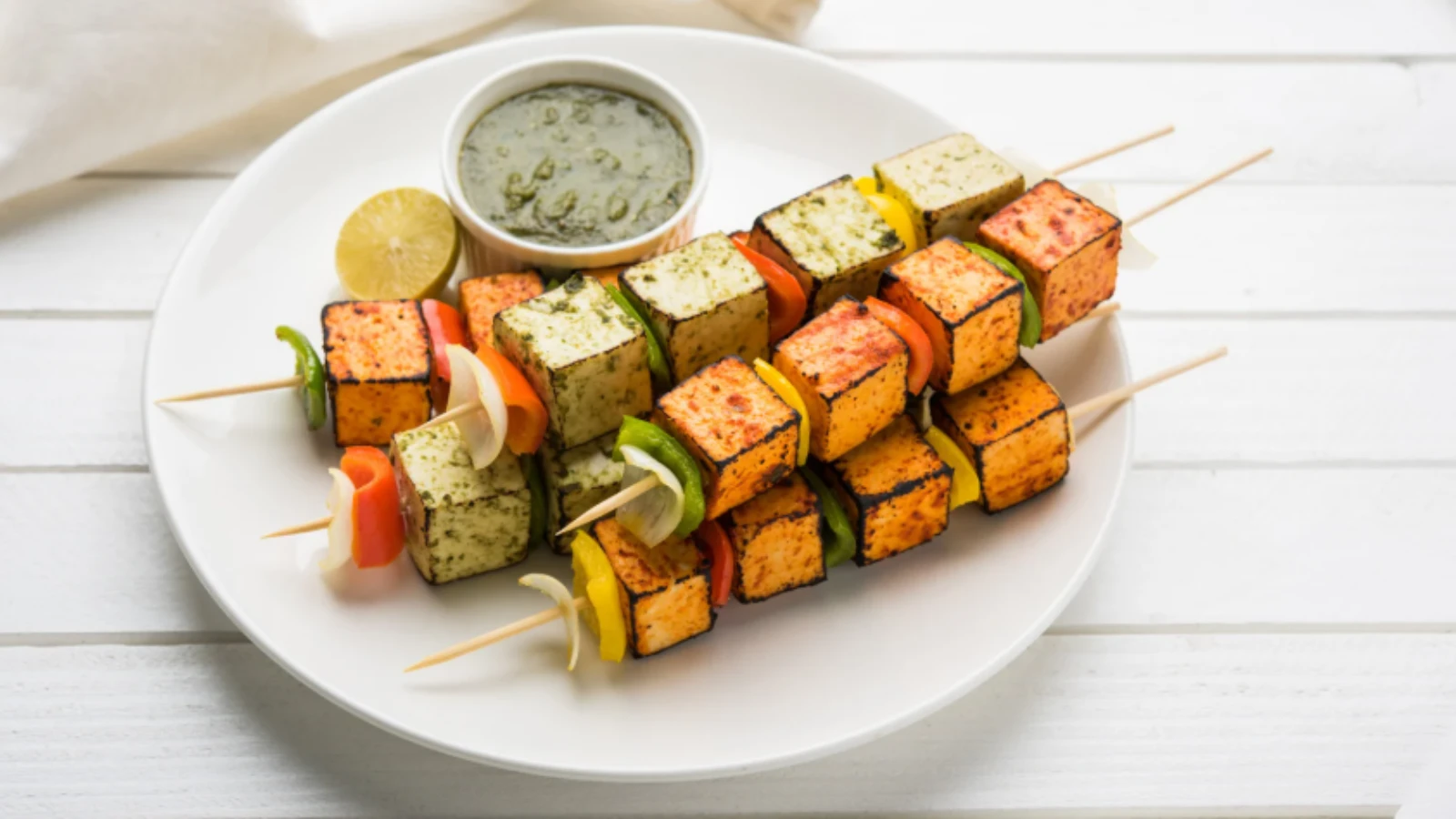
Healthy paneer dishes don't have to be boring or bland. Grilled paneer tikka using low-fat paneer, minimal oil, and aromatic spices delivers under 200 calories per serving while satisfying your taste buds. The key is using cooking methods that preserve nutrition without adding unnecessary calories. Steamed paneer preparations retain maximum nutrients while keeping calories in check. Try steaming paneer with vegetables and herbs for a protein-rich meal that supports your health goals. Air-fryer paneer snacks offer the crispy texture you crave without the oil-soaked calories of traditional frying methods.
Prepare paneer salad bowls with mixed greens, cherry tomatoes, and cucumber for quick, nutritious meals. These combinations provide complete nutrition while keeping calories controlled. Batch-cook grilled paneer cubes to add protein to various dishes throughout the week.
Steaming, grilling, and air-frying preserve the maximum nutritional value of paneer while minimizing added calories. Avoid deep-frying or cooking with excessive oil, which can double or triple the calorie content without adding nutritional benefits.
Full-fat paneer contains 300-321 calories per 100g, while low-fat varieties provide 160-225 calories per 100g. Homemade paneer typically falls between 250-300 calories per 100g, depending on the milk fat content used.
Yes, paneer can support weight loss when consumed in controlled portions. Low-fat paneer provides high-quality protein that promotes satiety and helps preserve muscle mass during calorie restriction. Choose 50-75g servings and pair with vegetables for best results.
Paneer contains 18-25g of complete protein per 100g, providing all essential amino acids your body needs. This makes it comparable to animal protein sources and superior to most plant-based options for muscle building and recovery.
Both have merits, but paneer provides more protein per serving and better satiety. Tofu is lower in calories (70-100 per 100g) but lacks the complete amino acid profile and calcium content of paneer. Your choice depends on dietary preferences and specific health goals.
Yes, paneer is suitable for diabetics due to its low carbohydrate content (3-4g per 100g) and high protein, which helps stabilize blood sugar levels. However, portion control remains important due to the calorie content.
For most adults, 50-100g of paneer 2-3 times per week provides adequate protein without excessive calories. Athletes or those with higher protein needs may consume slightly more, but should balance it with other protein sources for nutritional variety.
Full-fat paneer contains 20-25g of fat per 100g, making it relatively high in fat. However, low-fat varieties reduce this to 8-12g per 100g. The fat content includes beneficial nutrients, but portion control is key for weight management.
Paneer calories vary significantly based on fat content and preparation method, ranging from 160 calories in low-fat varieties to 321 calories in full-fat versions per 100g. The high-quality protein content of 18-25g per 100g makes paneer an excellent choice for muscle building and weight management when consumed mindfully. Choosing low-fat paneer and controlling portions allows you to enjoy this nutritious food while supporting your health goals. The complete amino acid profile, combined with essential nutrients like calcium and vitamin B12, makes paneer a valuable addition to a balanced diet. Remember, the key to success lies not in avoiding foods you enjoy, but in understanding their nutritional impact and making informed choices that align with your wellness journey.

