


Nutrient Breakdown: Your Complete Digestion Guide

Get personalised recommendations with our assessment.
Personalised Health Diagnosis (PHD)
Your body is a complex biochemical factory, constantly breaking down the food you eat into usable nutrients. But here's what most people don't realize: the efficiency of this process varies dramatically from person to person and meal to meal. Understanding the factors affecting nutrient breakdown isn't just academic knowledge—it's the key to unlocking your body's full potential. Whether you're struggling with low energy, poor recovery, or simply want to optimize your health, the science of nutrient metabolism holds the answers you've been searching for.
Nutrient breakdown is far more sophisticated than simply chewing and swallowing. Your body orchestrates an intricate dance of mechanical and chemical processes to transform complex food molecules into absorbable nutrients. This digestion process determines how much nutrition you actually extract from your meals, regardless of how healthy your diet appears on paper.
Nutrient breakdown, also known as nutrient metabolism, is the process by which your digestive system converts food into molecules small enough for cellular absorption. Macronutrients like proteins, carbohydrates, and fats require extensive breakdown, while micronutrients such as vitamins and minerals need specific transport mechanisms. The efficiency of this process directly impacts your energy levels, immune function, and overall health outcomes.
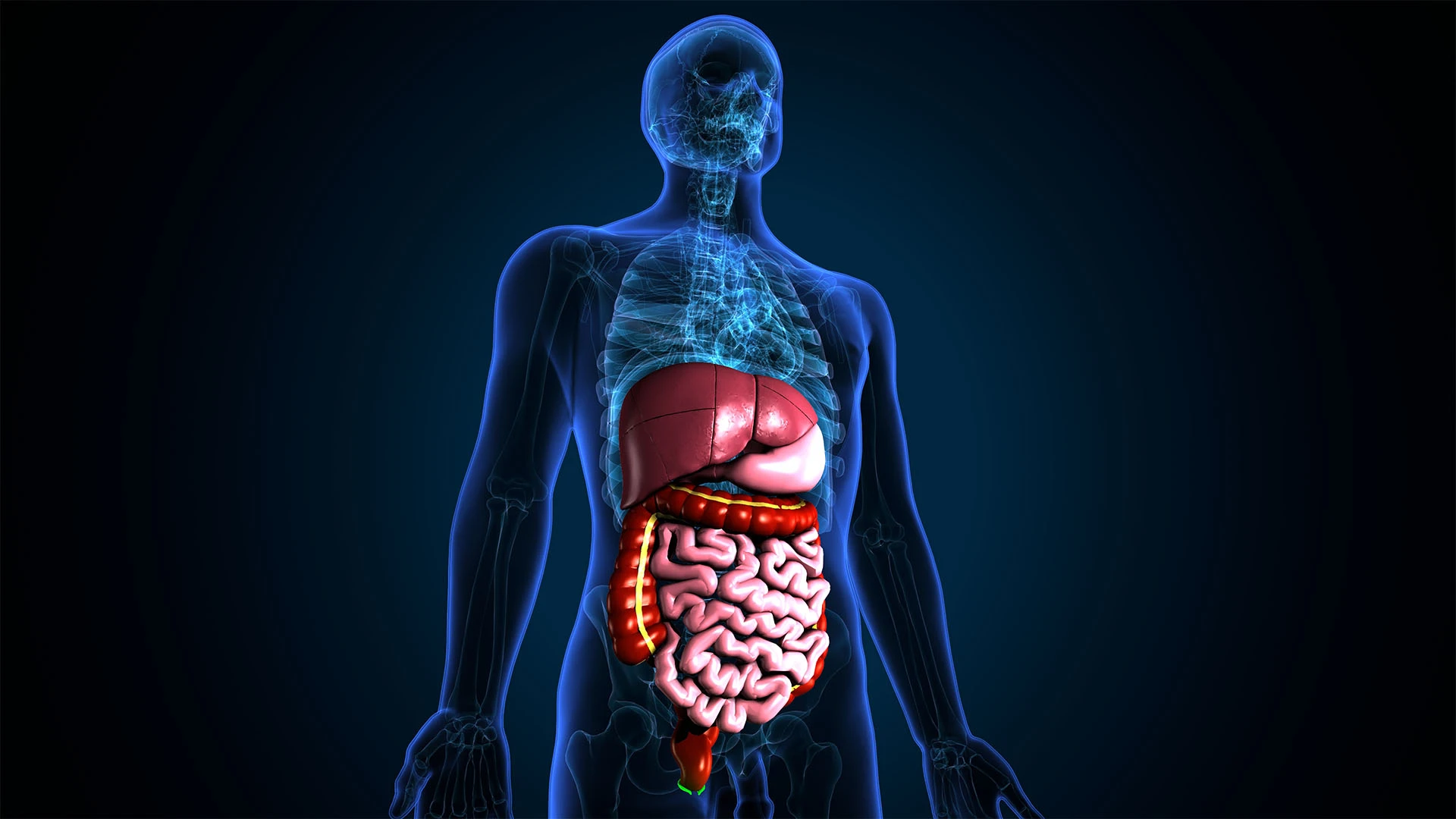
The transformation begins in your mouth with mechanical breakdown through chewing and chemical breakdown via salivary enzymes. Your stomach continues this process with powerful acid and pepsin, while your small intestine completes nutrient absorption through specialized cells. This entire journey typically takes 24-72 hours, with most nutrient absorption occurring within the first 6-8 hours after eating.
Your body's internal environment plays a crucial role in determining how effectively you process nutrients. These biological factors can make the difference between thriving and merely surviving on the same diet.
Digestive enzymes are the workhorses of nutrient breakdown. Enzyme activity determines how efficiently your body can break down proteins into amino acids, carbohydrates into simple sugars, and fats into fatty acids. Unfortunately, enzyme production naturally declines with age, starting as early as your late twenties. Genetic variations also influence enzyme production, explaining why some people struggle with lactose or gluten while others don't.
Stomach acid is essential for protein breakdown and mineral absorption. Hydrochloric acid creates the acidic environment needed for pepsin activation and helps release minerals like iron, calcium, and B12 from food. Factors such as stress, certain medications, and H. pylori infections can reduce stomach acid production, significantly impacting nutrient availability.
Your gut microbiome houses trillions of bacteria that actively participate in nutrient metabolism. Beneficial bacteria produce enzymes that break down complex carbohydrates, synthesize certain vitamins, and enhance mineral absorption. A diverse microbiome improves breakdown efficiency, while dysbiosis can lead to poor nutrient utilization and digestive discomfort.
Your personal characteristics and daily habits significantly influence how well your body processes nutrients. Understanding these factors helps explain why identical diets can produce vastly different results in different people.
Aging affects every aspect of the digestion process. Stomach acid production decreases, enzyme activity declines, and intestinal health deteriorates. Women typically have slower gastric emptying than men, affecting nutrient absorption timing. Genetic polymorphisms can impact how you process specific nutrients—for example, variations in the MTHFR gene affect folate metabolism.
Regular exercise enhances digestive efficiency by improving blood flow to digestive organs and promoting healthy gut motility. Your metabolic rate influences how quickly nutrients are processed and utilized. Higher muscle mass increases nutrient demands and utilization efficiency, while sedentary lifestyles can slow digestive processes.
Chronic stress elevates cortisol levels, which can suppress digestive function and reduce nutrient absorption. Poor sleep quality disrupts hormonal balance and can impair gut barrier function. Both factors significantly impact your body's ability to extract maximum nutrition from food.
The form and combination of foods you consume directly influence nutrient availability. Smart food choices and preparation methods can dramatically improve your nutritional outcomes.
Food processing can either enhance or diminish nutrient availability. Cooking breaks down cell walls, making some nutrients more accessible, while excessive processing can destroy heat-sensitive vitamins. Raw foods provide enzymes that aid digestion, but cooking improves the bioavailability of nutrients like lycopene in tomatoes and beta-carotene in carrots.
Dietary fibre plays a complex role in nutrient breakdown. Soluble fibre slows nutrient absorption, which can be beneficial for blood sugar control but may reduce overall absorption rates. Insoluble fibre promotes healthy gut motility and feeds beneficial bacteria. The key is finding the right balance—too much fibre can interfere with mineral absorption, while too little compromises gut health.
Certain nutrients work synergistically to enhance absorption, while others compete for the same transport mechanisms. Iron absorption improves when consumed with vitamin C but decreases with calcium. Fat-soluble vitamins require dietary fat for absorption. Understanding these interactions helps optimize meal composition for maximum nutrient utilization.
External factors beyond your control can significantly impact nutrient breakdown. Recognizing these influences helps you make informed decisions about your health and nutrition strategies.
Many common medications interfere with nutrient absorption. Proton pump inhibitors reduce stomach acid, affecting B12 and mineral absorption. Antibiotics disrupt gut bacteria balance, while certain cholesterol medications can deplete CoQ10 levels. Timing supplement intake appropriately can minimize these interactions.
Conditions affecting intestinal health can severely compromise nutrient breakdown. Inflammatory bowel diseases damage the intestinal lining, reducing absorption capacity. Food intolerances create chronic inflammation that impairs digestive function. Even mild digestive issues can significantly impact long-term nutritional status.
Food quality varies significantly based on soil health, storage conditions, and processing methods. Environmental toxins can disrupt digestive function and increase nutrient requirements. Access to diverse, nutrient-dense foods also plays a crucial role in overall nutritional status.
Understanding the science is only the first step. Implementing evidence-based strategies can dramatically improve your body's ability to extract and utilize nutrients from food.
Meal timing affects digestive efficiency—eating smaller, more frequent meals can improve nutrient absorption. Proper hydration supports enzyme function and nutrient transport. Mindful eating practices, including thorough chewing and eating without distractions, enhance the initial stages of digestion.
Incorporating fermented foods provides beneficial bacteria that support nutrient metabolism. Digestive enzyme supplements can help compensate for declining natural production. Stress management techniques and adequate sleep support optimal digestive function. Quality nutrition products like those from Ace Blend can help fill nutritional gaps while supporting overall digestive health.
Persistent digestive symptoms, unexplained fatigue, or nutrient deficiencies despite a healthy diet warrant professional evaluation. Healthcare providers can assess digestive function, identify underlying conditions, and recommend appropriate interventions. Nutritional testing can reveal specific absorption issues and guide targeted treatment strategies.
Answer: The primary factors include enzyme activity, stomach acid levels, gut microbiome health, age, stress levels, medications, food processing methods, and individual genetic variations. These factors work together to determine how efficiently your body breaks down and absorbs nutrients from food.
Answer: Age significantly impacts nutrient metabolism through decreased enzyme production, reduced stomach acid levels, slower gut motility, and changes in gut bacteria composition. These changes typically begin in the late twenties and accelerate after age fifty, making older adults more susceptible to nutrient deficiencies.
Answer: Yes, many medications can interfere with nutrient breakdown and absorption. Proton pump inhibitors reduce stomach acid needed for B12 and mineral absorption, antibiotics disrupt beneficial gut bacteria, and certain diabetes medications can deplete B12 levels. Always discuss potential nutrient interactions with your healthcare provider.
Answer: The gut microbiome actively participates in nutrient breakdown by producing enzymes that digest complex carbohydrates, synthesizing certain vitamins like K and some B vitamins, and enhancing mineral absorption. A healthy, diverse microbiome significantly improves overall nutrient utilization efficiency.
Answer: Food processing can both enhance and reduce nutrient availability. Minimal processing like cooking can break down cell walls and improve nutrient accessibility, while excessive processing often destroys heat-sensitive vitamins and beneficial compounds. The key is choosing appropriately processed foods that maximize nutrient retention.
Answer: Common signs include persistent fatigue, frequent infections, slow wound healing, brittle nails, hair loss, digestive issues, unexplained weight changes, and mood disturbances. Blood tests showing nutrient deficiencies despite adequate dietary intake also indicate absorption problems.
Answer: Focus on stress management, adequate sleep, regular exercise, proper hydration, mindful eating practices, and maintaining a healthy gut microbiome through fermented foods and prebiotics. Consider digestive enzyme supplements if needed, and address any underlying digestive disorders with professional help.
Answer: Yes, genetic variations can significantly affect how your body processes specific nutrients. For example, MTHFR gene variants impact folate metabolism, while lactase persistence genes determine lactose tolerance. Understanding your genetic profile can help personalize your nutrition strategy for optimal health outcomes.
Nutrient breakdown is a complex process influenced by numerous biological, lifestyle, and environmental factors. While some factors like age and genetics are beyond your control, many aspects of nutrient metabolism can be optimized through informed choices. Focus on supporting your digestive system through stress management, quality nutrition, and healthy lifestyle practices. Remember that individual variation is significant—what works for others may not work for you. Pay attention to your body's signals and work with healthcare professionals when needed to optimize your unique nutritional needs.


Someone sent you
Error
Powered by ReferRush