










Muscle Gain Diet: Your Complete Nutrition Guide


Get personalised recommendations with our assessment.
Personalised Health Diagnosis (PHD)
Building muscle isn't just about lifting heavy weights—it's about fueling your body with the right nutrients at the right times. Your diet plan for muscle gain forms the foundation of every rep, every set, and every gram of lean muscle you'll build. While the fitness industry loves to overcomplicate nutrition, the truth is refreshingly simple: give your muscles what they need, when they need it, and watch your body transform. Let's cut through the noise and dive into what actually works.
Muscle protein synthesis is your body's natural process of building new muscle tissue. Think of it as your internal construction crew working 24/7 to repair and strengthen muscle fibres damaged during training. This process requires specific building blocks—primarily amino acids from protein—and enough energy to fuel the construction.
A calorie surplus diet provides the energy foundation for muscle growth. You need approximately 300-500 calories above your maintenance level to support optimal muscle building. Going too low leaves your body without enough fuel for growth. Going too high leads to unnecessary fat gain that masks your hard-earned muscle. Timing matters more than most people realize. Your muscles remain in a heightened state of protein synthesis for up to 48 hours after resistance training. This window represents prime real estate for muscle building, but only if you're consistently feeding your body the right nutrients.
Your weight training nutrition strategy must align with your workout schedule. Without progressive overload in the gym, even the perfect diet won't build significant muscle. The combination creates a synergistic effect where proper nutrition amplifies training results.
Your metabolic rate increases during muscle building phases. More muscle tissue requires more energy to maintain, creating a positive feedback loop. This is why lean muscle development supports long-term metabolic health.
Macronutrients are your muscle-building trinity: protein, carbohydrates, and fats. Each plays a distinct role in supporting muscle growth, and skimping on any one of them will limit your results. The key lies in understanding not just how much of each to consume, but when and why. Protein gets most of the attention, and rightfully so. But carbohydrates fuel your workouts and support recovery, while healthy fats regulate hormones essential for muscle growth. Think of them as a three-legged stool—remove one leg, and the whole structure collapses.
Protein intake should range between 1.6-2.2 grams per kilogram of body weight for optimal muscle protein synthesis. A 70kg individual needs roughly 112-154 grams daily. This isn't just about hitting a number—it's about providing your muscles with a steady stream of amino acids throughout the day. Complete proteins contain all nine essential amino acids your body can't produce on its own. Animal sources like chicken, fish, and eggs naturally provide complete amino acid profiles. Plant-based proteins often require strategic combining to achieve completeness.
Carbohydrates should comprise 55-60% of your total calories during muscle building phases. They fuel intense training sessions and replenish muscle glycogen stores depleted during workouts. Without adequate carbs, your body may break down muscle tissue for energy—the opposite of what you want. Complex carbohydrates provide sustained energy release, preventing the energy crashes that derail training intensity. Simple carbs have their place too, particularly in the post-workout window when rapid glycogen replenishment is priority.
Fats should account for 15-20% of your total calories. They're crucial for testosterone and growth hormone production—two key players in muscle development. Essential fatty acids also support anti-inflammatory processes, helping you recover faster between sessions. Omega-3 fatty acids deserve special attention for their role in reducing exercise-induced inflammation and supporting muscle protein synthesis.
The right foods for muscle growth combine high-quality nutrients with practical convenience. You don't need exotic superfoods or expensive specialty items. The most effective muscle-building foods are often the simplest ones you can find in any grocery store. Focus on nutrient density over calorie density. A chicken breast provides more muscle-building value per calorie than a protein bar loaded with fillers and artificial ingredients. Real food should form the foundation of your muscle gain meal plan.
Chicken breast delivers 25 grams of complete protein per 100 grams with minimal fat. Lean beef provides protein plus creatine, iron, and B-vitamins essential for energy metabolism. Fish like salmon adds omega-3 fatty acids to support recovery and reduce inflammation. Eggs remain one of nature's most bioavailable protein sources. Greek yogurt combines protein with probiotics for gut health. For plant-based options, lentils, quinoa, and hemp seeds provide complete amino acid profiles.
Brown rice, sweet potatoes, and oats provide sustained energy without blood sugar spikes. These complex carbs fuel intense training sessions and support glycogen replenishment. Fruits like bananas offer quick energy plus potassium for muscle function. Timing these carbs around your workouts maximizes their muscle-building potential. Pre-workout carbs fuel performance, while post-workout carbs accelerate recovery.
Nuts and seeds provide healthy fats plus additional protein and fibre. Avocados offer monounsaturated fats that support hormone production. Olive oil adds flavor while delivering essential fatty acids. Fatty fish like mackerel and sardines combine protein with omega-3s in one convenient package.
A structured muscle gain meal plan removes guesswork from your nutrition strategy. Planning ahead ensures you're consistently hitting your macronutrient targets without scrambling for last-minute food choices that derail your progress. Consistency trumps perfection every time. A good plan followed 80% of the time beats a perfect plan followed 50% of the time. Focus on sustainable habits rather than unsustainable extremes.
Six smaller meals throughout the day maintain steady amino acid levels and prevent overwhelming your digestive system. This approach supports consistent energy levels and optimizes nutrient absorption. Breakfast might include oats with berries and protein powder. Mid-morning could feature Greek yogurt with nuts. Lunch centers around lean protein with complex carbs and vegetables. Pre-workout nutrition focuses on easily digestible carbs. Post-workout emphasizes protein and simple carbs. Dinner combines protein with vegetables and healthy fats.
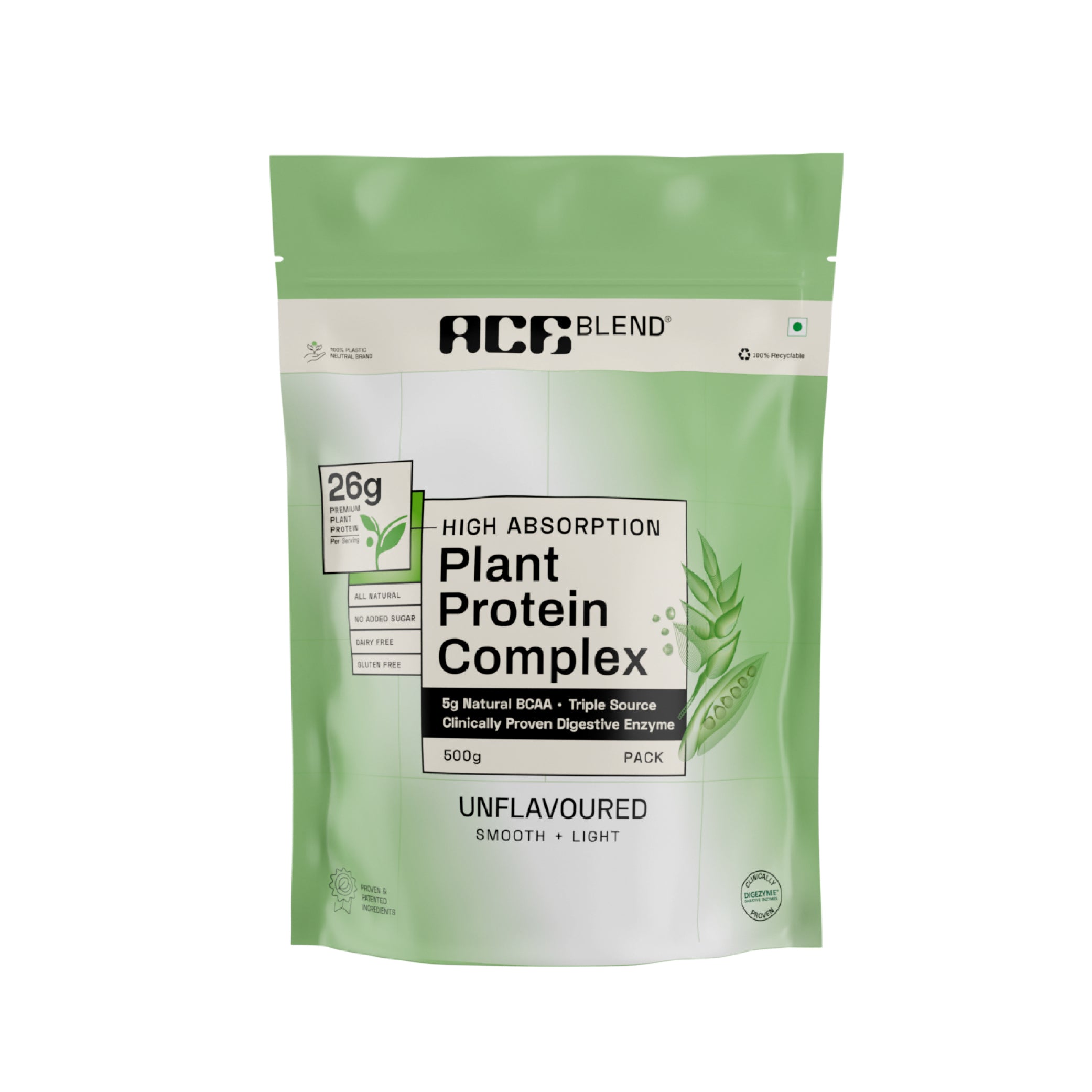
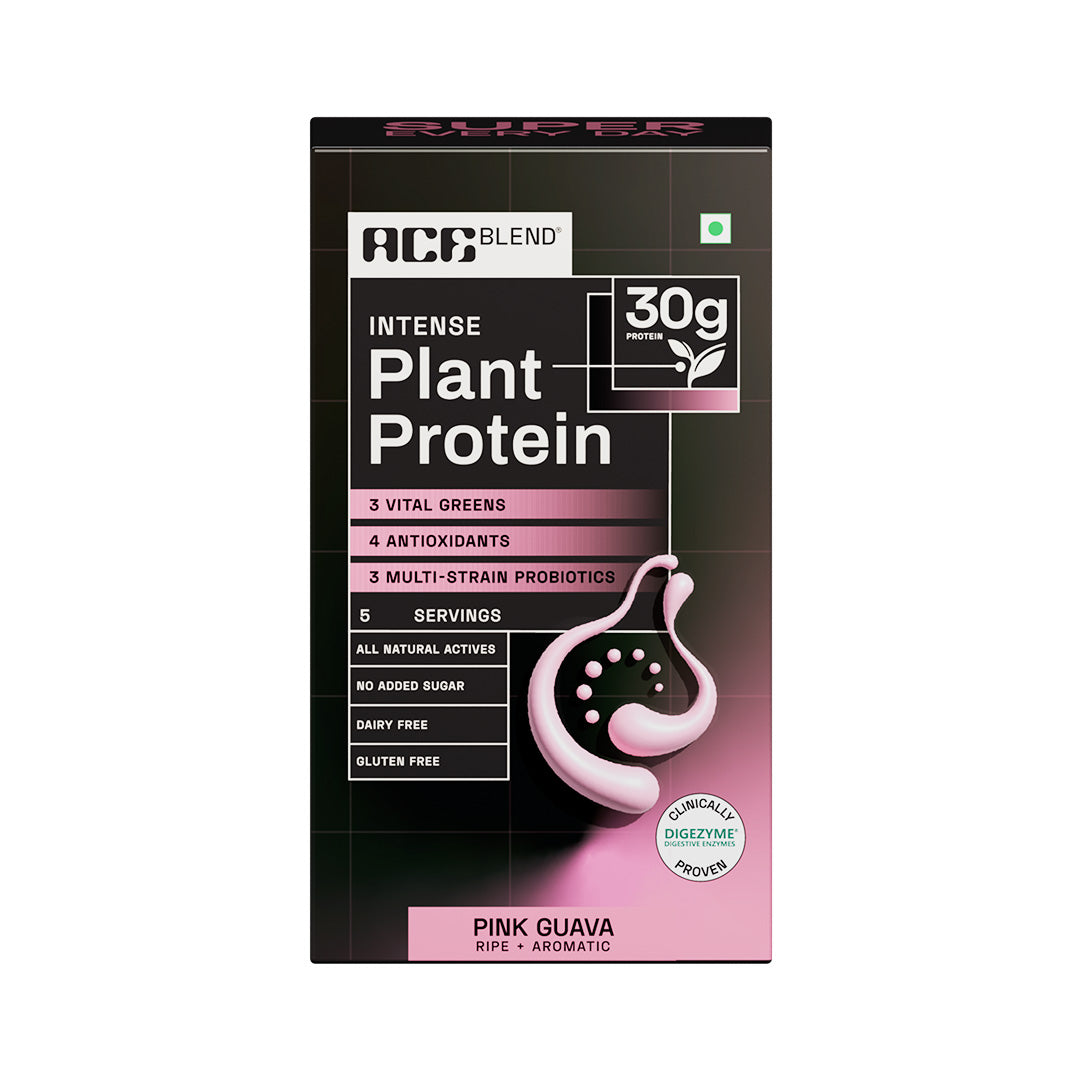
Plant-based muscle building requires strategic protein combining to ensure complete amino acid profiles. Combining rice and beans, or quinoa with nuts, creates complete proteins rivaling animal sources. Our plant-powered protein options make vegetarian muscle building more convenient. The DAILY Protein provides 20g of complete amino acids, while INTENSE Protein delivers 30g for serious athletes. The Unflavoured option can be seamlessly added to traditional Indian dishes like dal and gravies.
Eggs, chicken thighs, and dried legumes provide excellent protein value per dollar. Buying in bulk and meal prepping reduces costs while ensuring consistency. Frozen vegetables retain nutritional value while offering convenience and affordability.
Your strength training diet strategy extends beyond what you eat to when you eat it. Nutrient timing can enhance performance, accelerate recovery, and optimize muscle protein synthesis. While it's not magic, proper timing provides a meaningful edge. The goal isn't obsessive precision but strategic awareness. Understanding when your body most needs specific nutrients helps you make smarter food choices throughout the day.
Consume easily digestible carbohydrates 1-2 hours before training to fuel performance without causing digestive distress. A banana with a small amount of protein works well for most people. Avoid high-fat or high-fibre foods that slow digestion. Hydration starts hours before your workout, not minutes. Aim for clear or light yellow urine as a hydration indicator.
The 30-60 minute post-workout window represents peak muscle protein synthesis opportunity. Combine fast-digesting protein with simple carbohydrates to maximize recovery and growth. A 3:1 or 4:1 carb-to-protein ratio optimizes glycogen replenishment. Our INTENSE Protein provides 30g of rapidly absorbed plant protein perfect for post-workout recovery. Its complete amino acid profile supports muscle protein synthesis without digestive heaviness.
Creatine monohydrate stands as the most researched and effective muscle-building supplement. It enhances power output and supports muscle growth when combined with resistance training. Protein powder offers convenience but shouldn't replace whole food sources entirely. Our Outshine Omega 3 provides 4x strength fish oil to support recovery and reduce exercise-induced inflammation. Max Magnesium aids muscle function and recovery through its liposomal delivery system.
The holy grail of body composition—building muscle while losing fat—requires a nuanced approach that most people get wrong. It's possible, but it demands precision, patience, and realistic expectations about the timeline. Lean bulking represents a middle ground between aggressive muscle building and fat loss. This approach minimizes fat gain while maximizing muscle development, though it requires more patience than traditional bulking methods.
Calorie cycling alternates between slight surplus days (training days) and maintenance or slight deficit days (rest days). This approach provides muscle-building fuel when needed while preventing excessive fat accumulation. Progress tracking becomes crucial during recomposition phases. The scale may not move dramatically, but body measurements, progress photos, and strength gains tell the real story.
Excessive calorie surplus leads to unnecessary fat gain that requires months of cutting to remove. A moderate 300-500 calorie surplus provides adequate muscle-building fuel without overwhelming fat storage. Dirty bulking—eating anything to hit calorie targets—may support muscle growth but creates metabolic dysfunction and excessive fat gain. Clean bulking emphasizes nutrient-dense foods that support both muscle growth and overall health.
The most effective muscle building diet emphasizes whole foods with 25% protein, 55-60% carbohydrates, and 15-20% healthy fats. Focus on lean meats, complex carbs, and nutrient-dense options rather than processed foods. Consistency matters more than perfection.
Research supports 1.6-2.2 grams of protein per kilogram of body weight for optimal muscle protein synthesis. A 70kg individual needs 112-154 grams daily. Distribute this across 4-6 meals for best results.
Absolutely. Combine complementary plant proteins like rice and beans to create complete amino acid profiles. Focus on quinoa, lentils, hemp seeds, and high-quality plant protein supplements to meet your needs.
Bulking involves eating in a calorie surplus to support muscle growth, typically 300-500 calories above maintenance. Cutting creates a calorie deficit to reduce body fat while preserving muscle mass through adequate protein and resistance training.
Noticeable strength gains appear within 2-4 weeks. Visible muscle growth typically becomes apparent after 6-8 weeks of consistent training and proper nutrition. Significant physique changes require 3-6 months of dedicated effort.
Yes, post-workout carbs support recovery regardless of timing. Your muscles need glycogen replenishment after training. The fear of evening carbs causing fat gain is largely unfounded when you're in an appropriate calorie range.
Supplements aren't mandatory but can provide convenience and fill nutritional gaps. Creatine monohydrate offers proven benefits. High-quality protein powder helps meet daily protein targets. Focus on whole foods first, supplements second.
Building muscle through nutrition isn't about following the latest fad diet or obsessing over minor details. It's about consistently providing your body with adequate protein, energy, and nutrients to support growth and recovery. The fundamentals work—stick to them. Your diet plan for muscle gain should emphasize whole foods, appropriate calorie surplus, and strategic nutrient timing. Whether you choose plant-based or animal proteins, the principles remain the same: consistency, adequacy, and patience. Remember that muscle building is a marathon, not a sprint. Small, consistent actions compound over time to create dramatic results. Focus on sustainable habits rather than unsustainable extremes, and trust the process.


Someone sent you
Error
Powered by ReferRush