











Digestive Enzymes: Your Guide to Better Gut Health

Get personalised recommendations with our assessment.
Personalised Health Diagnosis (PHD)
Your gut is working overtime every single day, breaking down everything from your morning coffee to that late-night snack. But here's what most people don't realize: this complex process relies entirely on tiny biological workers called digestive enzymes. These microscopic catalysts are the unsung heroes of your digestive system, transforming the food you eat into the nutrients your body actually needs. Without them, even the healthiest meal would pass through you unchanged. Understanding how enzymes aid digestion isn't just science class trivia—it's the key to unlocking better gut health, improved energy, and freedom from digestive discomfort.
Digestive enzymes are specialized proteins that act as biological catalysts in your digestive system. Think of them as molecular scissors, cutting large food molecules into smaller pieces your body can actually use. The process they facilitate is called hydrolysis—essentially using water to break chemical bonds in your food. These enzymes don't just speed up digestion; they make it possible. Without them, the proteins in your chicken dinner would remain intact proteins, the carbohydrates in your rice would stay as complex starches, and the fats in your avocado would never transform into usable fatty acids. Your body produces these enzymes naturally in various organs, but their efficiency can be influenced by age, stress, diet, and overall health. The speed factor is crucial here. While your stomach acid can eventually break down some food components, enzymes accelerate these reactions by millions of times. What might take hours or days without enzymes happens in minutes with them. This efficiency is what allows your digestive system to extract maximum nutrition from every meal while preventing food from sitting too long and causing digestive distress.
Your digestive system employs three primary categories of enzymes, each with a specific target. Understanding these enzyme families helps explain why different foods might affect you differently and why some people struggle with particular macronutrients.
Amylase is your body's carbohydrate processing expert. This enzyme begins its work the moment food hits your mouth, breaking down starches and complex sugars into simpler molecules like glucose. Your salivary glands produce the first wave of amylase, which is why nutritionists emphasize proper chewing—you're literally beginning digestion before you swallow.
Lipase handles all the fats in your diet, from the olive oil in your salad to the omega-3s in fish. This enzyme breaks down triglycerides into fatty acids and glycerol, making them small enough for absorption. Lipase also plays a crucial role in absorbing fat-soluble vitamins like A, D, E, and K.
Proteases are actually a family of enzymes that work together to break down proteins into individual amino acids. Pepsin starts the process in your stomach's acidic environment, while trypsin and other proteases finish the job in your small intestine. For anyone focused on muscle building or recovery, efficient protease function is essential for accessing the amino acids needed for protein synthesis.
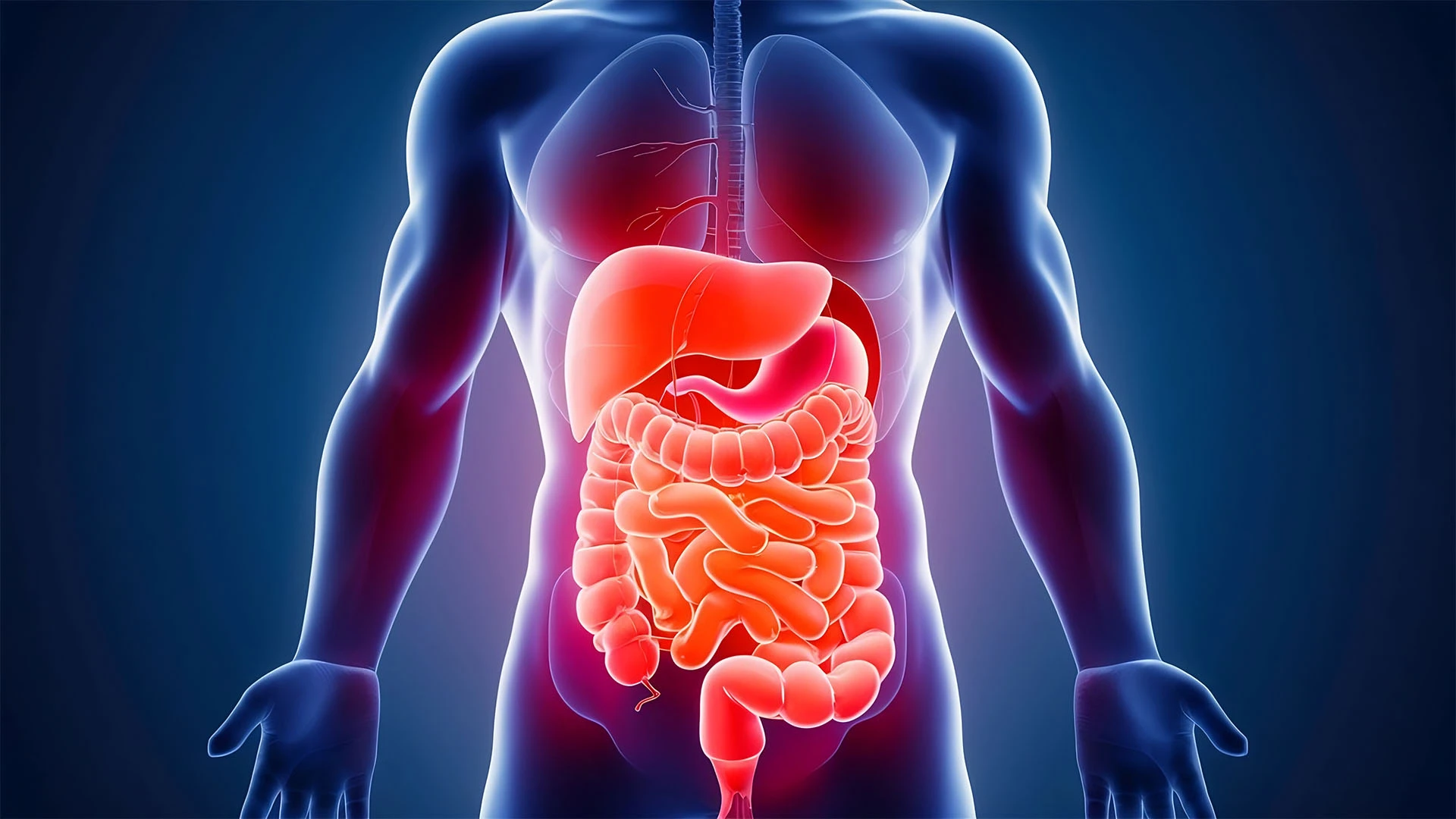
Digestion isn't a single event—it's a carefully orchestrated process that begins before you even take your first bite. Understanding this journey reveals why enzyme timing and production matter so much for optimal digestive health. Your mouth serves as the opening act, where salivary amylase begins breaking down starches while you chew. This is why eating too quickly can lead to digestive issues—you're skipping this crucial first step. Your stomach then takes over with pepsin, which thrives in the highly acidic environment and begins protein breakdown. The real action happens in your small intestine, where your pancreas releases a concentrated burst of all three enzyme types. This is your digestive system's main event, where most nutrient absorption occurs. The pancreas produces more enzymes than any other organ, making it absolutely critical for digestive health. Your small intestine also produces brush border enzymes that handle the final breakdown of nutrients. These enzymes are literally attached to the intestinal wall, ensuring maximum efficiency in the final stages of digestion before nutrients enter your bloodstream.
Your body usually gives clear signals when enzyme production isn't keeping up with demand. Recognizing these signs early can help you address digestive issues before they become chronic problems.
Bloating after meals is one of the most common indicators of insufficient enzyme activity. When food isn't properly broken down, it can ferment in your gut, producing gas and causing that uncomfortable stretched feeling. You might notice this particularly after meals high in specific macronutrients—struggling with fatty foods suggests lipase insufficiency, while protein-heavy meals causing issues points to protease problems.
Age naturally reduces enzyme production, which is why many people develop food sensitivities they never had before. Stress also significantly impacts enzyme production, as your body prioritizes immediate survival over digestion when under pressure.
Certain medical conditions, medications, and even excessive alcohol consumption can interfere with your body's ability to produce adequate enzymes. Undigested food particles in stool, persistent gas, and feeling overly full hours after eating are all red flags that your digestive system needs support. Some people also experience nutrient deficiencies despite eating well, which can indicate poor breakdown and absorption due to enzyme insufficiency.
Before reaching for supplements, consider how lifestyle and dietary changes can naturally boost your enzyme production and improve overall digestive health. Your body has remarkable capacity for optimization when given the right support.
Certain foods naturally contain enzymes that can supplement your body's production. Pineapple contains bromelain, a powerful protease that aids protein digestion. Papaya provides papain, another protein-digesting enzyme that's particularly effective. Raw foods generally contain more enzymes than cooked foods, since heat destroys these delicate proteins. Fermented foods like kefir, sauerkraut, and kimchi don't just provide probiotics—they also contain enzymes produced during the fermentation process. These foods can help improve overall gut health while supporting digestion.
Proper chewing is perhaps the most underrated digestive aid. Aim for 20-30 chews per bite to maximize salivary enzyme exposure and mechanical breakdown. Eating in a relaxed state also optimizes enzyme production—your parasympathetic nervous system controls digestion, so stress literally shuts down enzyme production. Regular exercise improves circulation to digestive organs and can enhance enzyme production. Even a short walk after meals can significantly improve digestion by stimulating enzyme release and promoting gut motility.
When natural approaches aren't sufficient, enzyme supplements can provide targeted support. These supplements typically contain concentrated forms of the three main enzyme types, often derived from plant or microbial sources for better stability. Timing matters with enzyme supplements. Taking them 15-30 minutes before meals allows them to be present when food arrives, while taking them after eating may be less effective. Some people benefit from taking enzymes with their first bite of food. Quality varies significantly among enzyme supplements. Look for products that specify enzyme activity levels rather than just weight, and consider comprehensive blends that address all macronutrients rather than single-enzyme formulas.
Answer: Digestive enzymes can initially change bowel movement frequency as your body adjusts to improved food breakdown. Better digestion often leads to more regular elimination, but this typically normalizes within a few weeks of consistent use.
Answer: Taking enzymes after eating reduces their effectiveness since they work best when present as food enters your system. For optimal results, take enzymes 15-30 minutes before meals or with your first bite of food.
Answer: Most people tolerate digestive enzymes well, but some may experience mild nausea, stomach upset, or changes in bowel movements initially. Starting with smaller doses and gradually increasing can minimize these effects.
Answer: Many people notice improvements in bloating and digestive comfort within a few days to a week. More significant changes in nutrient absorption and overall digestive health typically become apparent after 2-4 weeks of consistent use.
Answer: Your body doesn't become dependent on enzyme supplements in the traditional sense. However, if underlying issues aren't addressed, you may continue to need support. Working on gut health, stress management, and diet can often reduce long-term supplement needs.
Answer: Comprehensive enzyme blends containing amylase, lipase, and proteases typically provide the best bloating relief since they address all food types. Some people also benefit from additional enzymes like lactase for dairy or alpha-galactosidase for beans and vegetables.
Understanding how enzymes aid digestion empowers you to take control of your gut health through informed choices. These biological catalysts are essential for breaking down food into usable nutrients, and their efficiency directly impacts your energy levels, nutrient absorption, and overall digestive comfort. Whether you choose to support your enzymes through dietary changes, lifestyle modifications, or targeted supplementation, the key is consistency and patience. Your digestive system is remarkably adaptable, but lasting improvements take time to establish. Focus on creating sustainable habits that support your body's natural enzyme production while addressing any specific deficiencies through targeted approaches.

