










Best Protein for Weight Gain: Complete Guide


Get personalised recommendations with our assessment.
Personalised Health Diagnosis (PHD)
Gaining weight isn't just about eating more—it's about eating smarter. While most fitness conversations revolve around losing weight, millions struggle with the opposite challenge: building healthy mass. The key lies in understanding which protein is best for weight gain and how to use it strategically. Whether you're naturally lean, recovering from illness, or looking to build serious muscle mass, the right protein strategy can transform your results. Let's cut through the noise and explore what actually works for sustainable, healthy weight gain.
Protein isn't just another macronutrient—it's the building block of lean muscle mass. When you're trying to gain weight, your goal should be adding quality mass, not just accumulating fat. This is where protein for weight gain becomes crucial. Your body constantly breaks down and rebuilds muscle tissue through a process called protein synthesis.
To gain weight effectively, you need to tip this balance in favor of building more than you break down. Research shows that consuming adequate protein—especially muscle building protein—can increase muscle protein synthesis by up to 50% when combined with resistance training. The timing of protein intake matters significantly.
Your muscles remain in an elevated state of protein synthesis for up to 48 hours after resistance training. This window represents your prime opportunity for growth, making strategic protein consumption essential for anyone serious about gaining weight. Amino acids, particularly leucine, act as molecular switches that trigger muscle growth. Foods and supplements rich in leucine can kickstart the muscle-building process more effectively than those without.
This is why understanding protein quality becomes just as important as quantity when your goal is healthy weight gain.
Not all proteins are created equal when it comes to weight gain. Different protein sources offer unique advantages depending on your goals, lifestyle, and digestive tolerance. Understanding these differences helps you make informed choices about the best protein for muscle gain. The protein landscape includes everything from fast-absorbing whey to slow-release casein, plant-based options, and whole food sources. Each type serves specific purposes in your weight gain journey, and many successful individuals combine multiple sources for optimal results.
Whey protein stands out as the gold standard for post-workout nutrition. Its rapid absorption rate means amino acids reach your muscles within 30-60 minutes of consumption. Whey protein for weight gain works exceptionally well because it contains all essential amino acids in optimal ratios. Whey concentrate typically contains 70-80% protein with some carbohydrates and fats, making it ideal for weight gain. The additional calories from carbs and fats support your overall caloric surplus while the protein drives muscle growth.
Casein protein digests slowly, releasing amino acids into your bloodstream for up to 7 hours. This makes it perfect for preventing muscle breakdown during sleep or long periods without food. Many weight gain enthusiasts use casein as their final meal of the day. The sustained amino acid release from casein supports continuous muscle protein synthesis, particularly important when you're in a caloric surplus and trying to maximize muscle growth rather than fat storage.
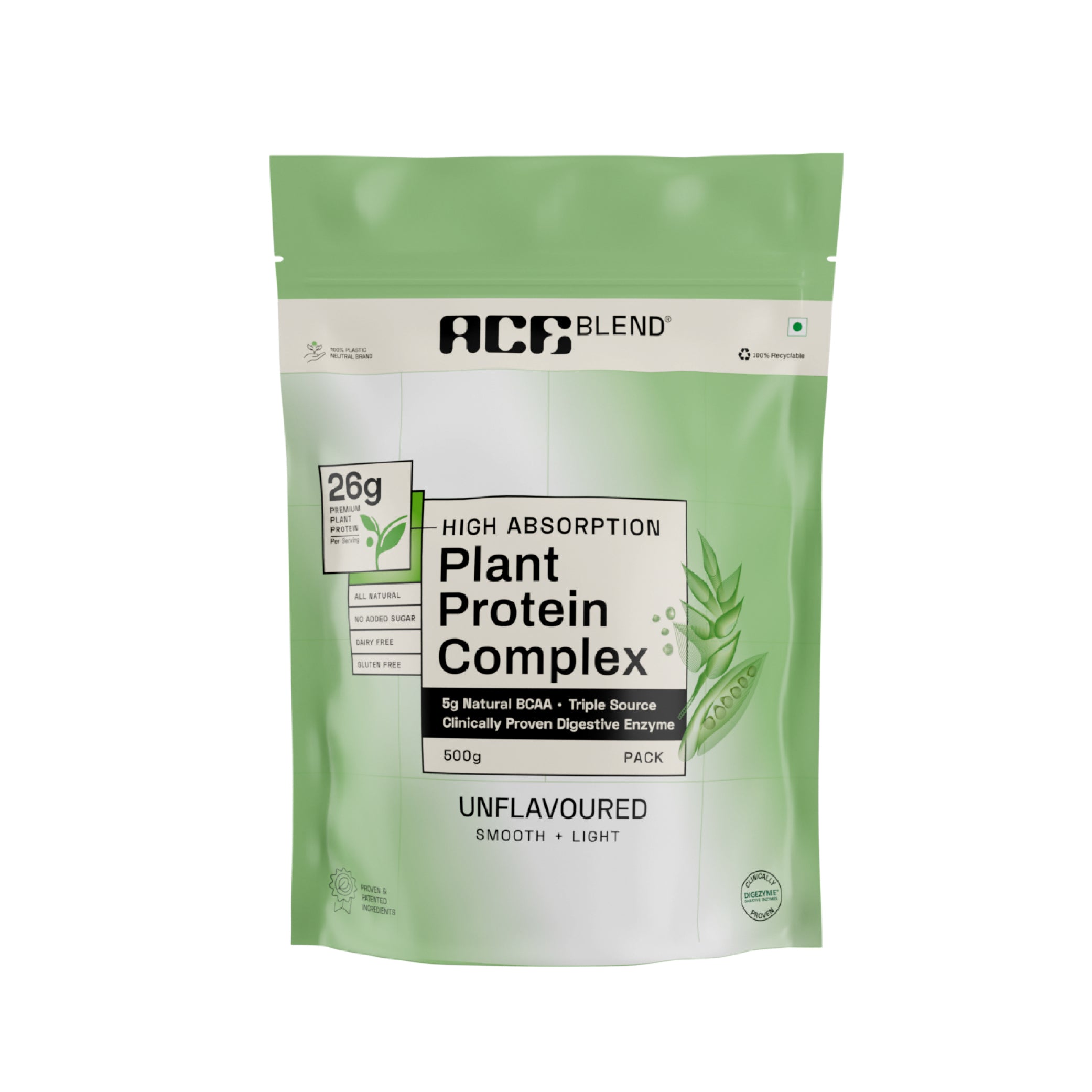
Plant proteins have evolved significantly in recent years. Pea protein offers excellent leucine content, while hemp protein provides healthy fats alongside protein. Rice protein, when combined with pea protein, creates a complete amino acid profile rivaling animal proteins. These protein sources for weight gain work particularly well for individuals with dairy sensitivities or those following plant-based diets. The key is combining different plant proteins to ensure complete amino acid coverage.
Whole foods remain unbeatable for overall nutrition density. Eggs provide the highest biological value protein, meaning your body can use nearly 100% of the amino acids consumed. Greek yogurt combines protein with probiotics and calcium, supporting both muscle growth and digestive health. Fish, chicken, and lean meats offer complete proteins alongside other nutrients like B-vitamins, iron, and zinc—all crucial for optimal muscle function and growth.
The choice between mass gainers and regular protein powder depends entirely on your current caloric intake and weight gain goals. Protein supplements for weight gain come in various forms, each designed for specific situations and body types. Mass gainers typically contain 3:1 or 4:1 carbohydrate-to-protein ratios, providing 600-1200 calories per serving. These high calorie protein supplements work best for individuals who struggle to consume enough calories through whole foods alone.
However, the quality of ingredients varies dramatically between products. Regular protein powders offer more flexibility and control over your macronutrient intake. You can add your own carbohydrates and fats, customizing the caloric content based on your daily needs. This approach often results in better ingredient quality and lower cost per serving.
The key consideration is your current eating habits. If you already consume adequate calories but lack sufficient protein, regular protein powder makes sense. If you struggle to eat enough food overall, a quality mass gainer might accelerate your progress. When evaluating protein powder for bulking, look for products with minimal artificial ingredients, adequate protein content (at least 20-30g per serving), and third-party testing for purity. Avoid products loaded with sugar or low-quality fillers that provide empty calories without nutritional value.
Timing and dosing strategy can make or break your weight gain efforts. Simply consuming more protein without a plan often leads to expensive urine rather than muscle growth. Understanding how to optimize protein utilization ensures every gram contributes to your goals. Your body can only process a limited amount of protein at once for muscle building purposes. Research suggests 20-40g per meal maximizes muscle protein synthesis, with higher amounts needed for larger individuals or those with higher activity levels.
Post-workout represents your most critical protein timing window. Consuming 25-40g of fast-absorbing protein within 2 hours of training maximizes muscle protein synthesis. However, pre-workout protein can be equally important, providing amino acids during training when muscle breakdown typically occurs. Distributing protein evenly throughout the day maintains elevated muscle protein synthesis. Aim for protein every 3-4 hours, including a slow-digesting source before bed. This approach keeps your muscles in an anabolic state throughout the day and night.
Weight gain protein shakes become powerful tools when constructed properly. Start with 25-30g of quality protein, then add calorie-dense ingredients like nut butters, oats, bananas, or healthy oils. A well-designed shake can provide 500-800 calories while tasting great. Blending protein with whole food ingredients improves satiety and provides micronutrients often missing from processed supplements. Greek yogurt, berries, spinach, and ground flaxseed transform basic protein shakes into nutritional powerhouses. Consider these shakes as meal additions rather than meal replacements. Your goal is increasing total daily calories and protein, not substituting whole foods with supplements.
Even with the best protein to gain weight, many people struggle to see results. Understanding common pitfalls helps you avoid wasted time and money while accelerating your progress toward your weight gain goals. The most frequent mistake is focusing solely on protein while ignoring total caloric intake. Protein supports muscle growth, but you need a caloric surplus to gain weight. Without adequate overall calories, even perfect protein timing won't produce significant weight gain.
Insufficient calories remain the primary reason protein supplementation fails to produce weight gain. You need approximately 300-500 calories above your maintenance level to gain 0.5-1 pound per week. Track your intake for several days to ensure you're truly in a surplus. Poor timing and inconsistent dosing also limit results. Sporadic protein consumption fails to maintain elevated muscle protein synthesis. Consistency matters more than perfection—aim for adequate protein every day rather than perfect intake occasionally. Strength training provides the stimulus that tells your body to use extra protein for muscle building rather than energy. Without resistance exercise, excess protein often gets converted to glucose or stored as fat.
Digestive issues frequently occur when people dramatically increase protein intake too quickly. Start with smaller amounts and gradually increase over 1-2 weeks. This allows your digestive system to adapt and produce adequate enzymes for protein breakdown. Choose protein sources that agree with your digestive system. Lactose-intolerant individuals should opt for lactose-free whey isolate or plant-based options. Those with sensitive stomachs might benefit from smaller, more frequent protein doses rather than large single servings.
Answer: The best protein for weight gain depends on your individual needs and preferences. Whey protein offers fast absorption and complete amino acids, making it excellent post-workout. Casein provides sustained amino acid release, perfect for overnight recovery. Mass gainers work well for those struggling to consume enough calories, while whole food proteins like eggs, Greek yogurt, and lean meats provide additional nutrients alongside high-quality protein.
Answer: Greek yogurt stands out as one of the best whole food protein sources for weight gain. It provides 15-20g of protein per serving, along with probiotics for digestive health and calcium for bone strength. Eggs offer the highest biological value protein, meaning your body can utilize nearly all amino acids consumed. Milk combines protein with carbohydrates and healthy fats, making it an excellent base for weight gain shakes.
Answer: Mass gainers with optimal carbohydrate-to-protein ratios (typically 3:1 or 4:1) are most effective for rapid weight gain. These products provide both muscle-building protein and energy-dense carbohydrates in a single serving. However, quality varies significantly between brands. Look for mass gainers with minimal artificial ingredients, adequate protein content (20-30g per serving), and complex carbohydrates rather than simple sugars.
Answer: For weight gain, aim for 1.6-2.2 grams of protein per kilogram of body weight daily. This translates to roughly 0.7-1.0 grams per pound of body weight. A 150-pound individual would need approximately 105-150g of protein daily. Distribute this intake across 4-6 meals to maximize muscle protein synthesis throughout the day.
Answer: While protein powder helps increase daily protein intake, successful weight gain requires a comprehensive approach. You need adequate total calories, not just protein. Combine protein supplementation with whole foods, maintain a caloric surplus of 300-500 calories daily, and include resistance training to ensure weight gain comes from muscle rather than fat.
Answer: The most effective times for protein shakes include post-workout (within 2 hours of training), between meals to increase daily calories, and before bed using slow-digesting proteins like casein. Avoid replacing whole food meals entirely—use shakes to supplement your regular diet and increase total daily protein and calorie intake.
Successful weight gain through protein requires more than just choosing the right supplement—it demands a strategic approach combining quality protein sources, adequate calories, and consistent resistance training. Whether you choose whey protein for its fast absorption, casein for sustained release, or whole food sources for complete nutrition, the key lies in consistency and proper implementation. Remember that protein for mass gain works best as part of a comprehensive plan. Focus on creating a moderate caloric surplus, distribute protein intake throughout the day, and combine supplementation with strength training for optimal results. The best protein for weight gain is ultimately the one you'll use consistently while maintaining a balanced, nutrient-dense diet that supports your long-term health goals.

