








Paneer Protein: Your Complete Nutrition Guide
-1b8bf61d-e355-4331-b551-ff25434e5549.webp)

Get personalised recommendations with our assessment.
Personalised Health Diagnosis (PHD)
Paneer stands as one of India's most beloved protein sources, but how much protein does 150 gm actually deliver? This question matters more than you think, especially if you're serious about hitting your daily protein targets. Whether you're building muscle, managing weight, or simply trying to optimize your nutrition, understanding the exact protein content in 150 gm paneer can transform how you approach your meals. Let's break down everything you need to know about this protein powerhouse and how it fits into your active lifestyle.
Here's the straight answer: 150 gm paneer contains approximately 27-31.5 grams of protein, depending on the variety and preparation method. This range exists because different types of paneer have varying protein concentrations. Full-fat paneer typically contains about 18-19 grams of protein per 100 grams, while low-fat varieties can pack up to 21 grams per 100 grams. When you scale this up to 150 grams, you're looking at a substantial protein hit that rivals many animal-based sources.
Full-fat paneer (150g): 27-28.5 grams protein
Low-fat paneer (150g): 30-31.5 grams protein
Homemade paneer (150g): 28-30 grams protein
Commercial paneer (150g): 26-29 grams protein
The protein quality in paneer is exceptional because it contains all nine essential amino acids your body can't produce on its own. This makes it a complete protein source, putting it in the same league as eggs and meat.
Beyond protein, 150 grams paneer delivers a comprehensive nutritional package that supports overall health and performance. Understanding this complete profile helps you make informed decisions about incorporating it into your diet. The calorie content ranges from 390-480 calories for 150 grams, depending on the fat content. This might seem high, but consider the nutritional density you're getting in return.
Protein: 27-31.5 grams
Carbohydrates: 4-6 grams
Fat: 30-38 grams (varies by type)
Fibre: 0 grams
Calcium: 480-600mg (40-50% daily value)
Phosphorus: 400-500mg
Vitamin B12: 1.2-1.5mcg
Riboflavin: 0.4-0.6mg
Selenium: 15-20mcg
This nutritional profile makes paneer particularly valuable for bone health, energy metabolism, and muscle function. The high calcium content supports bone density, while B12 aids in nerve function and red blood cell formation.
The protein in 150 grams paneer offers unique advantages for both muscle building and weight management goals. Its slow-digesting casein protein provides sustained amino acid release, making it ideal for muscle recovery and growth. For muscle gain, the complete amino acid profile in paneer supports muscle protein synthesis effectively. The leucine content, in particular, triggers the muscle-building process, while the sustained release helps maintain positive nitrogen balance for hours.
Complete amino acid profile supports optimal muscle protein synthesis
Slow-digesting casein provides sustained amino acid release
High leucine content triggers muscle-building pathways
Calcium supports muscle contraction and recovery
High protein content increases satiety and reduces hunger
Thermic effect of protein boosts metabolism
Helps preserve lean muscle during weight loss
Stable blood sugar response prevents energy crashes
The satiety factor cannot be overstated. Consuming 150 gm paneer can keep you full for 4-6 hours, naturally reducing overall calorie intake throughout the day.
This is where things get interesting. While 150 gm paneer provides excellent nutrition, daily consumption requires careful consideration of your overall dietary pattern and individual health status. For most healthy adults, consuming 150 gm paneer daily is generally safe and can be beneficial. However, this amount should be part of a balanced diet that includes other protein sources, vegetables, and whole grains.
Active individuals with higher protein requirements
Athletes and fitness enthusiasts
People following vegetarian or plant-based diets
Individuals with no lactose intolerance or dairy allergies
People with kidney disease or compromised kidney function
Individuals with lactose intolerance
Those following calorie-restricted diets
People with high cholesterol levels (due to saturated fat content)
Timing matters too. Spreading 150 gm paneer across 2-3 meals optimizes protein utilization better than consuming it all at once. Your body can only process about 25-30 grams of protein efficiently in one sitting.
Optimizing protein absorption from 150 grams paneer involves strategic preparation and timing. The way you prepare and consume paneer significantly impacts how well your body utilizes its protein content. Grilling, steaming, or light sautéing preserves protein quality better than deep frying or overcooking. High heat can denature proteins, reducing their biological value.
Grilling: Retains maximum protein while reducing fat content
Steaming: Preserves all nutrients without added fats
Light sautéing: Quick cooking maintains protein structure
Raw consumption: Maximum protein bioavailability
Post-workout (50g): Within 30 minutes for muscle recovery
Breakfast (50g): Sustained energy and satiety
Evening snack (50g): Prevents late-night hunger
Combining paneer with vitamin C-rich foods like bell peppers or tomatoes can enhance mineral absorption. Adding a small amount of healthy fats like nuts or seeds can improve the absorption of fat-soluble vitamins.
When comparing 150 grams paneer protein against other popular Indian protein sources, the results might surprise you. Understanding these comparisons helps you make informed choices about your protein strategy. Dal, chickpeas, and other legumes are excellent protein sources, but they require larger portions to match paneer's protein density. For instance, you'd need about 200-250 grams of cooked dal to match the protein in 150 grams paneer.
Paneer: 27-31.5g protein, 390-480 calories
Cooked dal: 12-15g protein, 180-220 calories
Cooked chickpeas: 12-14g protein, 200-240 calories
Eggs (3 large): 18-20g protein, 210-240 calories
Chicken breast: 45-50g protein, 250-300 calories
Paneer typically costs more per gram of protein than legumes but offers superior protein quality and convenience. The complete amino acid profile justifies the higher cost for many fitness-focused individuals. For vegetarians seeking high-quality protein without the complexity of combining multiple plant sources, paneer provides unmatched convenience and nutritional completeness.
150 gram paneer contains approximately 27-31.5 grams of protein, depending on whether you choose full-fat or low-fat varieties. Full-fat paneer provides about 27-28.5 grams, while low-fat versions can deliver up to 31.5 grams of protein.
Yes, 150 grams paneer daily can effectively support muscle building goals. The complete amino acid profile and sustained protein release make it excellent for muscle protein synthesis. However, ensure you're also including other protein sources and maintaining a balanced diet.
150 grams paneer contains 390-480 calories, which can fit into a weight loss diet if planned properly. The high protein content increases satiety and preserves muscle mass during weight loss. Consider your total daily calorie needs and adjust other foods accordingly.
Split 150 grams paneer across 2-3 meals for optimal protein utilization. Consume 50g post-workout for recovery, 50g at breakfast for sustained energy, and 50g as an evening snack to prevent late-night hunger.
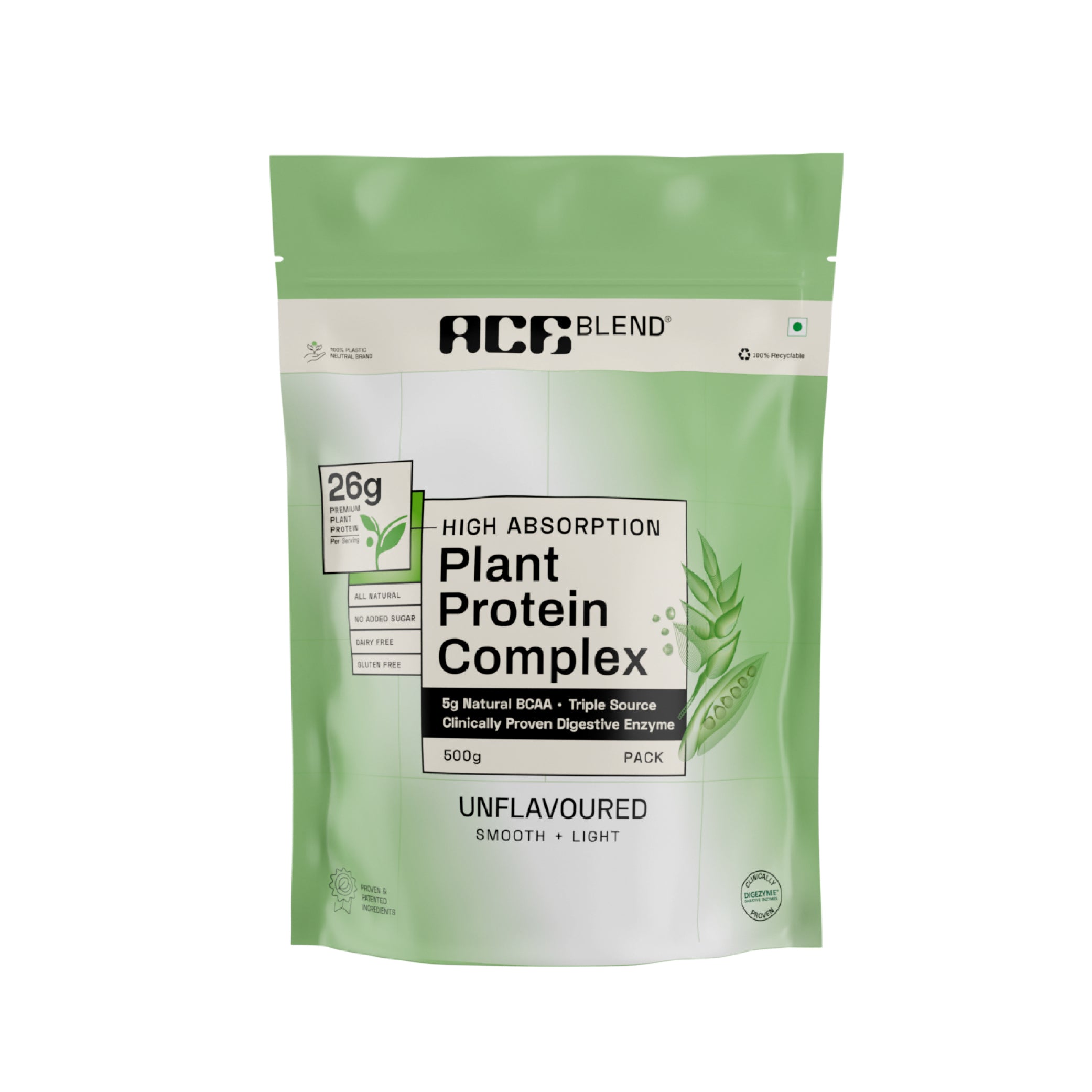
150 grams paneer provides 27-31.5g of complete protein along with calcium, B12, and other nutrients. While protein supplements like our plant-based options offer concentrated protein (20-30g per serving), paneer provides additional micronutrients and sustained satiety.
For most healthy individuals, 150 grams paneer daily is safe. However, people with lactose intolerance, kidney issues, or those watching saturated fat intake should consult healthcare providers. Some may experience digestive discomfort if not accustomed to high dairy intake.
Paneer typically costs more per gram of protein than legumes but less than premium meats. The cost varies by region and quality, but the convenience and complete amino acid profile often justify the expense for serious fitness enthusiasts.
150 grams paneer delivers substantial protein power with 27-31.5 grams of complete, high-quality protein. This amount can effectively support muscle building, weight management, and overall health goals when consumed as part of a balanced diet. The key lies in strategic consumption - spreading this amount across multiple meals optimizes protein utilization while maximizing satiety benefits. Whether you're a vegetarian seeking complete protein or an athlete looking for sustained amino acid release, 150 grams paneer offers a practical, nutritious solution. Remember that while paneer provides excellent nutrition, variety remains crucial. Combining it with other protein sources, including plant-based options, ensures you're getting the full spectrum of nutrients your body needs for optimal performance and health.


Someone sent you
Error
Powered by ReferRush