
















Lion's Mane Side Effects: Your Complete Guide


Get personalised recommendations with our assessment.
Personalised Health Diagnosis (PHD)
Lion's mane mushroom has captured the attention of wellness enthusiasts worldwide, and for good reason. This distinctive white, shaggy fungus offers promising cognitive benefits that have researchers and health-conscious individuals buzzing with excitement. But here's what most people don't talk about: lion's mane mushroom side effects are real, and understanding them is crucial before you add this supplement to your routine. While the benefits are compelling, ignoring potential risks could leave you unprepared for unexpected reactions. Let's cut through the hype and examine what science actually tells us about lion's mane safety.
Hericium erinaceus, commonly known as lion's mane, isn't your typical grocery store mushroom. This unique fungus grows on hardwood trees and resembles a white waterfall of icicles. What makes it special isn't just its appearance—it's the bioactive compounds called hericenones and erinacines that can cross the blood-brain barrier.
The primary lion's mane mushroom benefits center around cognitive enhancement and nerve health. Research suggests it may stimulate nerve growth factor (NGF) production, potentially supporting brain function and neural regeneration. Studies have shown promising results for memory improvement, focus enhancement, and even potential neuroprotective effects against age-related cognitive decline. The supplement industry has embraced lion's mane as a natural nootropic, marketing it as a clean alternative to synthetic cognitive enhancers.
Unlike stimulants that provide temporary energy spikes, lion's mane works differently—supporting long-term brain health through biological mechanisms. This has made it particularly appealing to professionals, students, and anyone seeking mental clarity without the crash.
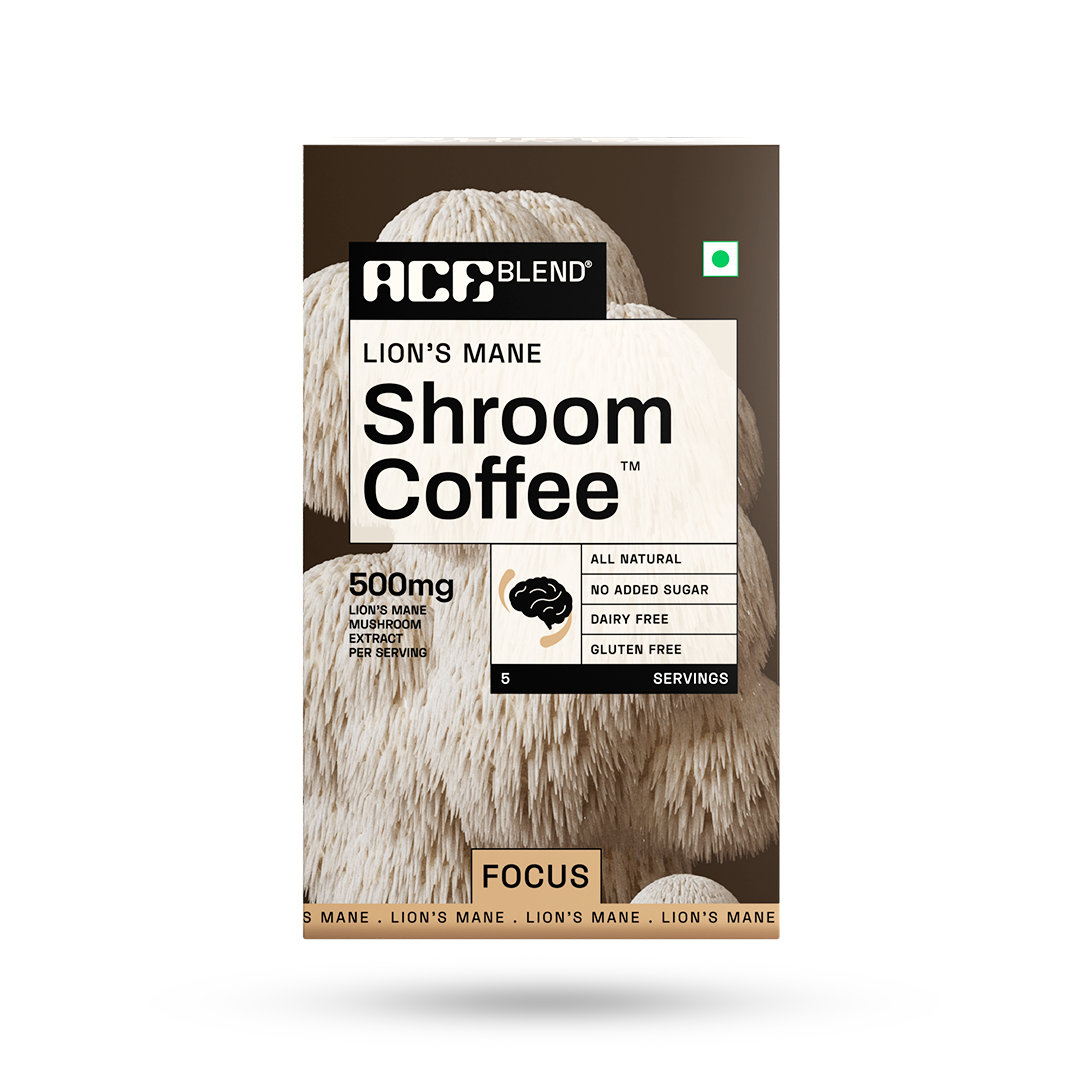
At Ace Blend, we've incorporated lion's mane into our functional coffee blend specifically designed for focus. Our approach recognizes both the potential and the importance of understanding what you're putting into your body. But before diving into supplementation, you need the full picture—including potential downsides.
Most people tolerate lion's mane well, but that doesn't mean it's side-effect-free. Clinical studies reveal that while serious adverse reactions are rare, certain effects occur frequently enough to warrant attention. Understanding these helps you make informed decisions and recognize when something isn't right. The good news? Most lion's mane risks are mild and manageable. The concerning news? Individual responses vary significantly, and what works perfectly for your friend might not work for you. Let's break down the most commonly reported issues.
Digestive problems top the list of reported side effects. Clinical trials show that less than 10% of participants experience stomach upset, nausea, or abdominal discomfort when taking lion's mane supplements. However, this percentage can increase significantly with higher doses or sensitive individuals. Diarrhea and bloating represent the most frequent digestive complaints. These typically occur within the first few days of supplementation and often resolve as your body adjusts. The mushroom's fibre content and bioactive compounds can initially overwhelm digestive systems unaccustomed to concentrated fungal extracts.
While uncommon, lion's mane allergy reactions can range from mild skin irritation to severe respiratory distress. Symptoms include rash, itching, hives, and skin sensitivity that may appear within hours of consumption. Some individuals report contact dermatitis even from handling fresh lion's mane mushrooms. Cross-reactivity with other mushroom allergies is a real concern. If you're allergic to any fungi, approach lion's mane with extreme caution. Severe cases can involve difficulty breathing, swelling, or anaphylaxis—medical emergencies requiring immediate attention.
Here's where things get interesting—and potentially problematic. While many users report improved mood and reduced brain fog, others experience the opposite. Lion's mane and anxiety connections have emerged in user reports, with some individuals noting increased nervousness, restlessness, or even panic attacks. The relationship between lion's mane and depression is complex. Some studies suggest potential mood benefits, but individual responses vary dramatically. Certain people report feeling more emotionally sensitive or experiencing mood swings during initial supplementation periods.
While most side effects are manageable, certain situations require serious consideration before using lion's mane supplements. These aren't just precautions—they're potential safety concerns that could impact your health significantly. Understanding contraindications isn't about fear-mongering; it's about responsible supplementation. Some interactions and conditions make lion's mane inappropriate or potentially dangerous for certain individuals.
Lion's mane interactions with medications represent a significant concern that many users overlook. The mushroom may affect blood clotting, potentially amplifying the effects of anticoagulant medications like warfarin or aspirin. This combination could increase bleeding risk, particularly concerning for surgical patients. Diabetes medications present another interaction risk. Lion's mane may influence blood sugar levels, potentially enhancing the effects of diabetes drugs and leading to hypoglycemia. If you're managing diabetes with medication, monitor blood glucose levels closely and consult your healthcare provider. Autoimmune condition medications require special attention. Lion's mane may stimulate immune system activity, potentially interfering with immunosuppressive drugs used to treat conditions like rheumatoid arthritis or multiple sclerosis.
Pregnancy and breastfeeding represent clear contraindications for lion's mane mushroom supplement use. Limited safety data exists for these populations, making supplementation an unnecessary risk during critical developmental periods. Individuals with pre-existing mushroom allergies should avoid lion's mane entirely. The risk of cross-reactivity isn't worth the potential benefits, especially when alternative cognitive support options exist. Autoimmune conditions require careful consideration. While not universally contraindicated, lion's mane's immune-stimulating properties could potentially exacerbate certain autoimmune conditions. Medical supervision becomes essential in these cases.
Dosing matters more than most people realize. The difference between beneficial effects and problematic side effects often comes down to how much you take and how you take it. Research provides clear guidance, but individual tolerance varies significantly. Lion's mane dosage recommendations aren't arbitrary—they're based on clinical studies that balanced efficacy with safety. Understanding these guidelines helps you optimize benefits while minimizing risks.
Clinical studies typically use doses ranging from 1-3 grams daily of lion's mane extract. Most research showing cognitive benefits used approximately 1 gram daily for 8-16 weeks. Starting with lower doses—around 500mg daily—allows you to assess tolerance before increasing. Duration matters as much as dose. Studies demonstrating safety used lion's mane for maximum periods of 16 weeks. Long-term safety data beyond this timeframe remains limited, suggesting periodic breaks might be prudent. Timing can influence both effectiveness and side effects. Taking lion's mane with food often reduces digestive discomfort while maintaining absorption. Morning consumption aligns with its cognitive benefits and avoids potential sleep disruption.
Gradual dose escalation represents the smartest approach to lion's mane safety. Start with the lowest effective dose and increase slowly over several weeks. This allows your body to adapt while helping you identify your optimal dose. Monitoring for adverse reactions becomes crucial during initial supplementation. Keep a simple log noting dose, timing, and any effects—both positive and negative. This information proves invaluable for adjusting your regimen or discussing concerns with healthcare providers.
Every supplement decision involves weighing potential benefits against possible risks. Lion's mane presents a generally favorable profile, but individual circumstances significantly influence this equation. Understanding both sides helps you make informed choices aligned with your health goals. The risk-benefit calculation isn't static—it changes based on your health status, medications, and individual sensitivity. What represents acceptable risk for one person might be inappropriate for another.
Cognitive enhancement represents lion's mane's most researched benefit. Studies show improvements in memory, focus, and processing speed in both healthy individuals and those with mild cognitive impairment. The mechanism involves stimulating nerve growth factor production, supporting brain plasticity and neural health. Neuroprotective effects extend beyond immediate cognitive benefits. Research suggests lion's mane may help protect against age-related cognitive decline and support recovery from nervous system injuries. These long-term benefits make it particularly appealing for preventive health strategies. Mood benefits, while less consistent, show promise in certain populations. Some studies indicate potential antidepressant and anxiolytic effects, though individual responses vary significantly.
Healthy adults generally experience the most favorable risk-benefit ratio. With proper dosing and monitoring, most people can use lion's mane safely while gaining cognitive benefits. Age-related considerations become important for older adults, who may be more sensitive to side effects but also stand to gain more from cognitive support. Individuals with medical conditions require more careful assessment. The potential for medication interactions and condition-specific contraindications makes medical supervision advisable. This doesn't necessarily preclude use, but it does require more careful monitoring.
The most frequently reported side effects include mild digestive discomfort, nausea, and stomach upset, occurring in less than 10% of users in clinical studies. These effects are typically mild and often resolve as your body adjusts to supplementation.
Most people experience improved focus and mental clarity without feeling stimulated or "high." Some notice enhanced memory and cognitive processing. However, a minority may experience mild digestive effects or, rarely, increased anxiety during initial use.
Yes, individuals with mushroom allergies may experience skin rashes, breathing difficulties, or other allergic symptoms. Cross-reactivity with other fungal allergies is possible, so those with known mushroom sensitivities should avoid lion's mane entirely.
Lion's mane may interact with blood thinners and diabetes medications, potentially enhancing their effects. Always consult your healthcare provider before combining lion's mane with prescription drugs, especially if you take anticoagulants or blood sugar medications.
Clinical studies have demonstrated safety for up to 16 weeks of continuous use at 1 gram daily. Longer-term safety data is limited, suggesting periodic breaks might be prudent for extended use.
No, there's insufficient safety data for pregnancy and breastfeeding periods. The potential risks to developing fetuses or nursing infants aren't well understood, making avoidance the safest choice during these critical periods.
Lion's mane mushroom offers genuine cognitive benefits backed by scientific research, but it's not without potential side effects. Most people tolerate it well, experiencing only mild digestive discomfort if anything. However, allergic reactions, medication interactions, and psychological effects can occur in susceptible individuals. The key to safe lion's mane use lies in starting slowly, monitoring your response, and consulting healthcare providers when appropriate. Understanding your individual risk factors—including allergies, medications, and health conditions—helps you make informed decisions about supplementation. At Ace Blend, we believe in transparent information that empowers smart choices. Our lion's mane coffee blend provides a convenient, measured way to experience these benefits while minimizing risks through proper dosing and quality sourcing. Remember, the goal isn't just cognitive enhancement—it's optimized health that supports your long-term wellness journey.


Someone sent you
Error
Powered by ReferRush