










Roasted Chana Nutrition

Get personalised recommendations with our assessment.
Personalised Health Diagnosis (PHD)
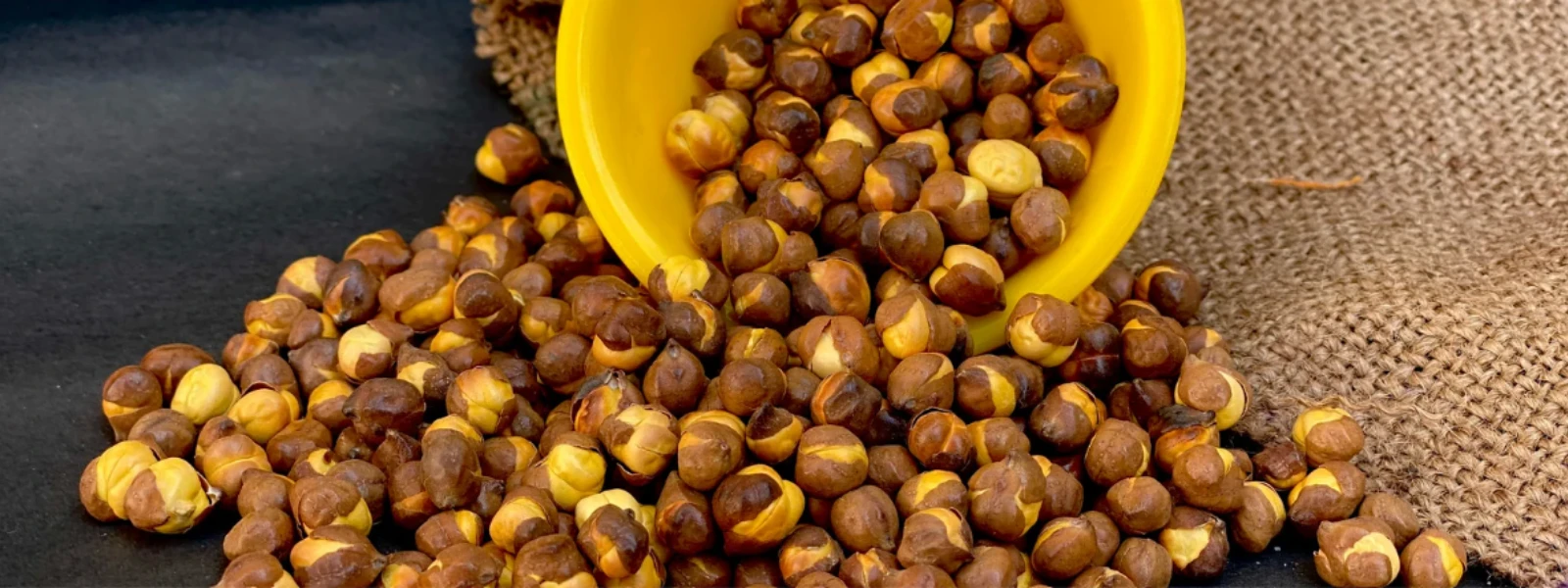
Roasted chana has quietly become the go-to snack for health-conscious Indians, but most people don't realize just how nutritionally dense this humble legume really is. While everyone knows it's "healthy," the actual science behind roasted chana nutrition tells a far more compelling story. From its impressive protein content to its role in metabolic balance, this crunchy powerhouse deserves a spot in your daily nutrition arsenal. Let's break down exactly what makes roasted chana such a nutritional heavyweight and why it might be the missing piece in your wellness puzzle.
The nutritional profile of roasted chana is nothing short of impressive. When you look at the numbers, it becomes clear why this legume has earned its superfood status among nutrition experts. Per 100 grams, roasted chana delivers approximately 360-400 calories, making it a calorie-dense yet nutrient-rich option. The macronutrient breakdown reveals 18-22 grams of protein, which rivals many animal-based protein sources. Carbohydrates clock in at 58-62 grams, with an outstanding 15-18 grams of dietary fibre. The fat content remains modest at 5-7 grams, consisting primarily of healthy unsaturated fats. The micronutrient profile is equally impressive. Roasted chana serves as an excellent source of iron (providing about 6mg per 100g), magnesium (115mg), phosphorus (366mg), and potassium (875mg). B-vitamins, particularly folate and B6, are present in significant amounts, supporting energy metabolism and nervous system function. You'll also find meaningful levels of vitamin K and vitamin E, contributing to bone health and antioxidant protection.
The roasting process fundamentally alters the nutritional landscape of chickpeas. Moisture reduction concentrates nutrients, making roasted chana more nutrient-dense per gram compared to its raw counterpart. Protein bioavailability actually improves through roasting, as heat breaks down certain anti-nutritional factors that can interfere with protein absorption. Interestingly, the fiber content remains largely intact during roasting, though the structure changes slightly, potentially improving digestibility for some individuals. The process also enhances the availability of certain minerals while preserving most water-soluble vitamins.
Roasted chana delivers an impressive 18-22 grams of protein per 100 grams, positioning it as one of the most protein-rich plant-based snacks available. This protein content rivals that of many animal products, making it an excellent choice for vegetarians and vegans looking to meet their daily protein requirements. The amino acid profile of roasted chana is particularly noteworthy. While it's not a complete protein on its own (lacking sufficient methionine), it provides substantial amounts of lysine, leucine, and other essential amino acids. When combined with grains or nuts throughout the day, it contributes to a complete amino acid profile that supports muscle synthesis and repair. Protein quality scores place roasted chana favorably among legumes, with a biological value that supports effective protein utilization in the body. The protein digestibility is enhanced through the roasting process, making it more bioavailable than raw chickpeas.
The high protein content in roasted chana makes it particularly valuable for muscle building and maintenance. The leucine content, while not as high as whey protein, still provides meaningful support for muscle protein synthesis when consumed as part of a balanced diet. Satiety is where roasted chana truly shines. The combination of protein and fibre creates a powerful appetite-suppressing effect that can last for hours. Studies suggest that legume-based snacks like roasted chana can reduce subsequent food intake by 15-20% compared to processed snack alternatives.
The health benefits of roasted chana extend far beyond basic nutrition. Research consistently demonstrates that regular legume consumption, including roasted chickpeas, correlates with improved health outcomes across multiple systems.
Digestive health receives significant support from roasted chana's impressive fibre content. The combination of soluble and insoluble fibre promotes healthy gut bacteria growth while supporting regular bowel movements. This prebiotic effect helps maintain a balanced gut microbiome, which increasingly research links to overall health and immune function.
Blood sugar regulation is another standout benefit. The complex carbohydrates in roasted chana release glucose slowly into the bloodstream, preventing the spikes and crashes associated with refined snacks. Studies show that legume consumption can improve insulin sensitivity and support long-term blood sugar management.
Heart health benefits emerge from multiple components in roasted chana. The fiber helps reduce LDL cholesterol levels, while potassium supports healthy blood pressure. The magnesium content contributes to cardiovascular function, and the overall nutrient profile supports reduced inflammation markers.
Weight management becomes more achievable with roasted chana as a regular snack choice. The high protein and fiber content promote satiety while providing sustained energy, reducing the likelihood of overeating at subsequent meals.
The prebiotic fibre in roasted chana feeds beneficial gut bacteria, particularly Bifidobacterium and Lactobacillus strains. This support for gut microbiome diversity has far-reaching effects on immune function, mood regulation, and even weight management. Metabolic benefits include improved insulin sensitivity and enhanced fat oxidation. The complex carbohydrates require energy to digest and metabolize, contributing to a higher thermic effect compared to processed snacks. This metabolic boost, while modest, can contribute to long-term weight management when roasted chana is consumed regularly.
When it comes to weight loss snacks, roasted chana checks all the right boxes. With approximately 360-400 calories per 100 grams, it provides substantial nutrition without excessive caloric density. More importantly, the satiety factor is exceptional – most people find that 25-30 grams (about 90-120 calories) provides lasting satisfaction. The satiety index of roasted chana significantly outperforms traditional snack foods. While a bag of chips might leave you hungry within an hour, a serving of roasted chana can maintain satiety for 3-4 hours. This extended satisfaction reduces overall daily caloric intake, supporting sustainable weight loss.
Portion control becomes natural with roasted chana due to its fibre and protein content. The body's satiety signals activate more effectively, making it difficult to overconsume compared to processed snacks that bypass these natural appetite controls. Timing matters for optimal weight loss benefits. Consuming roasted chana as a mid-morning or afternoon snack helps bridge the gap between meals without causing blood sugar spikes that can trigger additional cravings.
Optimal serving sizes range from 25-30 grams for snacking purposes, providing approximately 90-120 calories along with 5-6 grams of protein and 4-5 grams of fibre. This portion size maximizes satiety benefits without excessive caloric load. Combination strategies can enhance nutritional value. Pairing roasted chana with a small amount of nuts provides complementary amino acids and healthy fats. Adding it to yogurt creates a protein-rich snack that supports gut health through both prebiotics and probiotics.
The choice between roasted and soaked chana depends on individual health goals and digestive tolerance. Nutritionally, both forms offer distinct advantages that make them suitable for different situations. Roasted chana provides concentrated nutrition with enhanced shelf stability and convenience. The roasting process reduces anti-nutritional factors like phytic acid, improving mineral absorption.
However, some heat-sensitive vitamins may be reduced compared to soaked varieties. Soaked chana offers maximum vitamin retention and may be easier to digest for individuals with sensitive stomachs. The soaking process activates enzymes and begins the germination process, potentially increasing certain nutrient levels.
But it requires preparation time and has a shorter shelf life. Digestibility varies between individuals. Some people find roasted chana easier to digest due to reduced anti-nutritional factors, while others prefer soaked chana for its softer texture and enhanced enzyme activity.
Plain roasted chana offers the purest nutritional profile without added sodium or preservatives. Seasoned varieties may contain additional spices that provide antioxidants but often include extra sodium that should be considered in daily intake calculations. Organic options typically provide slightly higher antioxidant levels and avoid pesticide residues, though the nutritional differences are generally modest. The choice often comes down to personal preference and budget considerations.
Daily recommended intake of roasted chana ranges from 50-100 grams, depending on individual protein needs and overall dietary patterns. This amount provides 9-22 grams of protein while contributing significantly to daily fibre requirements. Meal integration opportunities are numerous. Add roasted chana to salads for extra protein and crunch, blend it into smoothies for fibre and protein, or incorporate it into trail mixes for balanced nutrition. It can also be ground into flour for baking applications, increasing the protein content of homemade breads and snacks. Storage considerations are important for maintaining nutritional quality. Keep roasted chana in airtight containers away from light and heat to preserve vitamin content and prevent rancidity. Properly stored, it maintains nutritional quality for 6-12 months.
Digestive sensitivity can occur in some individuals, particularly those unaccustomed to high-fibre foods. Starting with smaller portions (15-20 grams) and gradually increasing allows the digestive system to adapt. Pregnancy considerations are generally positive, as roasted chana provides folate, protein, and iron that support maternal and fetal health. However, pregnant women should ensure proper hydration when increasing fibre intake. Quality selection involves choosing products without excessive oil, artificial preservatives, or high sodium content. Look for roasted chana with minimal ingredients – ideally just chickpeas and perhaps a small amount of salt.
Roasted chana contains 18-22 grams of protein per 100 grams, making it an excellent plant-based protein source. This protein is highly bioavailable due to the roasting process, which reduces anti-nutritional factors and improves digestibility.
Yes, roasted chana offers numerous health benefits including improved digestive health, blood sugar regulation, heart health support, and weight management assistance. Its high fibre and protein content, combined with essential minerals, make it a nutritionally dense snack choice.
Chickpeas, including roasted chana, are excellent for pregnancy due to their high folate content, which supports fetal neural development. They also provide iron, protein, and fibre that support maternal health during pregnancy.
Chana is both a carbohydrate and protein source. While it contains 58-62 grams of carbohydrates per 100 grams, it also provides 18-22 grams of protein, making it a balanced macronutrient source that's particularly valuable for plant-based diets.
One kilogram of roasted chana contains approximately 3,600-4,000 calories. This makes it a calorie-dense food that should be consumed in appropriate portions as part of a balanced diet.
Roasted chana stands out as a nutritional powerhouse that deserves recognition beyond its status as a simple snack. With 18-22 grams of protein per 100 grams, substantial fibre content, and an impressive micronutrient profile, it supports multiple aspects of health from digestive wellness to metabolic balance.
The science consistently supports roasted chana as a valuable addition to any health-conscious diet. Its ability to provide sustained satiety, support blood sugar regulation, and contribute to heart health makes it particularly relevant for modern wellness goals. Whether you're focused on weight management, muscle building, or simply seeking nutritious snack alternatives, roasted chana delivers results backed by both traditional wisdom and modern research.


Someone sent you
Error
Powered by ReferRush