


Lactose Intolerance Protein Checklist: Dairy-Free Guide

Get personalised recommendations with our assessment.
Personalised Health Diagnosis (PHD)
Lactose intolerance affects millions of people worldwide, creating significant challenges when it comes to meeting daily protein requirements. Many traditional protein sources contain dairy, leaving those with lactose intolerance struggling to find suitable alternatives that support their fitness goals and overall health. This comprehensive checklist provides a complete guide to navigating dairy-free protein options, from understanding which supplements work best to identifying hidden lactose in everyday foods. Whether you're dealing with mild digestive issues or severe lactose intolerance, this guide will help you maintain optimal protein intake while supporting your gut health and metabolic balance.
Lactose intolerance occurs when your body lacks sufficient lactase enzyme to properly digest lactose, the sugar found in milk and dairy products. This condition can range from mild discomfort to severe digestive issues, making it crucial to identify suitable protein alternatives. The severity of symptoms varies among individuals, with some people able to tolerate small amounts of dairy while others must avoid it completely.
Protein requirements remain the same whether you're lactose intolerant or not, typically ranging from 0.8 to 1.2 grams per kilogram of body weight for sedentary adults, and higher for active individuals. The challenge lies in finding quality protein sources that don't trigger uncomfortable symptoms like bloating, gas, or stomach cramps.
Primary lactose intolerance is the most common form, developing naturally as lactase production decreases with age. Secondary lactose intolerance results from illness or injury affecting the small intestine, while congenital lactose intolerance is a rare condition present from birth.
Athletes and highly active individuals typically need 1.6-2.2 grams of protein per kilogram of body weight. Older adults may require slightly higher amounts to maintain muscle mass, while those recovering from illness or injury often need increased protein for healing.
Building a comprehensive list of lactose-free protein sources ensures you never run short of options for meeting your daily requirements. These alternatives provide complete amino acid profiles while supporting digestive comfort and overall wellness. From animal-based options to plant-based powerhouses, this checklist covers every category of dairy-free protein.
Each protein source offers unique benefits beyond just meeting macronutrient needs, including supporting gut health, providing essential vitamins and minerals, and contributing to metabolic balance.
These options provide complete amino acid profiles and are typically well-absorbed by the body:
Lean meats: Chicken breast, turkey, lean beef, pork tenderloin
Fish and seafood: Salmon, tuna, cod, shrimp, crab
Eggs: Whole eggs, egg whites, egg-based products
Poultry: Duck, quail, game birds
These options support both protein needs and digestive health while offering additional nutrients:
Legumes: Lentils, chickpeas, black beans, kidney beans
Nuts and seeds: Almonds, walnuts, chia seeds, hemp seeds
Quinoa and ancient grains: Complete protein sources with fiber
Soy products: Tofu, tempeh, edamame (if tolerated)
Protein supplements can bridge nutritional gaps when whole food sources aren't sufficient or convenient. The key is selecting products specifically formulated for lactose intolerance, ensuring they support rather than compromise digestive health. Many traditional whey proteins contain lactose, making careful label reading essential for those following a lactose-free diet.
Quality protein supplements should provide complete amino acid profiles while being easily digestible and free from artificial additives that might trigger sensitivities.
Whey protein isolate undergoes additional processing to remove most lactose, making it suitable for many people with lactose intolerance. Look for products containing less than 1% lactose and third-party tested for purity.
These options eliminate dairy concerns entirely while providing diverse nutrient profiles:
Pea protein: High in branched-chain amino acids
Rice protein: Hypoallergenic and easily digestible
Hemp protein: Contains omega fatty acids and fiber
Blend formulas: Combine multiple sources for complete amino profiles
Egg white protein and collagen peptides offer additional options for those seeking variety in their supplement routine. These alternatives provide unique benefits like supporting skin health and joint function.
Many processed foods contain hidden lactose that can trigger symptoms in sensitive individuals. Understanding food labels and ingredient lists becomes crucial for maintaining a truly lactose-free diet while meeting protein goals. Even foods that don't taste like dairy can contain milk-derived ingredients that cause digestive distress.
Manufacturers often use lactose-containing ingredients as fillers, flavor enhancers, or preservatives, making vigilant label reading essential for anyone managing lactose intolerance.
Common foods that may contain hidden lactose include:
Processed meats: Deli meats, sausages, hot dogs
Baked goods: Breads, crackers, cookies
Seasonings and sauces: Salad dressings, marinades, spice blends
Medications: Some pills use lactose as a binding agent
Look for terms like whey, casein, milk solids, and lactose on ingredient lists. Products labeled "non-dairy" may still contain milk-derived ingredients, so always check the full ingredient list rather than relying on front-of-package claims.
Modern dairy alternatives have evolved significantly, offering protein-rich options that rival traditional dairy products in both nutrition and taste. These alternatives support lactose-free diets while providing essential nutrients for optimal health and performance. The variety available today ensures that no one needs to compromise on nutrition or enjoyment when avoiding dairy.
Many dairy alternatives are fortified with additional nutrients, making them nutritionally superior to their dairy counterparts in some cases.
Choose fortified options that provide comparable protein content to dairy milk:
Soy milk: 6-8 grams protein per cup
Pea protein milk: 8-10 grams protein per cup
Oat milk (protein-fortified): 4-6 grams protein per cup
Almond-pea protein blends: 5-7 grams protein per cup
Fermented alternatives often provide probiotics that support gut health while delivering protein. Look for products made from coconut, almond, or soy bases that are specifically fortified with protein and beneficial bacteria.
Managing lactose intolerance goes beyond simply avoiding dairy; it involves supporting overall digestive health to maximize nutrient absorption and minimize discomfort. A healthy gut microbiome plays a crucial role in protein metabolism and can even influence lactose tolerance levels over time. Supporting digestive health through proper nutrition and lifestyle choices creates the foundation for optimal protein utilization.
The connection between gut health and protein absorption means that addressing digestive issues can improve overall nutritional status and energy levels.
Certain probiotic strains can help improve lactose digestion by producing lactase enzyme in the gut. Regular consumption of appropriate probiotics may reduce symptoms and improve tolerance to small amounts of dairy.
Lactase enzyme supplements can help some individuals tolerate dairy products when taken before meals. These supplements work by providing the enzyme needed to break down lactose, reducing digestive symptoms.
Include foods that support gut healing and reduce inflammation:
Omega-3 rich foods: Fatty fish, flaxseeds, walnuts
Fiber-rich vegetables: Leafy greens, cruciferous vegetables
Bone broth: Supports gut lining integrity
Fermented foods: Kimchi, sauerkraut, kombucha
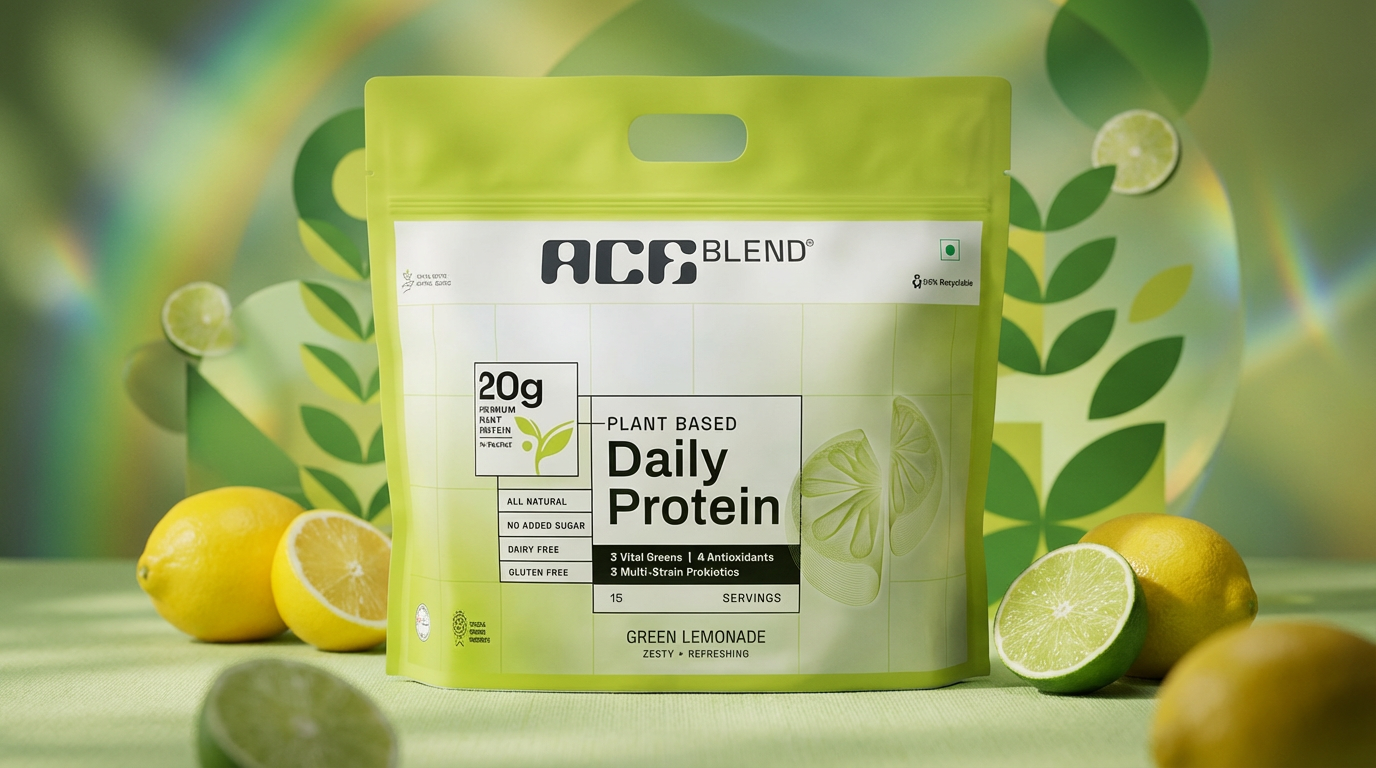
Plant-based protein powders like pea, rice, and hemp protein are excellent choices for lactose intolerance. Whey protein isolate with less than 1% lactose content may also be tolerated by some individuals. Our Ace Blend protein formulations are specifically designed to be gentle on sensitive digestive systems while providing complete amino acid profiles.
Absolutely. Muscle building depends on adequate protein intake and resistance training, not specifically on dairy products. Plant-based proteins, lean meats, fish, and eggs provide all necessary amino acids for muscle growth and recovery when consumed in appropriate amounts.
Protein requirements remain the same regardless of lactose tolerance. Most adults need 0.8-1.2 grams per kilogram of body weight, while active individuals may require 1.6-2.2 grams per kilogram. Focus on meeting these targets through lactose-free sources.
Dairy-free protein sources are generally safe and often provide additional nutrients like fiber, healthy fats, and antioxidants. The main consideration is ensuring variety to obtain complete amino acid profiles, especially when relying heavily on plant-based sources.
While primary lactose intolerance typically doesn't reverse, some people may improve their tolerance through gradual exposure and gut health support. Probiotics and digestive enzymes may help some individuals tolerate small amounts of dairy products.
Managing lactose intolerance while maintaining optimal protein intake requires knowledge, planning, and the right resources. This comprehensive checklist provides the foundation for making informed decisions about dairy-free protein sources, from whole foods to supplements. Remember that individual tolerance levels vary, and what works for one person may not work for another.
Success with a lactose-free diet comes from understanding your body's specific needs, reading labels carefully, and maintaining variety in your protein sources. Focus on supporting overall gut health while meeting your nutritional goals, and don't hesitate to work with healthcare providers when needed. With the right approach, lactose intolerance doesn't have to limit your protein intake or compromise your health and fitness goals.


Someone sent you
Error
Powered by ReferRush