











Jaggery: Your Complete Nutrition Guide

Get personalised recommendations with our assessment.
Personalised Health Diagnosis (PHD)
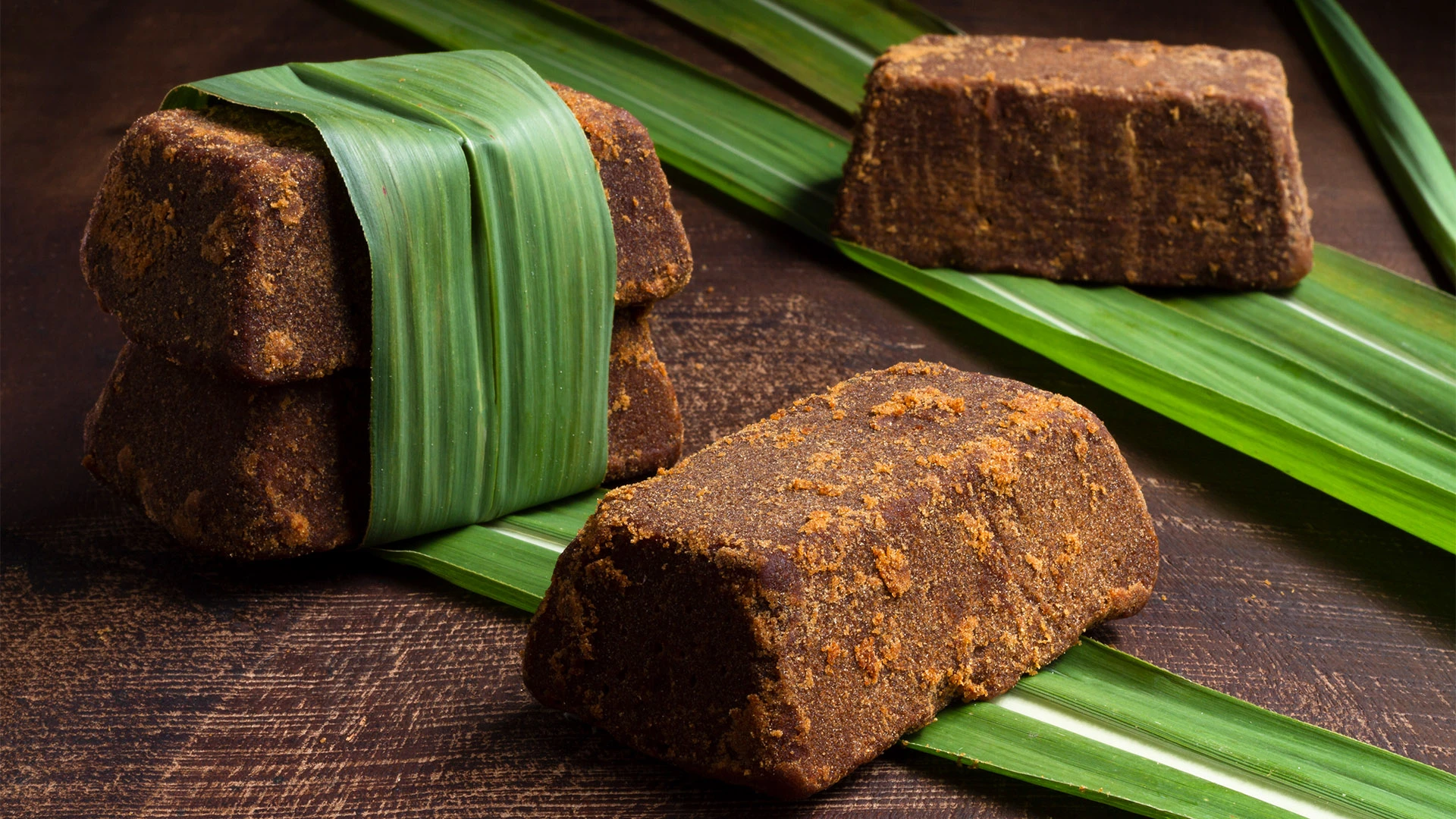
Let's get one thing straight—jaggery isn't just another trendy sweetener. This unrefined powerhouse has been fueling bodies for centuries, but the calorie conversation around it is often clouded by myths and half-truths. Whether you're tracking macros for metabolic optimization or simply want to make smarter food choices, understanding jaggery calories is crucial for anyone serious about gut-metabolic balance. We're diving deep into the numbers, the science, and the practical applications that actually matter for your health goals.
The calorie content of jaggery varies more than most people realize, and this variation isn't random—it's tied to processing methods, source materials, and quality factors that directly impact your metabolic response. Understanding these nuances helps you make informed decisions about portion sizes and daily intake.
Per 100 grams, jaggery contains approximately 353-383 calories, with most commercial varieties falling around 383 calories. This range exists because different processing methods and source materials affect the final caloric density. Sugarcane jaggery typically sits at the higher end, while palm jaggery often contains slightly fewer calories due to its different carbohydrate composition.
Real-world portion control matters more than theoretical numbers. Here's what you're actually consuming:
• 1 teaspoon (10g): 35-40 calories
• 1 tablespoon (15-20g): 55-77 calories
• 1 cup (220g): 825-850 calories
• Small jaggery block (50g): 175-190 calories
These portions help you track intake without obsessing over every gram, which is essential for sustainable metabolic health.
Jaggery nutrition extends far beyond its caloric content, offering a mineral profile that refined sugar simply can't match. This nutritional complexity is what makes jaggery a more metabolically favorable choice for gut-metabolic balance, despite similar calorie counts to refined alternatives.
Per 100 grams, jaggery delivers:
• Carbohydrates: 86-98g (primarily sucrose, glucose, and fructose)
• Iron: 11-13mg (supports gut microbiome diversity)
• Magnesium: 70-90mg (crucial for metabolic enzyme function)
• Phosphorus: 20-30mg
• Potassium: 1050-1100mg
• Fat: 0.1g (negligible)
• Protein: 0.4g
The iron content in jaggery isn't just about preventing deficiency—it supports healthy gut bacteria that require iron for optimal function. The magnesium content aids in over 300 enzymatic reactions, including those involved in glucose metabolism. These minerals work synergistically to support metabolic health in ways that empty calories from refined sugar simply cannot.
The jaggery vs sugar debate often focuses on calories, but that's missing the bigger picture. While the caloric difference is minimal, the metabolic impact varies significantly due to processing methods and nutrient retention.
• Jaggery: 383 calories per 100g
• White sugar: 387 calories per 100g
• Brown sugar: 380 calories per 100g
The 4-calorie difference per 100g is negligible, but this similarity in calories doesn't tell the whole story about metabolic impact.
Jaggery retains minerals and compounds that support gut health, while refined sugar offers empty calories. The jaggery glycemic index (around 84) is actually higher than white sugar (65), but the presence of minerals and fibre remnants can help moderate blood sugar spikes when consumed mindfully. The key advantage lies in jaggery's ability to provide nutrients alongside energy, supporting overall metabolic function rather than just delivering quick glucose.
Not all jaggery is created equal, and understanding the different types helps you choose options that align with your metabolic goals. Each variety offers distinct nutritional profiles and caloric densities based on source materials and processing methods.
• Sugarcane jaggery: 383 calories per 100g (most common variety)
• Palm jaggery: 350-370 calories per 100g (lower glycemic impact)
• Date palm jaggery: 360-380 calories per 100g (higher mineral content)
• Coconut jaggery: 375-385 calories per 100g (rich in potassium)
Palm varieties typically contain fewer calories due to their different carbohydrate composition and higher moisture content.
Purity levels significantly impact both caloric content and nutritional value. High-quality, unadulterated jaggery maintains its mineral profile and provides more stable energy release. Lower-grade varieties often contain added sugars or adulterants that can increase caloric density while reducing nutritional benefits. Look for jaggery with a deep, consistent color and avoid overly sweet varieties that may indicate added refined sugars.
The question "is jaggery healthy" depends entirely on context, portion sizes, and individual metabolic goals. While jaggery offers advantages over refined sugar, it's still a concentrated source of calories that requires mindful consumption for optimal gut-metabolic balance.
Jaggery supports gut health through its iron content, which feeds beneficial bacteria and supports microbiome diversity. The mineral profile aids in digestive enzyme function, while trace antioxidants from the unrefined processing help combat oxidative stress. Traditional medicine recognizes jaggery's role in supporting digestive fire and metabolic function, though modern applications require portion awareness.
Despite its benefits, jaggery isn't suitable for everyone. Those managing diabetes should approach jaggery cautiously due to its high glycemic index. Weight management goals may conflict with jaggery's caloric density—383 calories per 100g adds up quickly. The key is understanding that "natural" doesn't automatically mean "unlimited," and even beneficial foods require portion control for optimal metabolic outcomes.
Integrating jaggery into a gut-metabolic balance approach requires strategy, not just substitution. The goal is leveraging its nutritional benefits while managing caloric impact and blood sugar response.
Limit jaggery intake to 20-30g daily (75-115 calories) for most adults, consumed preferably post-workout or with fibre-rich foods to moderate blood sugar impact. Timing matters—consuming jaggery when your metabolism is most active helps optimize nutrient utilization while minimizing fat storage potential.
Pair jaggery with gut-healthy foods like yogurt, nuts, or seeds to create balanced snacks that support microbiome health. Use it in traditional preparations like turmeric milk or herbal teas where its mineral content complements other functional ingredients. When replacing sugar in recipes, use a 3:4 ratio (3 parts jaggery for every 4 parts sugar) and reduce other liquids slightly to account for jaggery's moisture content.
One teaspoon of jaggery (approximately 10g) contains 35-40 calories. This makes it slightly more caloric than white sugar (16 calories per teaspoon) due to its denser composition and mineral content.
Jaggery isn't significantly better for weight loss purely from a caloric standpoint, as it contains similar calories to sugar. However, its mineral content may support better metabolic function and satiety, potentially reducing overall sugar cravings when used mindfully.
Jaggery has a glycemic index of approximately 84, which is higher than white sugar (65). This means jaggery can cause faster blood sugar spikes, making portion control even more important for metabolic health.
A standard small jaggery block (50g) contains approximately 175-190 calories. Larger blocks can contain 400-500 calories, making it easy to overconsume if you're not measuring portions carefully.
Yes, jaggery's iron and mineral content can support beneficial gut bacteria when consumed in moderation. The key is balancing its gut-health benefits with its caloric impact through appropriate portion sizes and timing.
Palm jaggery typically contains 350-370 calories per 100g, making it slightly lower in calories than sugarcane jaggery (383 calories per 100g). It also tends to have a lower glycemic impact and higher mineral density.
Jaggery calories aren't dramatically different from sugar, but the nutritional context matters significantly for gut-metabolic balance. At 383 calories per 100g, jaggery requires the same portion awareness as any concentrated sweetener, but its mineral profile offers advantages that refined sugar cannot match. The key to healthy jaggery consumption lies in understanding serving sizes, choosing quality varieties, and integrating it strategically into a balanced approach to metabolic health. Whether you're supporting gut microbiome diversity or optimizing energy metabolism, jaggery can play a beneficial role when consumed mindfully rather than freely.


Someone sent you
Error
Powered by ReferRush