










Dal and Protein: Your Complete Nutrition Guide

Get personalised recommendations with our assessment.
Personalised Health Diagnosis (PHD)
Dal has been the backbone of Indian nutrition for centuries, but most people underestimate its protein power. While everyone knows dal is healthy, few realize that protein in dal per 100g can rival many animal sources. This complete guide breaks down the exact protein content across dal varieties, reveals which types pack the most nutritional punch, and shows how to maximize your protein intake from these humble legumes. Whether you're tracking macros or simply want to optimize your plant-powered nutrition, understanding dal protein content transforms how you approach meal planning.
The protein content in dal varies dramatically between raw and cooked forms, creating confusion for anyone trying to track their intake accurately. Raw dal typically contains 20-25g protein per 100g, while cooked dal drops to 7-9g protein per 100g. This isn't because cooking destroys protein—it's simple dilution from water absorption. When you cook 100g of raw dal, it absorbs roughly 200-250ml of water, tripling its weight. The protein remains intact but gets distributed across a larger volume. This means your dal protein content calculations need to account for whether you're measuring raw or cooked portions. For meal planning purposes, always calculate from raw weights. If you're eating 50g raw dal (which becomes roughly 150g cooked), you're getting 10-12g protein, not the 3-4g that cooked weight calculations would suggest. This distinction matters enormously for anyone serious about hitting protein targets.
Not all dals are created equal when it comes to protein density. Understanding types of dal protein helps you choose the most efficient options for your nutritional goals. Here's the definitive ranking of high protein dal varieties based on raw weight measurements.
Urad dal leads the pack with approximately 25g protein per 100g raw. This black-skinned legume offers the highest protein density among common Indian dals. Its protein quality is exceptional, containing all essential amino acids in reasonable proportions.
Masoor dal delivers 24-25g protein per 100g raw, making it virtually tied with urad dal. Red lentils cook faster than most varieties, making them practical for quick, protein-rich meals. Their mild flavor makes them versatile for various preparations.
Both green and yellow moong dal provide around 24g protein per 100g raw. Moong dal stands out for its exceptional digestibility, making it ideal for those with sensitive stomachs or digestive concerns.
Chana dal (Bengal gram) offers 21g protein per 100g, while toor dal (pigeon pea) provides 21.7g protein per 100g. Both deliver excellent protein quality with robust, satisfying flavors that work well in traditional preparations. The amino acid profiles across these varieties complement each other beautifully. While no single dal provides a complete amino acid profile matching animal proteins, combining different types throughout the week ensures comprehensive protein quality.
While protein gets the spotlight, dal nutrition facts reveal these legumes as nutritional powerhouses extending far beyond their protein content. Understanding the complete nutritional picture helps explain why dal consumption correlates with better health outcomes across populations.
Per 100g raw dal, you're getting 5-7mg iron—crucial for oxygen transport and energy metabolism. This iron content supports the benefits of dal for maintaining healthy energy levels, especially important for those following plant-based diets where iron deficiency risks run higher.
Potassium levels in dal range from 800-1200mg per 100g, supporting cardiovascular health and proper muscle function. This mineral profile makes dal particularly valuable for active individuals and those managing blood pressure.
Fibre content varies by variety but typically ranges from 8-12g per 100g raw dal. This substantial fibre load supports digestive health, blood sugar regulation, and satiety—key factors in weight management and metabolic health.
Complex carbohydrates in dal provide sustained energy without blood sugar spikes. Unlike simple carbs that cause energy crashes, dal's carbohydrate profile supports steady glucose levels throughout the day.
B-vitamins, particularly folate, thiamine, and niacin, round out dal's nutritional profile. These vitamins support energy metabolism, nervous system function, and cellular repair processes.
The connection between dal for gut health and overall wellness runs deeper than most people realize. Dal's unique combination of protein, fibre, and bioactive compounds creates an ideal environment for beneficial gut bacteria while supporting metabolic function. Prebiotic fibre in dal feeds beneficial gut bacteria, promoting a healthy microbiome. This fibre fermentation produces short-chain fatty acids that support intestinal health, reduce inflammation, and may even influence mood and cognitive function through the gut-brain axis. The protein-fiber combination in dal creates exceptional satiety, helping regulate appetite and prevent overeating. This natural appetite control mechanism supports healthy weight management without restrictive dieting approaches.
Metabolism boosting dal effects come from multiple mechanisms. The thermic effect of protein means your body burns calories digesting and processing dal protein. Additionally, the steady blood sugar response prevents the metabolic disruption associated with blood sugar spikes and crashes. Anti-inflammatory compounds in various dal types, including polyphenols and flavonoids, support overall metabolic health. Chronic inflammation disrupts metabolic function, so dal's anti-inflammatory properties contribute to better insulin sensitivity and metabolic efficiency. Digestibility varies among dal types, with moong dal being the most easily digested and urad dal requiring more digestive effort. This variation allows you to choose based on your digestive capacity and health goals.
Getting maximum benefit from protein in lentils requires strategic preparation and pairing. Simple techniques can significantly enhance protein absorption and create complete amino acid profiles rivaling animal proteins. Combining dal with rice or wheat creates complementary amino acid profiles. Dal provides lysine but lacks methionine, while grains provide methionine but lack lysine.
Together, they form complete proteins supporting optimal muscle protein synthesis. Soaking dal for 4-8 hours before cooking reduces antinutrients like phytic acid that can interfere with mineral absorption. This simple step enhances the bioavailability of both protein and minerals.
Sprouting takes nutrition enhancement further. Sprouted dal shows increased protein digestibility, higher vitamin C content, and reduced cooking time. The sprouting process partially breaks down proteins into more easily absorbed amino acids.
Cooking methods matter for protein preservation. Pressure cooking retains more nutrients than prolonged boiling. Adding a pinch of turmeric during cooking may enhance protein absorption while providing additional anti-inflammatory benefits. Timing dal consumption around workouts can optimize protein utilization. Consuming dal-based meals within 2 hours post-exercise supports muscle recovery and adaptation.
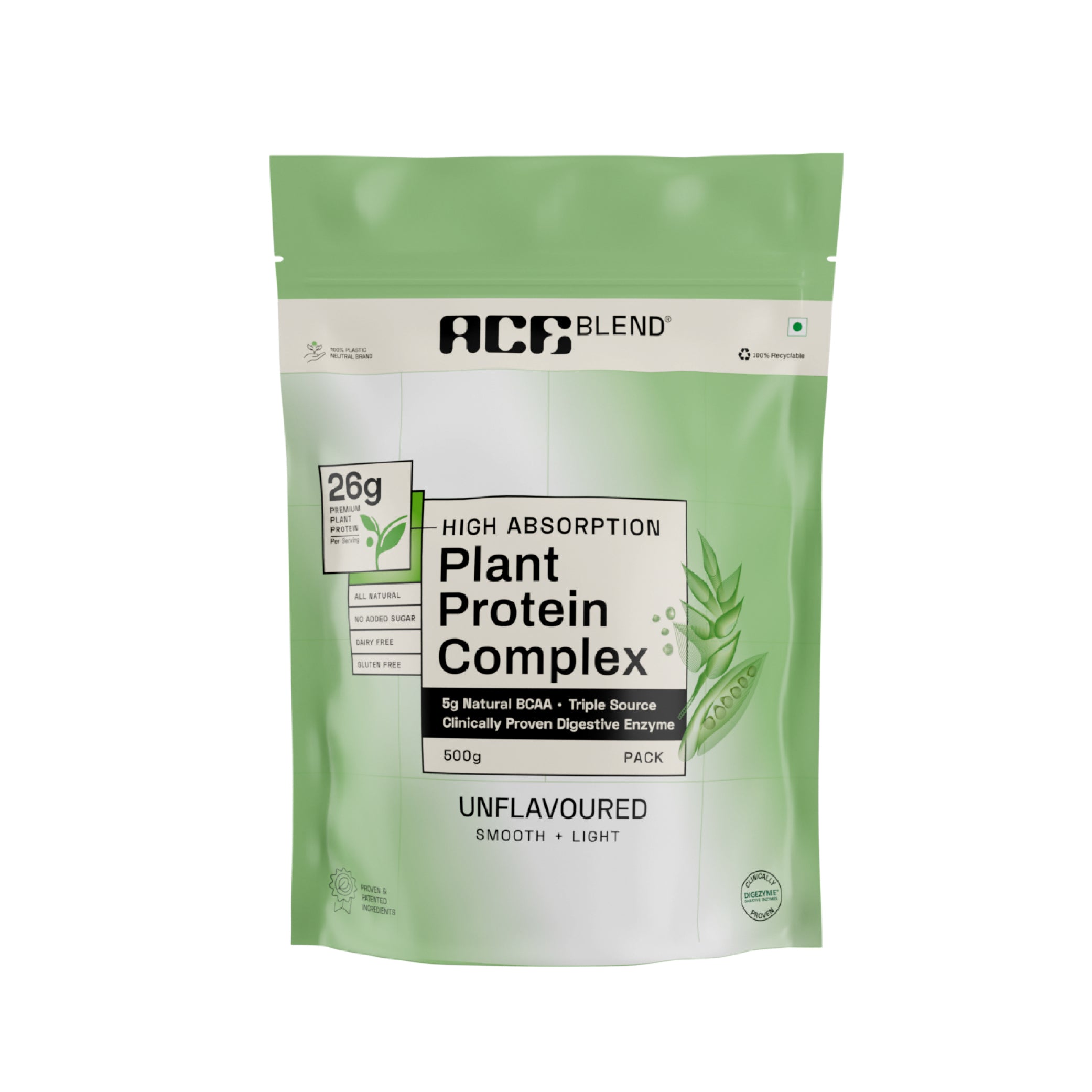
Our Unflavoured Protein can seamlessly blend into dal preparations, boosting the protein content without altering taste. This approach allows you to maintain traditional flavors while optimizing nutritional density.
Urad dal (black gram) leads with approximately 25g protein per 100g raw, followed closely by masoor dal at 24-25g. These varieties offer the highest protein density among commonly available Indian dals.
Cooked dal contains 7-9g protein per 100g due to water absorption during cooking. The protein content doesn't decrease, but gets diluted as the dal absorbs water and increases in volume.
While dal is an excellent protein source, meeting entire daily protein needs (50-70g) from dal alone would require consuming large quantities. Combining dal with other protein sources creates a more balanced and practical approach.
Yes, 200g cooked dal daily is nutritionally safe for most people and provides 14-18g high-quality protein. This amount also delivers significant fibre, vitamins, and minerals supporting overall health.
Individual dal varieties don't provide complete amino acid profiles like animal proteins. However, combining different dals or pairing dal with grains creates complete proteins with excellent biological value.
Cooking makes dal more digestible and doesn't significantly reduce protein content. Some water-soluble vitamins may decrease slightly, but overall nutritional value remains high. Proper cooking actually enhances protein digestibility.
Dal represents one of nature's most efficient protein packages, delivering 20-25g protein per 100g raw weight alongside fibre, minerals, and bioactive compounds. Understanding the difference between raw and cooked protein content prevents underestimating your intake and helps with accurate meal planning. Choosing high-protein varieties like urad dal and masoor dal maximizes nutritional efficiency, while combining different types ensures comprehensive amino acid coverage.
The gut health and metabolic benefits extend far beyond protein content, making dal a cornerstone of optimal nutrition. Strategic preparation through soaking, sprouting, and proper cooking enhances protein absorption and digestibility. Pairing dal with complementary foods creates complete proteins supporting muscle health and metabolic function. Whether you're pursuing fitness goals or simply optimizing daily nutrition, dal provides an accessible, affordable foundation for plant-powered protein intake.

