










Chana Protein 101: Everything You Need to Know

Get personalised recommendations with our assessment.
Personalised Health Diagnosis (PHD)
Plant-based nutrition is having its moment, and for good reason. Among the powerhouse legumes leading this revolution, chana stands out as a nutritional champion that's been fueling bodies for centuries. Whether you call them chickpeas, garbanzo beans, or simply chana, these humble legumes pack a serious protein punch that rivals many animal sources.
But here's where it gets interesting—the protein content varies dramatically depending on how you prepare them. From raw dried chana delivering over 20 grams of protein per 100g to cooked versions providing around 8-9 grams, understanding these numbers can transform how you approach your daily nutrition goals. Let's dive deep into the science behind chana protein and discover why this ancient superfood deserves a spot in your modern wellness routine.
The protein content in chana isn't just impressive—it's variable and depends entirely on preparation method. This variability often confuses people trying to calculate their daily protein intake, but once you understand the science, it becomes your nutritional superpower. Raw or dried chana delivers the highest protein concentration at 19-22 grams per 100g. This makes it one of the most protein-dense plant foods available. However, when you cook chana, the protein content appears to drop significantly to 8-9 grams per 100g. This isn't because cooking destroys protein—it's because water absorption increases the total weight while the actual protein amount remains constant.
The transformation from raw to cooked chana involves significant water absorption. When you boil 100g of raw chana, it can absorb up to 200-250ml of water, nearly tripling its weight. The protein remains intact, but gets diluted across the increased mass. This is why 100g of cooked chana contains 8-9g protein while the same amount raw contains 20-22g.
Kala chana (black chickpeas) edges out regular kabuli chana in protein content, delivering 20-22g per 100g in raw form. Desi varieties typically contain higher protein concentrations compared to the larger kabuli varieties. The smaller, denser structure of kala chana contributes to its superior protein density and enhanced mineral content.
Beyond protein, chana offers a balanced macronutrient profile that supports sustained energy and metabolic health:
• Carbohydrates: 60-63g per 100g (complex, slow-releasing)
• Dietary fibre: 12g per 100g (both soluble and insoluble)
• Fat content: 5-6g per 100g (primarily unsaturated)
• Calorie content: 364 calories per 100g (raw)
This macronutrient balance makes chana an ideal food for sustained energy without blood sugar spikes.
The beauty of chana lies in its versatility. Each preparation method offers unique benefits while maintaining impressive protein content. Understanding these variations helps you choose the right form for your specific health goals and lifestyle needs. Roasted chana emerges as a convenient, shelf-stable option that concentrates nutrients through moisture removal. Soaked chana enhances digestibility while sprouted versions unlock maximum nutritional potential through enzymatic activation.
Roasted chana delivers 18-20g protein per 100g with enhanced convenience and extended shelf life. The roasting process removes moisture while concentrating nutrients, resulting in approximately 380 calories per 100g. This makes roasted chana perfect for on-the-go snacking and weight management strategies.
Soaking chana for 8-12 hours initiates enzymatic processes that enhance digestibility and nutrient absorption. While the protein content appears lower at 8-9g per 100g due to water absorption, the bioavailability increases significantly. Soaked chana also reduces cooking time and minimizes digestive discomfort.
Sprouting transforms chana into a nutritional powerhouse through enzymatic activation. The sprouting process increases vitamin C content by up to 600% while enhancing protein digestibility. Sprouted chana also develops beneficial enzymes that support gut health and improve overall nutrient absorption.
Protein quality matters as much as quantity, and chana delivers impressive amino acid diversity that supports various bodily functions. While not technically a complete protein on its own, chana provides substantial amounts of essential amino acids that complement other plant foods beautifully. The amino acid profile of chana shows particular strength in lysine content, an amino acid often limited in grain-based foods. This complementary relationship explains why traditional food combinations like rice and chana create complete protein profiles.
Chana contains all essential amino acids but falls short in methionine content, classifying it as an incomplete protein. However, this limitation becomes irrelevant when combined with grains, nuts, or seeds throughout the day. The lysine content in chana (1.6g per 100g) perfectly complements methionine-rich grains like rice and wheat.
The Protein Digestibility-Corrected Amino Acid Score (PDCAAS) for chickpeas rates approximately 0.78, indicating good but not perfect protein utilization. This score improves significantly through proper preparation methods like soaking, sprouting, and combining with complementary proteins. Compared to other legumes, chana ranks among the top performers for protein quality.
The relationship between chana consumption and gut-metabolic health extends far beyond simple protein provision. The unique combination of protein, fiber, and bioactive compounds creates synergistic effects that support digestive wellness and metabolic optimization. Research consistently demonstrates that regular legume consumption, particularly chickpeas, correlates with improved gut microbiome diversity and enhanced metabolic markers. This makes chana an ideal foundation for long-term wellness strategies.
Chana functions as a prebiotic powerhouse, feeding beneficial gut bacteria through its diverse fibre content. The 12g of fibre per 100g includes both soluble and insoluble types, supporting different aspects of digestive health. Soluble fibre feeds beneficial bacteria while insoluble fibre promotes regular bowel movements and toxin elimination.
The low glycemic index of chana (approximately 28-35) supports stable blood sugar levels and sustained energy release. This characteristic makes chana particularly valuable for metabolic health optimization and weight management. The protein-fibre combination enhances satiety, naturally reducing overall caloric intake without conscious restriction.
Regular chana consumption supports cardiovascular health through multiple mechanisms. The soluble fibre helps reduce LDL cholesterol while the protein supports healthy blood pressure levels. Additionally, chana contains anti-inflammatory compounds like saponins and phenolic acids that support overall cardiovascular wellness.
Determining optimal chana intake requires balancing nutritional benefits with digestive tolerance and overall dietary variety. While chana offers exceptional nutrition, moderation and proper preparation ensure maximum benefits without digestive discomfort. Most nutrition experts recommend 1-2 servings of legumes daily, with each serving providing approximately 15-20g protein. This translates to roughly 75-150g of cooked chana or 30-60g of raw chana daily.
Consuming 100g of cooked chana daily is generally safe and beneficial for most individuals. This amount provides approximately 8-9g protein along with substantial fibre and micronutrients. However, individuals with sensitive digestive systems should gradually increase intake to allow gut adaptation. Starting with 50g daily and increasing slowly prevents digestive discomfort.
Fifty grams of raw chana provides approximately 10-11g protein, contributing significantly to daily protein goals. To achieve 70g protein daily using primarily plant sources, combine chana with other high-protein legumes, nuts, seeds, and whole grains. This approach ensures amino acid completeness while supporting digestive health through dietary diversity.
Proper preparation techniques can significantly enhance chana's nutritional value and digestibility. These methods reduce anti-nutrients while increasing protein bioavailability and overall nutrient absorption. Traditional preparation methods like soaking and sprouting weren't just cultural practices—they were scientifically sound approaches to maximizing nutrition from legumes. Modern research validates these ancient techniques for optimizing chana's nutritional potential.
Soaking chana for 8-12 hours reduces phytic acid content by up to 60% while maintaining protein integrity. Sprouting for 24-48 hours further enhances digestibility and increases certain vitamins. Pressure cooking preserves more nutrients compared to prolonged boiling, making it the preferred cooking method for optimal nutrition retention.
Traditional combinations like chana with rice, roti, or quinoa create complete amino acid profiles. Modern approaches include adding chana to salads with nuts and seeds or blending into smoothies with plant-based protein powders. These combinations ensure optimal protein utilization while supporting diverse nutritional needs.
Boiled chana contains approximately 8-9g protein per 100g. The lower concentration compared to raw chana results from water absorption during cooking, which increases total weight while maintaining the same protein amount.
Yes, consuming 100g of cooked chana daily is generally safe and beneficial. This amount provides excellent nutrition while supporting digestive health. However, individuals with sensitive digestion should start with smaller amounts and gradually increase intake.
Fifty grams of raw chana provides 10-11g protein, while 50g of cooked chana contains 4-4.5g protein. The difference reflects water content variations between preparation methods.
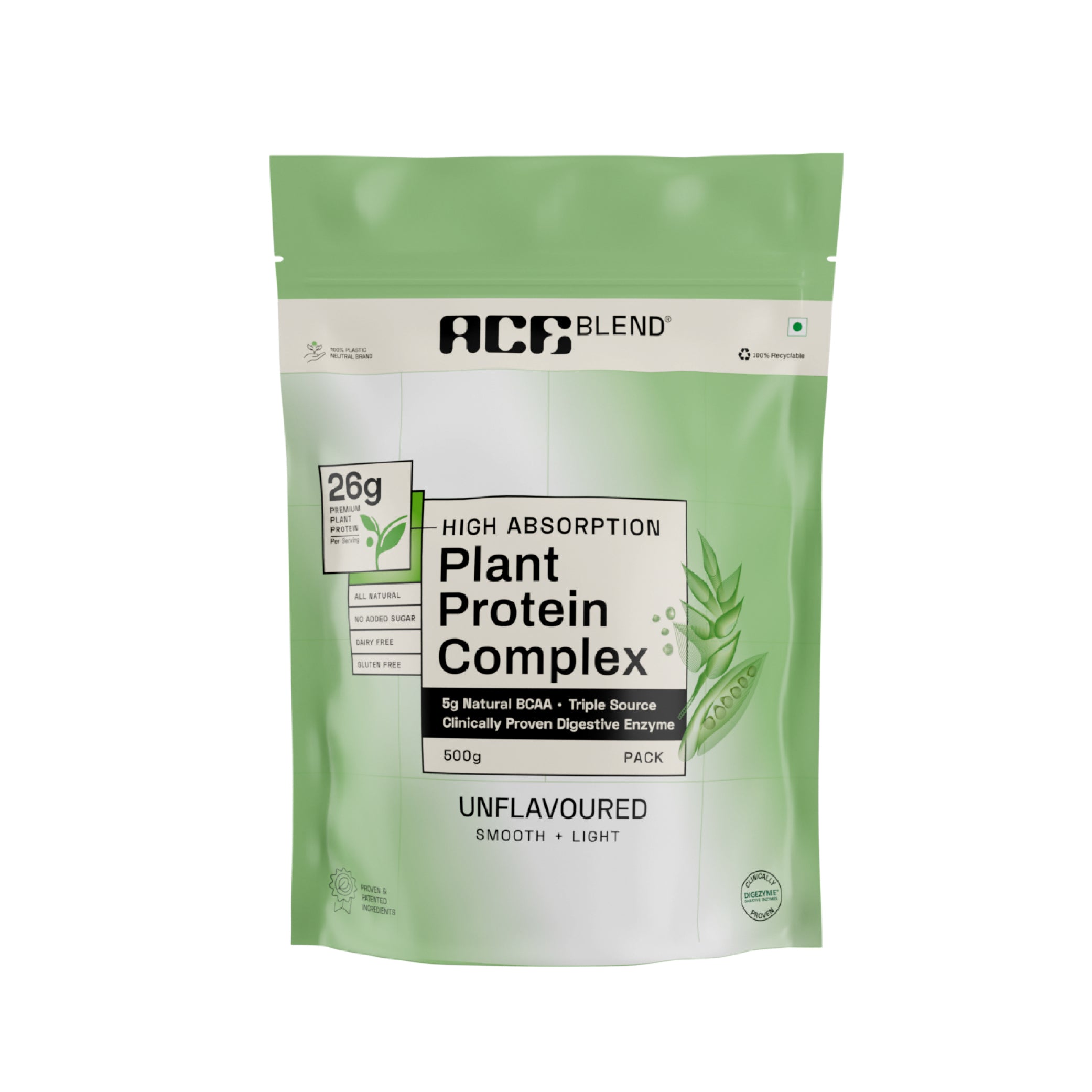
Combine 100g cooked chana (8-9g protein) with other plant proteins like lentils, nuts, seeds, and whole grains throughout the day. Adding our plant-based protein powders can help bridge any gaps while supporting gut health.
Chana offers excellent protein quality with superior lysine content compared to grains. While not complete alone, it complements other plant proteins perfectly. Its fiber content and prebiotic properties provide additional benefits beyond protein provision.
Garbanzo beans and chana are the same legume with identical nutritional profiles. The terms are used interchangeably, with "chana" being the Hindi name and "garbanzo" derived from Spanish.
Chana emerges as a nutritional powerhouse that deserves recognition in modern wellness strategies. With 19-22g protein per 100g in raw form and exceptional amino acid diversity, it supports both immediate nutrition goals and long-term health optimization. The key lies in understanding preparation methods and combining chana strategically with other foods for complete nutrition. Whether you choose raw, cooked, roasted, or sprouted forms, chana consistently delivers impressive protein content alongside gut-supporting fiber and metabolic-balancing compounds. For those serious about plant-powered nutrition, chana represents more than just protein—it's a foundation for sustainable wellness that honors both traditional wisdom and modern nutritional science. Start with 50-100g daily, prepare it properly, and watch how this ancient superfood transforms your approach to plant-based nutrition.


Someone sent you
Error
Powered by ReferRush