










Dal Proteins: Your Complete Nutrition Guide
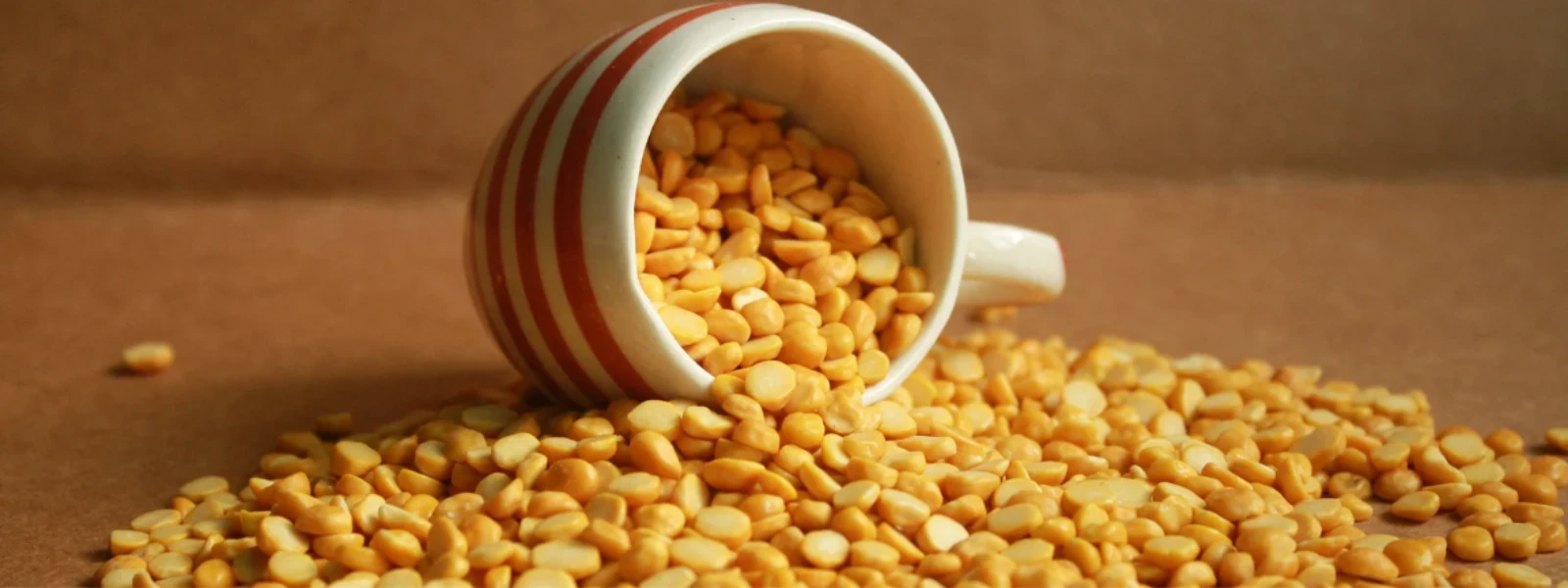

Get personalised recommendations with our assessment.
Personalised Health Diagnosis (PHD)
Dal has been the backbone of Indian nutrition for centuries, yet most people have no clue about the actual protein content in their daily bowl. With plant-based eating gaining momentum and protein consciousness at an all-time high, understanding exactly how much protein you're getting from 1 bowl dal becomes crucial. Whether you're building muscle, managing weight, or simply trying to meet your daily protein goals, dal offers an affordable, accessible protein source that's been hiding in plain sight. But here's the thing - not all dals are created equal, and the way you prepare and combine them can dramatically impact their nutritional value.
Let's cut through the confusion and get to the facts. The protein content in 1 bowl dal varies significantly based on the type of lentil and serving size. Most nutrition labels focus on 100g measurements, but that's not how we actually eat dal in real life.
Here's what you're actually getting in a standard bowl:
• Chana Dal: 10-12g protein (the clear winner)
• Masoor Dal: 9-10g protein
• Moong Dal: 7-12g protein (varies by preparation)
• Toor/Arhar Dal: 6-11g protein
• Urad Dal: 8-10g protein
These numbers represent cooked dal, which is what matters for your daily nutrition planning. The variation within each type depends on cooking method, water content, and added ingredients.
This is where things get interesting. Raw dal packs a protein punch of 22-25g per 100g, but cooking changes everything. When you cook dal, it absorbs water and expands, diluting the protein concentration to about 8-9g per 100g of cooked dal. This isn't protein loss - it's simple math. The same amount of protein is now distributed across a larger volume. Understanding this helps you make realistic protein calculations for meal planning. A 200g bowl of cooked dal started as roughly 65-70g of raw dal, which explains why you're getting 12-14g of protein in that bowl.
Dal protein is just one piece of the nutritional puzzle. A complete understanding helps you optimize your meals for better health outcomes and metabolic balance.
A standard bowl of dal delivers:
• Total calories: 180-220 per bowl
• Carbohydrates: 30-40g (your primary energy source)
• Protein: 7-14g (varies by type and preparation)
• Fat: 2-4g (naturally low)
• Fibre: 6-8g (excellent for gut health)
This macronutrient profile makes dal an excellent choice for metabolic balance diet plans. The high fibre content slows digestion, preventing blood sugar spikes while keeping you satisfied longer.
Dal isn't just about protein - it's a micronutrient powerhouse. You're getting significant amounts of iron for oxygen transport, folate for cellular function, magnesium for muscle and nerve function, and potassium for heart health. The B-vitamins support metabolic processes, while antioxidants and phytonutrients provide cellular protection. These nutrients work synergistically with the protein content, making dal a more complete nutrition source than isolated protein supplements.
Not all protein rich lentils are created equal. Understanding the differences helps you make informed choices based on your specific health and fitness goals.
Chana dal consistently tops the charts for protein density, offering the most bang for your buck. Masoor dal follows closely, with the added benefit of cooking faster and being easier to digest. Moong dal, while slightly lower in protein, offers superior digestibility and is often recommended for sensitive stomachs. Toor dal, the most commonly consumed variety in India, falls in the middle range but offers excellent taste and versatility. Urad dal provides good protein along with unique texture properties, making it ideal for specific preparations.
Compared to quinoa (8g protein per cooked cup), dal holds its own while being significantly more affordable. Chickpeas offer similar protein content but require longer cooking times. Tofu provides more protein per serving but lacks the fibre and micronutrient density of dal. The cost-effectiveness of dal makes it accessible to everyone, while its shelf stability and quick cooking time make it practical for daily consumption.
Here's where many people get it wrong. Dal alone doesn't provide complete protein, and understanding this gap is crucial for optimal nutrition.
Dal is deficient in methionine and cysteine, two essential amino acids your body cannot produce. This doesn't make dal "bad" - it just means you need to be strategic about combinations. Your body needs all nine essential amino acids to build and repair tissues effectively. Without these missing amino acids, your body cannot fully utilize the protein you're consuming. This is why traditional Indian meals intuitively combine dal with rice or roti.
The classic dal and rice combination isn't just tradition - it's nutritional science. Rice provides the methionine that dal lacks, while dal provides the lysine that rice lacks. Together, they create a complete amino acid profile. Dal with roti or bread works similarly, as wheat complements lentil amino acids. For a modern twist, try dal with quinoa - this combination provides complete protein plus additional micronutrients. The ideal ratio is roughly 3:1 carbohydrate to protein source, which naturally occurs in traditional preparations.
Transforming dal from a simple side dish to a protein powerhouse requires strategic thinking about preparation and combinations.
Boost your dal's protein content by adding nuts, seeds, or vegetables during cooking. A handful of almonds or pumpkin seeds can add 4-6g of additional protein while enhancing flavor and texture. Spinach, methi, or other leafy greens contribute both protein and micronutrients. Meal prep strategies include cooking large batches and portioning them with complementary grains. This ensures you always have a complete protein meal ready in minutes.
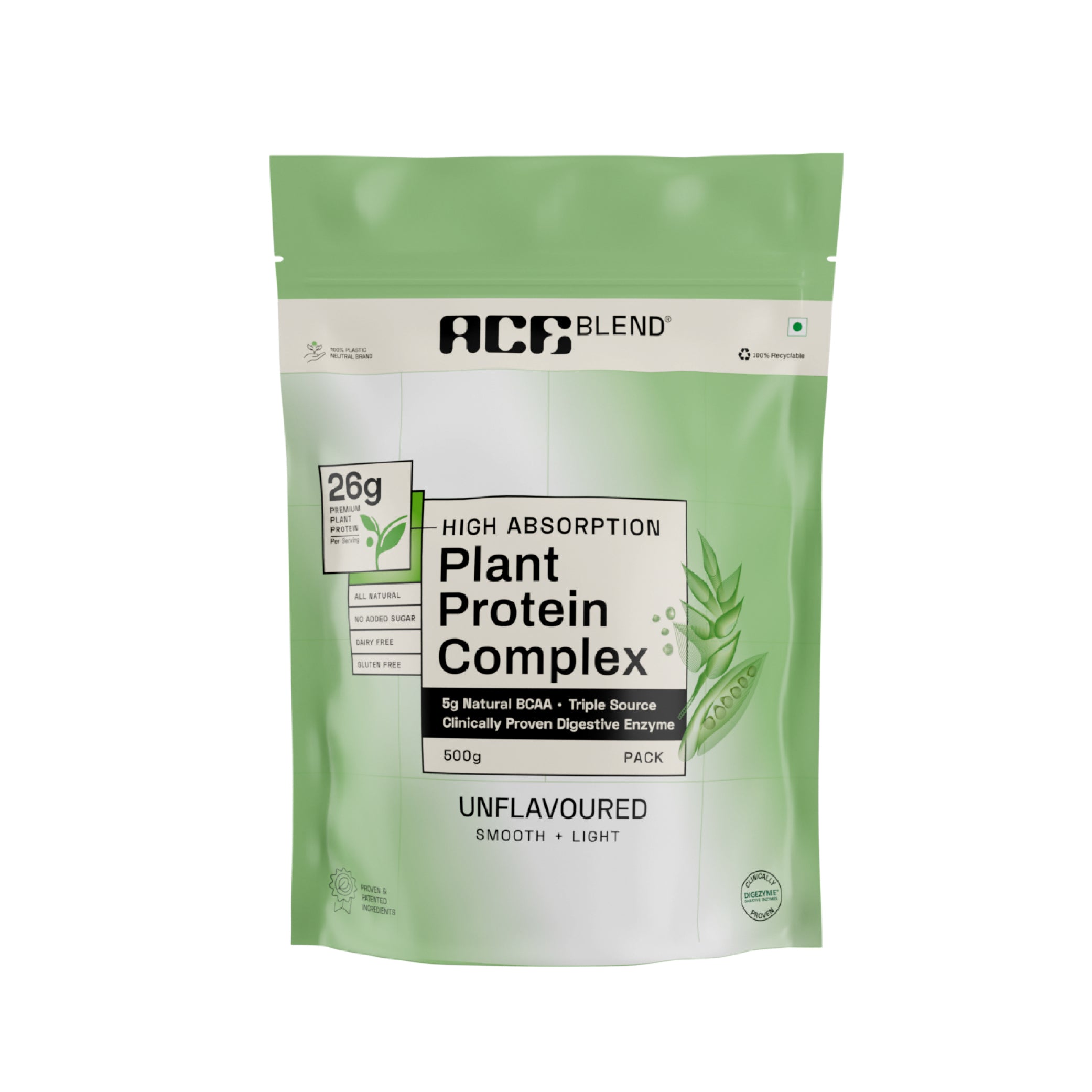
For sensitive digestive systems, start with moong dal, which is easiest to digest. Add digestive spices like cumin, coriander, and turmeric to enhance protein absorption and reduce gas formation. Cooking dal until very soft and adding a pinch of asafoetida (hing) further improves digestibility. Our Unflavoured Protein can be seamlessly added to dal preparations, boosting protein content without altering taste or texture.
Whether you're building muscle, losing weight, or maintaining health, dal can be adapted to meet your specific protein requirements.
To get 30g of protein from dal alone, you'd need approximately 3-4 bowls daily, which isn't practical or balanced. Instead, use dal as part of a broader protein strategy. Two bowls of dal (16-20g protein) combined with other plant sources easily reaches your target. This approach provides better nutrient variety and prevents digestive overload from excessive dal consumption.
Eating 100g of cooked dal daily is not only safe but beneficial for most people. This provides 8-9g of protein plus significant fibre, vitamins, and minerals. However, balance is key - don't let dal crowd out other important food groups. Some people may experience digestive discomfort with sudden increases in dal consumption. Gradually increase intake and ensure adequate water consumption to support the high fibre content.
Maximizing protein intake on a vegetarian diet requires strategic planning and smart combinations. Dal serves as an excellent foundation for this approach.
A realistic 70g protein day might include: 2 bowls of dal (16-20g), Greek yogurt (15-20g), nuts and seeds (10-12g), quinoa or other grains (8-10g), and vegetables (8-12g). This distribution ensures steady protein availability throughout the day. Timing matters too. Spread protein intake across meals rather than loading it into one sitting for better absorption and utilization.
Complement your dal with paneer, Greek yogurt, nuts, seeds, quinoa, chickpeas, and green vegetables. Each brings unique amino acid profiles and additional nutrients. This variety prevents monotony while ensuring complete nutrition. Shopping smart means buying these items in bulk and meal prepping combinations for the week ahead.
One bowl (150-200g) of cooked dal contains 7-14 grams of protein, depending on the variety. Chana dal offers the highest at 10-12g per bowl, while toor dal provides 6-11g per bowl.
You'd need approximately 3-4 bowls of cooked dal to reach 30g protein, making it more practical to combine dal with other protein sources like yogurt, nuts, or our plant-based protein supplements.
Yes, 100g of cooked dal daily is safe and beneficial for most people, providing 8-9g protein plus fibre and essential nutrients. Start gradually if you're not used to high-fibre foods.
Combine 2 bowls dal (16-20g), 1 cup Greek yogurt (20g), handful nuts (6g), quinoa (8g), and legumes (15g) throughout the day. Our Daily Protein can bridge any gaps with 20g per serving.
No, dal lacks methionine and cysteine amino acids. Pair with rice, wheat, or other grains to create a complete amino acid profile, or supplement with complete proteins.
Chana dal (split chickpeas) offers the highest protein content at 10-12g per bowl, followed by masoor dal at 9-10g per bowl.
Understanding 1 bowl dal protein content empowers you to make informed nutrition decisions. While dal provides excellent plant-based protein, combining it strategically with complementary foods maximizes its benefits. The key is consistency and variety - use dal as your protein foundation while incorporating other sources for complete nutrition. Remember, the goal isn't perfection in every meal, but balance across your daily intake. With proper planning, dal can be a cornerstone of your healthy, protein-rich diet that supports both your fitness goals and long-term wellness.

