










Is Idli Good for Weight Loss? Nutrition, Benefits & More

Get personalised recommendations with our assessment.
Personalised Health Diagnosis (PHD)
The humble idli has been a breakfast staple across Indian households for generations, but can this fluffy, steamed delight actually help you shed those extra pounds? While most people think weight loss means cutting out carbs entirely, the truth about idli might surprise you. This fermented rice and lentil creation packs more nutritional punch than meets the eye. Let's dive deep into whether idli is good for weight loss and explore how this traditional food can fit into your modern fitness goals.
Before we can answer whether idli supports weight loss, we need to break down its idli nutrition profile. The numbers might shock you – in a good way. A single medium-sized idli (approximately 30-35 grams) contains roughly 35-40 calories. That's remarkably low for something that can keep you satisfied for hours. The idli calorie content makes it one of the most weight-friendly breakfast options available. The macronutrient breakdown reveals why idli works so well for weight management. Each idli provides about 6-8 grams of carbohydrates, 1.5-2 grams of protein, and less than 0.5 grams of fat. This combination creates the perfect storm for sustainable energy without the caloric overload. What sets idli apart is its micronutrient density. The fermentation process increases the bioavailability of B vitamins, particularly B12 and folate. You'll also get a decent dose of iron, calcium, and magnesium. The idli dietary fibre content, though modest at about 0.8-1 gram per piece, comes from both the rice and urad dal used in preparation.
Here's where things get interesting for anyone asking is idli good for weight loss. The answer lies in several key factors that make this South Indian staple a secret weapon for weight management.
The most obvious advantage is the incredibly low caloric density. You can eat 3-4 idlis and still consume fewer calories than a single slice of buttered toast. This makes idli an excellent idli low-calorie food option that doesn't leave you feeling deprived.
While the fiber content per idli isn't massive, the fermentation process makes it highly effective. The idli dietary fibre helps slow down digestion, keeping you fuller longer and preventing those mid-morning hunger pangs that derail most diet plans.
The urad dal in idli provides complete amino acids. This protein content, though modest, contributes to satiety and helps maintain muscle mass during weight loss – something many low-calorie foods fail to do.
Fermentation creates beneficial probiotics that support gut health. A healthy gut microbiome is increasingly linked to better weight management and metabolism. This makes idli not just a idli nutritious snack but also a functional food that supports your weight loss from the inside out.
The real magic happens when we look at how idli functions as part of a comprehensive idli weight management strategy. It's not just about the calories – it's about how your body processes and uses this food.
The fermentation process creates compounds that can act as an idli metabolism booster. The probiotics support digestive efficiency, while the balanced macronutrient profile helps maintain steady blood sugar levels. This prevents the energy crashes that typically lead to overeating later in the day.
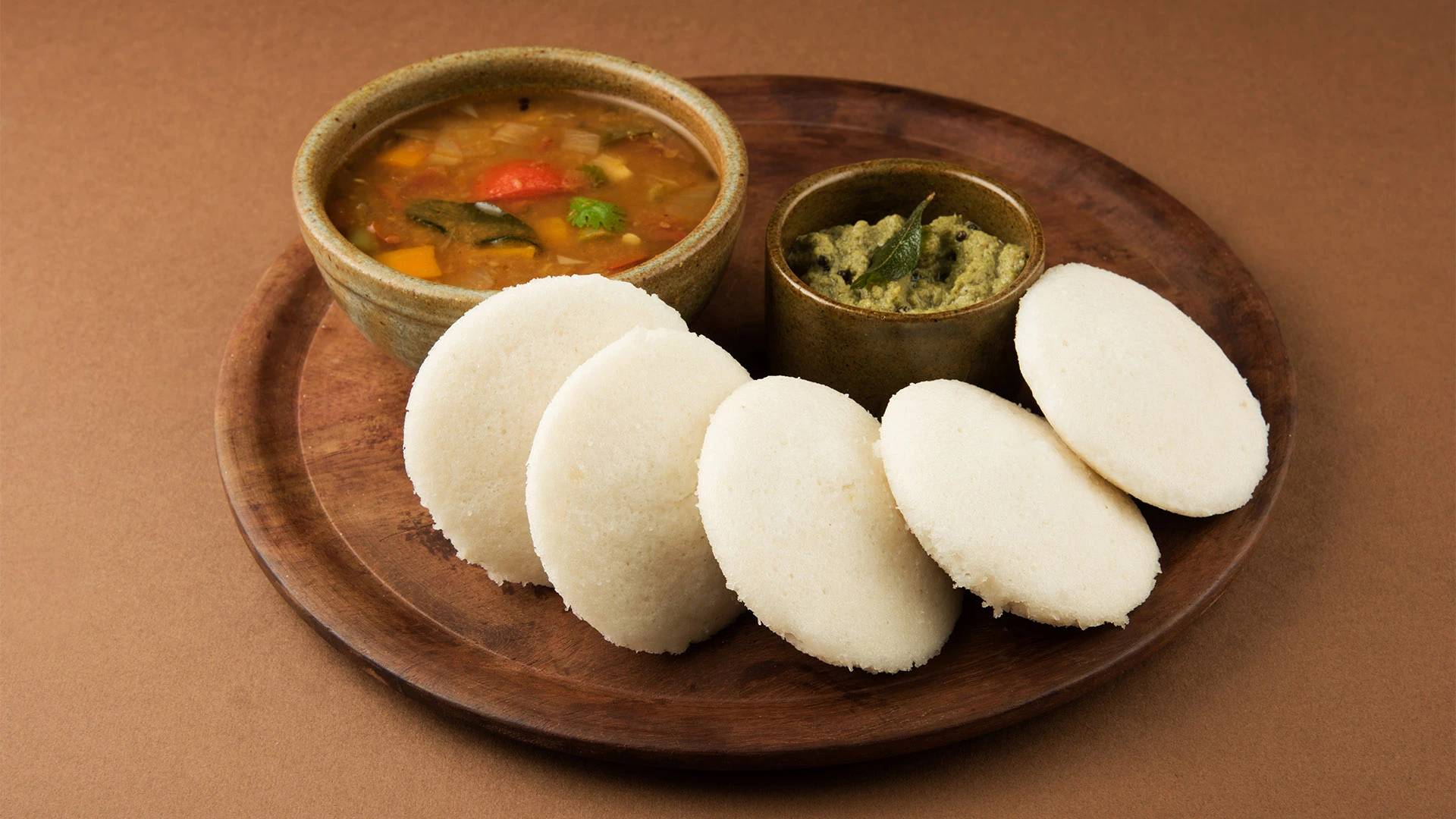
When paired with sambar and coconut chutney, a complete idli meal rarely exceeds 200-250 calories. Compare this to typical breakfast options like parathas (300+ calories each) or cereals with milk (400+ calories), and idli emerges as the clear winner for idli healthy eating.
Idli outperforms most traditional breakfast options in the weight loss department. Unlike bread or parathas that spike blood sugar, idli provides sustained energy release. It's more satisfying than upma and significantly lower in calories than poha prepared with oil and nuts.
Knowing that idli can support weight loss is just the beginning. The key lies in how you incorporate it into your idli fitness diet for maximum benefit.
The sweet spot for weight loss is typically 2-3 idlis per meal. This provides adequate nutrition and satiety without going overboard on carbohydrates. Remember, even healthy foods can contribute to weight gain if portion sizes aren't controlled.
Pair your idlis with protein-rich sambar loaded with vegetables. Skip the coconut chutney or use it sparingly – those calories add up quickly. Adding a side of steamed vegetables or a small portion of vegetable curry boosts the meal's nutritional density without significantly increasing calories.
Idli works best as a breakfast or lunch option. The carbohydrates provide energy when you need it most, and you have the entire day to burn off those calories. Evening consumption isn't necessarily bad, but morning meals tend to be more effective for weight management.
No food is perfect, and idli does come with some considerations for those serious about weight loss.
While the overall calorie count is low, idli is primarily carbohydrates. For those following very low-carb diets like keto, idli might not fit the macronutrient requirements. However, for balanced, sustainable weight loss, the carb content isn't problematic.
Idli has a moderate glycemic index, meaning it can cause a gradual rise in blood sugar. While this isn't as dramatic as refined foods, diabetics or those with insulin resistance should monitor portion sizes and pair idli with protein or fiber-rich foods.
The biggest mistake is drowning idli in oil-laden chutneys or ghee. Keep accompaniments light and focus on vegetable-based sides. Also, avoid making idli your only meal – variety ensures you get all essential nutrients.
Traditional idli is great, but these variations can supercharge your weight loss efforts while keeping things interesting.
Replacing part of the rice with oats increases fibre content and protein while maintaining the familiar taste and texture. Oats idli provides better satiety and slower energy release.
Finger millet (ragi) idli packs more protein, calcium, and iron than traditional versions. The additional fibre and nutrients make it even more weight-loss friendly while supporting overall health.
Adding finely chopped vegetables like carrots, spinach, or bottle gourd to the batter increases nutrient density without significantly increasing calories. These variations provide more vitamins, minerals, and antioxidants.
Answer: While idli can be eaten at night, it's more effective for weight loss when consumed earlier in the day. The carbohydrates provide energy that's better utilized during active hours. If eating idli for dinner, pair it with extra vegetables and keep portions smaller.
Answer: For weight loss, 2-3 idlis per meal is optimal. This provides adequate nutrition and satiety while keeping calories controlled. Adjust based on your activity level and overall daily caloric needs.
Answer: Suji (semolina) idli can support weight loss but isn't as beneficial as traditional rice-urad dal idli. Suji idli lacks the probiotics from fermentation and may have a higher glycemic impact. Stick to traditional or healthier variations for better results.
Answer: Idli generally edges out roti for weight loss due to lower calories per serving and better digestibility. However, whole wheat roti provides more fibre and protein. The choice depends on your overall meal composition and personal preferences.
Answer: The main disadvantages include high carbohydrate content for very low-carb dieters, moderate glycemic impact, and potential for overconsumption due to its light texture. Additionally, relying solely on idli might lead to nutrient gaps.
Idli absolutely deserves a place in your weight loss journey. Its low calorie density, beneficial probiotics, and satisfying nature make it an excellent choice for sustainable weight management. The key lies in smart preparation and portion control. Remember that no single food is a magic bullet for weight loss. Idli works best as part of a balanced diet that includes adequate protein, healthy fats, and plenty of vegetables. Pair it with modern nutrition solutions when needed – whether that's plant-based proteins to boost your daily intake or functional ingredients that support metabolism and gut health. The beauty of idli lies in its simplicity and versatility. It's a clean, traditional food that aligns perfectly with modern nutritional science. So yes, idli is good for weight loss – when eaten mindfully as part of a comprehensive approach to health and wellness.

