










How to Incorporate Calorie Dense Foods into Your Diet


Get personalised recommendations with our assessment.
Personalised Health Diagnosis (PHD)
The quest for optimal nutrition isn't just about eating less—sometimes it's about eating smarter. Calorie dense foods pack more energy per gram than their lighter counterparts, making them powerful allies in achieving your health goals. Whether you're looking to fuel intense workouts, support muscle growth, or simply maintain steady energy levels throughout the day, understanding how to strategically incorporate these nutritional powerhouses can transform your relationship with food. The key lies not in avoiding calories, but in choosing the right ones that deliver maximum nutritional bang for your buck.
When we talk about calorie dense foods, we're referring to foods that contain a high number of calories relative to their weight or volume. But here's where it gets interesting—not all high calorie foods are created equal. The difference between a handful of nuts and a candy bar isn't just in taste; it's in the quality of nutrition packed into those calories. True energy-dense foods should also qualify as nutrient-dense foods. Think of them as concentrated nutrition bombs that deliver essential fatty acids, high-quality proteins, vitamins, and minerals alongside their caloric content. This dual benefit makes them invaluable for anyone serious about optimizing their health.
Energy density is measured in calories per gram. Foods with 4+ calories per gram are considered high-density, while those under 1.5 calories per gram are low-density. The sweet spot for health-conscious individuals lies in choosing calorie-rich foods that also provide substantial micronutrients.
The traditional "calories in, calories out" model oversimplifies nutrition. Your body processes 200 calories from almonds differently than 200 calories from processed sugar. The almonds provide healthy fats, protein, fibre, and vitamin E, while the sugar offers empty calories that spike blood glucose levels.
Incorporating calorically dense meals requires a strategic approach that balances energy needs with nutritional requirements. The goal isn't to pile on calories mindlessly but to create meals that efficiently fuel your body while supporting overall health. Successful integration starts with understanding your individual caloric needs. Active individuals, those looking to gain weight, or people with high metabolisms benefit significantly from strategically placed high-calorie snacks and calorie-packed ingredients throughout their day.
Despite their nutritional value, energy-dense foods require mindful portioning. A single serving of nuts (about 1 ounce) contains 160-200 calories. While nutrient-rich, mindless snacking can quickly add unwanted calories to your daily intake.
Strategic timing maximizes the benefits of calorie-heavy options. Consume them around workouts for energy and recovery, or incorporate them into breakfast for sustained morning energy. Avoid large portions late at night when your body's energy needs are lower.
The best calorie-dense recipes combine healthy fats, quality proteins, and complex carbohydrates. This combination ensures steady energy release and optimal nutrient absorption while preventing blood sugar spikes.
Not all calorie-concentrated items deserve a place in your nutrition arsenal. The following foods offer exceptional nutritional value alongside their impressive caloric density, making them worthy additions to any health-focused diet. Nuts and seeds top the list of premium calorie dense foods. Almonds provide 579 calories per 100g along with vitamin E, magnesium, and healthy monounsaturated fats. Walnuts offer omega-3 fatty acids crucial for brain health, while chia seeds pack fibre, protein, and essential minerals into their tiny frames.
Avocados deliver 160 calories per 100g plus heart-healthy monounsaturated fats, fibre, and potassium. Extra virgin olive oil contains 884 calories per 100g and provides powerful antioxidants that support cardiovascular health.
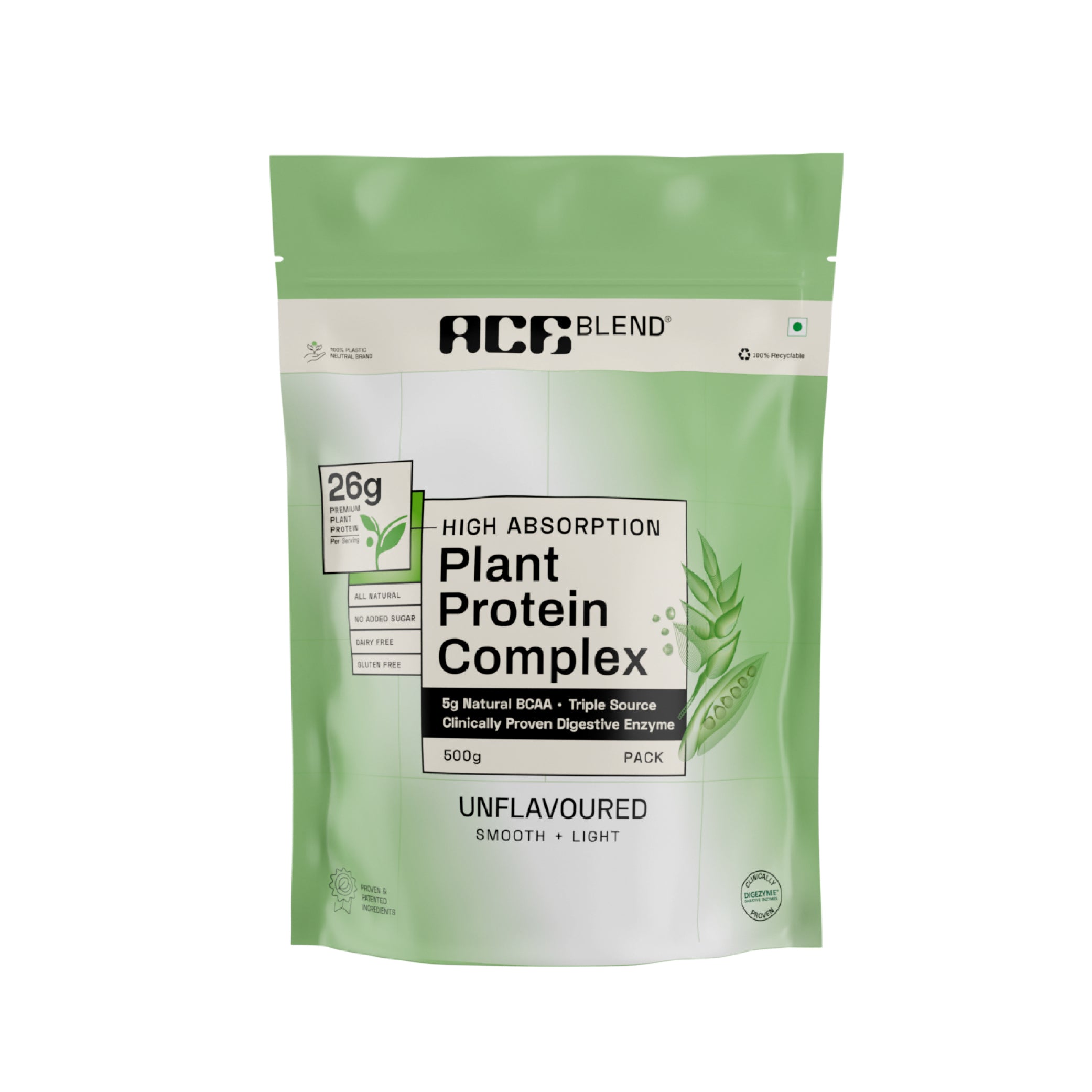
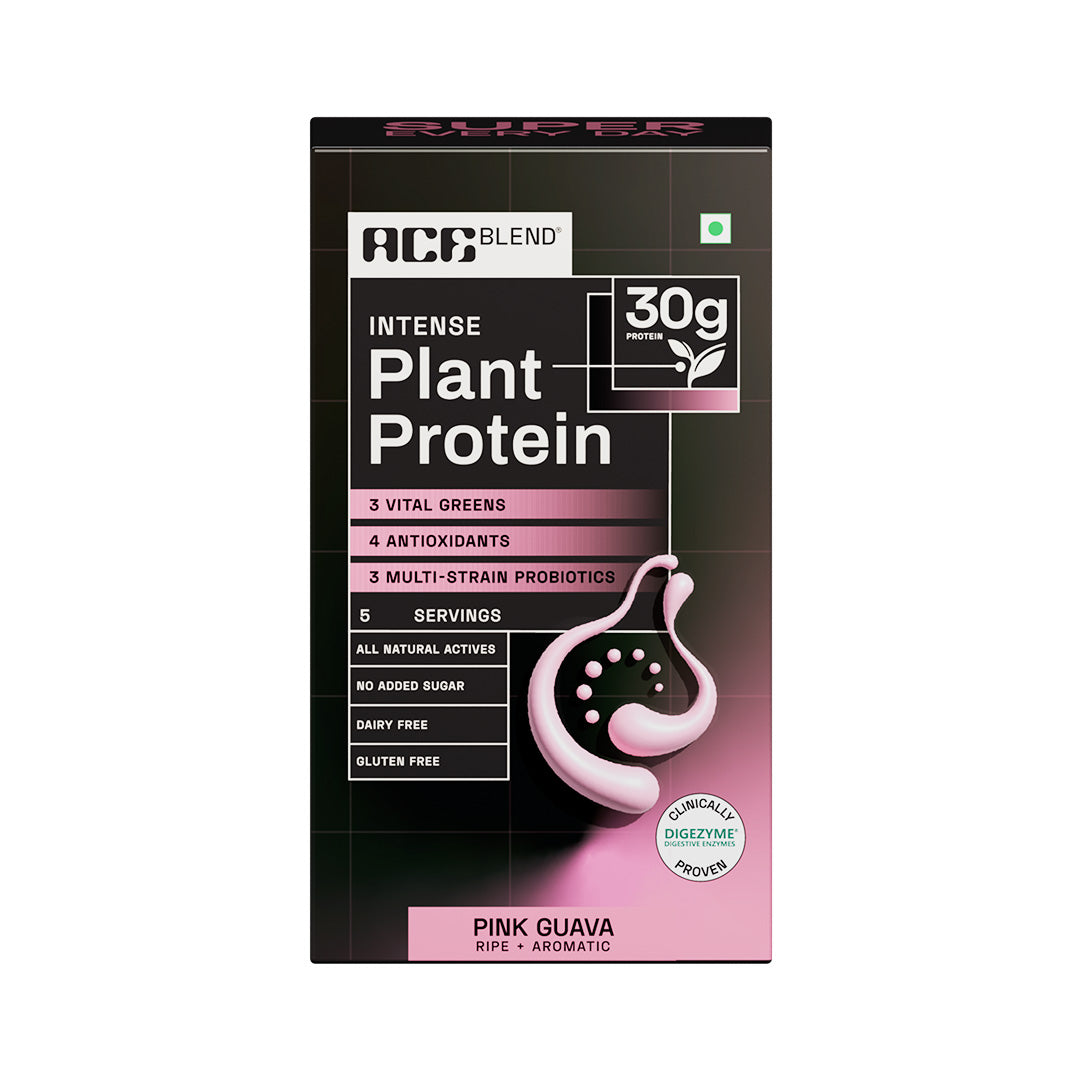
Fatty fish like salmon and mackerel offer high-quality protein alongside omega-3 fatty acids. These energy-dense foods support muscle building while providing essential nutrients often lacking in modern diets. For plant-based options, consider incorporating high-quality protein powders that can boost the caloric and protein content of smoothies and baked goods.
Quinoa, oats, and sweet potatoes provide sustained energy through complex carbohydrates while delivering fibre, vitamins, and minerals. These foods serve as excellent bases for calorie-dense recipes that fuel your body efficiently.
Transforming your diet with high calorie foods requires practical, sustainable strategies that fit into your lifestyle. Start by identifying opportunities throughout your day where you can strategically add calorie-packed ingredients without drastically changing your eating patterns. Morning routines offer excellent opportunities for incorporating nutrient-dense foods. Add nut butter to your morning smoothie, sprinkle seeds on your oatmeal, or include avocado in your breakfast bowl. These simple additions can increase your morning meal's caloric content by 200-300 calories while boosting its nutritional profile.
Redefine your snacking approach with purposeful high-calorie snacks. Instead of reaching for processed options, create trail mixes combining nuts, seeds, and dried fruits. These portable options provide sustained energy and can easily fit into busy schedules.
Enhance existing meals with calorie-concentrated items rather than completely overhauling your diet. Drizzle olive oil on salads, add nuts to grain bowls, or incorporate tahini into sauces. These small changes compound over time to significantly impact your nutritional intake.
Don't overlook liquid calories from nutritious sources. Smoothies made with nut butters, protein powders, and healthy fats can serve as excellent vehicles for calorie dense foods. Consider functional beverages that support your health goals while contributing to your daily caloric needs.
Your approach to incorporating energy-dense foods should align with your specific health and fitness goals. Different objectives require different strategies, timing, and food choices to maximize results while maintaining overall health. For those focused on weight gain or muscle building, calorically dense meals become essential tools for meeting increased energy demands. These individuals benefit from frequent meals incorporating calorie-rich foods that support recovery and growth without causing digestive discomfort.
Athletes and highly active individuals require strategic placement of high calorie foods to fuel performance and recovery. Pre-workout meals should emphasize easily digestible energy-dense foods, while post-workout nutrition should combine proteins and carbohydrates for optimal recovery.
Even those managing weight can benefit from nutrient-dense foods that happen to be calorically dense. The key lies in portion control and timing, ensuring these foods support rather than hinder health goals.
Answer: Pure fats like oils contain the highest calorie density at about 884 calories per 100g. However, for practical nutrition purposes, nuts, seeds, and nut butters offer the best combination of high calories and nutritional value, typically ranging from 500-700 calories per 100g.
Answer: Focus on frequent meals incorporating calorie dense foods like nuts, avocados, olive oil, and quality proteins. Add nut butters to smoothies, use olive oil generously, snack on trail mixes, and include protein-rich foods at each meal. Liquid calories from smoothies and protein shakes can help bridge gaps efficiently.
Answer: The healthiest high calorie foods include nuts and seeds, avocados, fatty fish, olive oil, coconut, quinoa, and nut butters. These foods provide essential nutrients alongside calories, supporting overall health rather than just adding empty calories.
Answer: Practice portion control by measuring servings initially, eat slowly to allow satiety signals to register, and focus on nutrient-dense options that provide satisfaction. Spread intake throughout the day rather than consuming large portions at once, and pair calorie dense foods with high-volume, low-calorie foods like vegetables.
Mastering the art of incorporating calorie dense foods into your diet isn't about abandoning nutritional wisdom—it's about applying it more strategically. The foods that pack the most calories per gram often happen to be some of the most nutritionally valuable options available. From heart-healthy nuts to protein-rich fish, these nutritional powerhouses support your health goals while efficiently meeting your energy needs. The key to success lies in quality over quantity, strategic timing, and personalized approaches that align with your individual goals. Whether you're fueling intense training sessions, supporting muscle growth, or simply seeking sustained energy throughout your day, the right energy-dense foods can transform your nutrition strategy. Remember, the goal isn't just to consume calories—it's to nourish your body with intention, precision, and respect for the complex machine that carries you through life.

