











Creatine Without Gym: Surprising Results Revealed

Get personalised recommendations with our assessment.
Personalised Health Diagnosis (PHD)
The fitness world has convinced us that creatine is exclusively for gym rats and bodybuilders. But what if we told you this powerhouse supplement delivers surprising benefits even if you've never touched a barbell? Recent research reveals that creatine's cellular magic extends far beyond muscle pumps and protein shakes. From cognitive enhancement to muscle preservation, the science behind creatine results without gym challenges everything we thought we knew about this misunderstood supplement. Let's dive into what really happens when you skip the weights but keep the creatine.
The short answer? Absolutely. The gym-only creatine myth needs to die, and science backs us up on this one. Creatine works at the cellular level by saturating your muscles with phosphocreatine, regardless of whether you're deadlifting or just deadlifting groceries from your car. This saturation process happens through simple supplementation, not through sweat sessions. Your muscle cells don't discriminate—they'll gladly store creatine whether you're training for a marathon or marathoning Netflix.
Research consistently shows that creatine benefits no-exercise scenarios in multiple ways. A 2017 study published in the Journal of the International Society of Sports Nutrition found that even sedentary adults experienced improved cognitive function and reduced mental fatigue after six weeks of creatine supplementation. No gym membership required. The cellular energy system that creatine supports—the phosphocreatine system—powers all high-energy activities, not just gym workouts. This includes everything from climbing stairs to intense mental focus during work presentations. Your brain, which consumes about 20% of your daily energy, particularly benefits from this enhanced cellular energy production.
Certain populations see remarkable benefits from creatine without working out. Aging adults experience natural muscle mass decline (sarcopenia), and creatine helps preserve existing muscle tissue even without resistance training. Desk workers dealing with mental fatigue find cognitive improvements. Vegetarians and vegans, who typically have lower baseline creatine levels, often see the most dramatic improvements in energy and mental clarity.
The benefits of creatine for non-athletes extend far beyond what most people realize. While the fitness industry has monopolized creatine marketing, the real magic happens in everyday cellular processes that affect everyone. Your body doesn't care if you're lifting weights or lifting your mood—creatine supports both equally well. The supplement's impact on creatine and sedentary lifestyle scenarios reveals benefits that gym-focused research often overlooks.
Your brain is an energy-hungry organ, and creatine feeds that hunger efficiently. Studies show improved working memory, faster processing speed, and reduced mental fatigue in people taking creatine without any exercise protocol. This cognitive boost is particularly noticeable during high-stress periods or demanding mental tasks.
After age 30, we lose approximately 3-8% of muscle mass per decade. Creatine helps slow this process by maintaining muscle cell hydration and supporting protein synthesis, even without resistance training. This preservation effect becomes crucial for maintaining independence and mobility as we age.
Creatine doesn't just power gym sessions—it powers life. Users report improved energy for household chores, better stamina during long work days, and reduced afternoon energy crashes. This happens because creatine supports the rapid regeneration of ATP, your body's primary energy currency.
Physical stress isn't limited to workouts. Long commutes, poor sleep, work pressure, and daily life demands all create cellular stress. Creatine helps your cells recover more efficiently from these everyday stressors, leading to better overall resilience and reduced fatigue.
Emerging studies suggest creatine may support bone health by improving the cellular energy available for bone formation processes. While research is still developing, early findings show promise for bone density maintenance, particularly relevant for sedentary individuals at higher risk for bone loss.
Let's address the elephant in the room: weight gain. Yes, you'll likely gain 2-4 pounds when starting creatine, but before you panic, understand what's actually happening. This weight gain comes from water retention, not fat accumulation. Creatine pulls water into your muscle cells, which is actually beneficial—well-hydrated muscles function better, look fuller, and recover faster. This isn't the bloated, uncomfortable water retention you might fear.
The initial weight gain typically occurs within the first week of supplementation, especially if you're doing a loading phase. This weight stabilizes quickly and shouldn't continue increasing indefinitely. If you're gaining weight beyond the initial 2-4 pounds after the first month, other factors are likely at play.
To minimize excessive water retention, skip the loading phase and stick to 3-5 grams daily. Stay well-hydrated, as paradoxically, dehydration can worsen water retention. Monitor your sodium intake, as high sodium combined with creatine can lead to more pronounced bloating. Weight gain becomes concerning if it exceeds 5-6 pounds, continues after the first month, or is accompanied by uncomfortable bloating or digestive issues. In these cases, consider reducing your dose or consulting a healthcare provider.
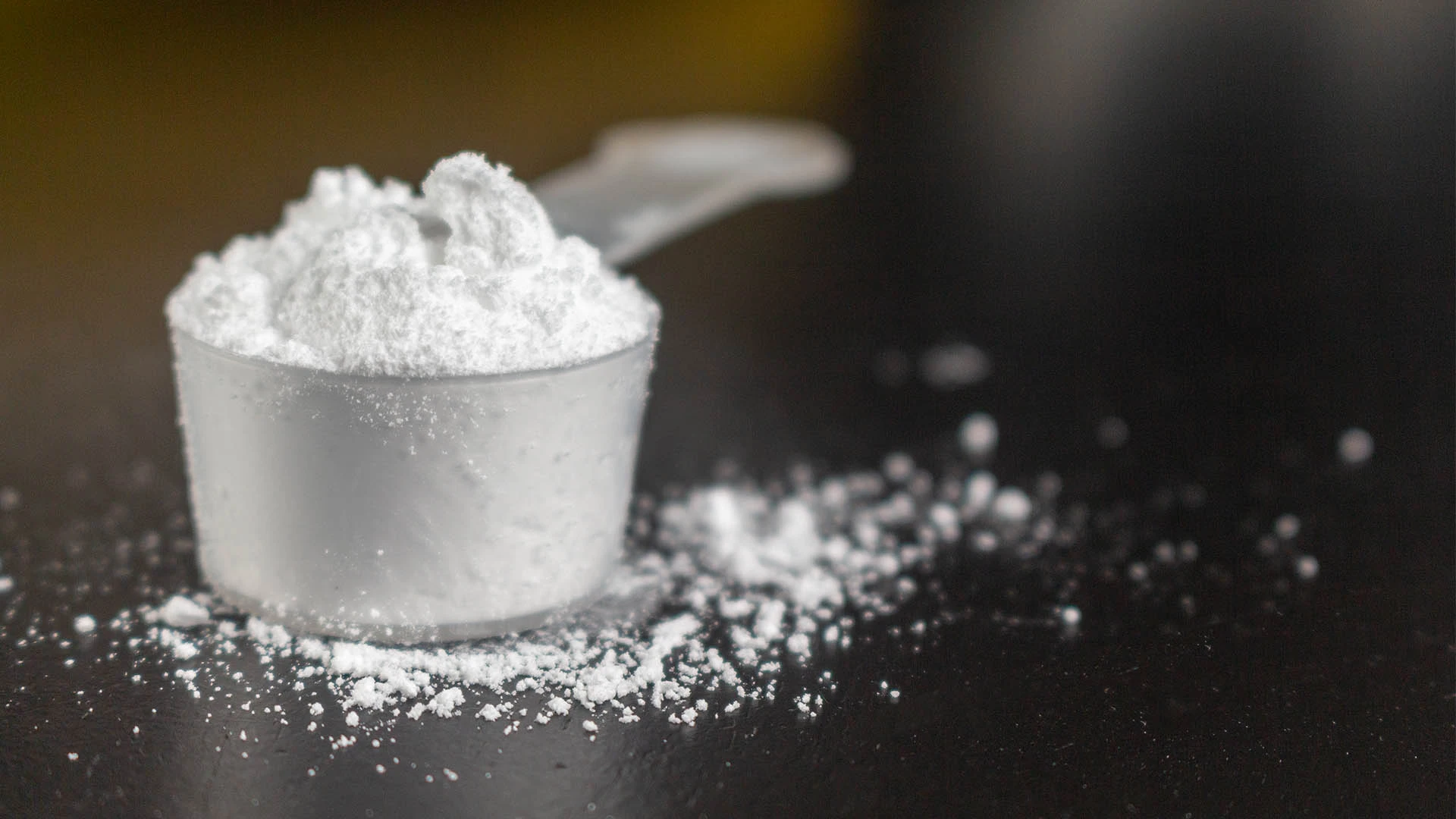
Using creatine at home doesn't require complex protocols or gym timing strategies. The beauty of creatine lies in its simplicity—your muscles don't care when you take it, as long as you take it consistently. For creatine for beginners no gym, the standard approach works perfectly: 3-5 grams of creatine monohydrate daily, taken at any time that fits your routine. Consistency matters more than timing.
Start with 3 grams daily for the first week, then increase to 5 grams if well-tolerated. This gradual approach helps your digestive system adjust and reduces the likelihood of stomach upset. Most people find their sweet spot between 3-5 grams daily.
The creatine loading phase no workout scenario makes loading unnecessary. Loading phases (20 grams daily for 5-7 days) were designed to quickly saturate muscles for immediate performance benefits. Without intense training, this rapid saturation offers no advantage and increases the risk of digestive discomfort.
Take creatine with a meal to improve absorption and reduce stomach irritation. Morning with breakfast works well for cognitive benefits throughout the day. Evening with dinner can support overnight recovery processes. The key is picking a time you'll remember consistently.
Creatine monohydrate without exercise remains the best choice for non-athletes. It's the most researched form, most cost-effective, and has the strongest safety profile. Fancy forms like creatine HCl or buffered creatine offer no proven advantages for sedentary users.
Mix creatine with at least 8 ounces of liquid to ensure complete dissolution. Warm liquids dissolve creatine better than cold ones. Adding it to your morning coffee or tea works well, as does mixing it into smoothies or protein shakes if you use our plant-based proteins.
The creatine side effects no exercise profile is generally milder than what exercisers experience, but awareness helps you use the supplement safely and effectively. Sedentary users typically experience fewer side effects because they're not combining creatine with intense physical stress. However, some effects are worth monitoring.
Mild digestive upset affects about 5-10% of users, usually during the first week. Water retention is universal but typically comfortable. Some people report increased thirst, which is normal and indicates your body is properly utilizing the creatine.
Taking creatine on an empty stomach increases the likelihood of nausea or stomach discomfort. Always consume it with food and plenty of water. If problems persist, try splitting your dose throughout the day rather than taking it all at once.
Despite persistent myths, research consistently shows creatine is safe for healthy kidneys. A 2017 systematic review found no evidence of kidney damage in healthy individuals taking creatine long-term. However, if you have existing kidney issues, consult your healthcare provider before starting any supplement.
Seek medical advice if you experience persistent digestive issues, unusual weight gain beyond 5-6 pounds, or any concerning symptoms. People with diabetes should monitor blood sugar more closely, as creatine can affect glucose metabolism.
Let's get real about creatine for muscle growth without gym expectations. Creatine isn't magic, and without the stimulus of resistance training, dramatic muscle building won't happen. Creatine preserves existing muscle mass and may provide modest improvements in muscle quality, but significant muscle growth requires progressive overload that only resistance training provides. Think of creatine as muscle maintenance rather than muscle building when exercise isn't part of the equation.
Creatine doesn't directly burn fat. While improved cellular energy might make you slightly more active throughout the day, don't expect weight loss from creatine alone. The initial water weight gain might actually mask any small fat loss that occurs.
You might notice improved stamina during daily activities like climbing stairs, carrying groceries, or maintaining energy during long work days. These improvements are real but subtle—don't expect superhuman strength or endurance.
Cognitive benefits often appear within 1-2 weeks. Energy improvements typically manifest within 2-4 weeks. Muscle preservation effects take months to become apparent and are best measured through body composition analysis rather than visual changes.
Answer: No, creatine doesn't cause fat gain. The 2-4 pounds of weight gain comes from water retention in muscles, which is beneficial for muscle function and appearance. This water weight is not fat and doesn't contribute to body fat percentage increases.
Answer: Yes, daily creatine supplementation is safe and effective for non-exercisers. Consistency is key for maintaining muscle creatine saturation. Taking 3-5 grams daily provides ongoing benefits for cognitive function, muscle preservation, and cellular energy.
Answer: Research supports long-term creatine use for years without adverse effects in healthy individuals. There's no evidence suggesting you need to cycle off creatine, whether you exercise or not. The supplement's safety profile remains excellent for extended use.
Answer: Cycling isn't necessary for non-exercisers. The concept of cycling creatine originated from bodybuilding culture but has no scientific basis. Continuous use maintains steady muscle creatine levels and provides consistent benefits.
Answer: Absolutely. Studies show creatine improves cognitive function, reduces mental fatigue, and enhances working memory. Desk workers often report better focus, reduced afternoon energy crashes, and improved mental clarity during demanding tasks.
Creatine's benefits extend far beyond the gym walls, offering real value for anyone seeking cognitive enhancement, muscle preservation, and improved daily energy. The science is clear: you don't need to be pumping iron to benefit from this well-researched supplement. The key lies in setting realistic expectations and understanding what creatine can and cannot do without exercise. While it won't build significant muscle mass or burn fat, it will support your existing muscle tissue, enhance brain function, and provide steady cellular energy for daily activities.
For those considering creatine without gym membership, start with 3-5 grams of creatine monohydrate daily, taken consistently with food. Monitor your body's response, stay well-hydrated, and remember that the benefits are subtle but meaningful. Your muscles—and your mind—will thank you for the cellular support, even if you never set foot in a gym.

