


Creatine Monohydrate: Your Complete Guide to Benefits

Get personalised recommendations with our assessment.
Personalised Health Diagnosis (PHD)
The fitness world is flooded with supplements promising miraculous results, but few have the scientific backing that creatine monohydrate enjoys. With over three decades of research and thousands of studies, creatine stands as one of the most thoroughly investigated and proven supplements in sports nutrition. Yet despite its stellar reputation among researchers and athletes, misconceptions persist about its benefits, safety, and proper use. Whether you're a weekend warrior looking to enhance your workouts or someone seeking cognitive benefits, understanding creatine monohydrate benefits can transform your approach to supplementation. Let's cut through the noise and explore what science actually tells us about this powerhouse compound.
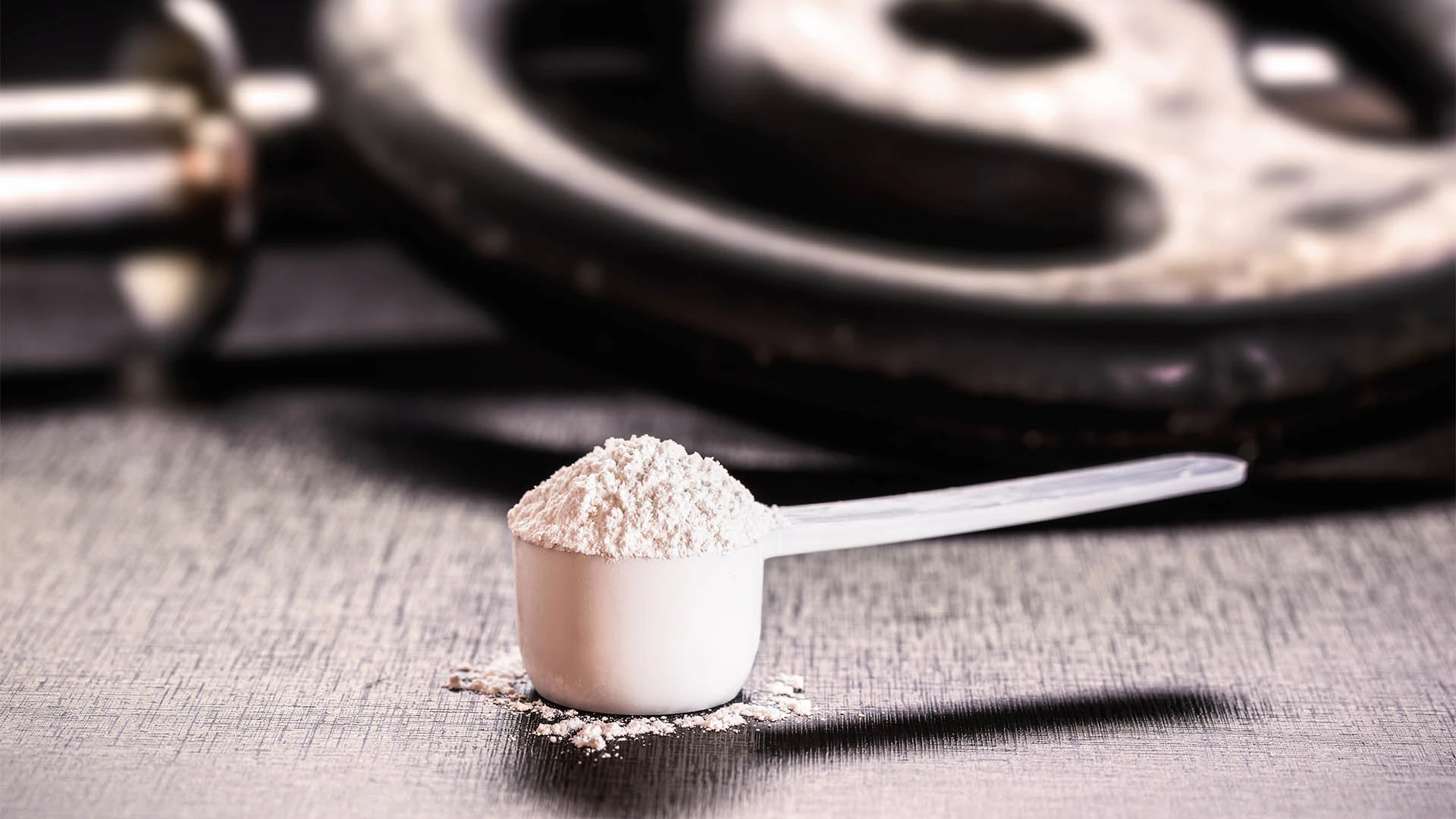
Creatine monohydrate is the most researched and effective form of creatine available today. Your body naturally produces about 1-2 grams of creatine daily in your liver, kidneys, and pancreas from amino acids glycine, arginine, and methionine. However, your muscles can store much more than what your body produces naturally. The magic happens at the cellular level through the ATP-PCr energy system. When you perform high-intensity activities, your muscles rapidly burn through ATP (adenosine triphosphate) - your body's primary energy currency. Creatine phosphate acts as a backup energy system, quickly regenerating ATP so you can maintain peak performance for longer periods.
While supplement companies market various creatine forms with fancy names, creatine monohydrate remains the gold standard. It's the form used in virtually every positive study on creatine supplementation. The monohydrate molecule is stable, well-absorbed, and cost-effective - making it the smart choice for anyone serious about results.
Your body's natural creatine production covers basic needs, but it's nowhere near optimal for athletic performance. Food sources like red meat and fish provide some creatine, but you'd need to eat pounds of steak daily to match what 5 grams of creatine monohydrate provides. This is where strategic supplementation becomes a game-changer.
The research on creatine benefits is overwhelming - in the best possible way. Studies consistently show improvements across multiple performance and health markers, making it one of the few supplements that actually delivers on its promises.
Creatine doesn't just help you lift heavier - it fundamentally changes how your muscles respond to training. Research shows strength gains of 5-15% and increases in total training volume of up to 30%. This isn't just about one-rep maxes; it's about being able to perform more quality reps at higher intensities. The muscle growth benefits come from multiple mechanisms. Creatine increases cell volumization, pulling water into muscle cells and creating an anabolic environment. It also enhances satellite cell activation and myonuclei number, both crucial for long-term muscle development.
Where creatine truly shines is in high-intensity, short-duration activities lasting 1-30 seconds. Think sprints, weightlifting, jumping, or any explosive movement. Studies show exercise performance improvements of 10-20% in these activities. The benefits extend beyond single efforts. Creatine helps maintain power output across multiple sets, reducing the typical drop-off you'd experience during intense training sessions. This means better quality workouts and faster progress toward your goals.
Your brain is an energy-hungry organ, and emerging research reveals impressive creatine monohydrate benefits for cognitive function. Studies show improvements in working memory, processing speed, and mental fatigue resistance, especially during stressful conditions or sleep deprivation. The neuroprotective properties are particularly intriguing. Research suggests creatine may help protect against age-related cognitive decline and support recovery from traumatic brain injuries. While more research is needed, the initial findings are promising for long-term brain health.
Let's address the elephant in the room: the persistent myth that creatine for women is somehow different or potentially harmful. This couldn't be further from the truth. Women actually have lower natural creatine stores than men, potentially making supplementation even more beneficial. Research specifically examining women shows similar strength and power improvements as seen in men. A landmark study found that women using creatine gained significantly more lean mass and strength compared to those taking a placebo during resistance training.
Women's hormonal fluctuations throughout the menstrual cycle can affect energy levels and performance. Creatine supplementation helps stabilize energy production at the cellular level, potentially reducing the impact of these natural variations. Some research suggests creatine may be particularly beneficial during the luteal phase when progesterone levels are elevated and can negatively impact high-intensity performance.
Contrary to fears about "bulking up," creatine helps women achieve a leaner, more defined physique by supporting muscle growth while maintaining or reducing body fat. The increased training capacity leads to better body composition changes over time. Emerging research also suggests potential bone health benefits, which is particularly relevant for women who face higher osteoporosis risk as they age.
The beauty of creatine dosage lies in its simplicity. Despite what supplement companies might tell you, the protocol is straightforward and doesn't require complex timing or cycling strategies. The standard maintenance dose is 3-5 grams daily. This amount effectively saturates muscle creatine stores in most individuals when taken consistently over 3-4 weeks. Larger individuals or those with higher muscle mass may benefit from the higher end of this range.
Creatine loading involves taking 20 grams daily (split into 4 doses of 5 grams) for 5-7 days, followed by the standard maintenance dose. This approach saturates muscle stores faster - within a week instead of 3-4 weeks. While loading isn't necessary, it can be beneficial if you want faster results or are starting a new training program. However, some people experience digestive discomfort with higher doses, making the gradual approach more suitable.
Timing matters less than consistency. Whether you take creatine pre-workout, post-workout, or with breakfast, the key is taking it daily. Some evidence suggests post-workout consumption with carbohydrates may slightly enhance uptake, but the difference is minimal. The most important factor is building muscle creatine stores over time through consistent daily supplementation.
Let's tackle the creatine side effects head-on with facts, not fear-mongering. Creatine monohydrate has one of the most extensively studied safety profiles of any supplement, with research spanning over 30 years. The most common "side effect" is initial water weight gain of 1-3 pounds. This isn't bloating or fat gain - it's increased intracellular water storage in muscles, which is actually part of how creatine works. This water retention contributes to the muscle-building benefits.
The biggest myth surrounding creatine side effects involves kidney damage. Multiple long-term studies, including some lasting up to 5 years, show no adverse effects on kidney function in healthy individuals. The temporary increase in creatinine levels (a kidney function marker) is due to increased creatine turnover, not kidney damage. Dehydration and cramping concerns are also largely unfounded. Studies show creatine users actually have lower rates of cramping and heat-related illness compared to non-users, likely due to improved cellular hydration.
The only consistently reported side effects are mild digestive issues in some individuals, particularly during loading phases. These can be minimized by:
• Taking smaller doses throughout the day
• Consuming with food
• Ensuring adequate hydration
• Using high-quality, pure creatine monohydrate
Rare individuals may experience slight weight gain beyond water retention, but this is typically due to increased appetite from improved training capacity.
Getting the most from creatine supplementation requires attention to a few key factors beyond just taking the supplement. Quality matters significantly - choose pure creatine monohydrate without unnecessary additives or fillers. Hydration becomes more important when using creatine. Aim for at least 3-4 liters of water daily to support the increased intracellular water storage and optimize performance benefits. This isn't just about preventing side effects - proper hydration enhances creatine's effectiveness.
While creatine works excellently on its own, certain combinations can enhance its benefits. Taking creatine with carbohydrates or a carb-protein mixture may improve muscle uptake through insulin-mediated transport. At Ace Blend, we understand that optimal nutrition requires a comprehensive approach. Our plant-powered proteins complement creatine supplementation perfectly, providing the amino acid building blocks your muscles need to capitalize on creatine's performance benefits.
Most people notice initial strength improvements within 1-2 weeks of starting creatine. However, the full spectrum of benefits - including maximum strength gains and muscle growth - typically develops over 4-6 weeks of consistent use. The key is patience and consistency. Creatine isn't a pre-workout stimulant that provides immediate energy. Instead, it's a long-term investment in your body's energy production capacity.
Answer: Yes, long-term daily creatine use is safe for healthy individuals. Studies lasting up to 5 years show no adverse health effects. In fact, maintaining consistent muscle creatine stores through daily supplementation is more beneficial than intermittent use.
Answer: No, cycling creatine is unnecessary and counterproductive. Unlike stimulants, your body doesn't develop tolerance to creatine. Cycling only allows muscle creatine stores to decrease, reducing the benefits you've built up through consistent supplementation.
Answer: No, extensive research shows creatine doesn't cause kidney problems in healthy people. The temporary increase in creatinine levels is due to increased creatine metabolism, not kidney damage. However, individuals with existing kidney conditions should consult their healthcare provider.
Answer: No, creatine causes intracellular water retention in muscles, not subcutaneous bloating. This water storage actually makes muscles appear fuller and more defined, not puffy or bloated. Any initial weight gain is lean mass, not fat or uncomfortable bloating.
Answer: Initial strength improvements typically appear within 1-2 weeks. Full muscle saturation and maximum benefits develop over 4-6 weeks with consistent daily use. Loading can accelerate this timeline to 1-2 weeks for full benefits.
Answer: Absolutely. Vegetarians and vegans often have lower baseline creatine levels since dietary creatine comes primarily from animal products. This makes supplementation potentially even more beneficial for plant-based individuals. Creatine monohydrate is synthetically produced and completely vegan-friendly.
Creatine monohydrate stands as one of the most scientifically validated supplements available, offering benefits that extend far beyond the gym. From enhanced strength and muscle growth to improved cognitive function, the research consistently supports its effectiveness across diverse populations. The simplicity of creatine supplementation - just 3-5 grams daily - makes it accessible to anyone serious about optimizing their performance and health.
The safety profile, established through decades of research, should put to rest any lingering concerns about long-term use. For women, the benefits are particularly compelling given naturally lower creatine stores and the potential for enhanced training adaptations.
The cognitive benefits add another dimension, making creatine valuable for both physical and mental performance. Remember, consistency trumps complexity with creatine. Focus on daily supplementation with high-quality creatine monohydrate, maintain proper hydration, and be patient as your body builds up muscle creatine stores. The investment in this well-researched supplement can pay dividends in your training, performance, and overall well-being for years to come.


Someone sent you
Error
Powered by ReferRush