











Creatine Monohydrate Dosage: Complete Guide

Get personalised recommendations with our assessment.
Personalised Health Diagnosis (PHD)
Getting your creatine monohydrate dosage right isn't just about following the label—it's about understanding how this powerhouse supplement works in your body and tailoring it to your specific needs. While the supplement industry loves to overcomplicate things with flashy marketing and confusing protocols, the science behind creatine monohydrate dosage is actually pretty straightforward. We're cutting through the noise to give you the real deal on how much creatine you need, when to take it, and how to maximize every gram for serious results. No gimmicks, just science-backed strategies that actually work.
Creatine monohydrate stands apart from other creatine types because it's the most researched form with decades of proven results. Your muscles store creatine as phosphocreatine, which rapidly regenerates ATP during high-intensity exercise. This process happens in seconds, making creatine crucial for explosive movements, heavy lifting, and repeated bouts of intense activity. Unlike fancy creatine variants that promise better absorption or fewer side effects, creatine monohydrate delivers consistent results at a fraction of the cost. The dosage matters because your muscles have a finite capacity to store creatine—about 120-140 mmol per kg of dry muscle mass. Once you hit saturation, taking more won't boost performance further.
Taking too little means you'll never reach muscle saturation, essentially wasting your time and money. Taking too much leads to expensive urine and potential digestive issues without additional creatine benefits. The sweet spot exists, and hitting it consistently is what separates those who see real gains from those who wonder why their supplements aren't working.
Two main approaches dominate creatine supplementation: the loading phase method and the steady maintenance approach. Both work, but they differ in timeline and intensity. Your choice depends on how quickly you want results and your tolerance for higher doses.
Creatine loading involves taking 20-25 grams daily for 5-7 days, split into 4-5 servings of 5 grams each. This approach saturates your muscles quickly, typically within a week. Take one serving with breakfast, one pre-workout, one post-workout, and one before bed. The rapid saturation means you'll notice strength and power improvements faster. Divide your doses throughout the day to minimize digestive upset and maximize absorption. Your body can only absorb so much creatine at once, making multiple smaller doses more effective than one large serving.
The maintenance route skips loading entirely, using 3-5 grams daily from day one. This method takes 3-4 weeks to reach full muscle saturation but avoids the potential bloating and digestive issues some people experience during loading. It's perfect if you're not in a rush and prefer a gentler approach. Both methods end up at the same place—full muscle saturation. The loading phase just gets you there faster, while maintenance dosing takes the scenic route with potentially fewer side effects.
Your optimal creatine monohydrate dosage isn't one-size-fits-all. Body weight, muscle mass, and training intensity all influence how much you need. Larger individuals with more muscle mass require higher doses to reach saturation, while smaller people need less.
The gold standard formula uses 0.3 grams per kilogram of body weight for loading and 0.03-0.05 grams per kilogram for maintenance. A 70-kilogram person would take 21 grams during loading (divided into 4-5 doses) and 3-5 grams for maintenance. A 90-kilogram individual might need up to 27 grams during loading and 5-6 grams for maintenance. These calculations provide a starting point, but individual responses vary. Some people reach saturation faster due to genetics, training status, or existing creatine stores.
For creatine for muscle growth, stick to standard protocols but ensure consistency. Muscle building requires sustained creatine levels, making daily dosing more important than perfect timing. Strength athletes might benefit from slightly higher maintenance doses (5-6 grams) due to their training demands. Endurance athletes can use lower doses (3-4 grams) since their energy systems rely less on the phosphocreatine pathway. Recovery-focused individuals should prioritize consistency over high doses, as creatine's recovery benefits accumulate over time.
The age-old question of creatine before or after workout has a surprisingly simple answer based on recent research. While creatine timing matters less than consistency, post-workout consumption might have a slight edge for muscle growth and recovery.
Post-workout creatine consumption, especially with carbohydrates and protein, enhances uptake into muscles. Your muscles are primed for nutrient absorption after training, making this window potentially more effective. However, the difference is marginal—consistency trumps perfect timing every time. Pre-workout dosing can provide immediate energy for your session if you're already saturated, but it won't make or break your results. Choose the timing that fits your routine and stick with it.
Taking creatine powder with meals improves absorption and reduces stomach upset. The insulin response from carbohydrates helps drive creatine into muscle cells, making post-meal timing beneficial. If you're loading, spread doses throughout the day with meals and snacks. Consistency matters more than perfect timing. Taking creatine at the same time daily helps establish a routine and ensures you don't miss doses.
Creatine cycling represents one of the biggest myths in sports nutrition. The idea that you need to take breaks from creatine to maintain effectiveness lacks scientific support. Your body doesn't develop tolerance to creatine like it might with stimulants. Continuous supplementation maintains muscle saturation without diminishing returns. Taking breaks only forces you to go through the saturation process again when you restart. Long-term studies show no adverse effects from continuous use, making cycling unnecessary for most people. Some athletes cycle creatine around competitions to avoid water weight, but this strategy can backfire by reducing performance when you need it most. If you're concerned about water retention, adjust your dosing rather than cycling on and off.
Most creatine side effects stem from improper dosing or poor-quality products. Understanding what's normal versus concerning helps you adjust your approach for better tolerance.
Water retention is the most common side effect, typically adding 1-3 pounds of water weight to your muscles. This isn't fat gain—it's actually a sign that creatine is working. The extra water in your muscles contributes to the pumped feeling and may support muscle growth. Digestive issues usually result from taking too much at once or on an empty stomach. Reduce individual dose sizes, take with food, or switch to the maintenance approach if loading causes problems.
Creatine monohydrate has an excellent safety profile in healthy individuals. Concerns about kidney damage lack scientific support in people with normal kidney function. However, those with existing kidney issues should consult healthcare providers before starting supplementation. Stay hydrated when using creatine, as it draws water into muscles. Adequate hydration supports the supplement's effectiveness and prevents potential cramping.
Getting the most from your creatine investment goes beyond just taking the right dose. Quality matters, and so does how you combine it with other aspects of your nutrition and training.
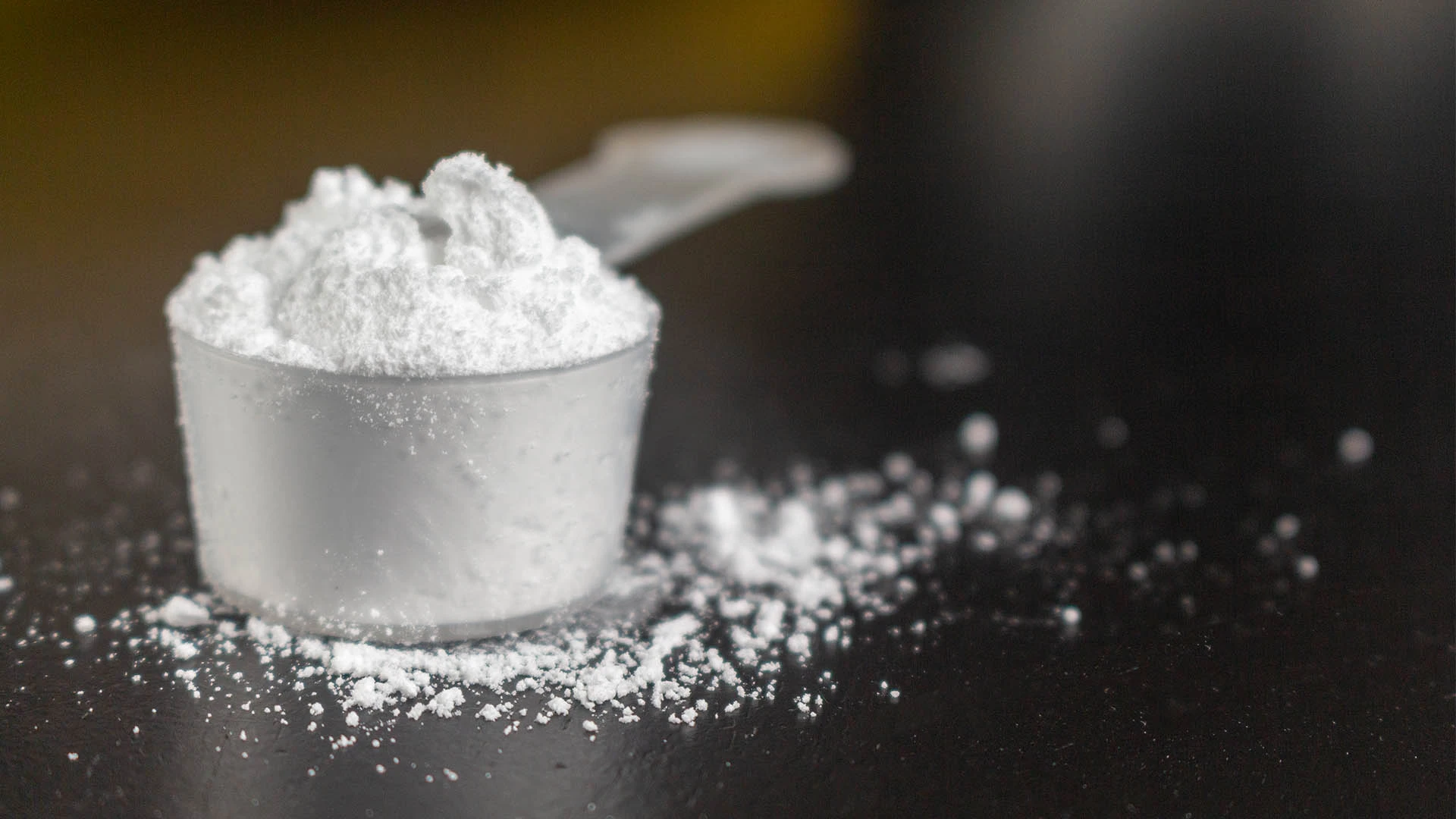
Choose creatine powder that's third-party tested for purity and potency. At Ace Blend, we understand that quality isn't negotiable when it comes to supplements that fuel your performance. Look for products that dissolve completely and don't leave gritty residue. Mix creatine with warm liquid to improve dissolution, but avoid hot beverages that might degrade the compound. Room temperature or slightly warm water works perfectly.
Combining creatine with carbohydrates enhances uptake, while protein provides the building blocks for muscle growth. This combination makes post-workout shakes an ideal delivery method. Avoid taking creatine with large amounts of caffeine, as some research suggests it might interfere with creatine's benefits. Consistent training amplifies creatine's effects. The supplement works best when you're actually challenging your muscles with progressive overload and high-intensity exercise.
Answer: Start with 3-5 grams daily without loading, or use 20 grams daily for 5 days divided into 4 servings if you want faster results. Beginners often respond well to the gentler maintenance approach.
Answer: Use 0.3 grams per kilogram during loading and 0.03-0.05 grams per kilogram for maintenance. A 70kg person needs about 21 grams during loading and 3-5 grams for maintenance.
Answer: Continuous use is safe and more effective than cycling. Your body doesn't develop tolerance to creatine, so taking breaks only forces you to resaturate your muscles when you restart.
Answer: Post-workout with carbohydrates and protein may have a slight advantage, but consistency matters more than timing. Choose a time that fits your routine and stick with it daily.
Answer: Water retention (1-3 pounds) and occasional digestive upset are most common. Take smaller doses with food and stay hydrated to minimize issues.
Answer: Yes, exceeding 25 grams daily provides no additional benefits and may cause digestive problems. Your muscles have a saturation limit that more creatine won't exceed.
Answer: With loading, you'll notice effects within 5-7 days. Without loading, expect 3-4 weeks for full saturation and maximum benefits.
Answer: Women can follow the same dosage guidelines, typically 3-5 grams daily. Body weight matters more than gender for determining optimal doses.
Mastering your creatine monohydrate dosage comes down to understanding your body, your goals, and the science behind this proven supplement. Whether you choose the fast track with loading or the steady approach with maintenance dosing, consistency beats perfection every time. Focus on quality products, proper timing that fits your lifestyle, and realistic expectations about what creatine can and can't do. The supplement works, but only when you do—combine it with solid training, adequate nutrition, and patience for long-term results that actually matter.


Someone sent you
Error
Powered by ReferRush