











Creatine Loading: Complete Guide to Phase Results

Get personalised recommendations with our assessment.
Personalised Health Diagnosis (PHD)
The fitness world is buzzing with talk about creatine loading, but most people are flying blind when it comes to what actually happens during those crucial first days. You've probably heard the standard advice: load up on 20 grams daily for a week, then coast on maintenance doses. But what does that really mean for your performance, your physique, and your wallet? The truth is, creatine loading isn't just about cramming your muscles with more supplement—it's about understanding how your body responds to strategic saturation. Whether you're chasing that extra rep in the gym or looking to optimize your training gains, knowing what to expect from creatine loading phase results can make the difference between spinning your wheels and actually seeing progress.
Creatine loading is a strategic approach to creatine supplementation designed to rapidly saturate your muscles with phosphocreatine stores. Think of it as filling up a gas tank quickly rather than adding fuel drop by drop. During the loading phase, you consume significantly higher doses of creatine for a short period to maximize muscle creatine content faster than traditional maintenance dosing. The science behind this approach centers on your body's phosphocreatine system. Your muscles naturally store creatine as phosphocreatine, which serves as a rapid energy source during high-intensity, short-duration activities. When you perform explosive movements like sprinting or heavy lifting, your muscles burn through ATP (adenosine triphosphate) quickly. Phosphocreatine helps regenerate ATP almost instantly, giving you that extra burst of power when you need it most.
Normal muscle creatine levels hover around 120-140 mmol/kg of dry muscle mass. Through strategic creatine loading, you can push these levels up to 150-160 mmol/kg—essentially maxing out your body's storage capacity. This 20-30% increase in available creatine translates directly into enhanced performance during your workouts.
The fundamental difference between loading and maintenance phases lies in speed versus sustainability. Loading gets you to peak muscle creatine levels within 5-7 days, while maintenance dosing achieves the same saturation over 3-4 weeks. Both approaches ultimately reach the same destination, but loading takes the express route.
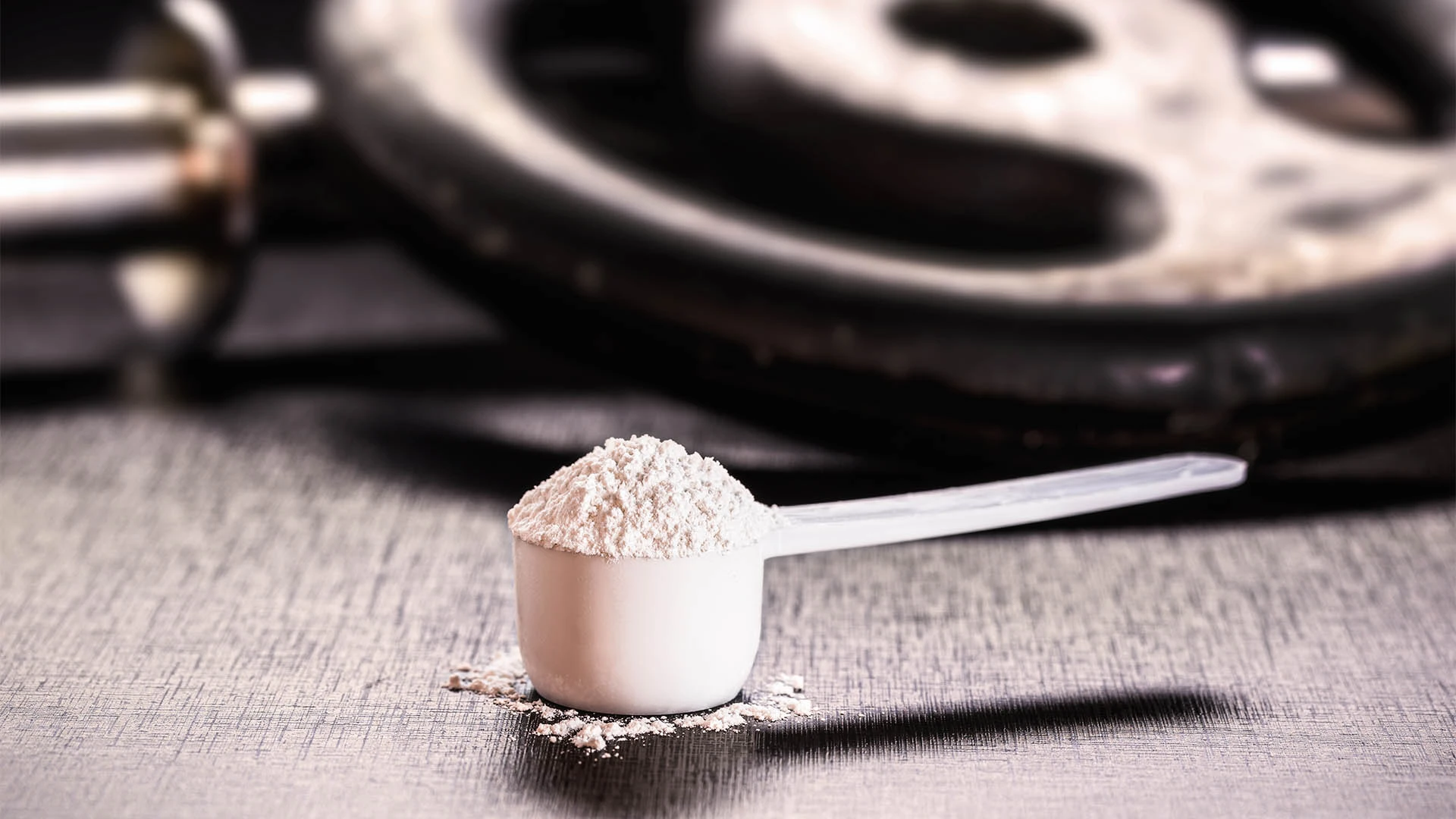
Getting your creatine dosage right during the loading phase isn't guesswork—it's based on solid research and your individual body weight. The standard protocol calls for 0.3 grams per kilogram of body weight daily, which typically translates to 20-25 grams for most adults. This might sound like a lot compared to the 3-5 gram maintenance dose, but there's method to this apparent madness. The key to successful loading lies in dose distribution. Rather than downing 20 grams in one sitting (which your digestive system won't appreciate), split your daily intake into 4-5 smaller servings of 4-5 grams each. Space these doses every 3-4 hours throughout the day, ideally with meals or carbohydrate-rich snacks to enhance absorption.
Your loading phase should run for 5-7 days maximum. Day one through five represents the sweet spot where you're rapidly saturating muscle stores without overdoing it. Some people extend to seven days, but research shows diminishing returns beyond the fifth day.
Once you complete the loading phase, immediately transition to a maintenance dose of 3-5 grams daily. This amount perfectly matches your body's natural creatine turnover rate, keeping those muscle stores topped off without waste or unnecessary expense.
If the idea of consuming 20+ grams daily doesn't appeal to you, there's an alternative route. Skip the loading phase entirely and take 3-5 grams daily from day one. You'll reach the same muscle saturation levels, but it'll take 3-4 weeks instead of one week. This approach works particularly well for people with sensitive stomachs or those who prefer a more gradual approach.
The creatine results from a proper loading phase aren't subtle—they're noticeable within the first few training sessions. Understanding the timeline helps set realistic expectations and prevents the disappointment that comes from unrealistic hopes. During the first 2-3 days of loading, you might not notice dramatic changes in the gym, but your muscles are busy soaking up creatine like sponges. The real magic starts happening around day 4-5 when muscle creatine stores approach saturation levels.
By the end of your first week, expect strength improvements in the 5-15% range for high-intensity, short-duration exercises. This translates to an extra rep or two on your bench press, a slightly heavier deadlift, or maintaining power output longer during sprint intervals. These aren't placebo effects—they're measurable improvements backed by enhanced ATP regeneration.
One of the most immediate and noticeable creatine before and after changes is increased muscle fullness. Creatine pulls water into muscle cells, creating a more pumped, volumized appearance. This isn't just cosmetic—the increased cell volume can stimulate protein synthesis and contribute to long-term muscle growth.
Perhaps the most practical benefit you'll notice is improved recovery between sets. That burning fatigue that typically builds up during your third or fourth set becomes more manageable. You'll maintain higher power output throughout your entire workout, leading to better training quality and potentially greater gains over time.
While initial strength gains happen quickly, creatine for muscle growth requires patience and consistent training. Research shows that combining creatine supplementation with resistance training can increase muscle mass gains by 5-15% compared to training alone. However, these changes become apparent over weeks and months, not days.
Let's address the elephant in the room: creatine side effects during the loading phase. While creatine is one of the most researched and safest supplements available, the higher doses used during loading can cause some temporary discomfort if not managed properly. The most common side effect is gastrointestinal distress—stomach cramping, bloating, or diarrhea. This typically happens when people take large doses on an empty stomach or consume their entire daily dose at once. The solution is simple: always take creatine with food and stick to the 4-5 gram per serving rule.
Expect to gain 1-3 pounds during the loading phase, and don't panic—this is water weight, not fat. Creatine increases intracellular water retention, which is actually beneficial for muscle function and growth. This weight gain is temporary and levels off once you transition to maintenance dosing.
Contrary to popular belief, properly dosed creatine doesn't cause muscle cramps. In fact, research suggests it might help prevent them by improving cellular hydration. If you experience cramping during loading, it's likely due to inadequate water intake, not the creatine itself.
People with kidney disease, diabetes, or those taking certain medications should consult healthcare providers before starting any creatine protocol. Pregnant and breastfeeding women should also avoid supplementation due to limited safety data in these populations.
Creatine monohydrate remains the gold standard for loading protocols, and there are compelling reasons why. With over 500 published studies supporting its safety and efficacy, creatine monohydrate has the most robust research backing of any creatine form. It's also the most cost-effective option, delivering proven results without the premium price tag of newer formulations. Other forms like creatine HCL, buffered creatine, or liquid creatine promise enhanced absorption or reduced side effects, but the research doesn't support significant advantages over monohydrate for most people. These alternatives often cost 2-3 times more while delivering similar results.
When selecting creatine monohydrate for loading, prioritize products with third-party testing and purity verification. Look for the Creapure® trademark, which guarantees pharmaceutical-grade purity and absence of contaminants. At Ace Blend, our commitment to potency and purity means every batch meets the highest standards—a rarity in the Indian market where quality can be inconsistent.
While some manufacturers claim superior absorption for alternative forms, research shows that creatine monohydrate achieves excellent bioavailability when taken properly. The key factors affecting absorption are timing (with carbohydrates), dose size (smaller, frequent doses), and consistency, not the specific form of creatine.
The question of whether to maintain your regular training schedule during creatine loading has a straightforward answer: absolutely. In fact, training during the loading phase can enhance creatine uptake into muscle tissue through increased blood flow and muscle activation. Resistance training particularly benefits from creatine supplementation because it relies heavily on the phosphocreatine system for energy. Compound movements like squats, deadlifts, and bench presses that demand high power output will show the most dramatic improvements during and after loading.
Don't expect to suddenly bench press 50 pounds more after a week of loading. The improvements are more subtle but meaningful—an extra rep here, slightly better power maintenance there. These small gains compound over time, leading to significantly better training outcomes over weeks and months.
One often-overlooked benefit of creatine supplementation is enhanced recovery between training sessions. Research indicates that creatine can reduce markers of muscle damage and inflammation, potentially allowing for more frequent or intense training sessions.
Answer: The loading phase isn't strictly necessary, but it accelerates results significantly. You can achieve the same muscle creatine saturation with 3-5 grams daily over 3-4 weeks. Loading simply gets you there in 5-7 days instead.
Answer: Taking large doses at once increases the risk of digestive upset and reduces absorption efficiency. Split your daily loading dose into 4-5 smaller servings of 4-5 grams each, spaced throughout the day with meals.
Answer: Most people notice initial performance improvements by day 4-5 of loading. Strength gains become apparent within the first week, while muscle fullness and volume increases are often visible within 2-3 days.
Answer: Skipping loading means taking longer to reach peak muscle creatine levels. You'll still get the same benefits, but it takes 3-4 weeks of consistent 3-5 gram daily doses instead of one week of loading.
Answer: Five days is typically sufficient for most people to reach near-maximum muscle creatine saturation. Extending to seven days provides minimal additional benefit and increases the risk of digestive discomfort.
Answer: Decades of research show creatine monohydrate to be safe for long-term use in healthy individuals. The most comprehensive studies show no adverse effects on kidney or liver function with proper dosing.
Answer: Aim for at least 3-4 liters of water daily during loading. Creatine increases intracellular water retention, so adequate hydration supports this process and minimizes any potential side effects.
Creatine loading represents a science-backed strategy for rapidly optimizing your body's energy systems. The protocol is straightforward: 20-25 grams daily for 5-7 days, split into smaller doses with meals, followed by 3-5 grams daily for maintenance. Expect noticeable strength improvements within the first week, along with increased muscle fullness and better recovery between sets. The side effects are minimal and manageable with proper dosing and hydration. Creatine monohydrate remains the most researched and cost-effective option for loading protocols. Most importantly, consistency matters more than perfection—whether you choose to load or start with maintenance dosing, the key is sticking with your supplementation routine long-term. Remember that creatine works best as part of a comprehensive approach to training and nutrition. It's not a magic bullet, but when combined with consistent resistance training and proper recovery, it can provide that extra edge that makes the difference between good results and great ones.

